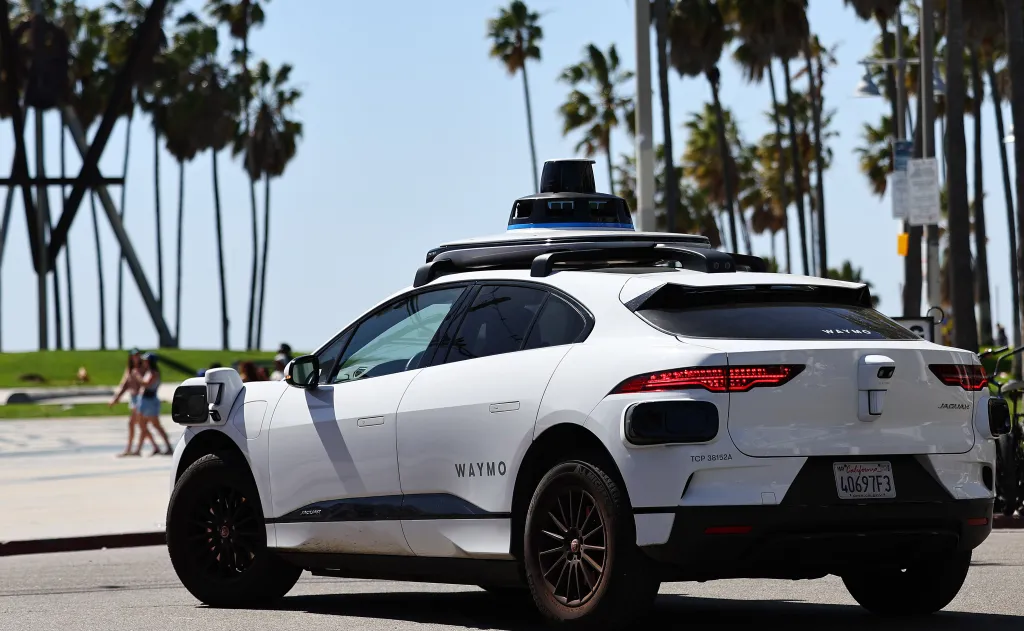
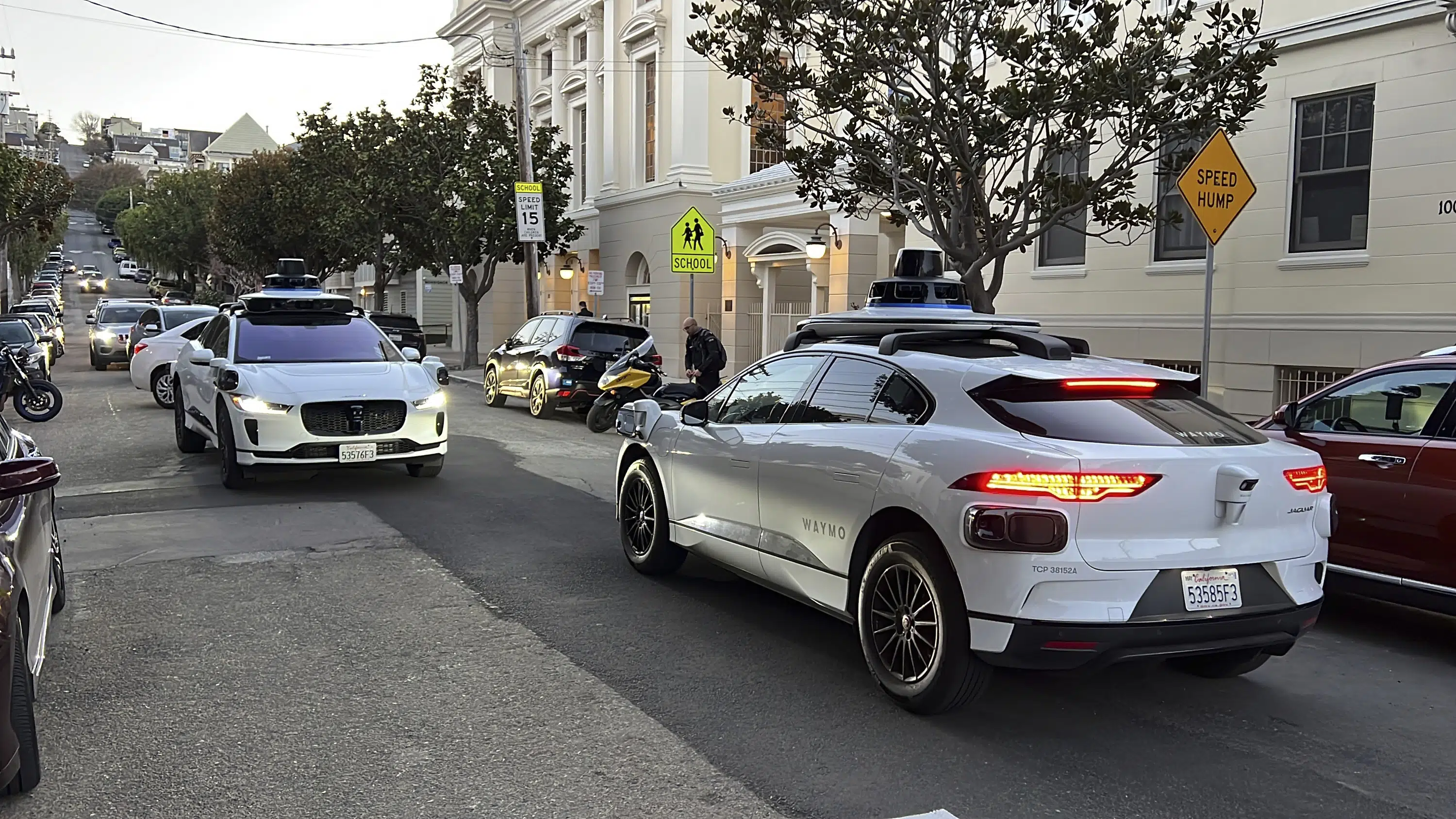
Waymo is launching its driverless robotaxi service in Denver next year, starting with testing vehicles on the streets to understand the local environment, amid ongoing debates about the safety and impact of autonomous vehicles.
Waymo's driverless ride-hailing service is expanding into Los Angeles, offering free rides in a 63-square-mile area to start, with plans to eventually collect fares. This move comes despite objections from local officials about potential safety risks. Waymo also aims to launch commercial operations in Austin, Texas, later this year, making its robotaxi service available in four major U.S. cities. The expansion follows California regulators' approval, despite concerns about potential road disruptions and safety issues. This comes after a recent incident involving a pedestrian and a driverless vehicle in San Francisco operated by Cruise, prompting regulatory action.
Waymo will launch a commercial robotaxi service in Austin by the end of the year, following the start of its service in Los Angeles this week. The company has been testing its driverless vehicles in various neighborhoods in Austin and will allow the public to hail rides via the Waymo One app. Waymo also plans to offer free rides in a 63-square-mile area in Los Angeles before transitioning to a paid service. The company has received regulatory approval to operate commercial driverless services in California and is gradually onboarding people from its Los Angeles waitlist.
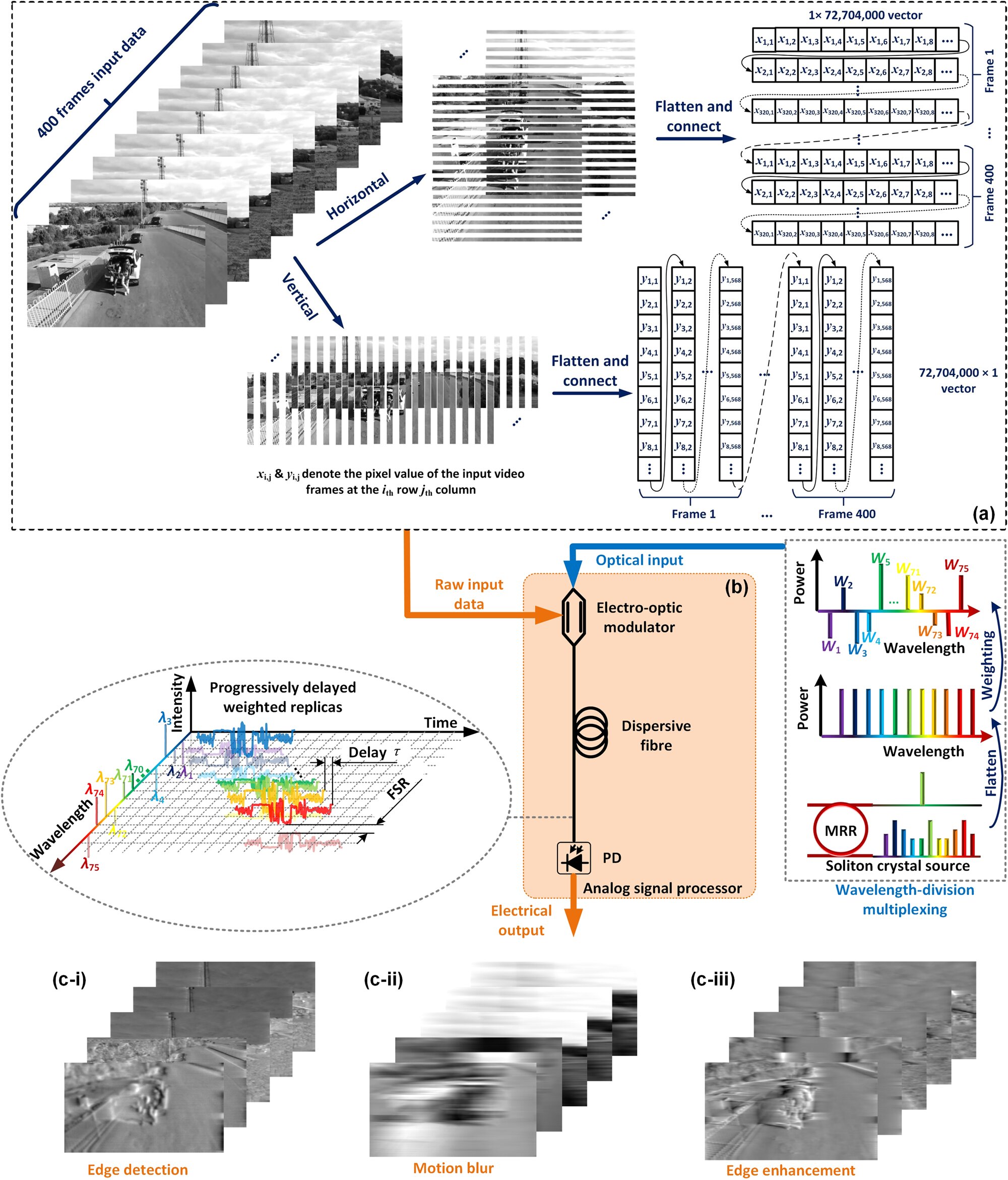
Scientists have developed an ultra-high speed signal processor that operates at a record 17 Terabits/s, more than 10,000 times faster than typical electronic processors. The processor's efficiency and speed have implications for driverless cars, medical imaging, and the search for habitable planets. It will have a major impact on AI, machine learning, and robotic vision, enabling more intelligent and autonomous systems. The integrated optical microcomb is the key to its remarkable performance, overcoming limitations in electronics. This technology will shape transportation, healthcare, space exploration, and AI.
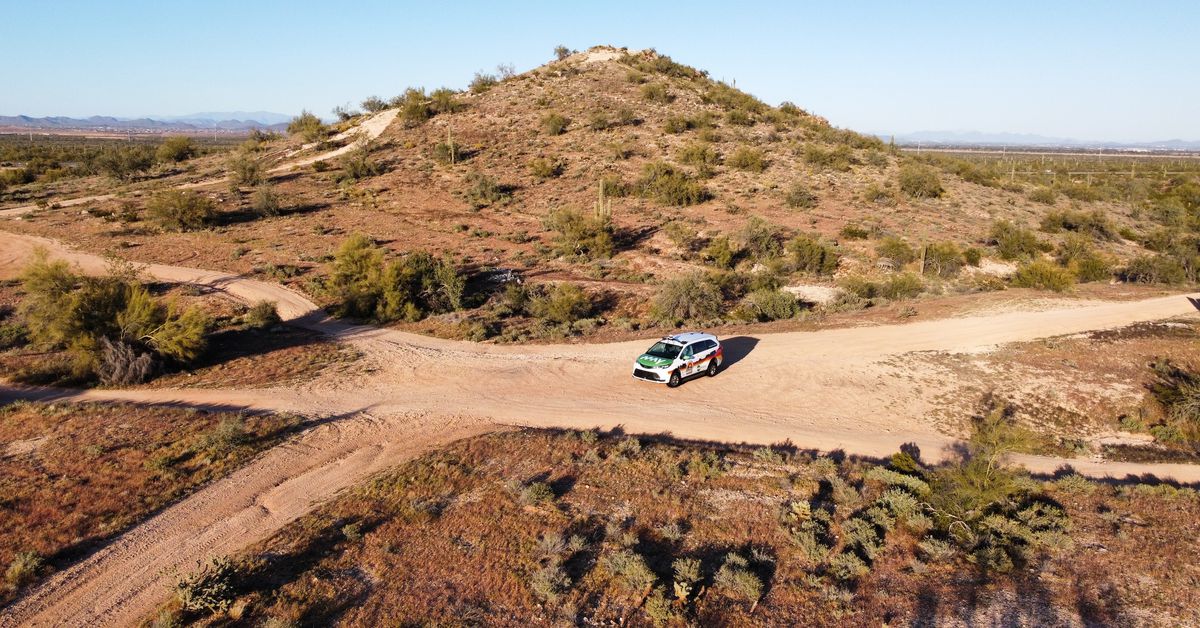
Michigan-based autonomous vehicle operator May Mobility is preparing to go fully driverless, distinguishing itself from other AV companies by focusing on fixed-route transportation contracts with businesses and governments rather than robotaxis. May Mobility's strategy involves deploying its technology step by step in geofenced areas such as business districts, college campuses, and closed residential communities. The company's first fully driverless service will launch in Sun City, Arizona, a retirement community with favorable conditions for AV operations. May Mobility has faced challenges in the past but continues to operate in four cities, prioritizing safety and addressing municipal concerns to maintain its contracts.
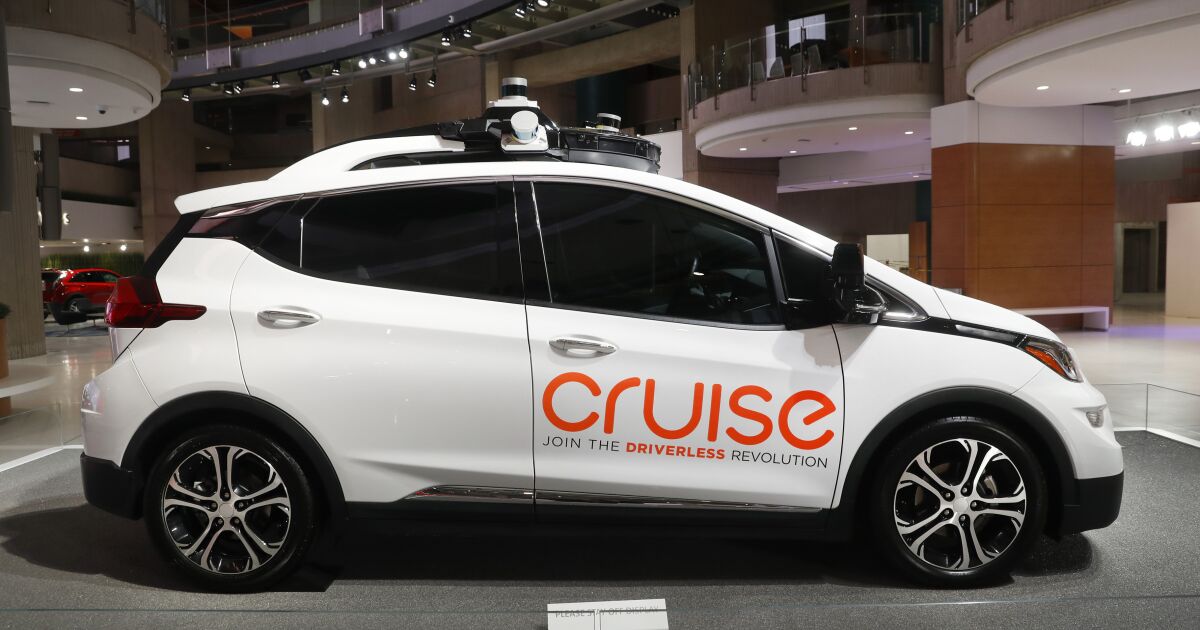
Cruise, an autonomous vehicle company, experienced wireless connectivity issues during the Outside Lands music festival in San Francisco, causing at least six driverless cars to stop in the middle of the road and block traffic. The company apologized for the inconvenience and stated that they are actively working on solutions to prevent this from happening again. The San Francisco Fire Department strongly disagrees with the decision to expand driverless vehicles in the city, citing public safety and emergency response interference. Mayor London Breed expressed her commitment to integrating autonomous vehicles in the city but acknowledged the issues they pose, including interference with first responders.
A long line of Cruise driverless taxis caused traffic chaos in San Francisco's North Beach district, blocking streets and leaving human-driven cars stranded. The incident occurred just a day after California approved a major expansion of driverless robotaxis in the city. Cruise blamed cell phone carriers for the problem, while city officials, including San Francisco's fire department, have expressed concerns about the safety of robotaxis interfering with emergency responders. Despite opposition, the California Public Utilities Commission voted to allow the expansion, prompting city officials to explore options to reverse the decision.
General Motors' subsidiary Cruise and Google's spinoff Waymo are seeking regulatory approval to operate their driverless ride-hailing services in San Francisco, which would make it the first US city with two totally driverless services competing against Uber, Lyft and traditional taxis. However, both companies must navigate potential roadblocks, including complaints about their vehicles making unexpected, traffic-clogging stops that threaten to inconvenience other travelers and imperil public safety. Cruise and Waymo have already covered more than 1 million miles without a major accident, but their robotaxis have also experienced nagging problems in San Francisco that have caused traffic headaches and other nuisances.