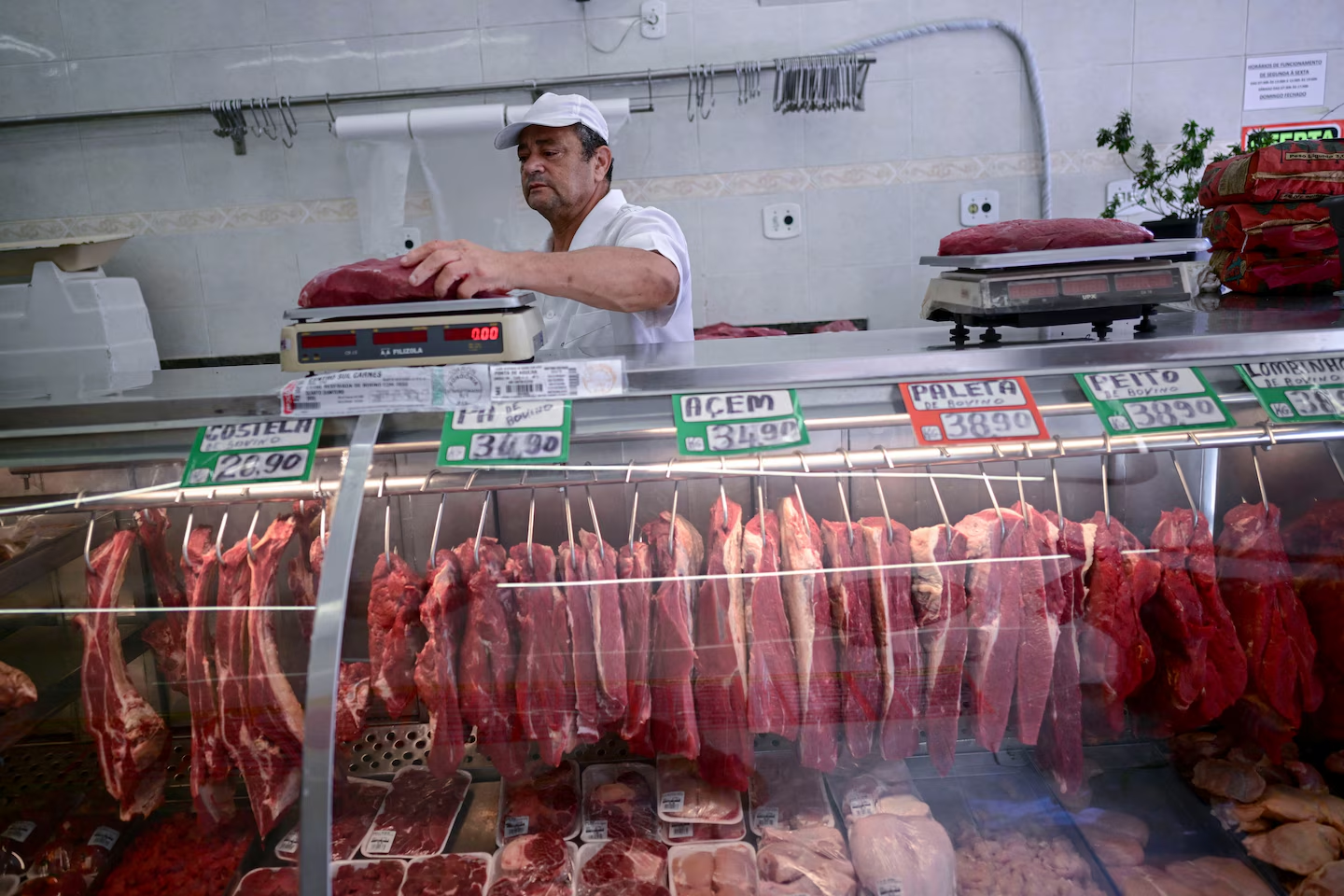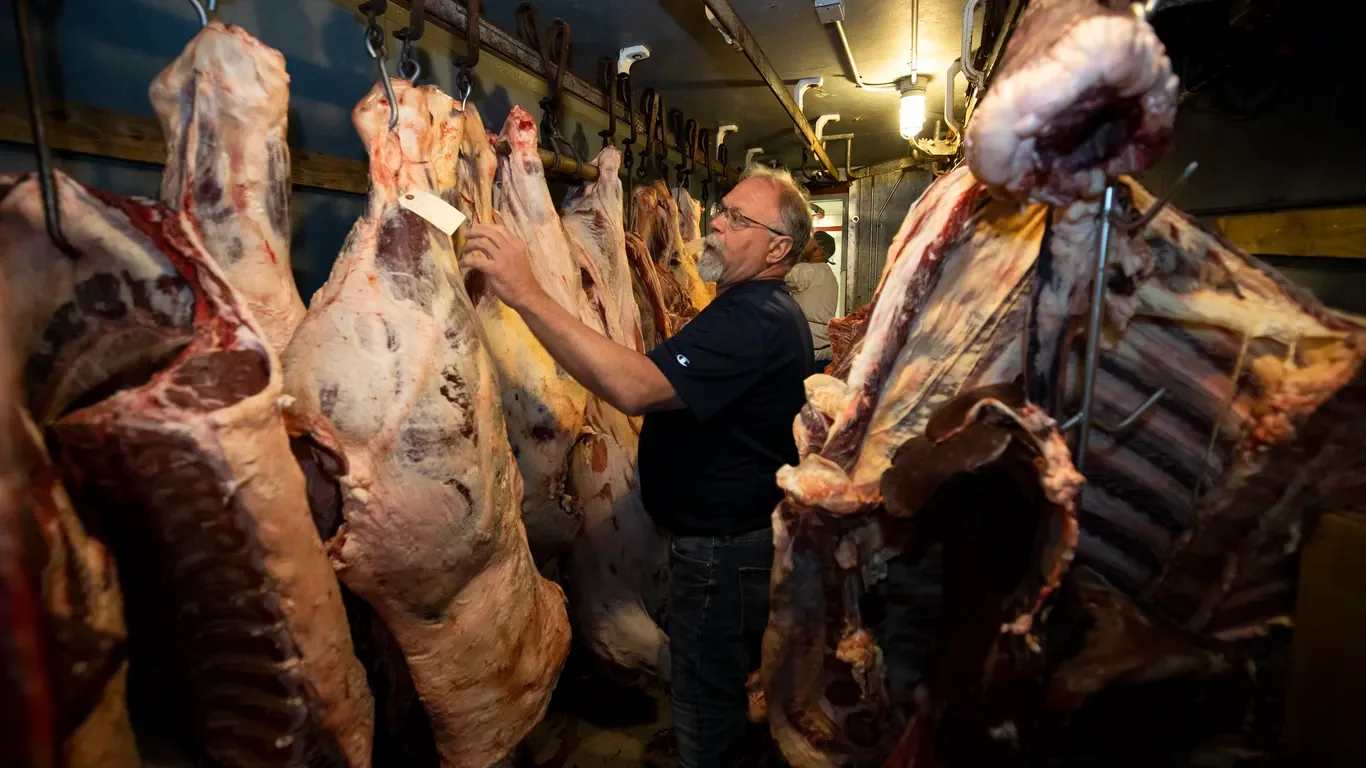
President Trump announced an investigation into the meatpacking industry for alleged collusion and price fixing amid rising beef prices, which have surged 13% year over year due to structural issues like drought and labor shortages. The move comes as the administration faces an affordability crisis and industry consolidation, with some companies previously settling price-fixing allegations. The investigation aims to address concerns over artificially inflated prices and foreign ownership influence, but the impact on prices remains uncertain.
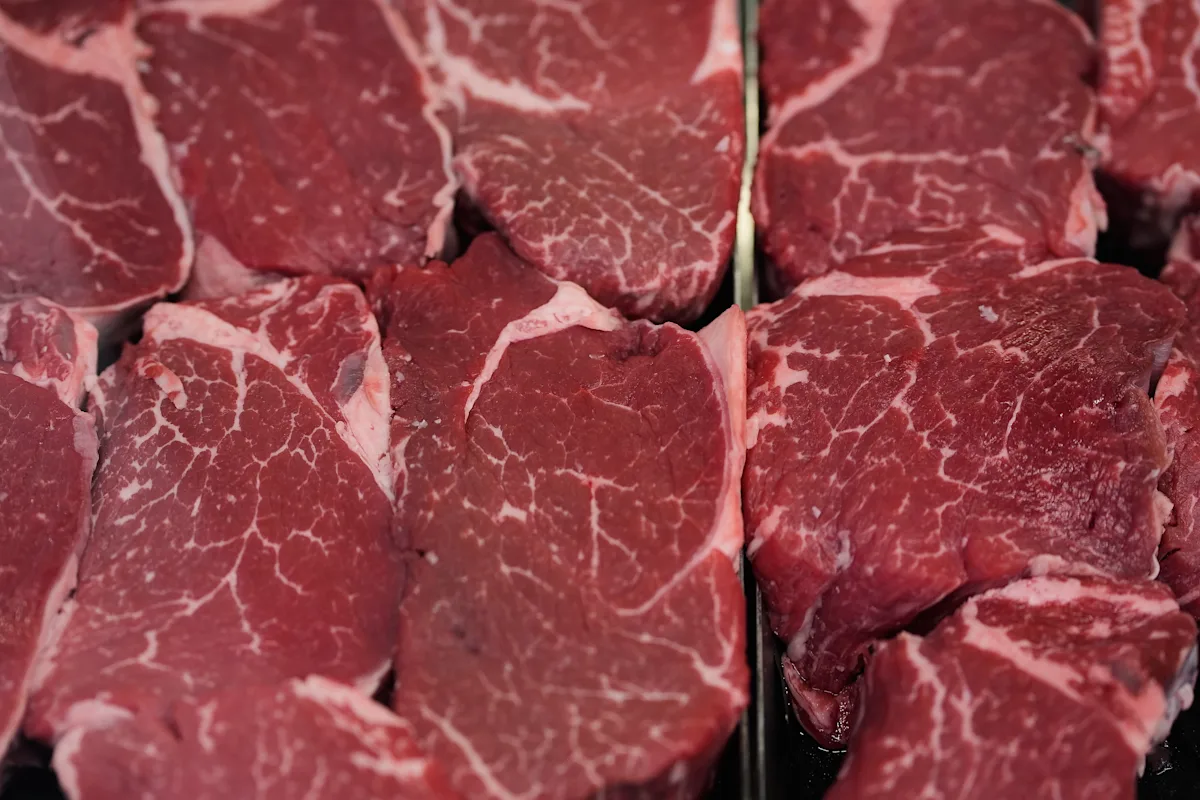
US ranchers oppose President Trump's plan to import more Argentine beef, citing concerns over their own profitability and skepticism from experts that such imports would significantly lower grocery prices, as Argentine beef accounts for only a small portion of imports and current market factors keep prices high.
President Trump proposed buying Argentinian beef to lower U.S. meat prices, which have been high due to drought and cattle pests, as part of efforts to control inflation and support Argentina's economy.
Beef prices are rapidly increasing with weekly adjustments, but meat lovers are still purchasing despite the rising costs, reflecting ongoing inflation and volatility in the meat industry.
Super Bowl party hosts are carefully budgeting for this year's event due to rising grocery prices, with some opting for more affordable options like hot dogs and chicken breasts instead of steaks. While some game day dishes like chicken wings and shrimp are seeing price decreases, others like steak and beef are up from last year. Hosts are employing strategies like comparison shopping and buying items on sale in advance to manage their food budget, with some even considering scaling back on spirits and drinks due to higher prices.
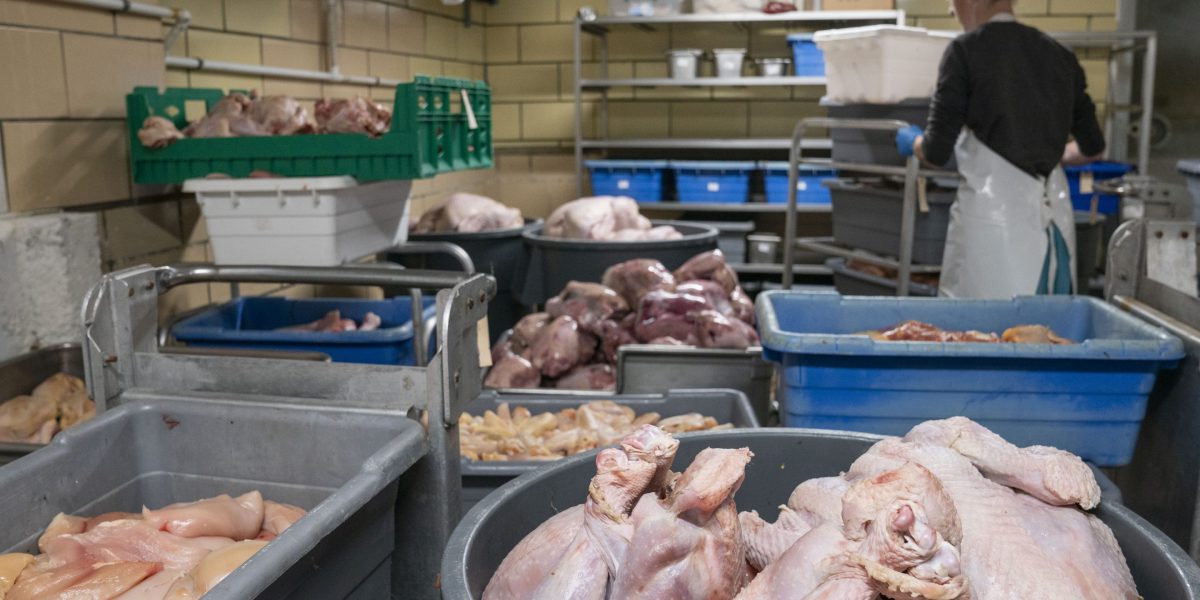
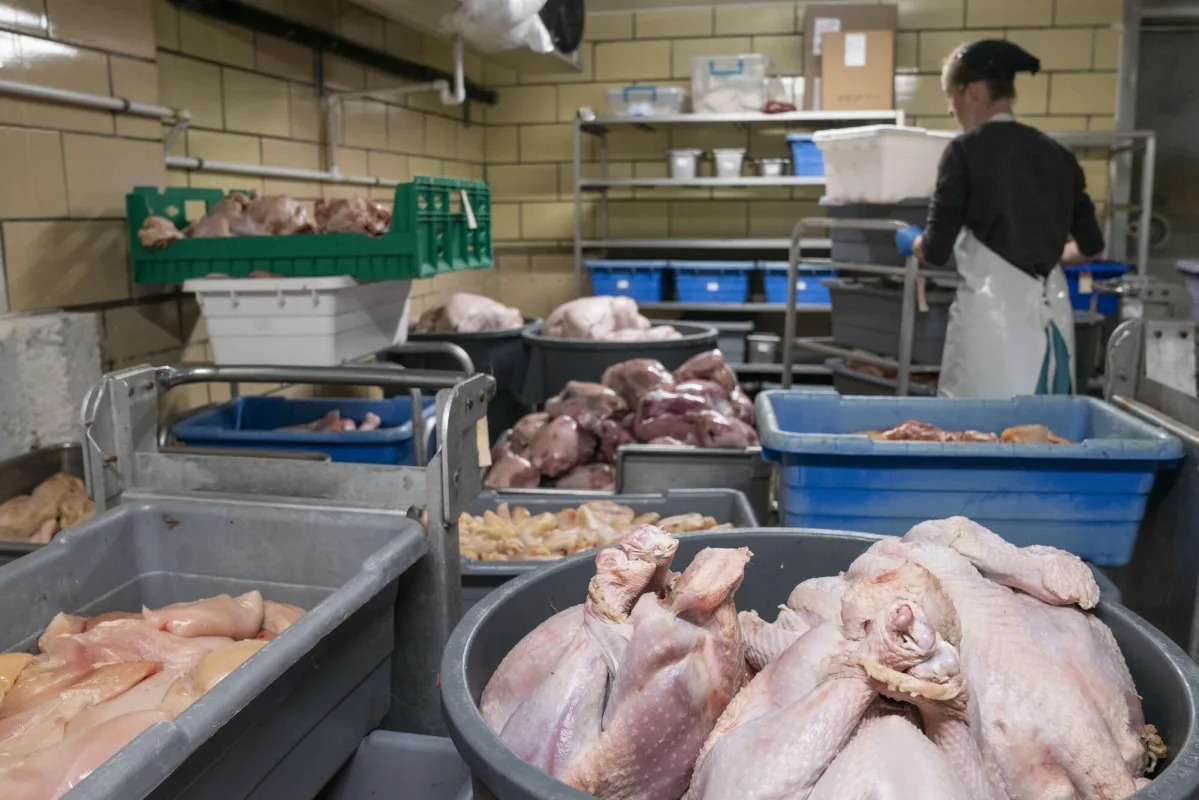
The emerging renewable fuel industry is expected to drive down meat prices in the US by creating a surplus of soymeal, a key animal feed ingredient. This surplus will result from processing soybeans to produce plant-based jet fuel and diesel, leading to lower feed costs for meatpackers and increased meat production. While it may take time for these cost savings to reach consumers, the drop in meat prices will provide relief to households grappling with inflation. The lower input costs will also benefit meatpackers, potentially leading to increased exports of surplus meat.
The emerging renewable fuel industry is expected to lower meat prices in the US by reducing the cost of animal feed, particularly soymeal, which is a byproduct of soybean processing. This will lead to increased meat production and ultimately result in lower prices at the grocery store, providing relief to inflation-fatigued households. However, it may take months or even years for these cost savings to reach consumers, and other factors such as corn availability, labor, logistical disruptions, and consumer demand also influence meat prices. Meatpackers are expected to benefit from lower input costs, and the surplus meat produced may be exported.
Tyson Foods reported anticipated losses in 2023 due to lower profit margins on pork and beef, as prices for both have fallen over the past year due to softer demand. The company's overall sales were little changed compared to last year, and all four of its major protein businesses are experiencing "unusual challenges." Tyson Foods also announced plans to lay off 10% of its corporate workforce and 15% of its senior management positions.