
"Assessing the Impact of Updated COVID-19 Boosters on Hospitalization and Emergency Care"
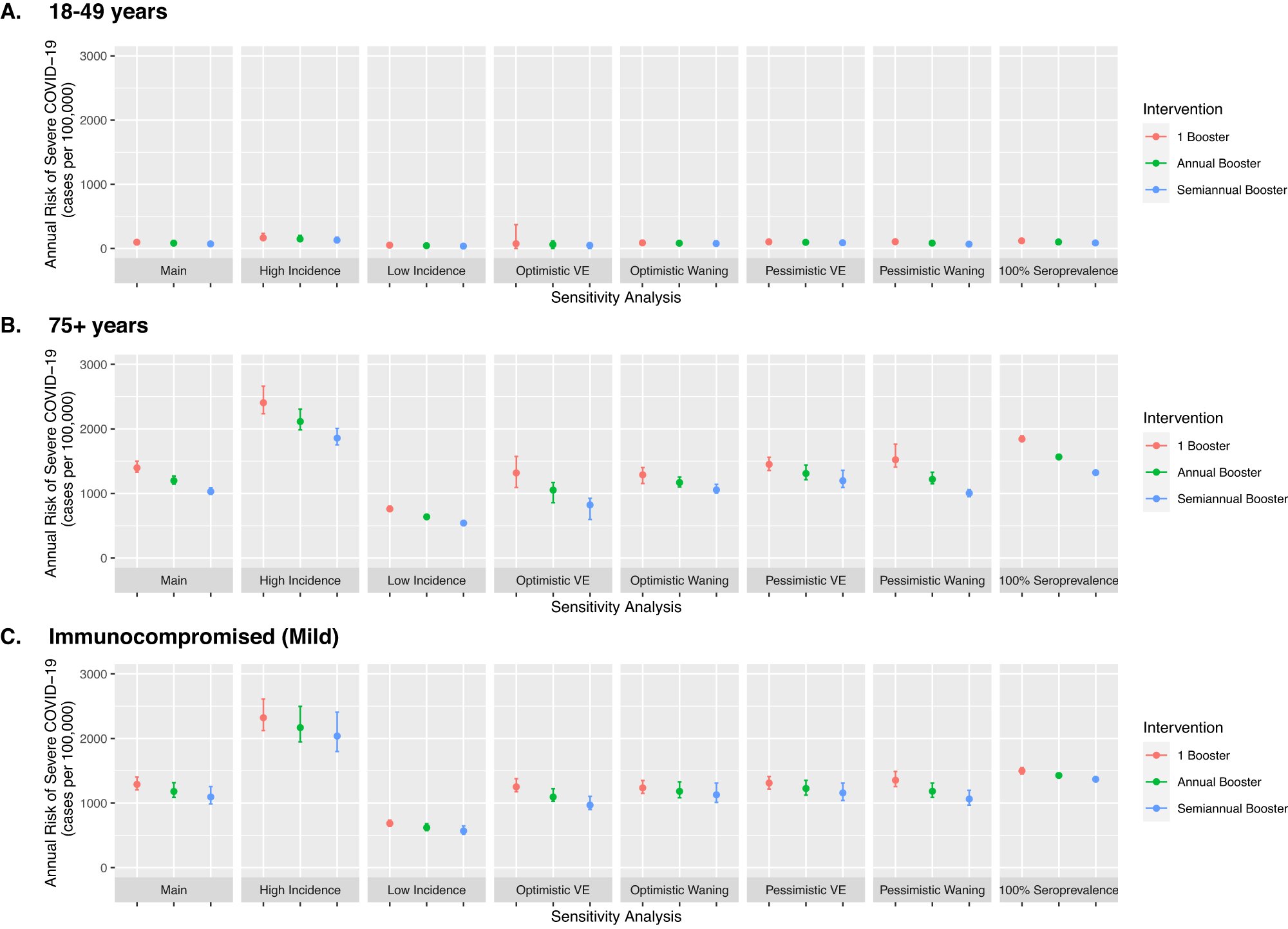
A study published in Nature Communications by researchers at Stanford Medicine used a simulation model to predict the frequency of COVID-19 vaccination that best prevents severe disease in different U.S. populations. The model suggests that older individuals and those who are immunocompromised benefit more from frequent boosters—at least annually—while the benefit for younger, healthier populations is more modest. The findings support current CDC recommendations and suggest that public health strategies should focus on high-risk populations to increase booster uptake. The model also considered factors such as novel variants, transmission, and prior COVID-19 infection, and the researchers plan to update the model with new data as it becomes available.
- Model estimates who benefits most from frequent COVID-19 boosters Medical Xpress
- Interim Effectiveness of Updated 2023–2024 (Monovalent XBB.1.5) COVID-19 Vaccines Against COVID-19–Associated Emergency Department and Urgent Care Encounters and Hospitalization Among Immunocompetent Adults Aged ≥18 Years — VISION an CDC
- Monovalent XBB.1.5 vaccine shows 51% protection against COVID hospitalization University of Minnesota Twin Cities
- Updated COVID-19 Vaccination Effective Against ED/Urgent Care Encounters HealthDay
- The fall COVID-19 shot's effectiveness, and other respiratory virus news this week The Globe and Mail
Reading Insights
0
1
5 min
vs 6 min read
90%
1,133 → 108 words
Want the full story? Read the original article
Read on Medical Xpress