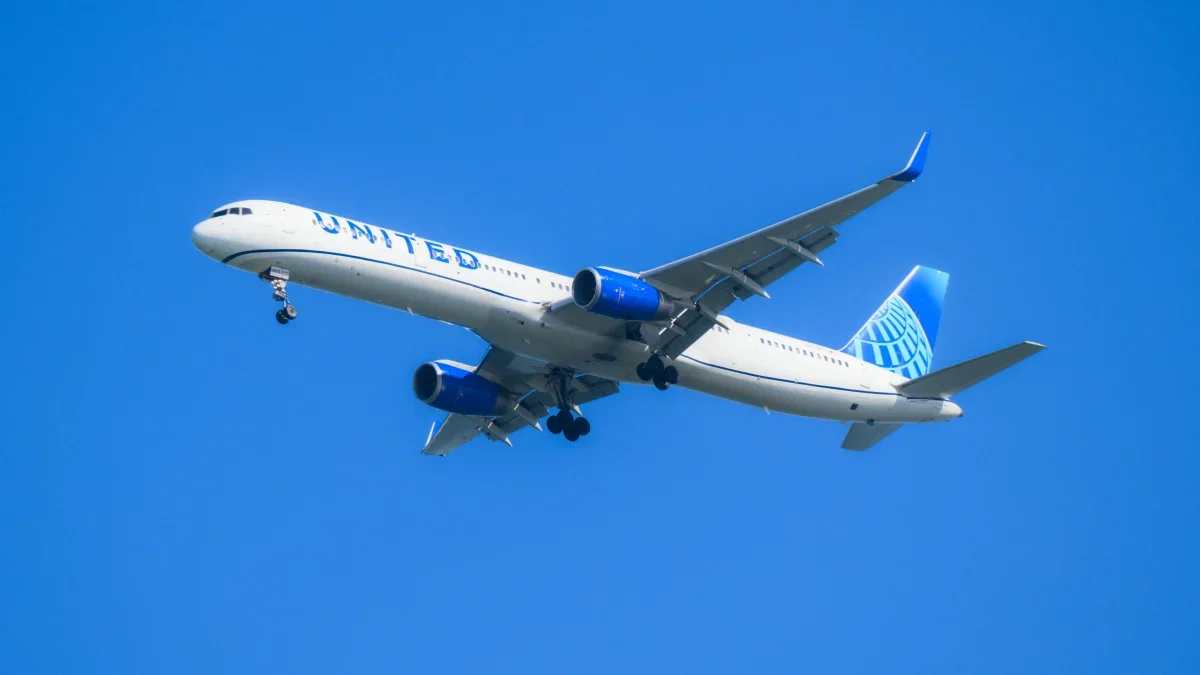
United Airlines updated its Contract of Carriage to explicitly empower the airline to remove or permanently ban passengers who refuse to wear headphones while listening to audio or video content; the rule sits among safety provisions and echoes similar guidance from other carriers, though United appears to be the first to codify headphone-wearing with enforcement potential.
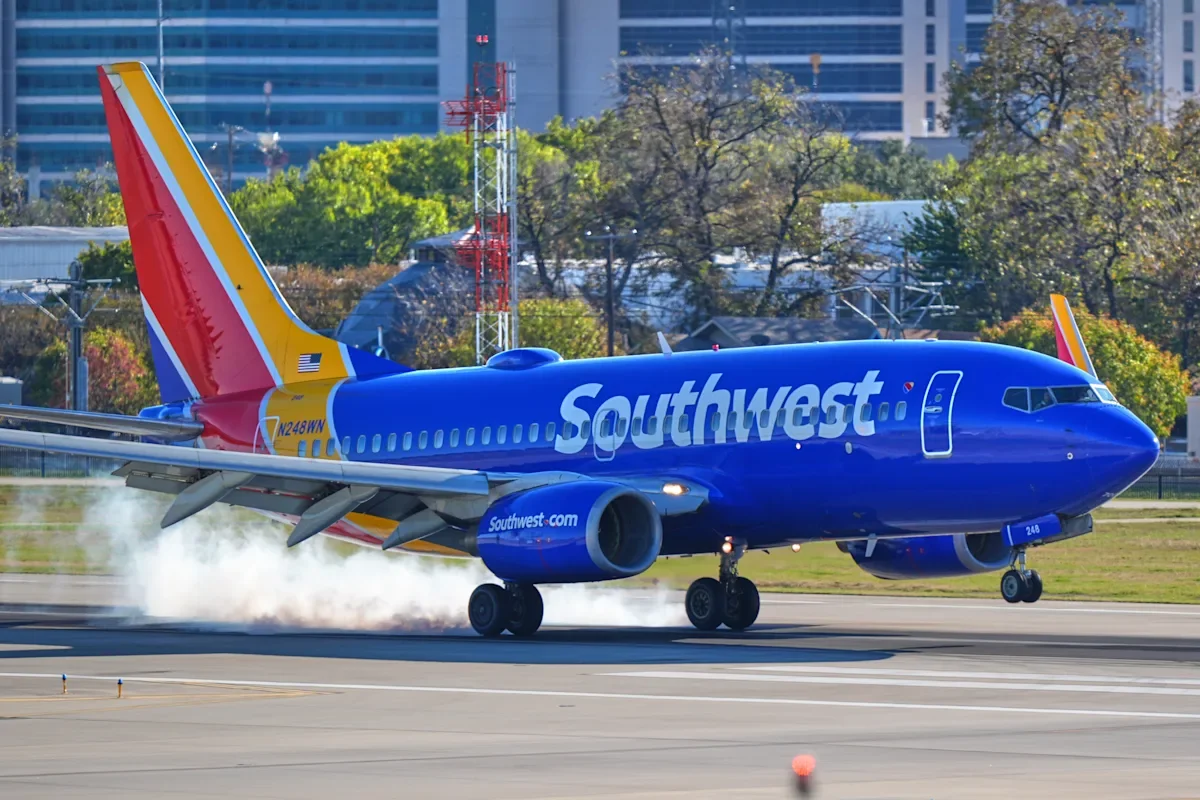
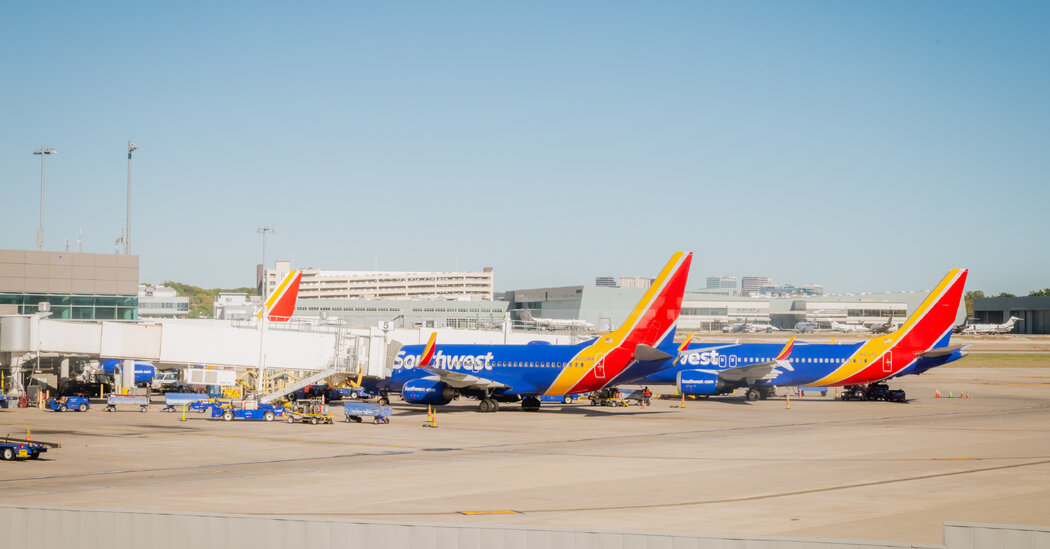
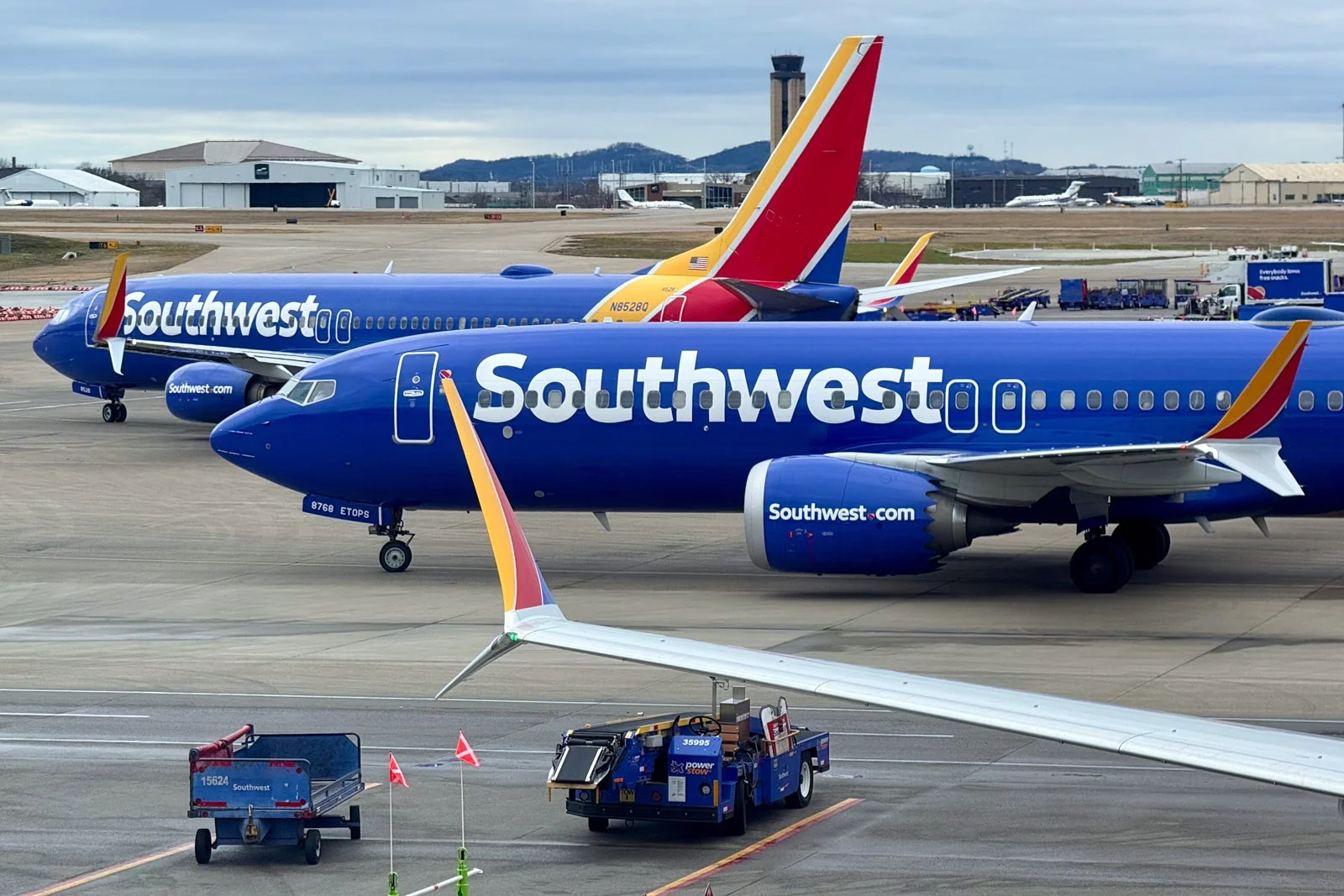
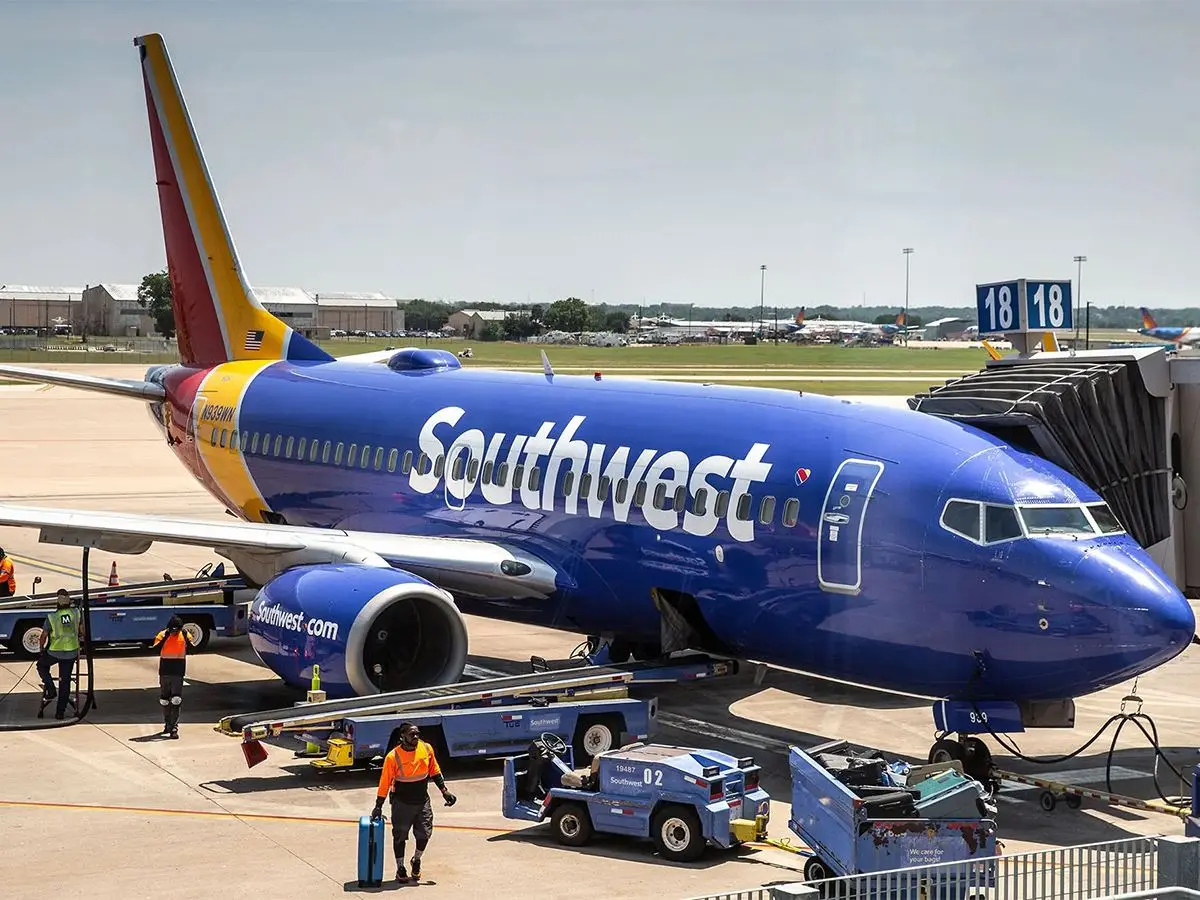
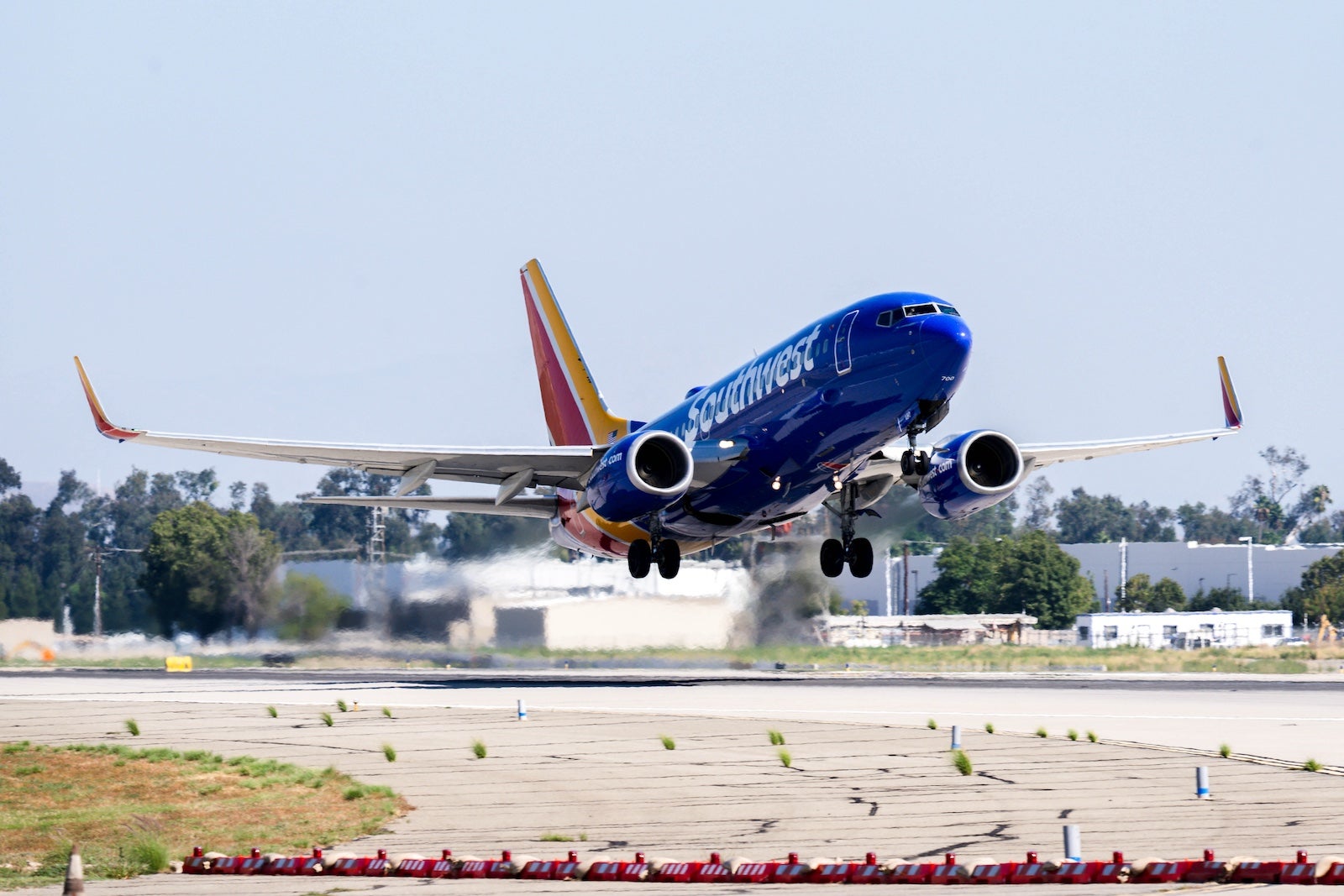
Southwest will switch from open seating to assigned seats starting Tuesday, offering standard seats with optional paid upgrades (preferred and extra legroom) and optional priority boarding. A new eight-group boarding system will place passengers based on seat location, fare class, loyalty status and benefits, with those buying extra-legroom likely in Groups 1–2 and basic-fare travelers in Groups 6–8. Passengers needing extra space must purchase an extra seat in advance, with refunds dependent on availability and fare class. Gate-area changes will roll out in phases over about two months. The move, part of a broader push to boost profitability and align with other carriers, follows Southwest’s earlier shifts away from long-standing perks.
Southwest Airlines is ending its open-seating system and moving to assigned seats with an eight-group boarding process, offering standard, preferred and extra-legroom seats plus paid priority boarding; families of nine or fewer will be kept in the same boarding group, while passengers who don’t fit in a single seat must buy an extra seat in advance and refunds are not guaranteed; the rollout, supported by investor pressure, includes phased gate-area changes over about two months and marks a major shift in the carrier’s traditional perks.
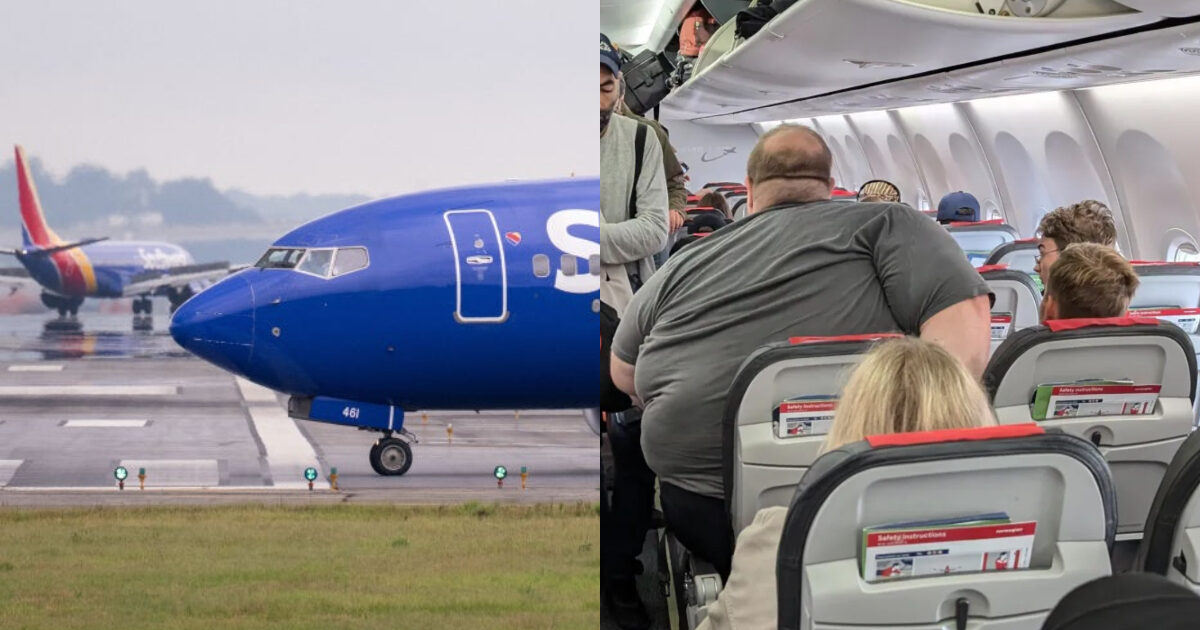
Southwest Airlines has introduced a new policy requiring plus-size passengers who don't fit within the armrests to pay for an extra seat, sparking mixed reactions online, especially in Korea, where the policy has gone viral. The policy allows refunds if the flight isn't fully booked, but not guaranteed, and will be implemented from January 27.
Southwest Airlines will require passengers who encroach on neighboring seats to buy an extra ticket starting January 27, 2026, replacing their previous flexible options, which may impact plus-size travelers and loyal customers.
Southwest Airlines will switch from open seating to assigned seats starting January 27, 2026, with seat selection available from July 29, 2025, including new premium extra legroom options. The airline is also revamping its boarding process into eight groups, prioritizing elite and higher fare passengers, as part of a broader shift to increase revenue and meet customer preferences.
A loyal Southwest Airlines passenger, upset over a new $35 baggage fee and increased stress due to policy changes, has publicly criticized the airline after being charged at the airport despite previous arrangements, leading him to switch to other airlines that better prioritize customer experience.
Southwest Airlines will begin ending cabin service earlier on flights starting December 4 to reduce the risk of turbulence-related injuries. Flight attendants will prepare the cabin for landing at 18,000 feet instead of 10,000 feet. This change aims to enhance safety for both crew and passengers, as turbulence has been a significant cause of in-flight injuries. Additionally, Southwest plans to end its open seating policy next year.
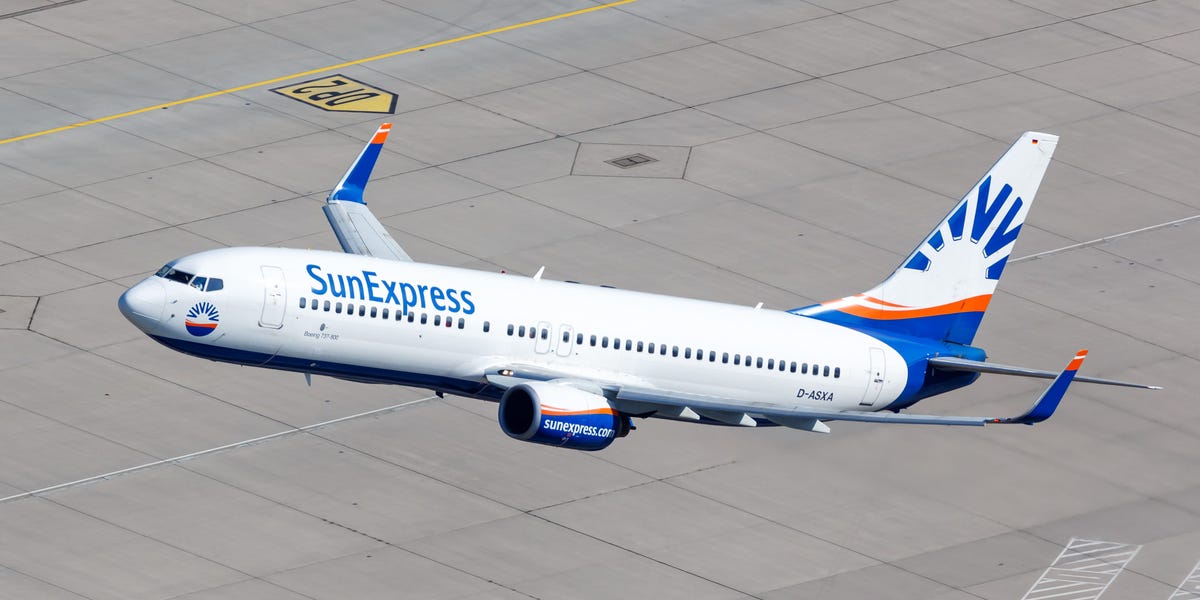
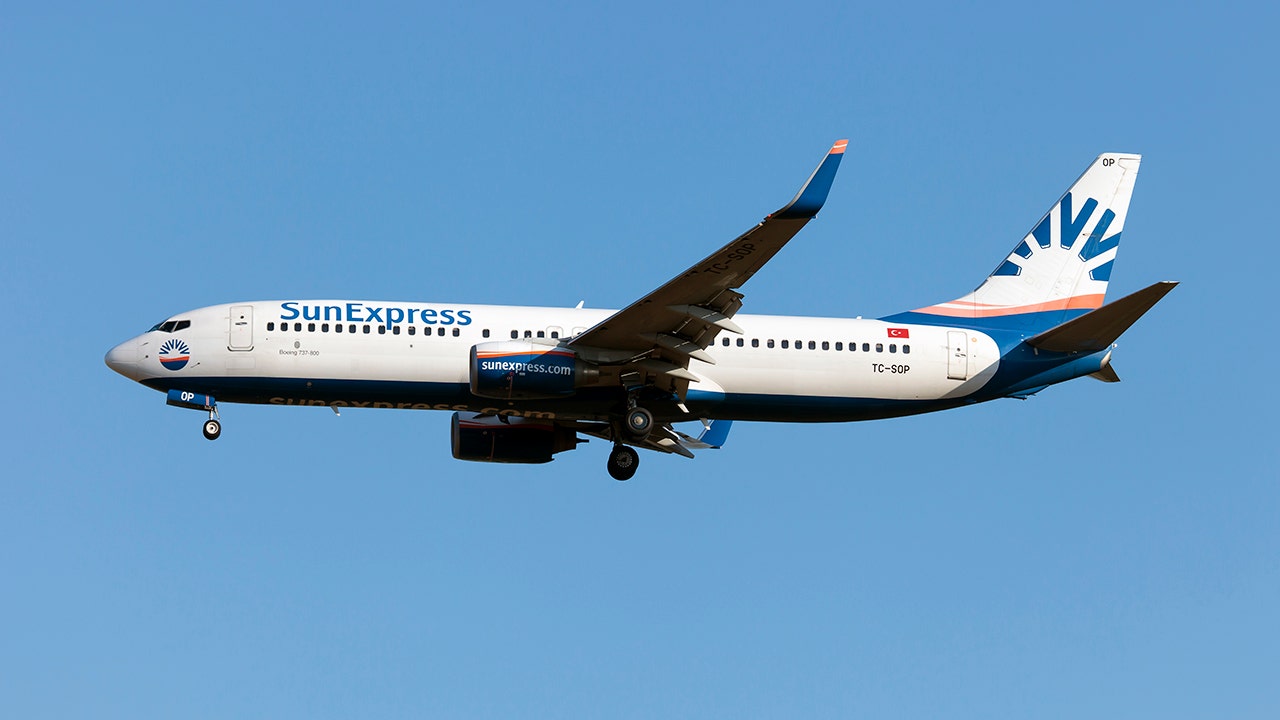
A family was removed from a SunExpress flight from London to Turkey after attempting to inform passengers about their daughter's severe peanut allergy, which the airline refused to announce. The airline cited policy and claimed the family did not notify them in advance, while the family disputed this and criticized the airline's handling of the situation. The incident underscores the challenges faced by travelers with allergies and the varying policies of airlines regarding allergen announcements.
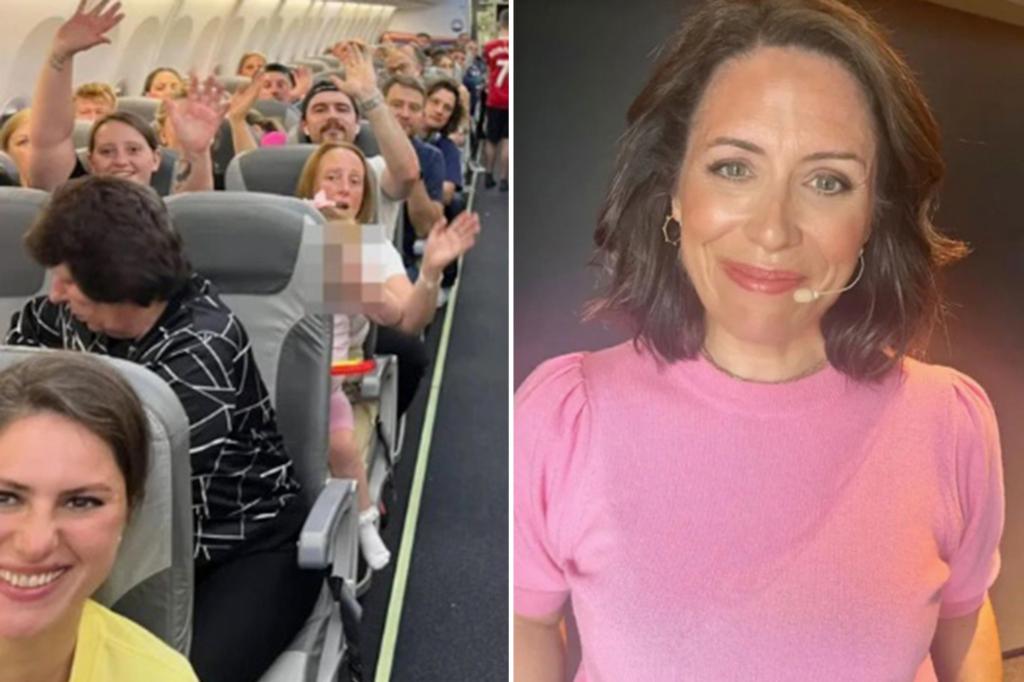
BBC weather presenter Georgie Palmer and her family were removed from a SunExpress flight after she asked passengers not to eat peanuts due to her daughter's severe allergy. The airline refused to make an announcement, and the pilot demanded the family disembark, citing safety concerns and alleged aggressive behavior. The incident has sparked debate on social media, with many siding with the pilot.
BBC weather presenter Georgie Palmer and her family were removed from a SunExpress flight from London to Turkey after requesting passengers not to eat peanuts due to her daughter's severe allergy. SunExpress defended the decision, citing their inability to guarantee a nut-free environment and claiming the family exhibited aggressive behavior, which Palmer denies. The incident has sparked a call for clearer airline policies on allergens.
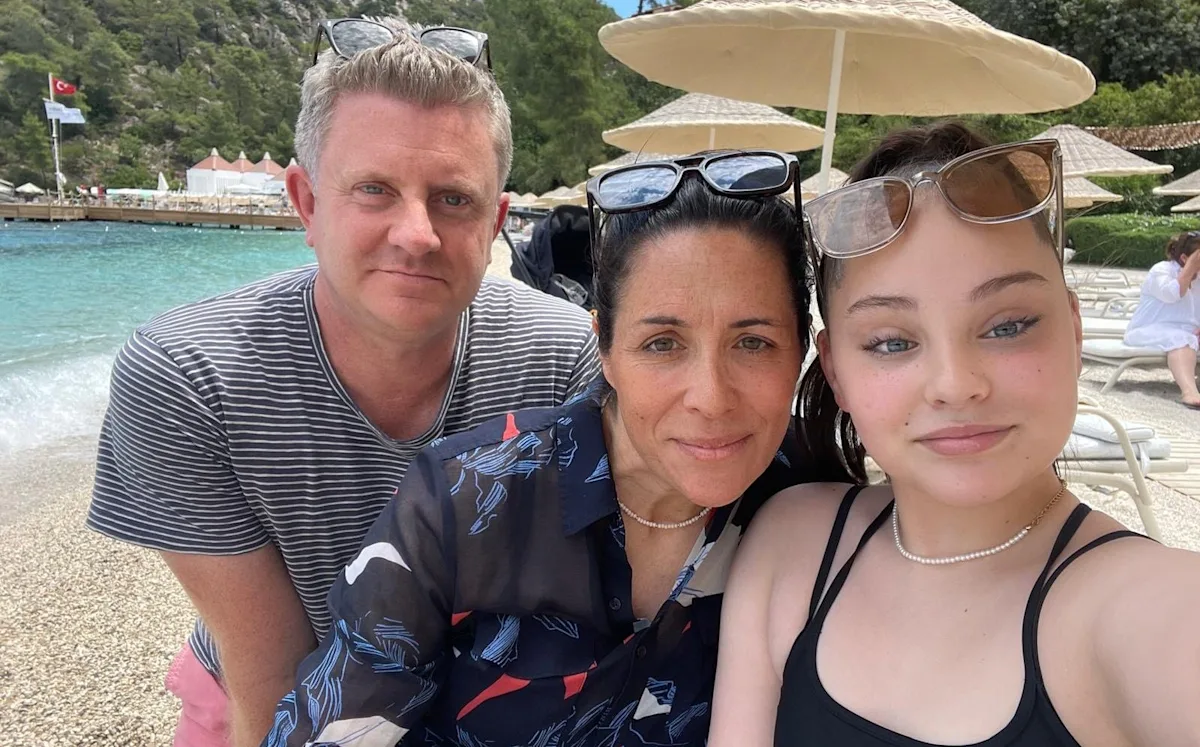
A British family was removed from a SunExpress flight from London to Turkey after the father requested an announcement asking passengers to refrain from eating peanuts due to his daughter's allergy. The airline refused, citing policy, and claimed the father became aggressive, which he denied. The family had to book a last-minute flight, costing them nearly $5,400. SunExpress is reviewing its booking process for better handling of allergy-related concerns.
A 12-year-old girl with a peanut allergy and her family were removed from a SunExpress flight at Gatwick Airport after the captain refused to ask passengers not to eat nuts. The family had to rebook flights and accommodations, costing them nearly £5,000. The airline stated it cannot guarantee an allergen-free environment and cited the family's insistent behavior as the reason for their removal. The incident has sparked criticism and calls for better airline policies regarding food allergies.
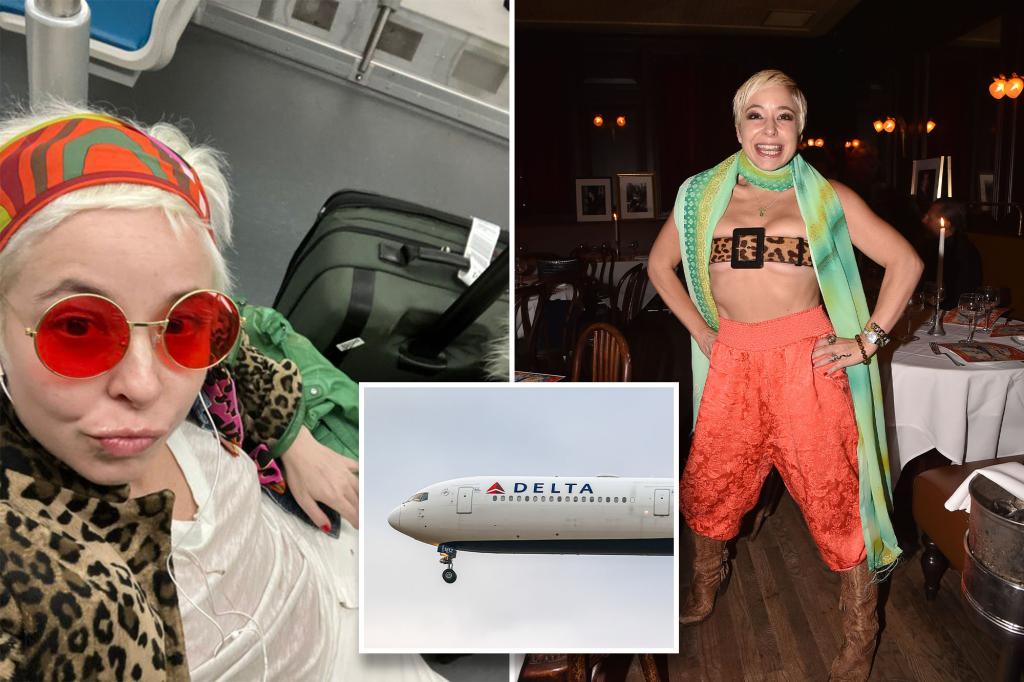
DJette Kiwi, a Delta passenger, was threatened with being kicked off a flight for not wearing a bra under a loose shirt, leading to demands for a meeting with the airline's boss to discuss the discriminatory policy. The passenger felt targeted and humiliated, claiming she was told her attire was "offensive" and "revealing." Her attorney, Gloria Allred, has written to Delta demanding a meeting to update the policies, emphasizing that women should not be required to wear a bra while men are not held to the same standard. Delta has apologized to the customer and stated that there are no plans for a lawsuit.
Southwest Airlines is making headlines for its "customer of size and extra seat" policy, which allows passengers who require more than one seat to proactively purchase the necessary number of seats prior to travel. This policy, which has been in place for over 30 years, permits up to a full row of three seats for passengers of size. Customers can purchase the additional seats in advance or request them for free at the airport. Southwest refunds all extra seat purchases for customers of size, even if the flight is oversold. The airline's unique boarding process does not assign specific seats, but passengers with an Extra Seat Boarding document can preboard to select seats that meet their needs. Southwest's policy is more generous than some other carriers, as it allows for pre-purchase and refunds, while others require the second seat to be purchased or only offer refunds if the flight is not full.