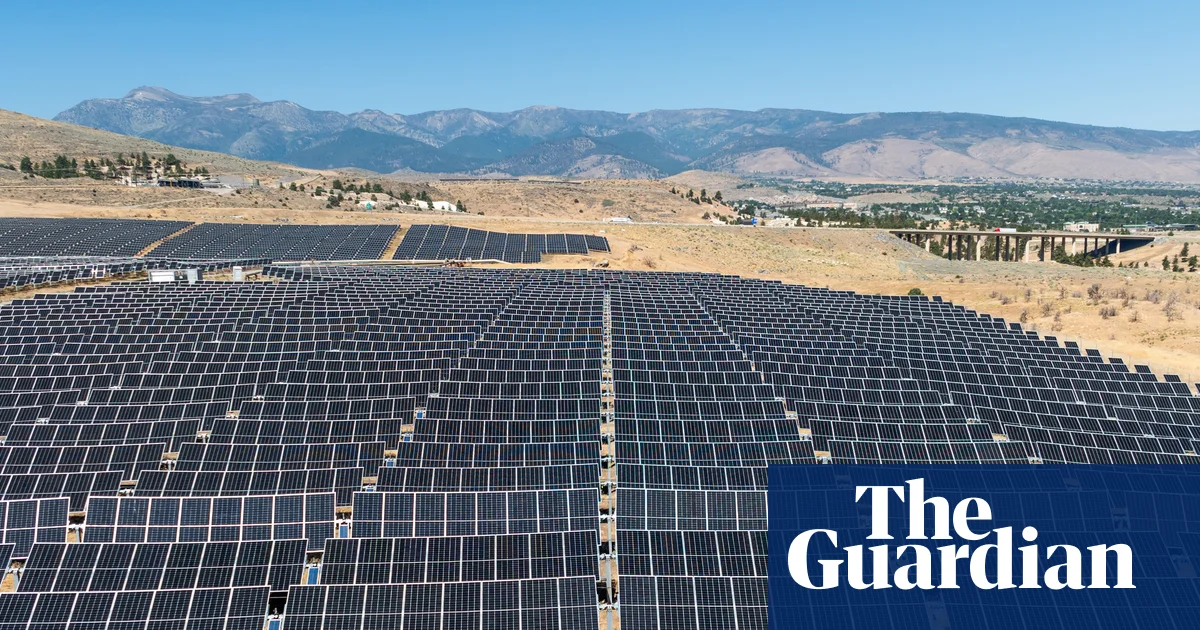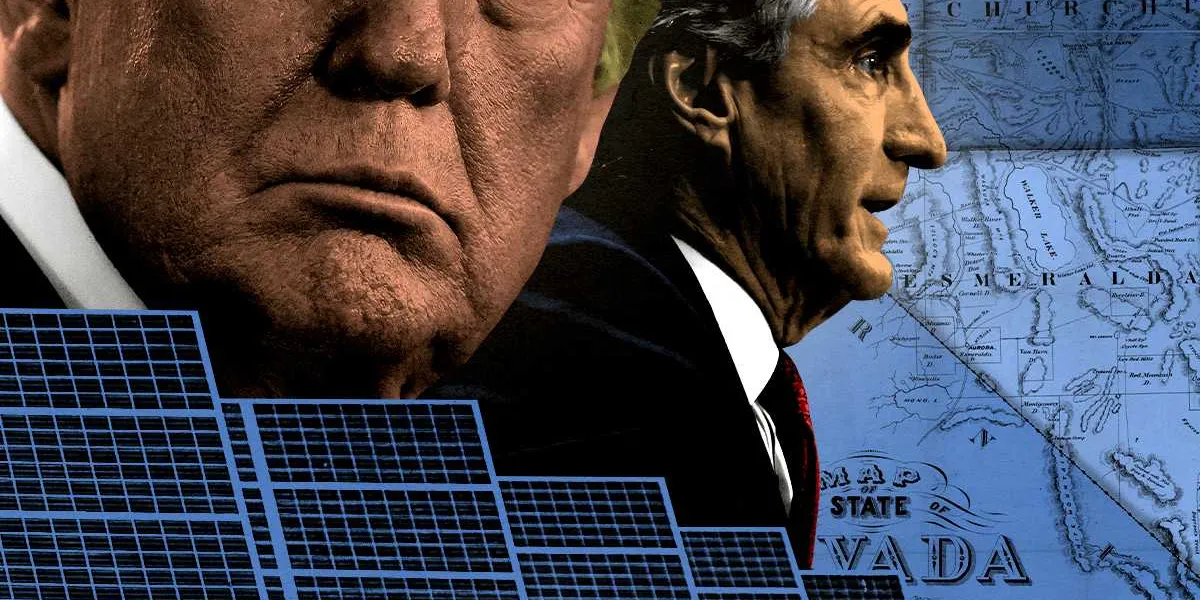
The Trump administration has canceled a major proposed solar project in Nevada, which was set to be one of the largest in the world, signaling a broader move against renewable energy projects on federal land. The project, involving multiple companies and capable of powering nearly 2 million homes, has been halted amid policy shifts and executive orders aimed at restricting renewable energy development on public lands.
The Esmeralda 7 solar project in Nevada, once planned to be the largest in the state with 6.2 GW capacity, has been canceled by the Bureau of Land Management, primarily due to federal permitting freezes enacted during the Trump administration, despite earlier progress under the Biden administration.
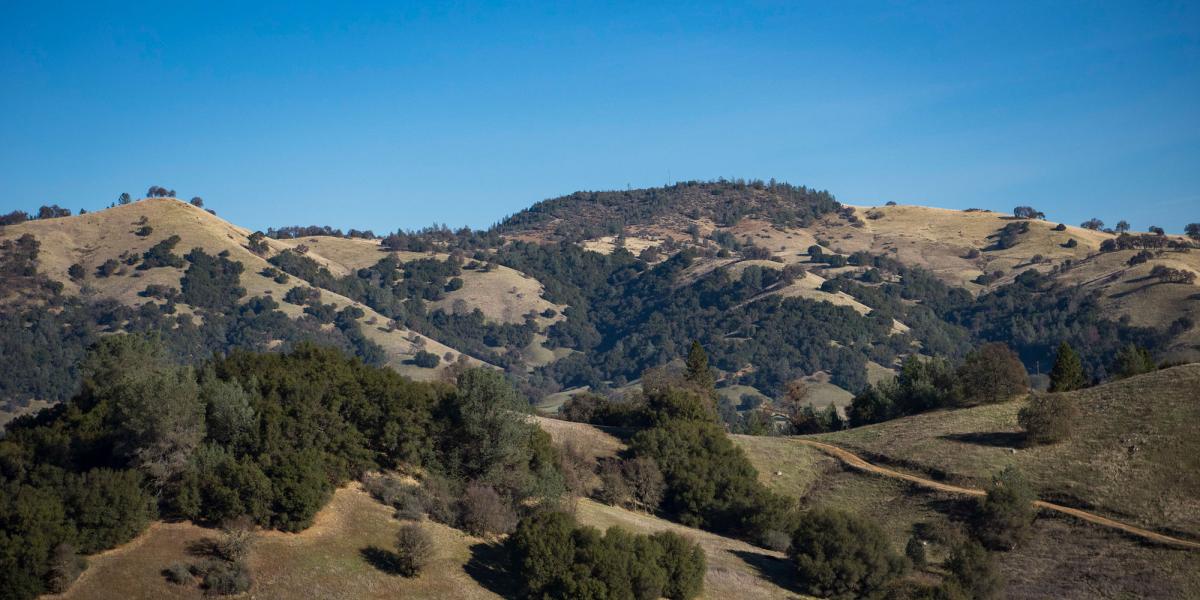
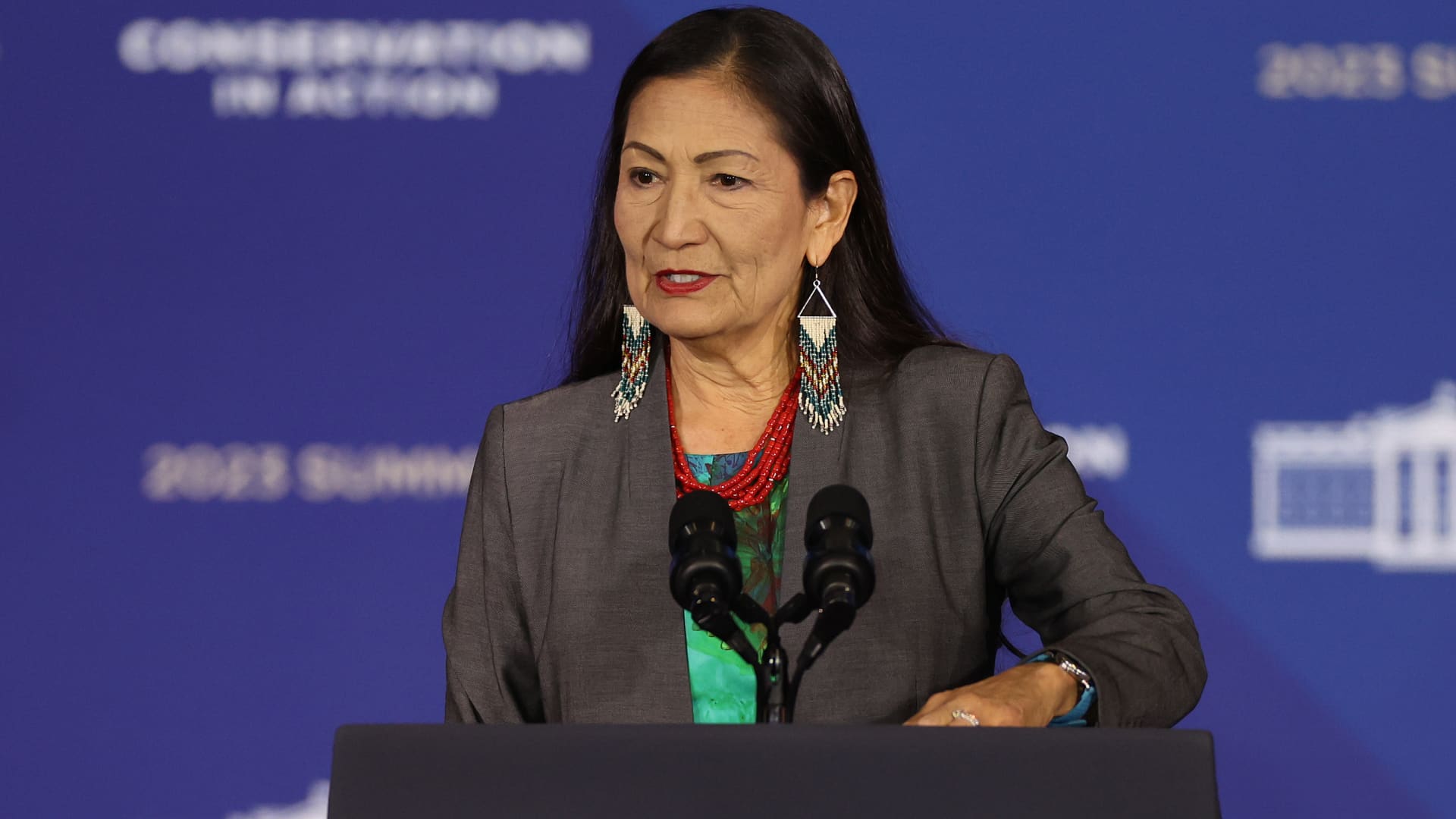
The Department of the Interior proposes to rescind the 2024 Public Lands Rule, which prioritized conservation over other land uses, in order to restore balanced, multiple-use management of federal lands, supporting local communities, energy development, and recreation.
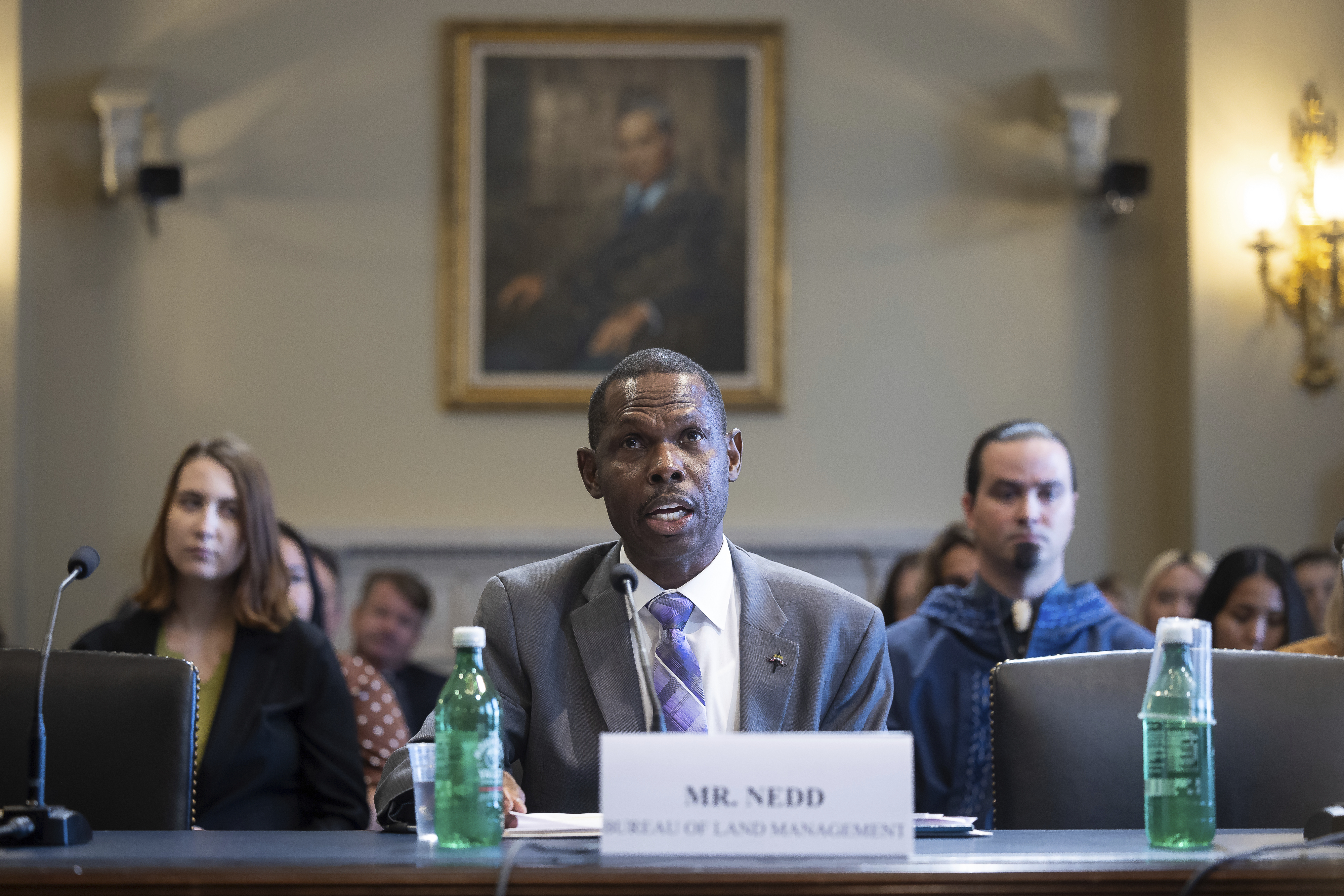
A senior BLM official, Mike Nedd, was removed from his position after opposing staffing directives from a DOGE appointee, highlighting ongoing personnel conflicts amid efforts to increase fossil fuel production on federal lands.
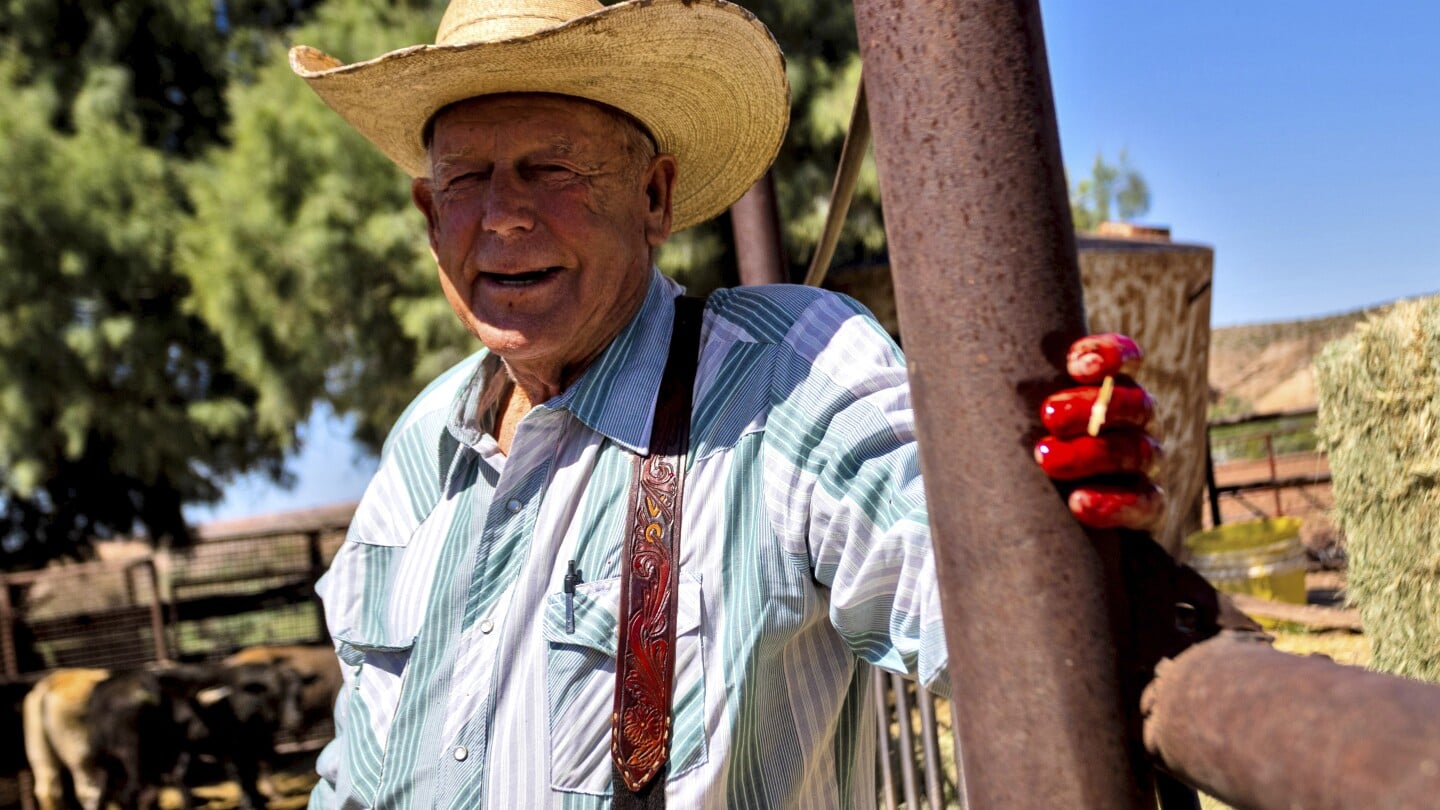
Ten years after an armed standoff with federal agents, Cliven Bundy's cattle are still grazing on disputed rangeland in Nevada. The standoff in 2014 led to the release of impounded Bundy cattle and a subsequent period of relative peace for the family. Despite owing over $1 million in unpaid grazing fees and penalties, the Bureau of Land Management has not taken action. The Bundy family continues to ranch, while conservation groups are suing to protect the desert tortoise and ecological values. The standoff has had lasting implications, with some seeing it as emblematic of insurrectionist movements in the United States.
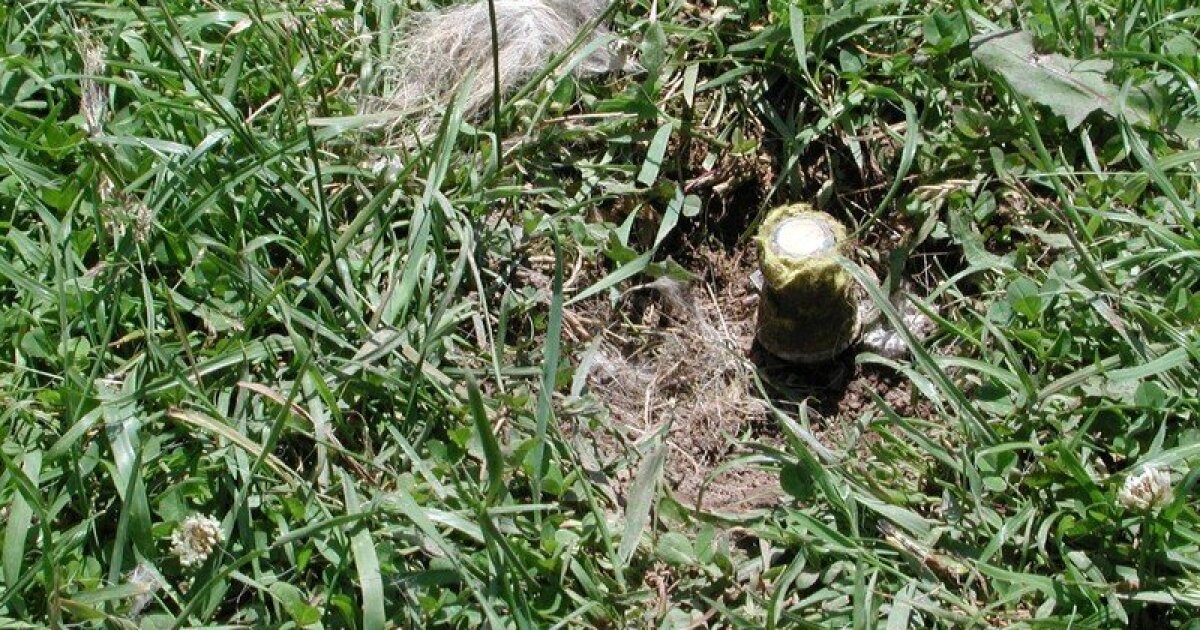
The Bureau of Land Management (BLM) has banned the use of "cyanide bombs" on its lands. These M-44 devices, used to control predators and protect livestock, release deadly poison when triggered. Environmental groups have praised the decision, citing the indiscriminate nature of the devices and the risk they pose to people and animals. Last year, M-44s killed over 5,000 animals, including unintentional deaths. While the ban applies to BLM-administered lands, the devices are still allowed on U.S. Forest Service lands and in some states. Wildlife agents are urged to refrain from deploying them on any public lands, and alternative predator control methods are available to livestock producers.
The family of two American hostages freed by Hamas terrorists has accused Black Lives Matter activist Shaun King of lying about his involvement in securing their release. King claimed to have worked "frantically behind the scenes" to help secure their freedom, but the family denies any affiliation with him and says he did nothing to assist. King has shared screenshots of alleged conversations with the family member who reached out to him, but it is unclear if the family was aware of these recordings. The hostages were released due to the declining health of one of the captives, and the government of Qatar played a role in securing their release.
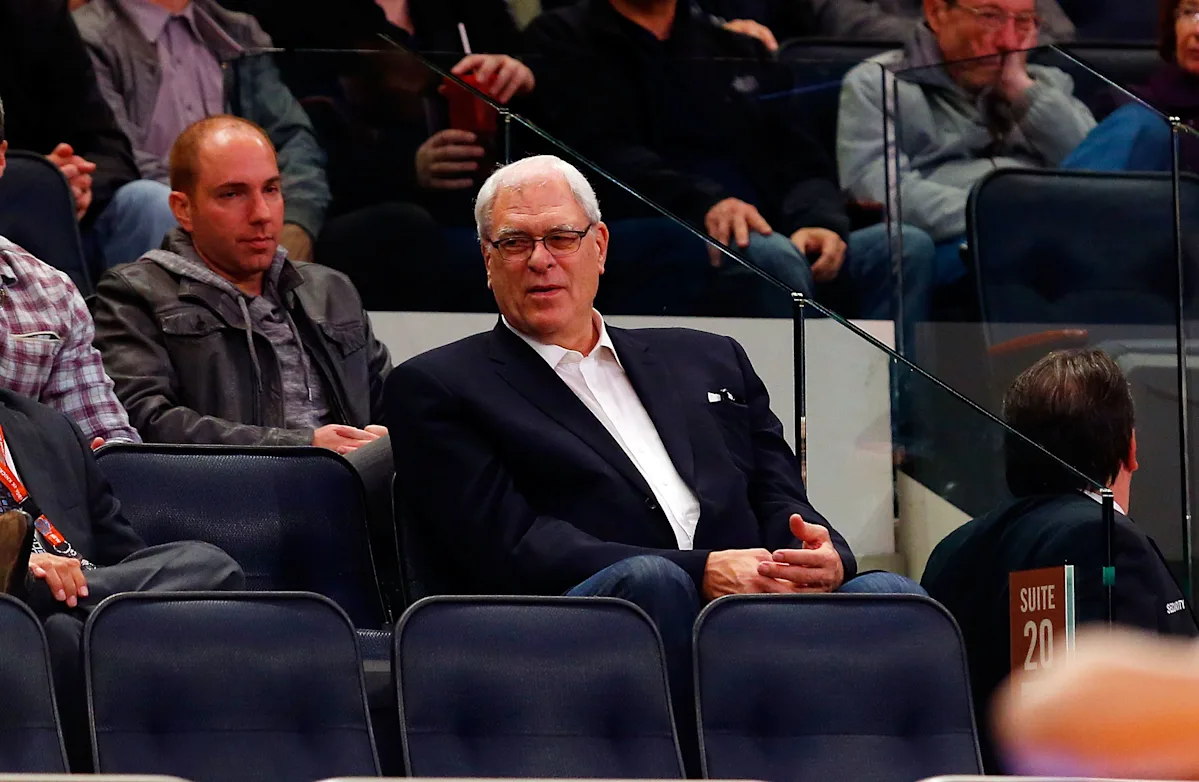
Former NBA coach and executive Phil Jackson clarified that he didn't mean anything derogatory when he said he stopped watching basketball after the 2020 season because of slogans on players' jerseys. He said he meant it only in a humorous sense and had nothing against BLM or the cause behind it. The NBA allowed players to put words and phrases on the backs of their jerseys in a show of support for the fight against systemic racism in the United States. Jackson won 11 NBA titles as a coach with the Chicago Bulls and Los Angeles Lakers.
The Biden administration has proposed a new rule that would allow the Interior Department to lease public lands for conservation, similar to how the agency delivers leases for oil and gas development and mining projects. The Interior's Bureau of Land Management (BLM) manages more than 245 million acres of public land located primarily in a dozen western states. The proposal comes after the Interior earlier this month approved a major and controversial oil drilling plan in Alaska, known as Willow. The Biden administration has pledged to achieve net-zero carbon emissions by 2050, a goal that includes conserving and restoring lands critical for carbon sequestration.