
Tag

Cyanide Bombs

All articles tagged with #cyanide bombs

environment2 years ago

"Victory for Wildlife: US Public Lands Ban 'Cyanide Bombs'"

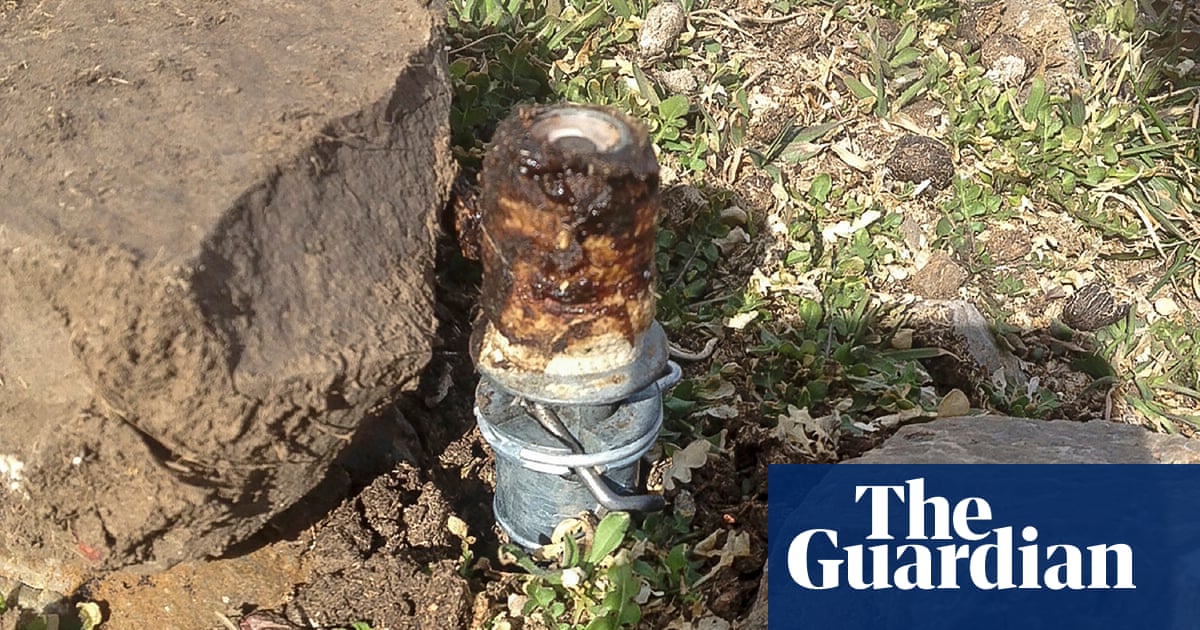
The US Bureau of Land Management (BLM) has banned the use of "cyanide bombs" on public lands, a move celebrated by wildlife conservationists. These devices, also known as M-44s, were used by the US Department of Agriculture's Wildlife Services to kill predators and other wildlife. The ban builds on previous decisions by states like Oregon to prohibit the use of cyanide bombs. Advocates hope that the BLM's decision will encourage other land management agencies and state governments to follow suit. The use of cyanide bombs has resulted in the unintended deaths of non-target animals, including endangered species and pets.
environment2 years ago

BLM Bans Cyanide Bombs for Coyote Control

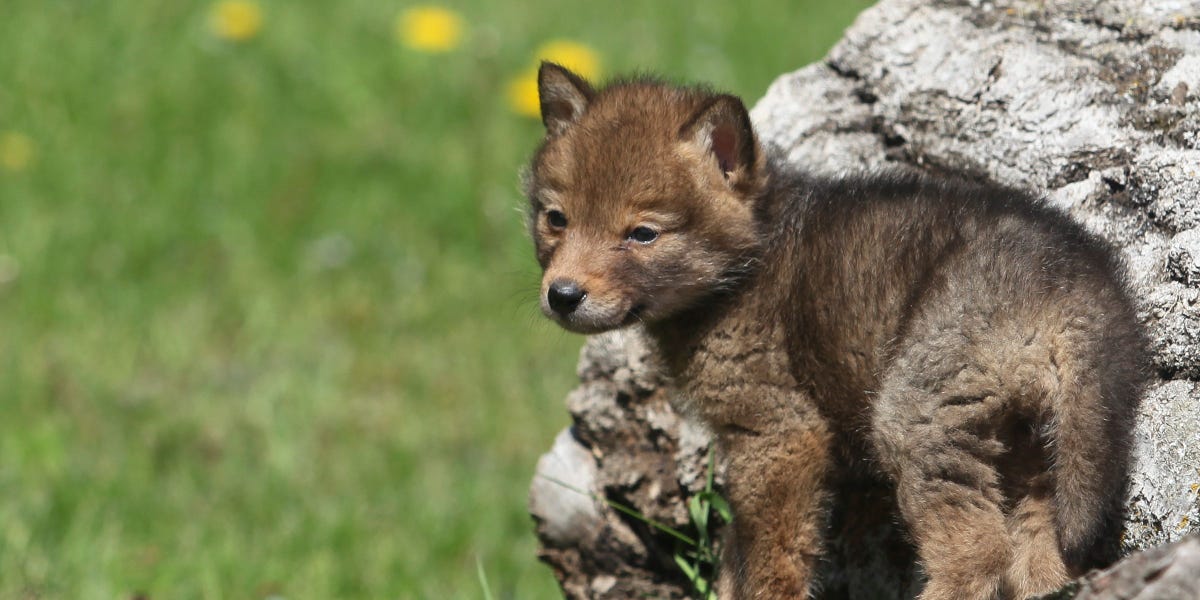
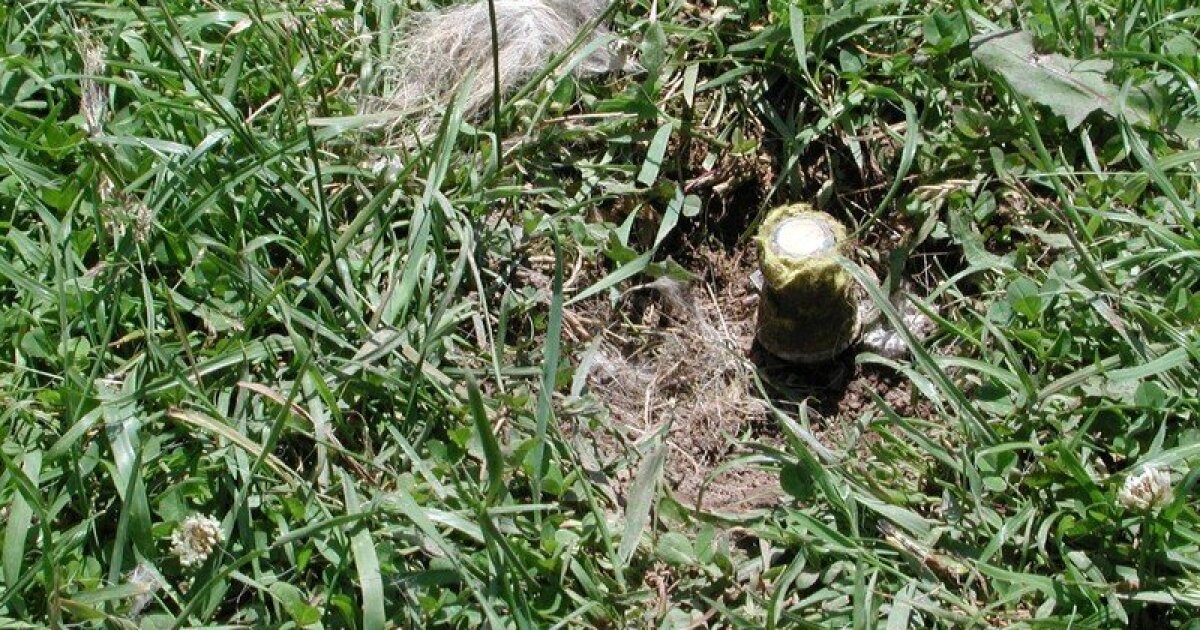
The Bureau of Land Management (BLM) has announced that it will no longer allow the use of 'cyanide bombs' to kill coyotes and other species on its land. The M-44 spring-loaded traps filled with cyanide have been used for decades, but critics argue that they harm other animals, including endangered species. The BLM's decision follows existing bans or use-limitations in Idaho, Oregon, California, and Washington. The traps, also known as "cyanide bombs," have unintentionally killed thousands of pets and non-predator wildlife. The ban is effective immediately, but can be reversed with 60 days' notice.

environment2 years ago

BLM Celebrates Ban on Cyanide Bombs, Protecting Wildlife on US Public Lands

The Bureau of Land Management (BLM) has banned the use of "cyanide bombs" on its lands. These M-44 devices, used to control predators and protect livestock, release deadly poison when triggered. Environmental groups have praised the decision, citing the indiscriminate nature of the devices and the risk they pose to people and animals. Last year, M-44s killed over 5,000 animals, including unintentional deaths. While the ban applies to BLM-administered lands, the devices are still allowed on U.S. Forest Service lands and in some states. Wildlife agents are urged to refrain from deploying them on any public lands, and alternative predator control methods are available to livestock producers.