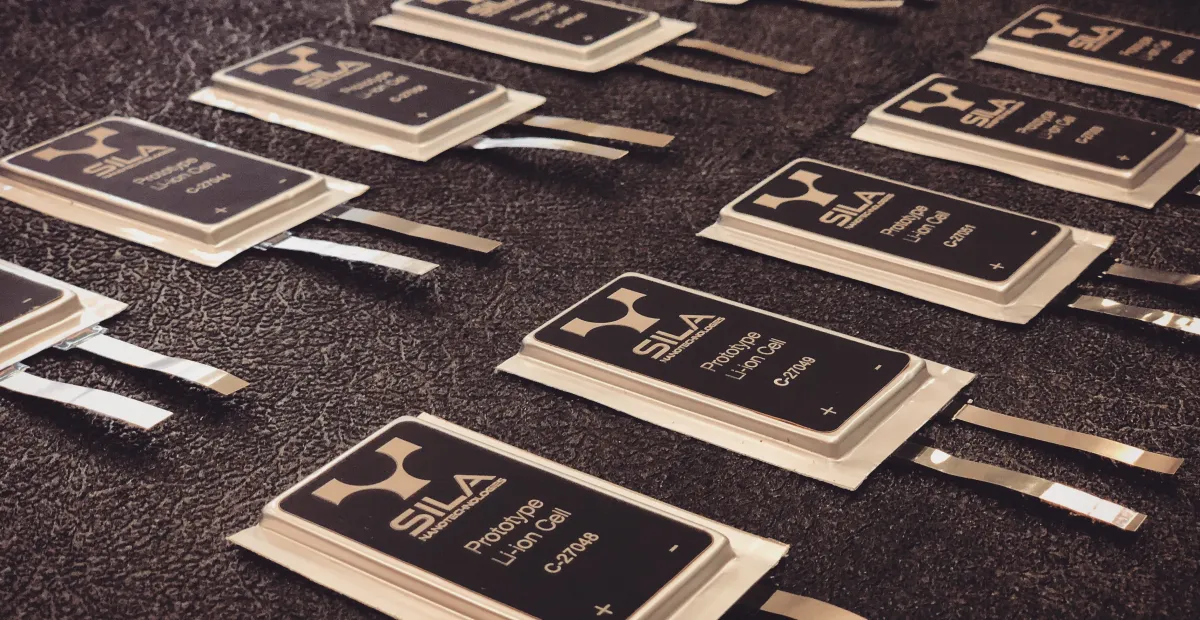
While global smartphone manufacturers are adopting silicon-carbon batteries to create smaller or more powerful phones, major US companies like Apple, Samsung, and Google have yet to incorporate this technology, leading to a gap in innovation in the US market.
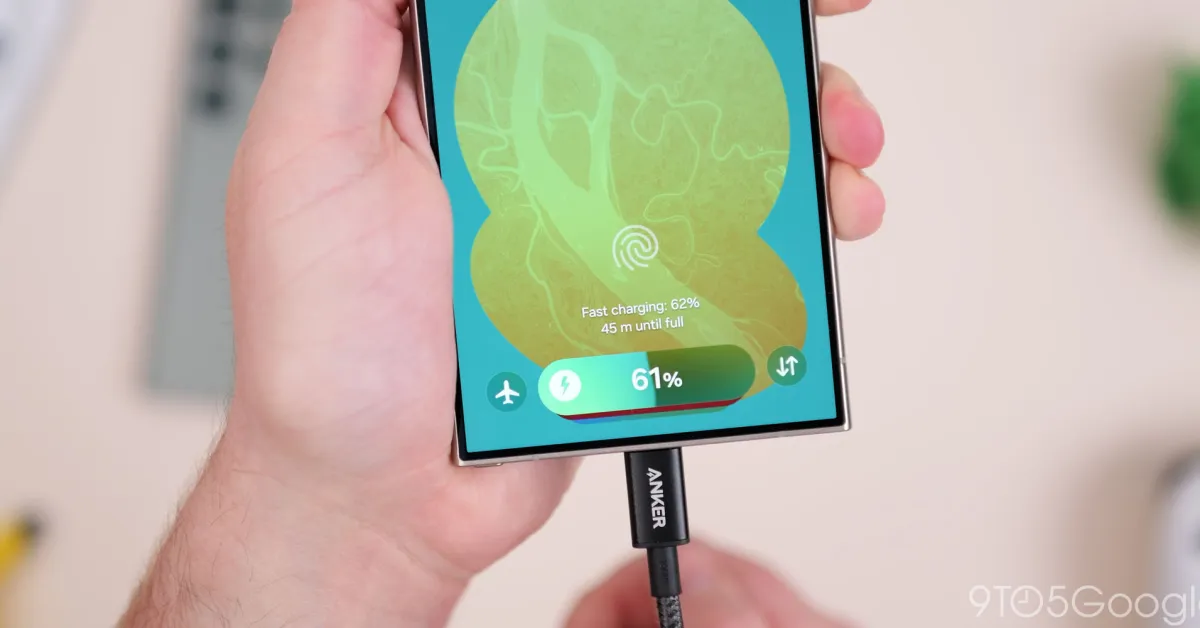
Samsung's Galaxy S26 Ultra is expected to retain its 5,000mAh battery capacity from previous models, but will support faster charging up to 60W, despite rumors of larger batteries. The transition to silicon-carbon batteries is delayed, and software optimizations may improve efficiency, but physical battery size remains a limiting factor.
Silicon-carbon batteries offer higher energy density for smartphones, enabling slimmer devices with larger batteries, but their adoption is limited due to regulatory challenges and faster aging caused by expansion issues. Companies like Nothing are experimenting with software-limited capacities to mitigate lifespan problems, but widespread use remains constrained until these technical and regulatory hurdles are addressed.
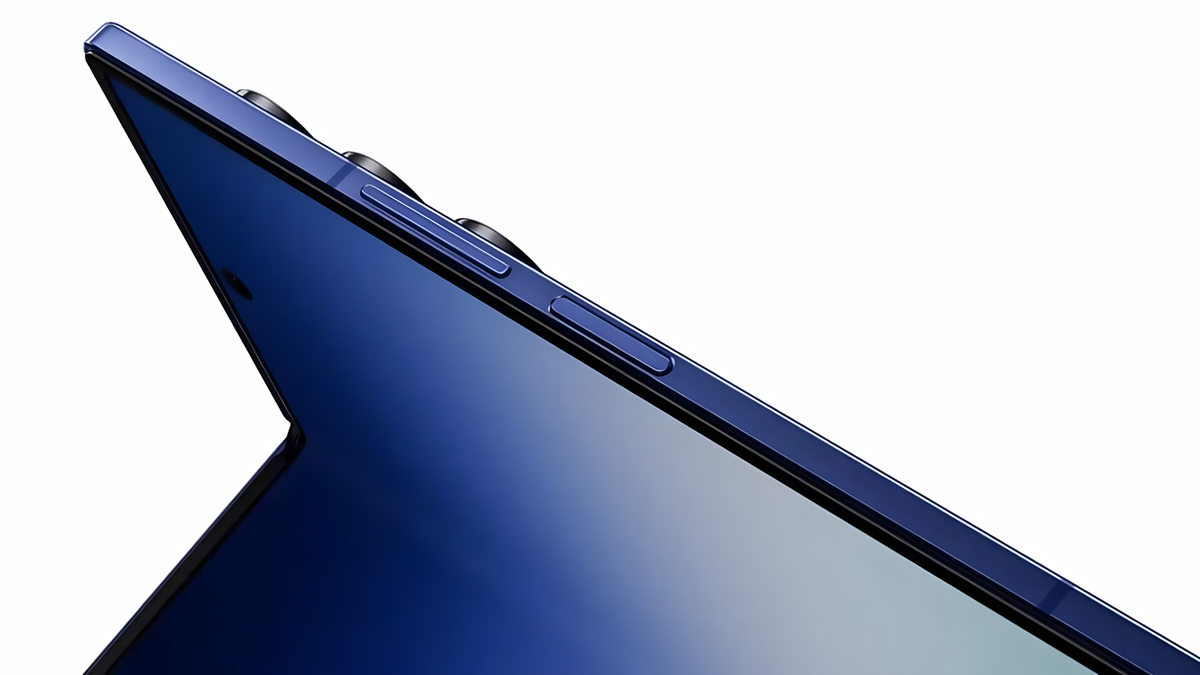
The upcoming Samsung Galaxy Z Fold 7 is expected to have a disappointing 4,400 mAh battery, similar to its predecessor, due to Samsung's reluctance to adopt denser silicon-carbon batteries, which competitors are already using to achieve slimmer designs and better battery life. This reluctance may stem from higher costs, licensing issues, or past safety concerns related to battery design. Despite advancements in battery technology and Samsung's own solid-state batteries, the company seems hesitant to innovate in this area, potentially putting the device at a disadvantage against rivals like Oppo, Vivo, and Honor, which are already offering more advanced foldable phones with larger batteries.