Nike is laying off 775 US employees—mostly distribution-center workers in Tennessee and Mississippi—as it accelerates automation to streamline operations and boost profitability, continuing a multi-year cost-cutting effort under CEO Elliott Hill.
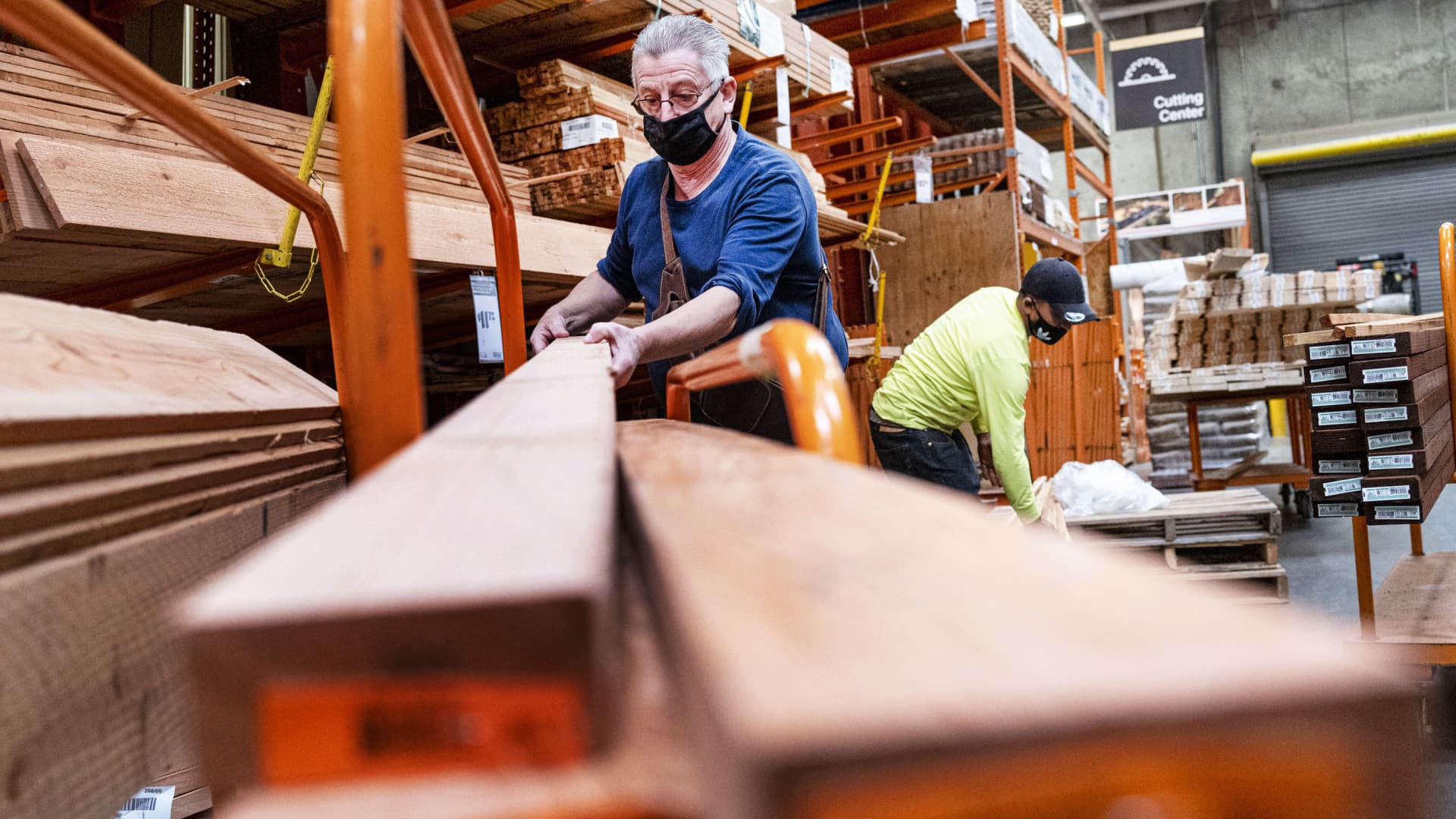
Home Depot is set to open four new distribution centers in Detroit, Los Angeles, San Antonio, and Toronto to cater to home professionals, aiming to boost sales from remodelers and contractors. With a focus on attracting pros who handle larger projects, the company is expanding its capabilities to serve their needs, including offering trade credit, expanding its sales force, and adding digital tools and a loyalty program. As the company aims to return to growth amid a slowdown in home improvement projects, it sees winning more of pros' business as crucial, given their steadier and bigger spending compared to DIY customers.
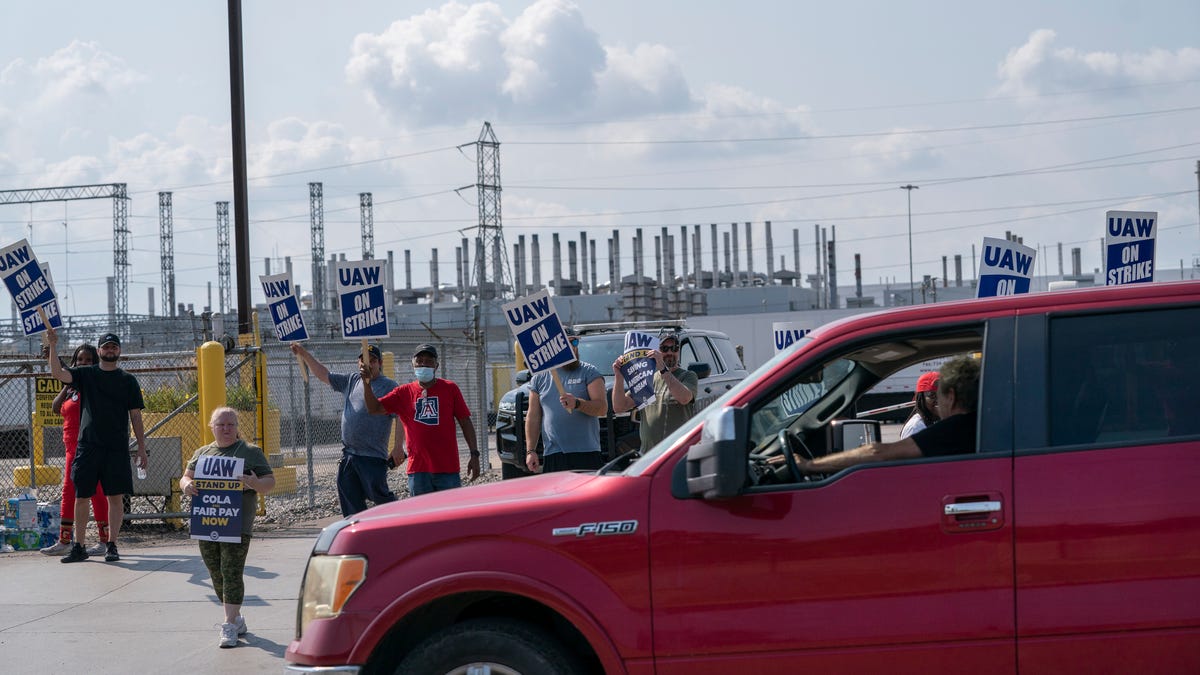
United Auto Workers (UAW) members expanded their strike against the Detroit Three automakers, with workers walking out of 38 GM and Stellantis distribution facilities across the US. The strike now includes an additional 5,625 workers across 20 states, adding to the nearly 13,000 already on strike. The distribution centers, which supply parts for repairs, have been described as "underrepresented" and "left behind" by UAW President Shawn Fain. Striking workers are demanding economic justice, fair wages, and job security, highlighting the disparity between their wages and the high salaries of company executives.
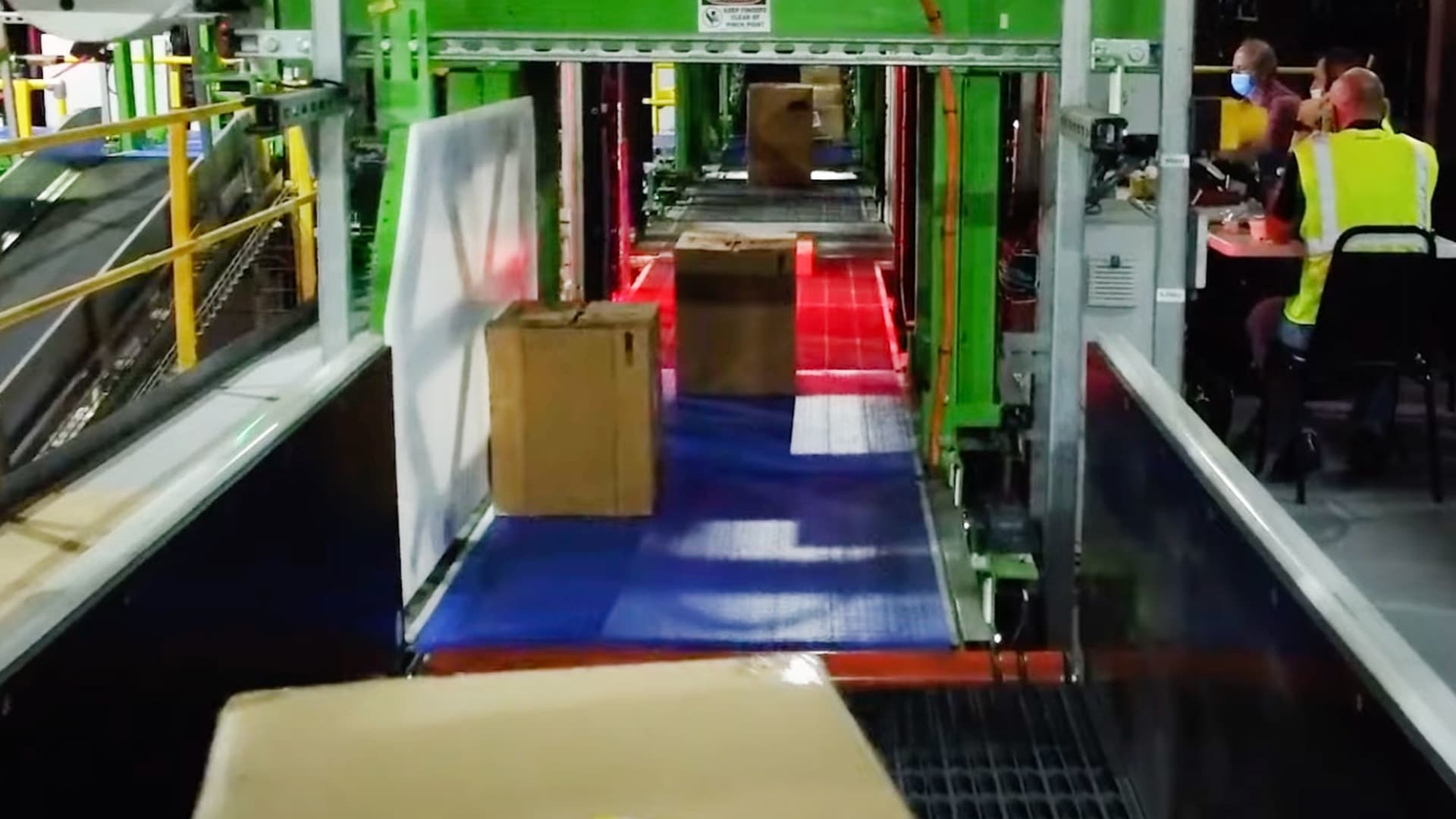
Walmart plans to use automation to manage inventory, stock shelves, and fulfill online orders more quickly and cost-effectively. The company previewed its first automated distribution center for packaged foods and other household items in Florida and plans to add the same automation to all 42 regional distribution centers. Walmart's CEO expects profits to grow at a quicker pace than sales over the next five years as the company adds automation and grows its higher-margin businesses. The automation push means rendering obsolete some of Walmart's 1.6 million roles, but the company says it's about increasing capacity, not cutting jobs.