Tag

Astronomical Observation

All articles tagged with #astronomical observation

James Webb Discovery Sparks Global Astrophysics Shockwave
science8 months ago

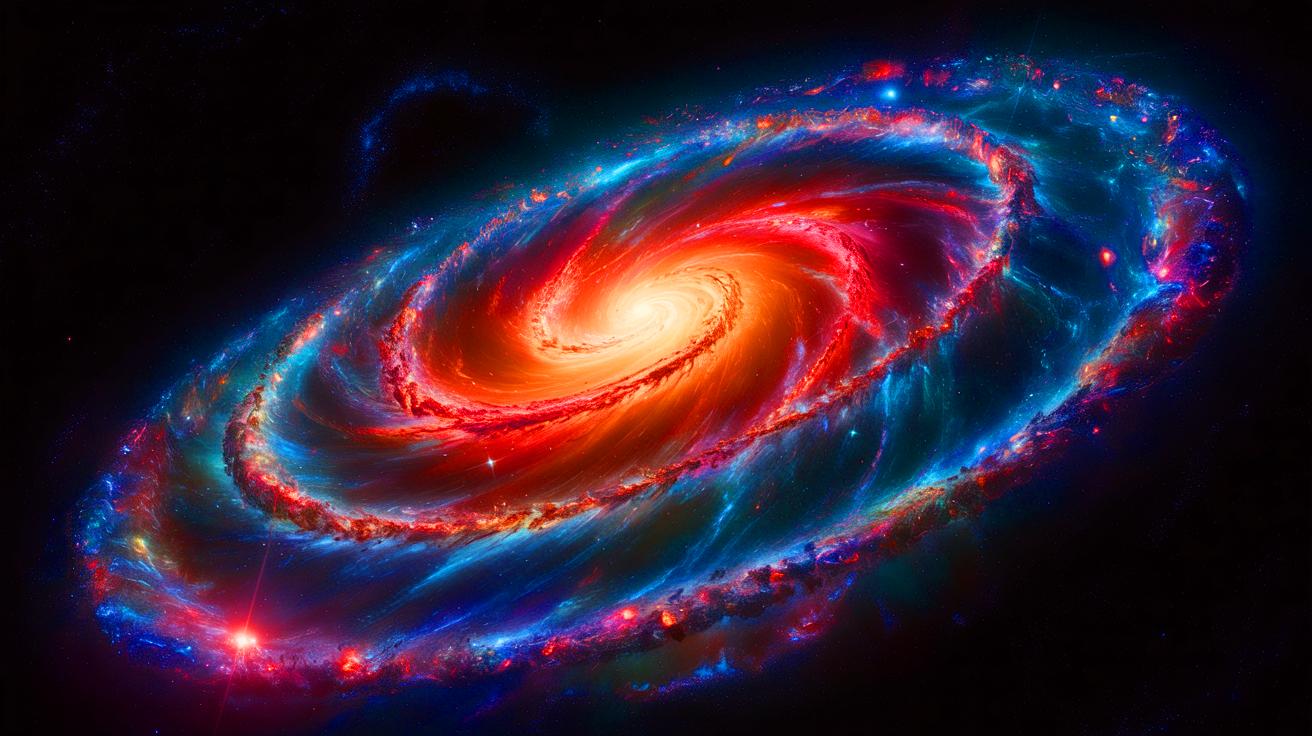
James Webb Discovery Sparks Global Astrophysics Shockwave

Researchers using the James Webb Space Telescope discovered a pattern in the rotation of ancient galaxies, with about 60% rotating clockwise, challenging previous beliefs of randomness. A bold hypothesis suggests our universe might be trapped inside a massive black hole, which could redefine cosmic principles. Alternative explanations like observational bias are also considered, emphasizing the need for precise measurements. These findings could significantly impact our understanding of the universe's structure, origins, and fate.
"Water-Rich Discoveries: Unveiling the Secrets of Distant Solar Systems and Planet Formation"
astronomy2 years ago

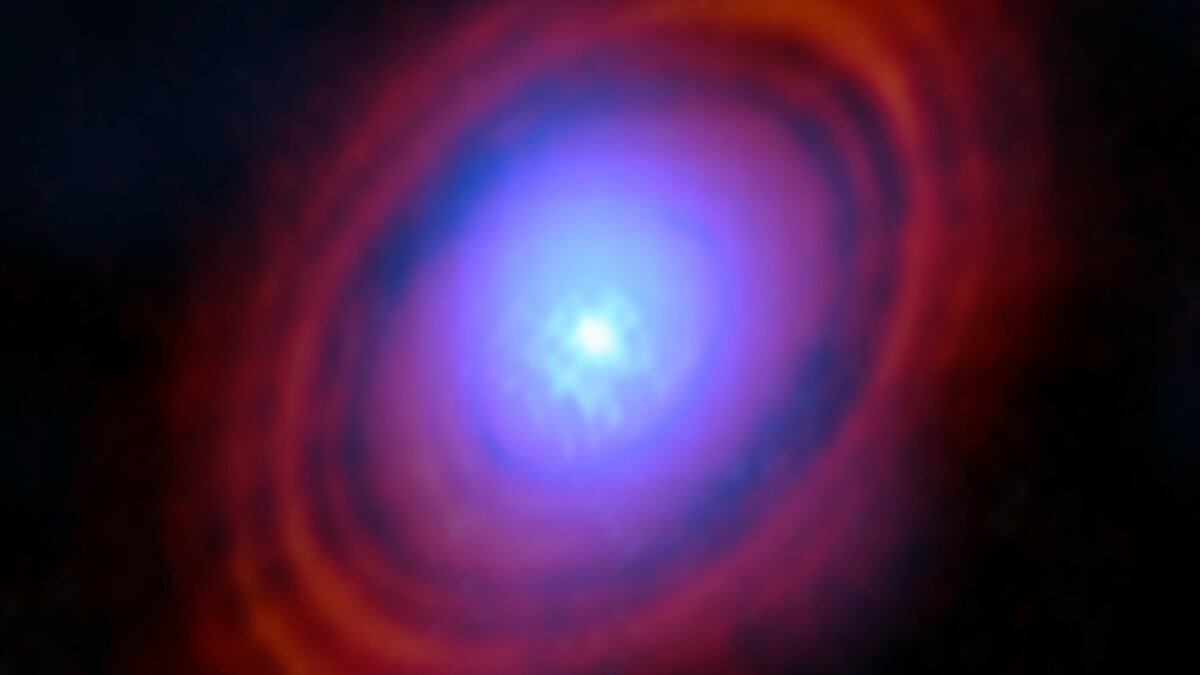
"Water-Rich Discoveries: Unveiling the Secrets of Distant Solar Systems and Planet Formation"

Using the Atacama Large Millimeter/submillimeter Array (ALMA), astronomers have detected vast amounts of water vapor in the protoplanetary disk around the young star HL Tauri, located 450 light-years away. This discovery, detailed in a study published in Nature Astronomy, also revealed a visible gap in the disk where a planet may be forming. The findings suggest the potential for a water-covered planet to develop around HL Tauri, offering insights into the prevalence of watery worlds in the cosmos.

"Unprecedented View: Japan's XRISM Satellite Captures Explosive Star in X-Ray Cosmos"
astronomy2 years ago

"Unprecedented View: Japan's XRISM Satellite Captures Explosive Star in X-Ray Cosmos"

NASA and JAXA have released the first images from the XRISM observatory, revealing a detailed view of a supernova remnant called N132D located 160,000 light years away in the Large Magellanic Cloud. The observatory's instruments allowed researchers to identify elements within the remnant, providing unprecedented insights into the original star and its supernova explosion.

"Hubble's Stunning Snapshot of Galaxy ESO 300-16"
astronomy2 years ago

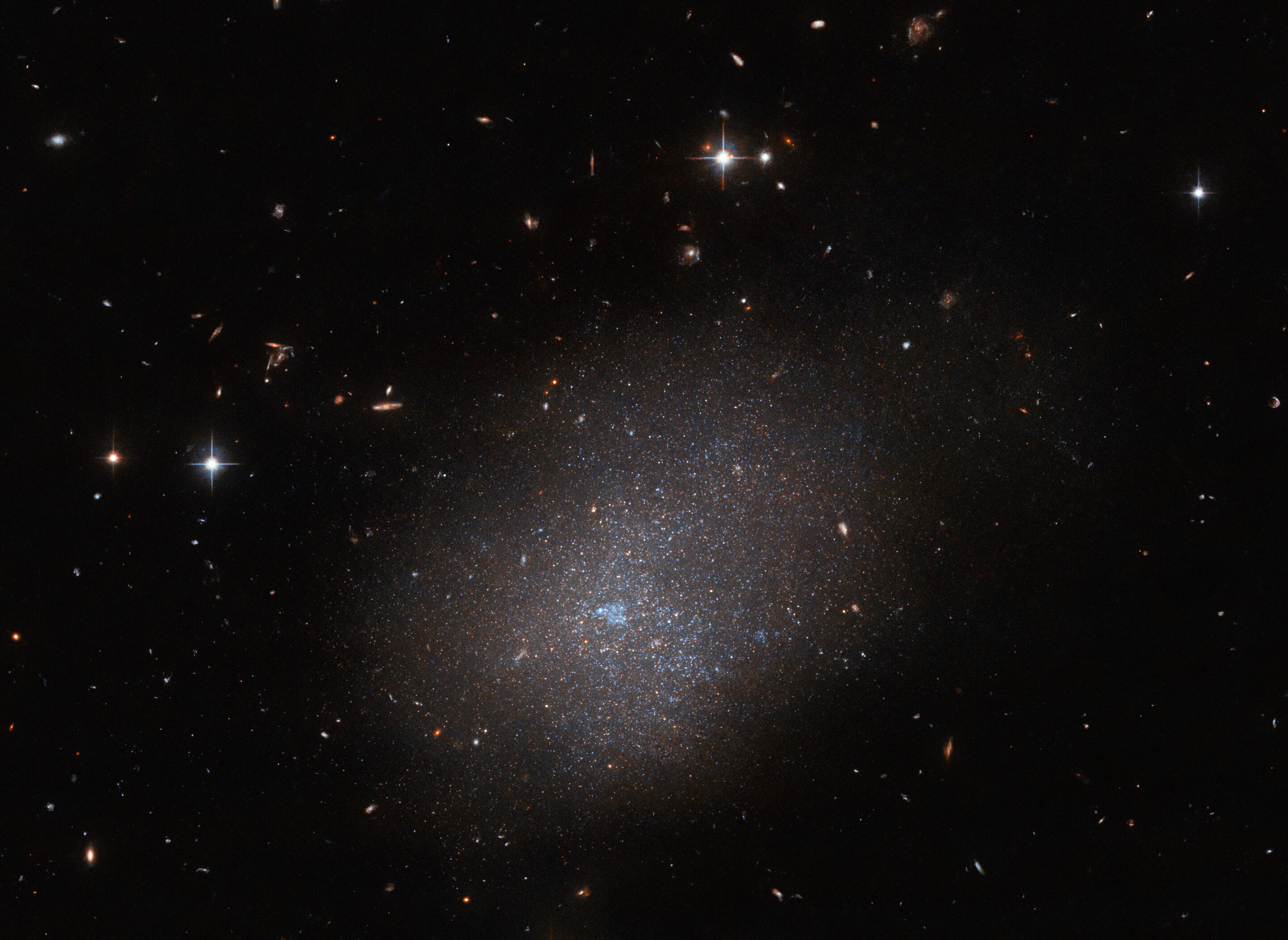
"Hubble's Stunning Snapshot of Galaxy ESO 300-16"

The Hubble Space Telescope has captured an image of the galaxy ESO 300-16, located 28.7 million light-years away in the constellation Eridanus. This observation is part of a series aimed at studying nearby galaxies. Hubble has already observed about three quarters of known galaxies within 10 megaparsecs of Earth, and now astronomers plan to use gaps in Hubble's schedule to study the remaining quarter. The measurement of parallax, which involves the slight shift of stars against distant stars due to Earth's motion, is used to determine distances in astronomy.

"Massive Meteor Ignites Fiery Spectacle in Montana's Sky"
science-and-technology2 years ago

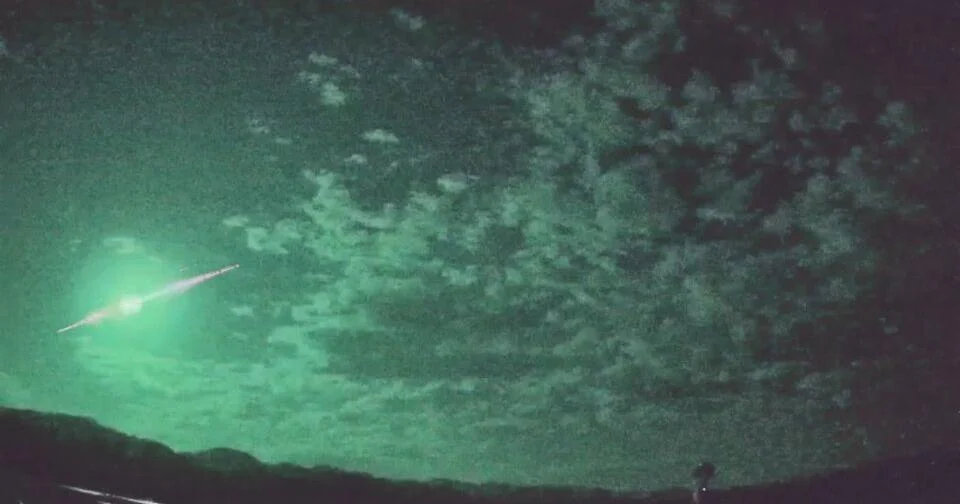
"Massive Meteor Ignites Fiery Spectacle in Montana's Sky"

A large meteor breached Earth's atmosphere over northeast Montana, causing a massive fireball visible across the state. The fireball was captured on video by the Montana Learning Center and was brighter than a full moon, illuminating the ground. Observations of the event have been submitted to the American Meteor Society from various locations in Montana. The observation will be analyzed and confirmed by the International Meteoritical Society. The size of the meteor suggests that meteorites may be found on the ground in Montana or Canada. This is the brightest recorded fireball observed at the Montana Learning Center since July 2021.

Betelgeuse: A Chaotic Star Nearing Its Violent End.
science-and-astronomy2 years ago

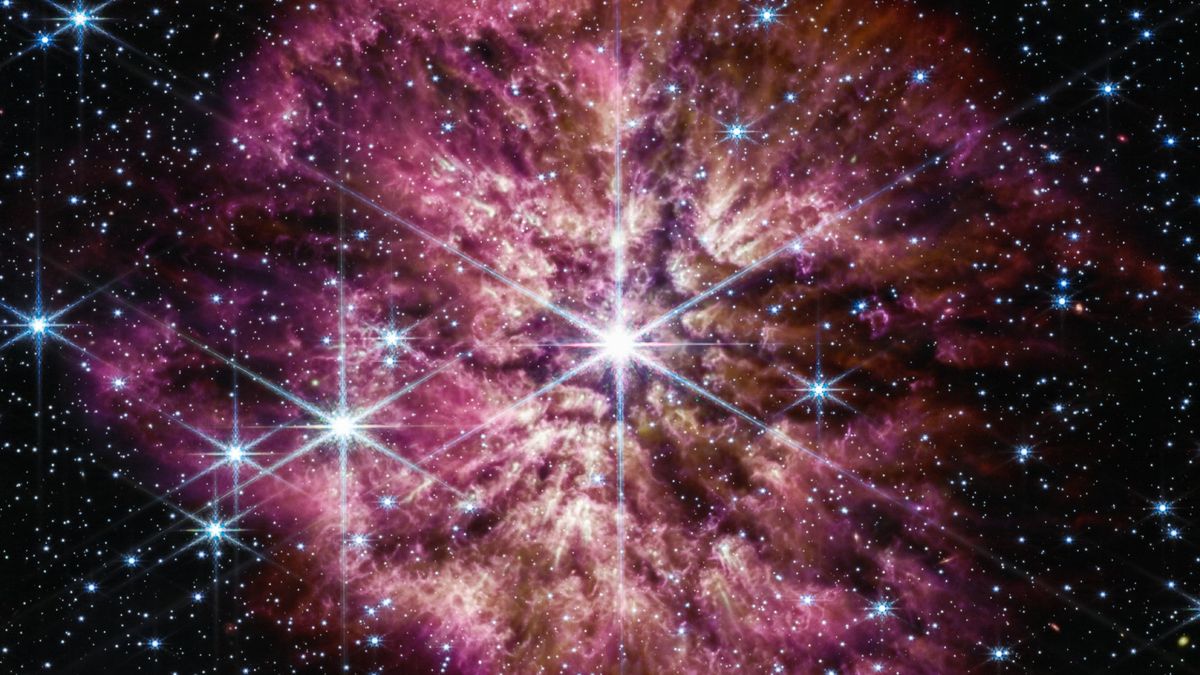
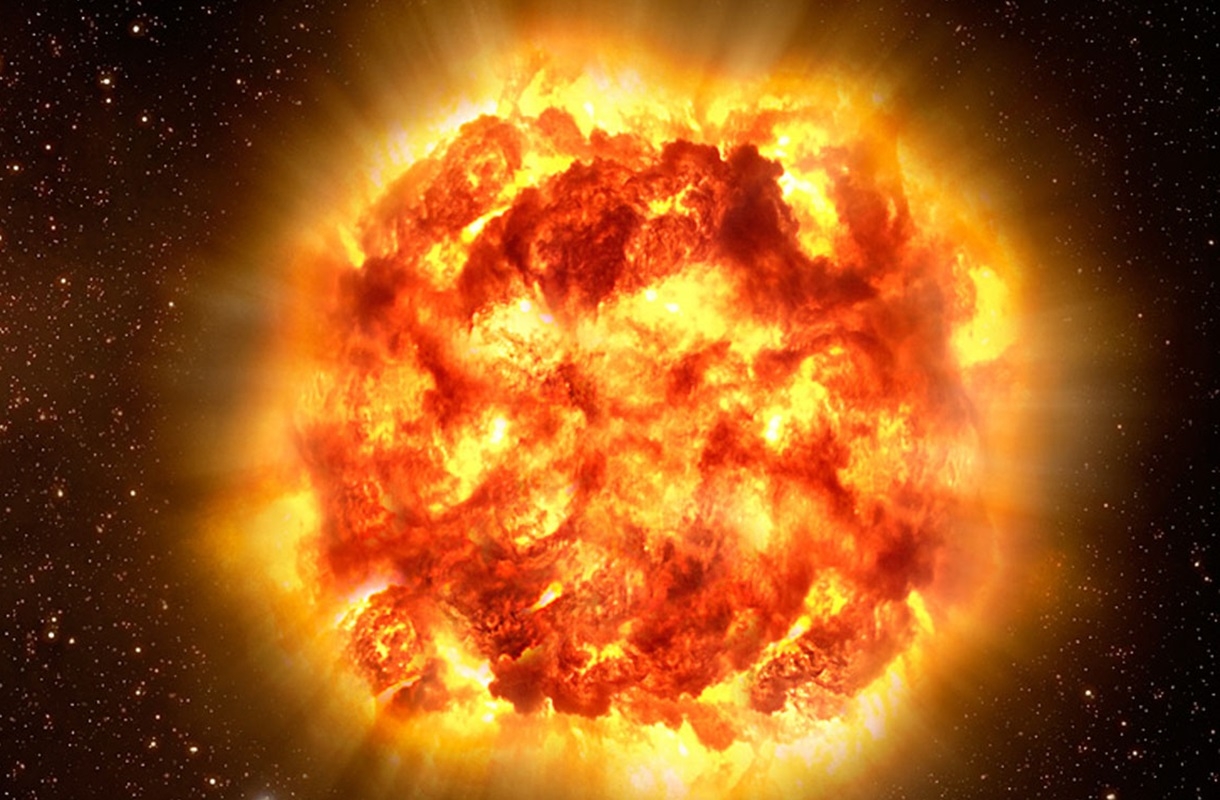
Betelgeuse: A Chaotic Star Nearing Its Violent End.

Astronomers have observed a chaotic star, BELLS 1, in the Triangulum galaxy that is transitioning into a highly unstable Wolf-Rayet star. The star has begun beaming a new signal indicating that it is churning either carbon or iron deep within it through nuclear fusion, and is inching closer to its eventual fate of exploding into a spectacular supernova. BELLS 1 is shedding about 10 solar masses' worth of star matter every million years or so, which is pumped back into the nearby universe, triggering the formation of future generations of stars and enriching them with recycled elements.