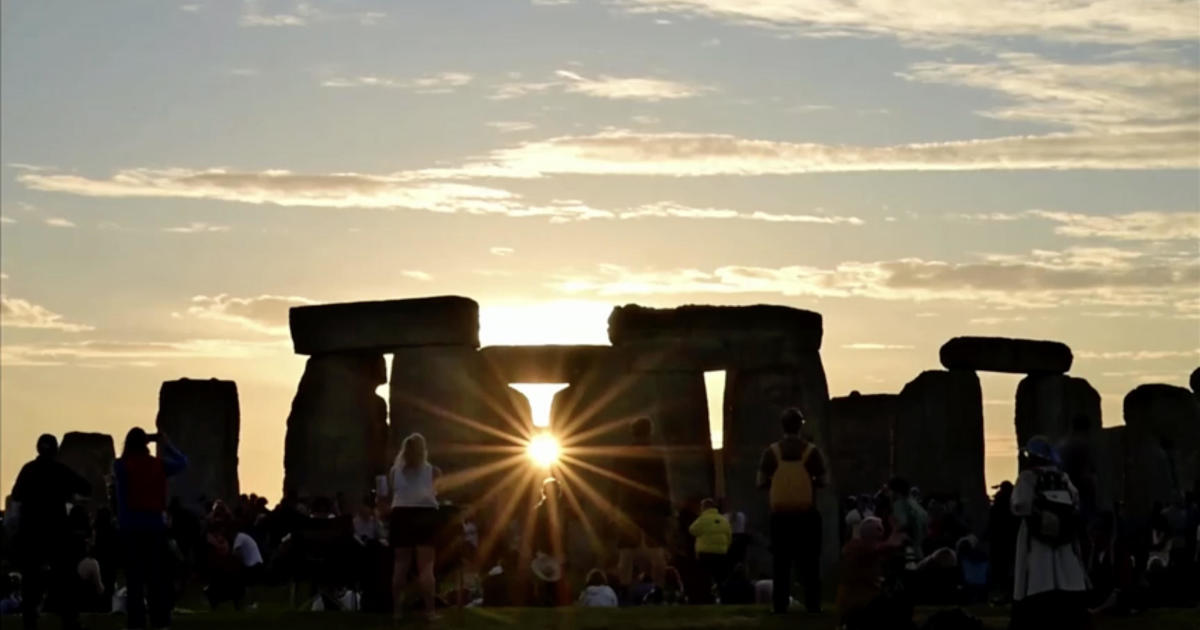
Thousands gathered at Stonehenge in Wiltshire, England, to celebrate the summer solstice, marking the longest day of the year in the Northern Hemisphere. The prehistoric monument, believed to have been built around 2,500 B.C.E., is aligned to frame the sunrise on the summer solstice and the sunset on the winter solstice. Despite recent vandalism by climate protesters, the site remained open for the event. The solstice has been celebrated for millennia, with modern festivities including festivals, bonfires, and unique gatherings worldwide.
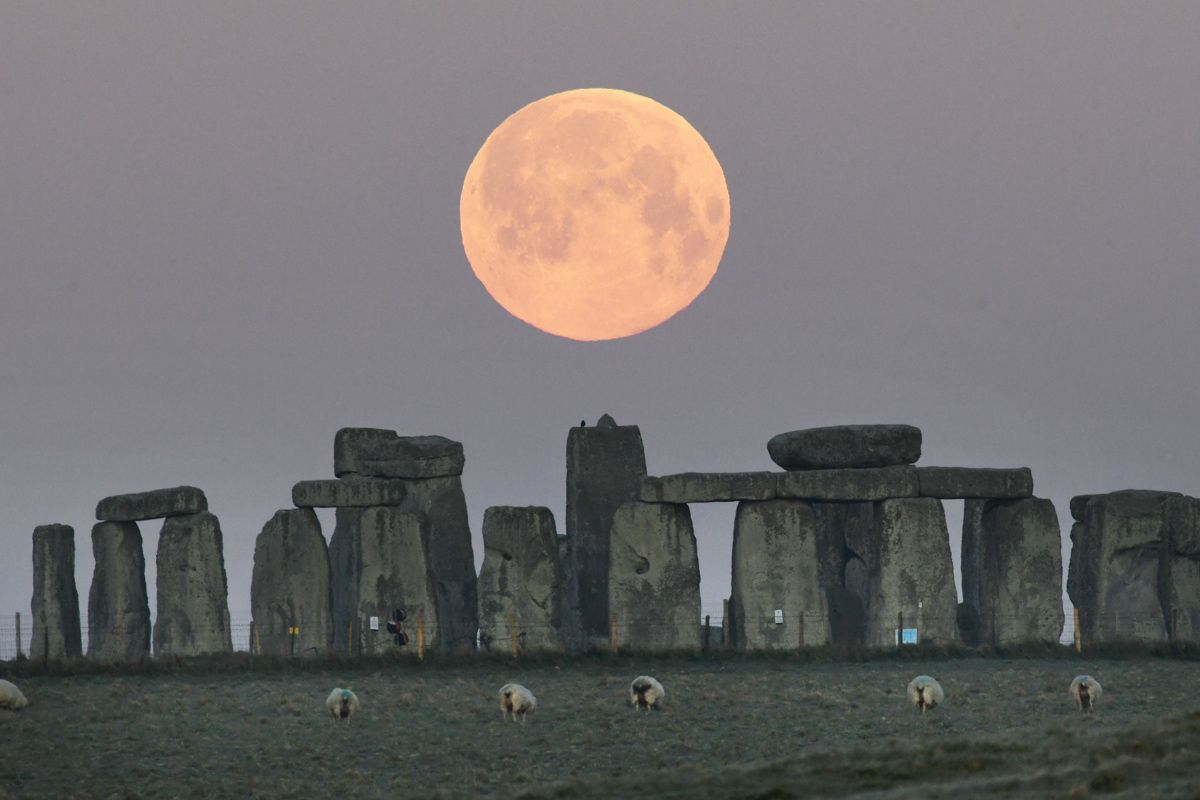
Experts are set to investigate whether Stonehenge was aligned with the Moon as well as the Sun during a major lunar standstill starting on June 21, 2024. This rare event, occurring every 18.6 years, could reveal if the ancient builders intended to unify solar and lunar movements in their design, potentially offering new insights into the monument's purpose and significance.
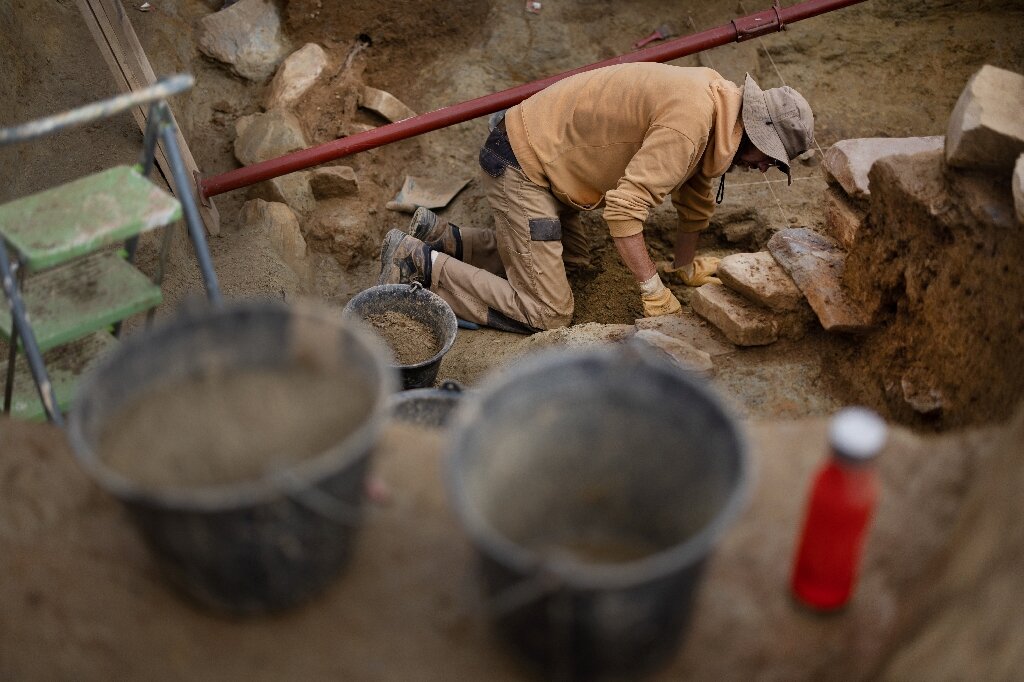
A rock slab with mysterious markings, known as the Saint-Belec slab, is being hailed as a "treasure map" by archaeologists in north-western France. Researchers believe it is Europe's oldest map and are using it to search for ancient sites. The slab marks an area of approximately 30 by 21 kilometers, and the team plans to survey the entire territory to cross-reference the markings. The decoding process could take up to 15 years. The slab has already provided valuable insights, including the discovery of previously unknown fragments. The researchers hope to uncover the meaning behind the engraved symbols, which could lead to further archaeological finds.