Tag

Antares Rocket

All articles tagged with #antares rocket

spaceflight2 years ago

"Northrop Grumman's Cygnus Space Freighter Delivers 8200 Pounds of Cargo to International Space Station"

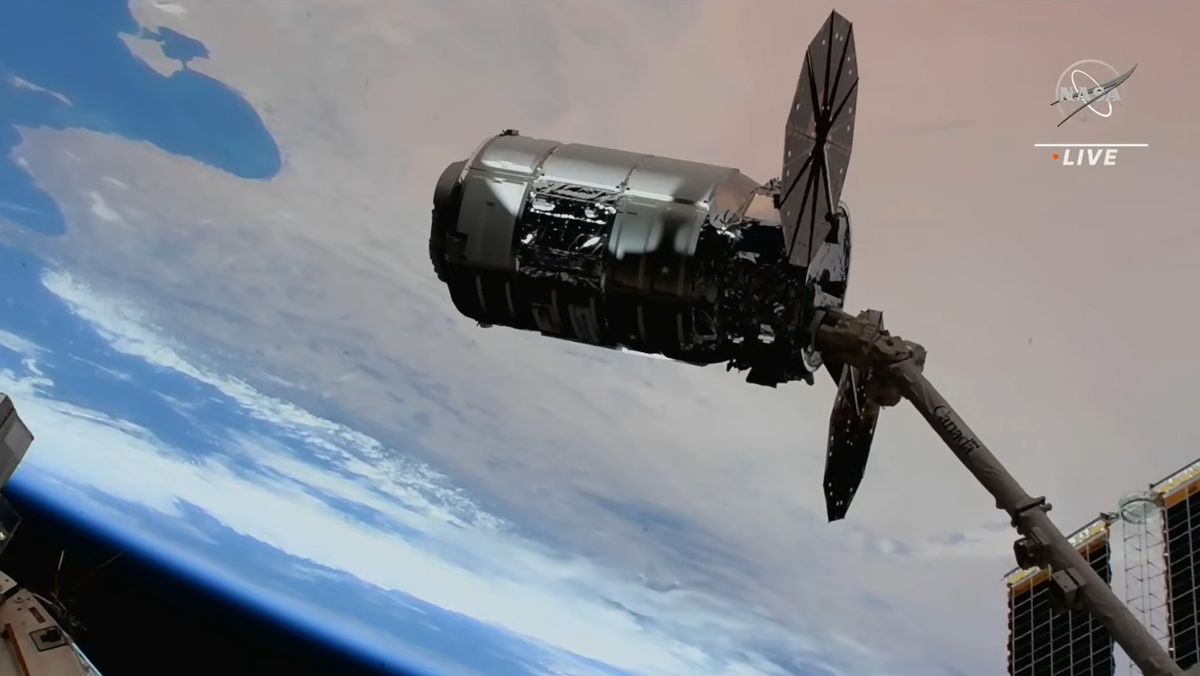
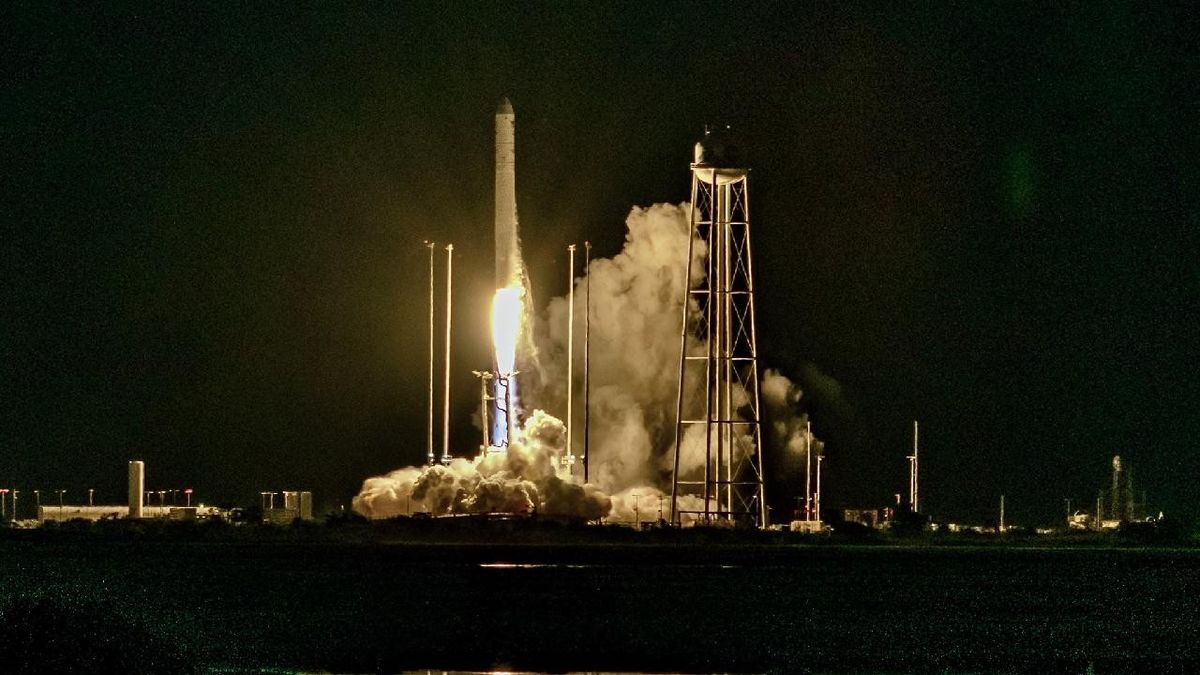
The Cygnus NG-19 cargo freighter, built by Northrop Grumman, arrived at the International Space Station with 8,200 pounds of supplies, experiments, and new technology. The cargo includes a potable water dispenser, a memory card with creative works from students, and equipment for cutting-edge research projects. This was the last planned launch of the current version of the Antares rocket, and Northrop Grumman is now working on a new rocket in partnership with Firefly Aerospace.

space2 years ago

Space Coast Becomes Northrop Grumman's Hub for Future Space Station Missions

Northrop Grumman will shift its resupply missions to the International Space Station (ISS) from Virginia to the Space Coast later this year due to the depletion of Russian-made engines used on its Antares rocket. The company will partner with Firefly Aerospace to create a new version of the Antares rocket, but it won't be available until 2025. In the meantime, Northrop Grumman has made a deal with SpaceX to launch its Cygnus spacecraft on Falcon 9 rockets from Florida. The first launch is expected in December, and there are potentially more launches planned through 2025.

space2 years ago

Antares Rocket's Final Launch to ISS: Watch Live Stream

The final flight of the Northrop Grumman Antares rocket took place as it launched cargo, provisions, and science experiments to the International Space Station (ISS). This particular model of the Antares rocket will be replaced with a newer version next year. The Cygnus spacecraft, named SS Laurel Clark, separated from the rocket's second stage and is set to arrive at the ISS on Friday. The upgraded Antares rocket is expected to launch in the summer of 2025. The cargo includes over 20 research investigations, equipment, and food supplies for the ISS crew. Notable experiments include studying material flammability in space and testing a new planetary observation probe.

weather2 years ago

Tuesday Night's Rocket Launch and Full Moon: A Spectacular Celestial Event

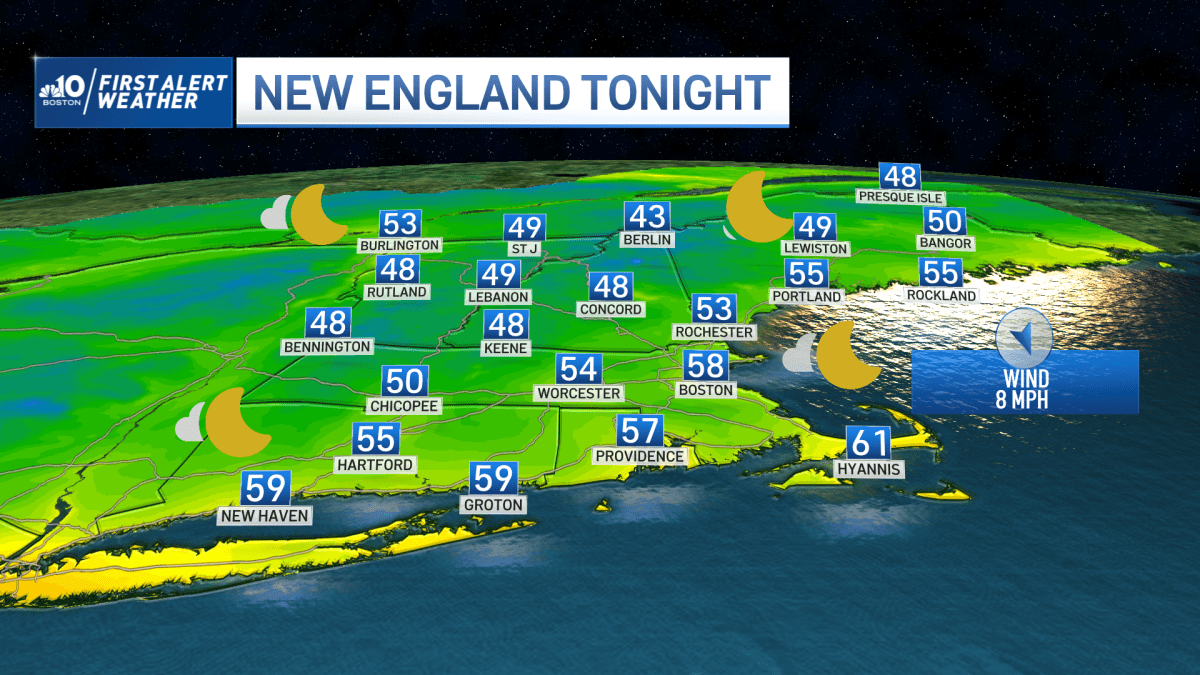
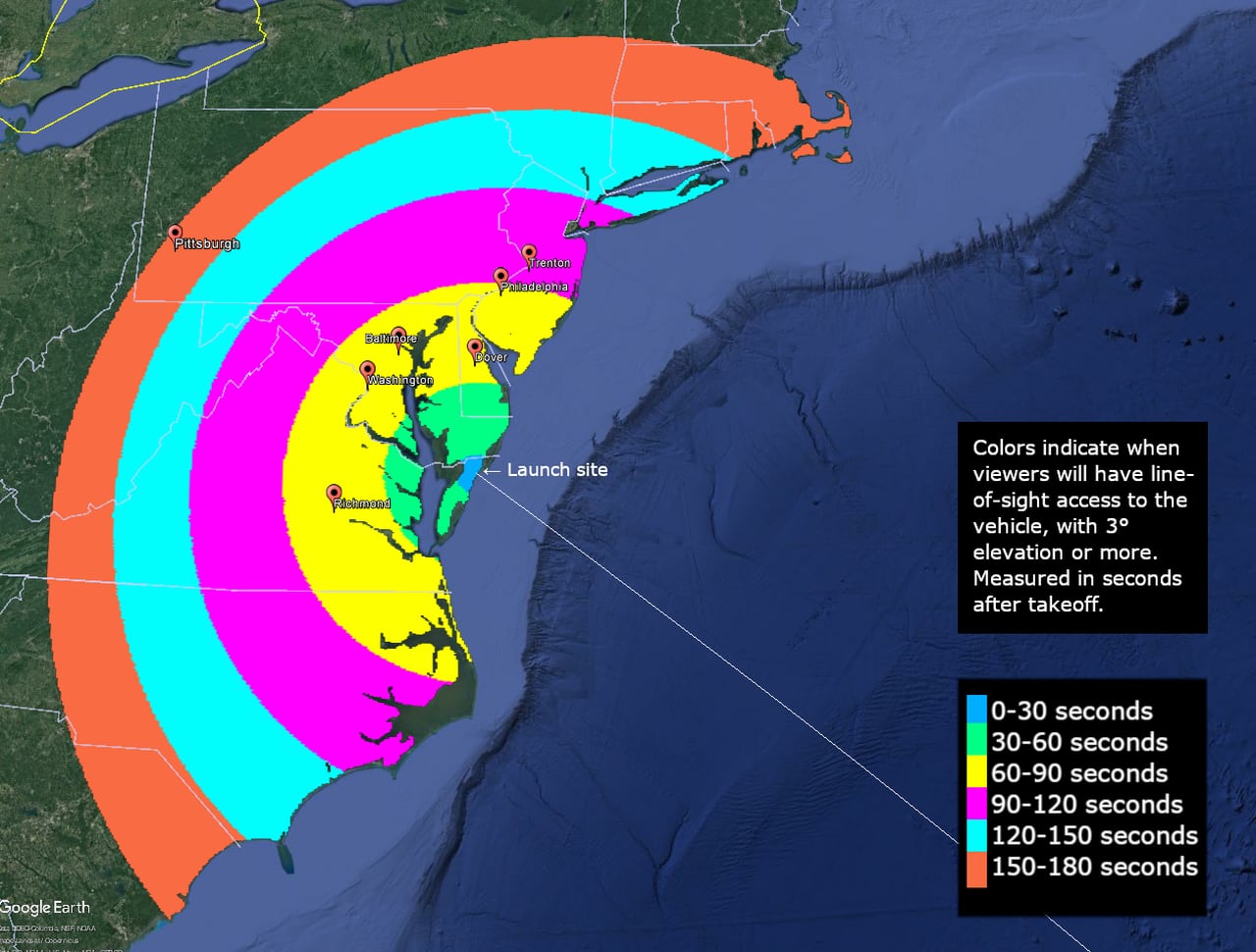
Tuesday night offers the opportunity to witness the Antares rocket launch from Wallops in Virginia, with visibility in Southwestern Connecticut and most of Massachusetts shortly after. Additionally, a full moon, nicknamed the "Sturgeon" or "Corn" moon, will rise at 8:36 p.m. in Boston. The weather forecast for Wednesday and Thursday predicts beautiful conditions with highs in the 70s to around 80, gradually increasing humidity, and a chance of isolated showers late Thursday. Showers and thunderstorms are expected on Friday, with a possibility of lingering showers on Saturday. The following days will be dry with highs around 80, and next week's temperatures will briefly reach the mid-80s.

space2 years ago

"Northrop Grumman's Antares Rocket: Final Flight Prep and Live Viewing Guide"

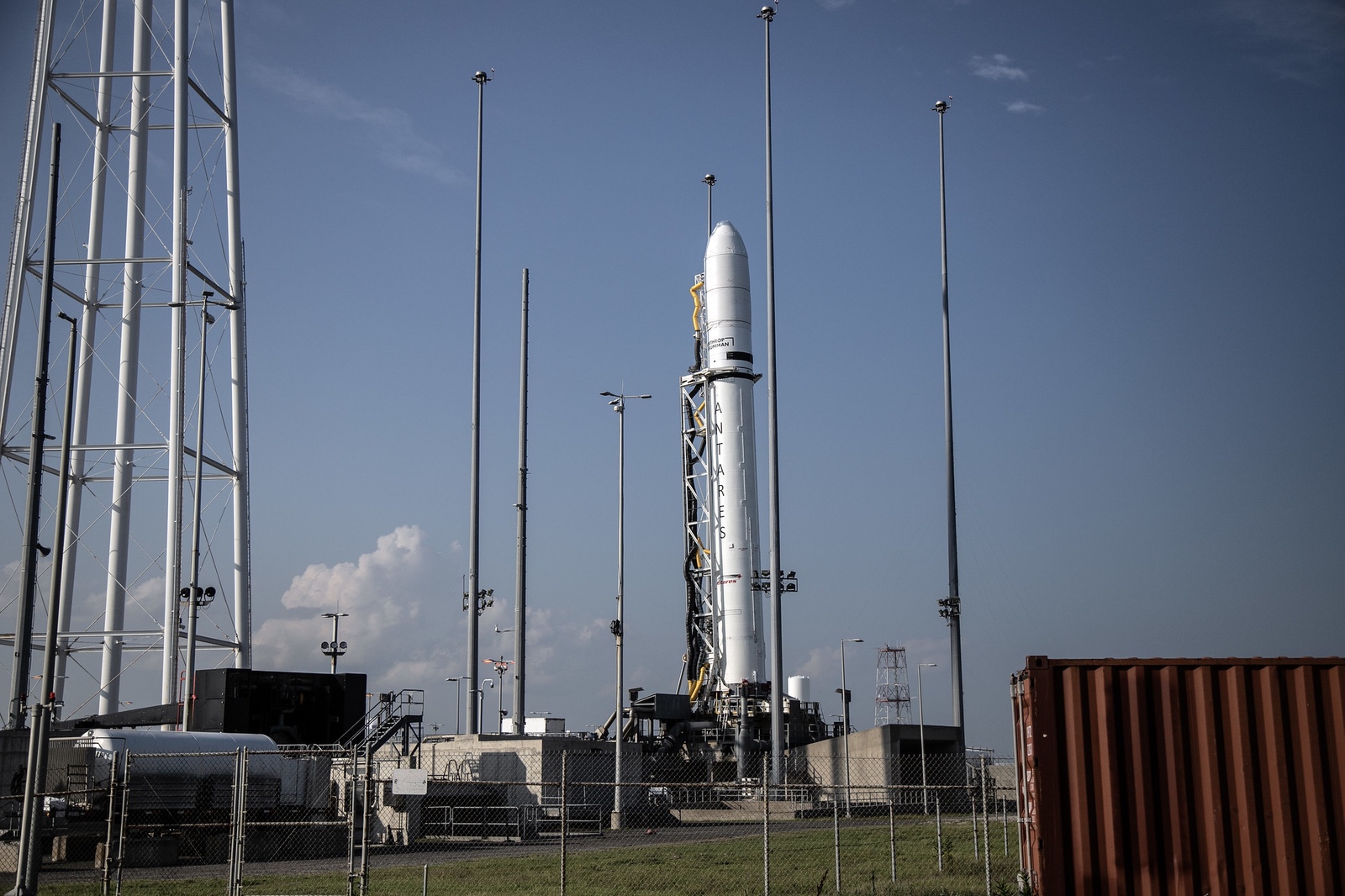
Northrop Grumman is preparing for the final flight of the Antares rocket with Russian and Ukrainian components, as a Cygnus cargo spacecraft is set to launch to the International Space Station. The spacecraft will carry nearly 3,750 kilograms of cargo, including experiments, hardware, and crew supplies. This launch will be the last of the current version of the rocket, Antares 230+, as Northrop Grumman is partnering with Firefly Aerospace to develop a new version, Antares 330, with domestically manufactured components. The new rocket will have increased payload performance and is expected to launch in the summer of 2025.

science-and-technology2 years ago

NASA's Rocket Launch from Wallops Island Visible in Eastern States

NASA is set to launch a 139-foot-tall Antares rocket from the Wallops Flight Facility in Virginia on August 1st. If the skies are clear, people in states such as New Jersey, Pennsylvania, and New York may be able to see the rocket during its initial ascent. Viewing locations on Chincoteague Island and the Atlantic beaches in Virginia, Maryland, and Delaware are recommended. The launch will also be live-streamed on NASA Television, YouTube, Twitter, and the NASA App.