A man accused of a double murder in Arkansas, Andrew McGann, briefly worked as a teacher in North Texas for four days in 2024 before resigning. Despite passing background checks, concerns have been raised about his past conduct and the district's hiring process, especially given his previous employment and investigations for classroom management issues. The case has prompted calls for review of hiring practices and teacher misconduct reporting laws.

A divided 9th Circuit Court of Appeals ruled that California's law requiring background checks for ammunition purchases is unconstitutional, citing it as an infringement on Second Amendment rights, with the majority emphasizing the law's lack of historical precedent and the dissent arguing it was not overly restrictive.
House Oversight Democrat Jamie Raskin is pressing the Trump-Vance transition team for clarity on FBI background checks for nominees, amid concerns some may avoid them until a new FBI director is appointed. Meanwhile, House Democrats' ideological blocs are divided over the top Oversight Democrat race between Gerry Connolly and Alexandria Ocasio-Cortez. Agriculture Secretary Tom Vilsack has reached out to his likely successor, Brooke Rollins, who has yet to respond. Former Speaker Nancy Pelosi was hospitalized in Luxembourg after an injury. President-elect Trump is attending the Army-Navy game, with political implications surrounding his presence.
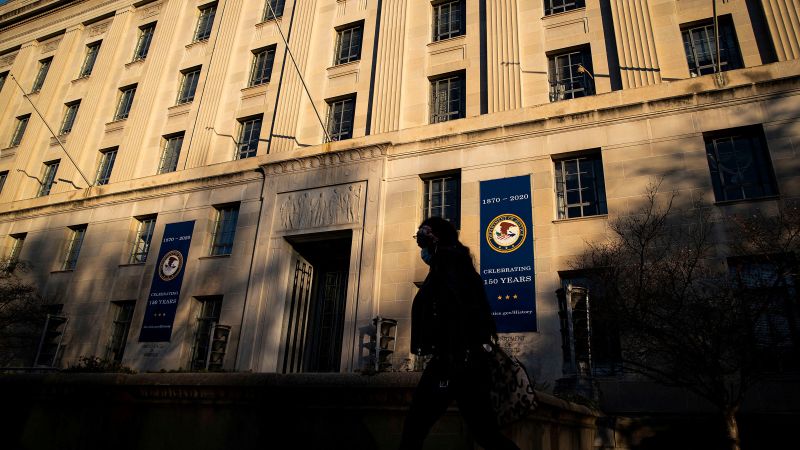
President-elect Trump's transition team has agreed with the Department of Justice to conduct background checks on his administration's nominees, allowing them to gain security clearances before taking office. This move is crucial for a smooth transition and ensures that Trump's Cabinet picks undergo the necessary vetting process before Senate confirmation. The agreement, part of a Memorandum of Understanding, facilitates access to classified materials and federal agency information, preparing Trump's team for leadership roles. However, it's unclear if nominees can opt out of these checks.
Republican senators are advocating for a 'normal process' to confirm President-elect Donald Trump's Cabinet nominees, emphasizing the importance of thorough vetting, including FBI background checks. However, there is division among GOP members on the necessity of these checks, with some expressing confidence in alternative vetting methods. The nomination of Kash Patel to lead the FBI is particularly contentious, with some senators supporting Trump's choice and others preferring to wait for the confirmation process to unfold.
The Trump administration has agreed to allow the FBI to conduct background checks on its nominees, a move that aligns with standard procedures for vetting candidates for government positions.
Donald Trump's transition team has signed a Memorandum of Understanding with the Justice Department, allowing them to seek FBI background checks for Trump's appointees. This agreement addresses concerns from some Republican senators about delays in the confirmation process and grants the transition team access to critical federal information. While some GOP senators are open to alternative vetting methods, others insist on traditional FBI checks. The agreement follows a previous deal with the White House, enabling key transition activities after initial delays.
President-elect Donald Trump has not yet authorized FBI background checks for his nominees, relying instead on internal vetting and external law firms. While FBI checks are customary for identifying potential issues with nominees, they are not legally required. Trump's decision to delay these checks until after taking office raises concerns about the thoroughness of the vetting process, especially for high-level national security positions. Senate committees may conduct their own investigations, and media scrutiny could also reveal potential red flags.
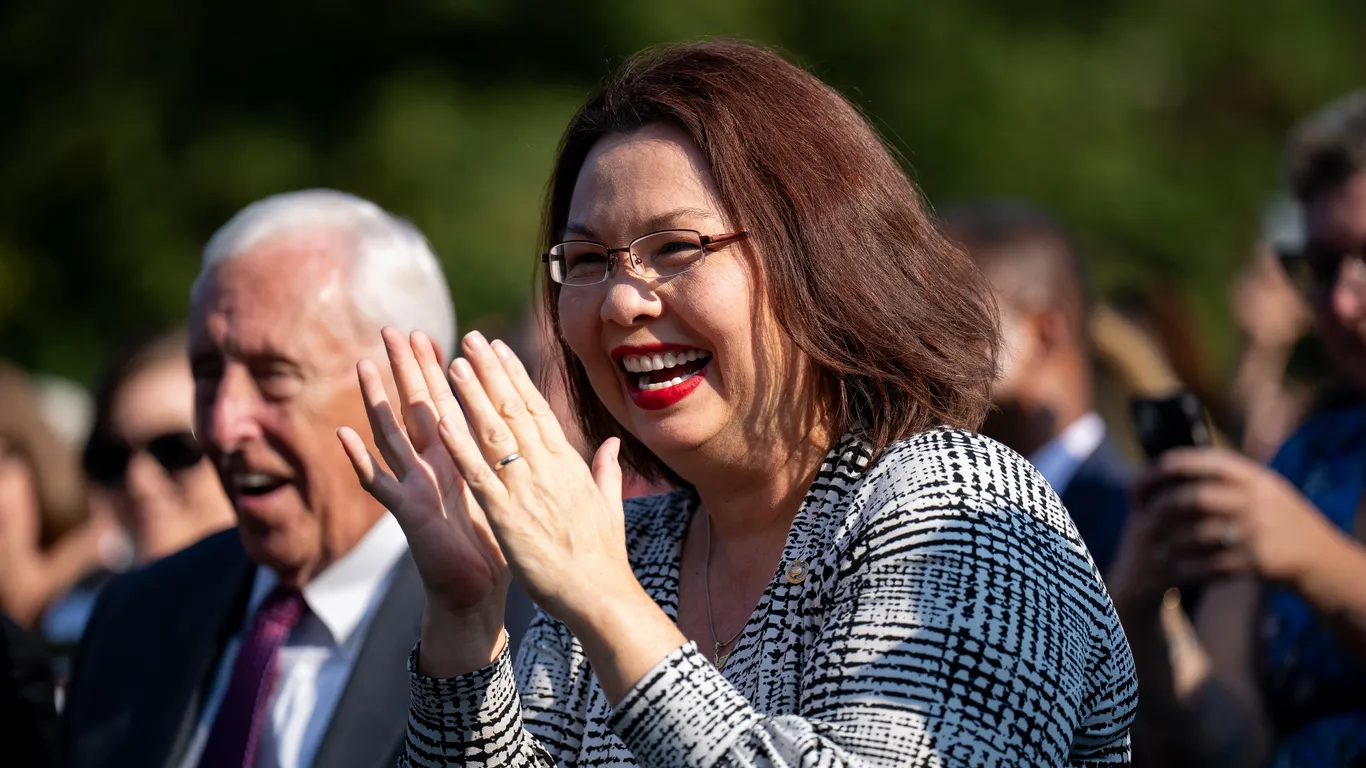
Some Democrats, including Sen. Tammy Duckworth, are open to supporting certain Trump Cabinet nominees despite controversies surrounding others. Duckworth expressed potential support for nominees like Rep. Lori Chavez-DeRemer for Labor Secretary, while criticizing others like Pete Hegseth and Tulsi Gabbard. Meanwhile, there is bipartisan agreement on the need for FBI background checks for Trump's appointees, though delays have occurred due to the transition team's use of private vetting firms. Additionally, Rep. Marjorie Taylor Greene has proposed defunding NPR to reduce government spending.
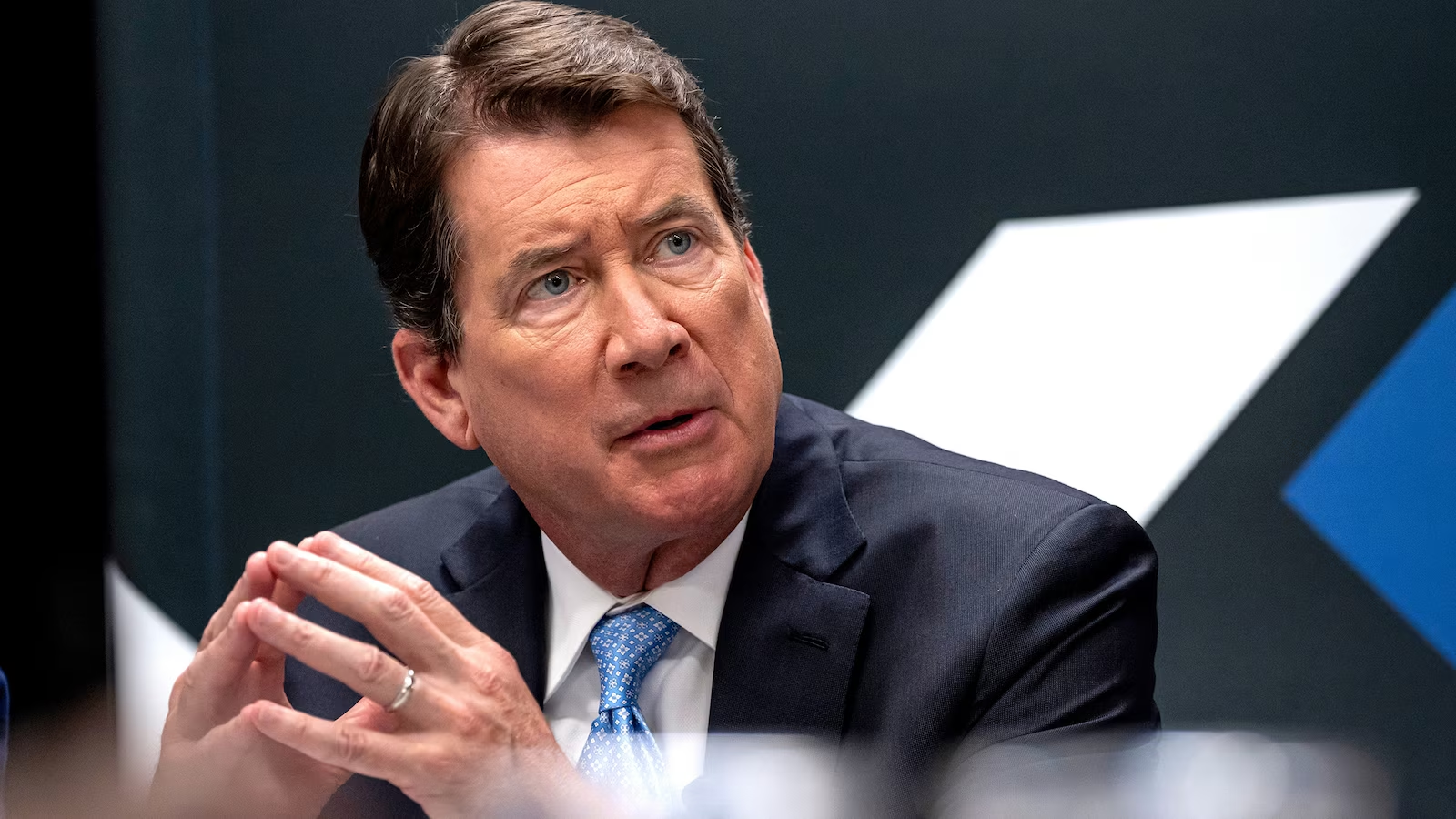
Senator Bill Hagerty (R-TN) argued against the necessity of FBI background checks for President-elect Donald Trump's cabinet nominees, suggesting the public prioritizes policy implementation over vetting processes. Hagerty criticized Biden's administration and emphasized the urgency of Trump's team taking over, despite concerns about controversial nominees. He questioned the FBI's capability, citing perceived bias, while some senators advocate for thorough checks, especially for contentious figures like Pete Hegseth.
Senator Bill Hagerty, a Trump ally, claims voters are indifferent to who conducts background checks on the president-elect's Cabinet nominees, emphasizing that Trump will ensure compliance with his policies by firing non-compliant members. Hagerty criticized the records of some of President Biden's Cabinet members, particularly regarding the Afghanistan withdrawal, and expressed confidence that Trump's future Cabinet will adhere to his directives.
President-elect Donald Trump's transition team is behind on essential processes, such as signing formal agreements with the Biden administration, which delays access to national security briefings and FBI background checks for Cabinet nominees. This oversight could undermine the administration's ability to manage national security and other urgent issues. Despite announcing many Cabinet picks, the lack of proper vetting and ethics agreements raises concerns about preparedness and adherence to traditional confirmation processes.
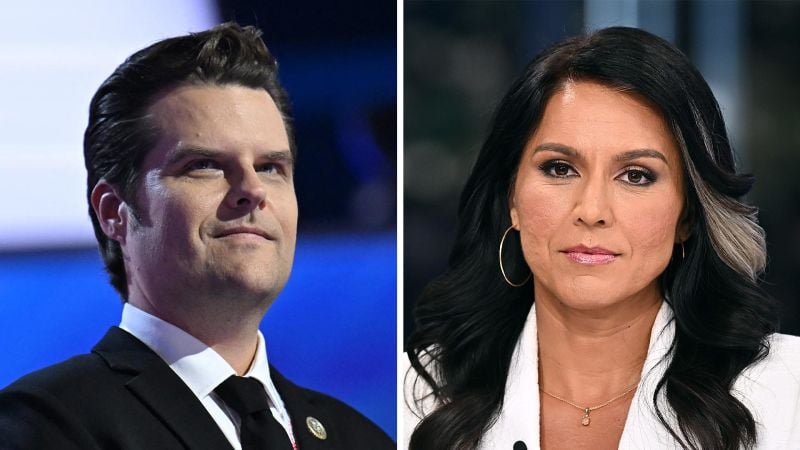
President-elect Donald Trump's transition team is bypassing traditional FBI background checks for some Cabinet picks, opting for private companies to expedite the vetting process. This move reflects Trump's mistrust of the national security establishment and aims to quickly implement his agenda. Critics argue this could overlook potential national security concerns. Controversial figures like Matt Gaetz and Tulsi Gabbard are being considered for high-level positions, raising further scrutiny. Trump's approach mirrors his previous transition process, which was criticized for being unprepared.
Maine's state legislature passed sweeping gun safety laws, including background checks on private gun sales, waiting periods for gun purchases, and criminalizing gun sales to prohibited individuals, following a mass shooting that claimed 18 lives. The legislation also includes funding for violence prevention initiatives and a mental health crisis receiving center. The governor's bill was approved, but a proposal for a "red flag" law did not see action. Lawmakers worked through the night to pass the legislation, with the shooting serving as a tragic backdrop for the session.
The owner of a local outdoor shop in Bellefonte, Thomas Engle, supports the Biden administration's efforts to close the "gun show loophole" and expand background checks for firearm purchases, stating that it puts everyone "on equal footing." He emphasizes that at gun shows, people could buy and sell without licenses and insurances, while his shop conducts background checks and only sells to law-abiding citizens, stressing that background checks do not equate to registration.