Tag

Alan Turing

All articles tagged with #alan turing

world7 months ago

Alan Turing's Landmark Paper on Universal Computing Machine Hits Auction

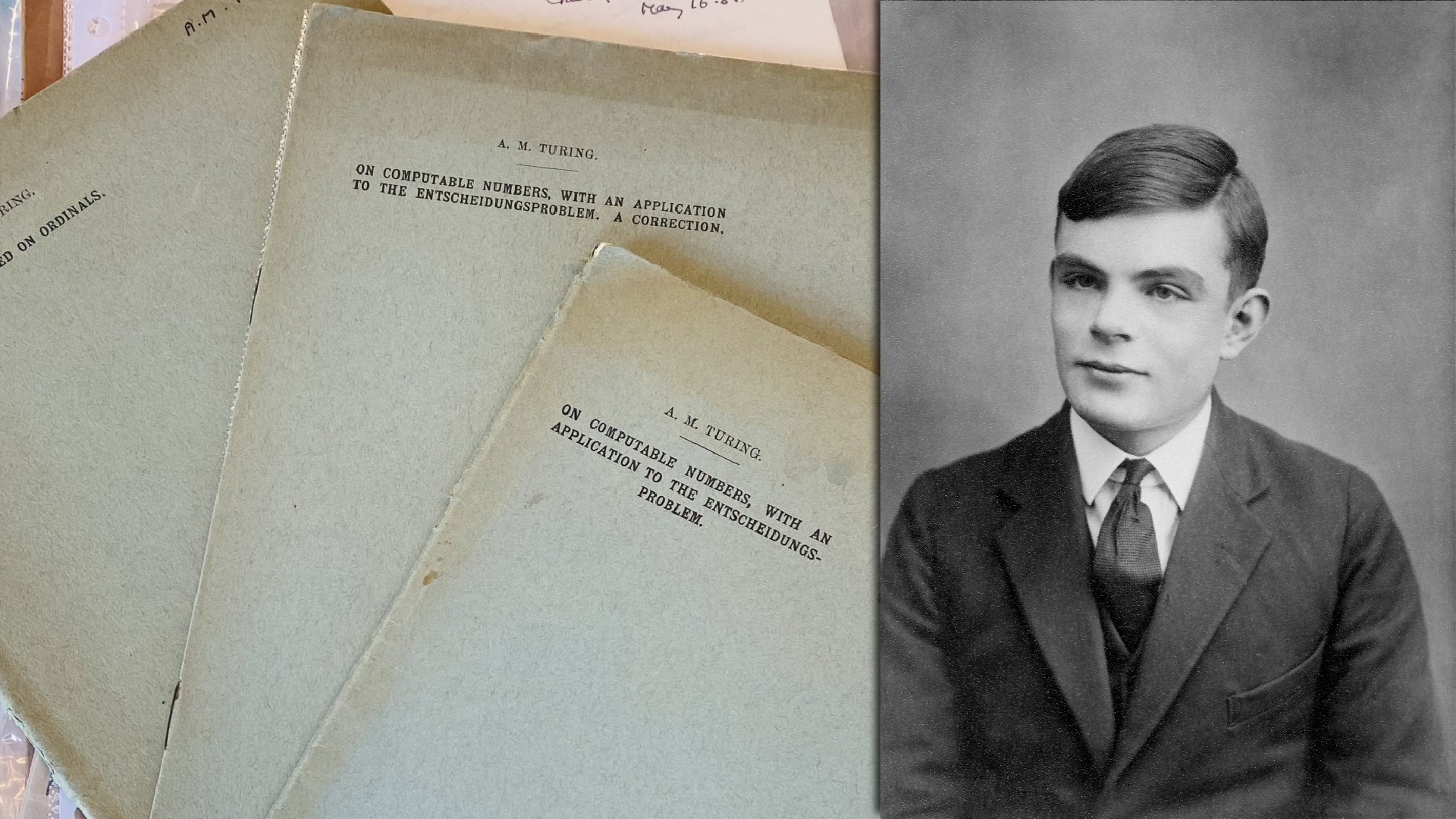
A collection of Alan Turing's important papers, including his PhD dissertation and groundbreaking works like 'On Computable Numbers,' are set to be auctioned in June after nearly being destroyed, with estimates of up to 81,000 USD. These documents, which highlight Turing's contributions to computer science and his tragic history, were saved from potential shredding by family members and are now valuable historical artifacts.
art-and-technology1 year ago

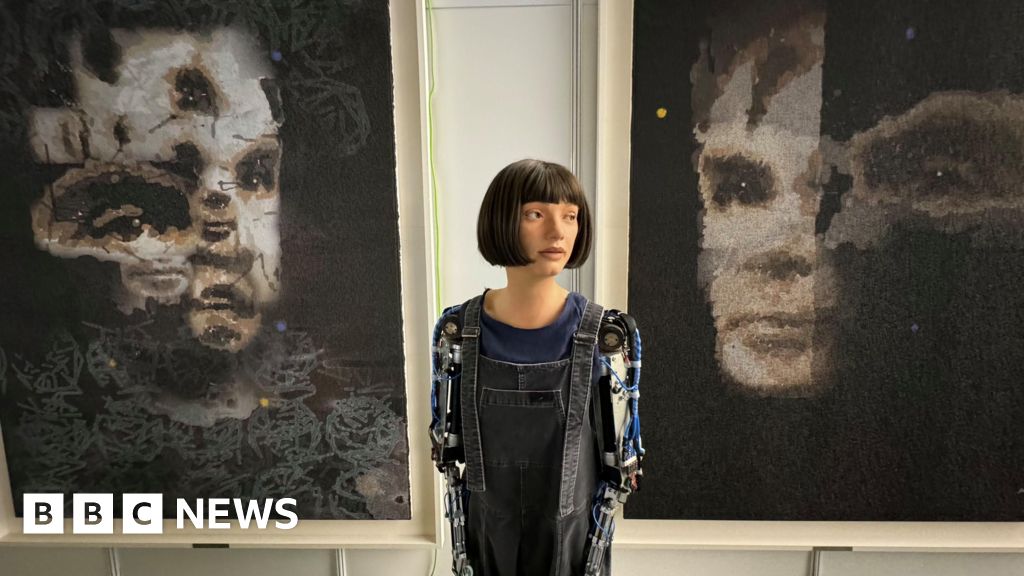
AI Robot's Painting Breaks $1 Million Mark at Auction

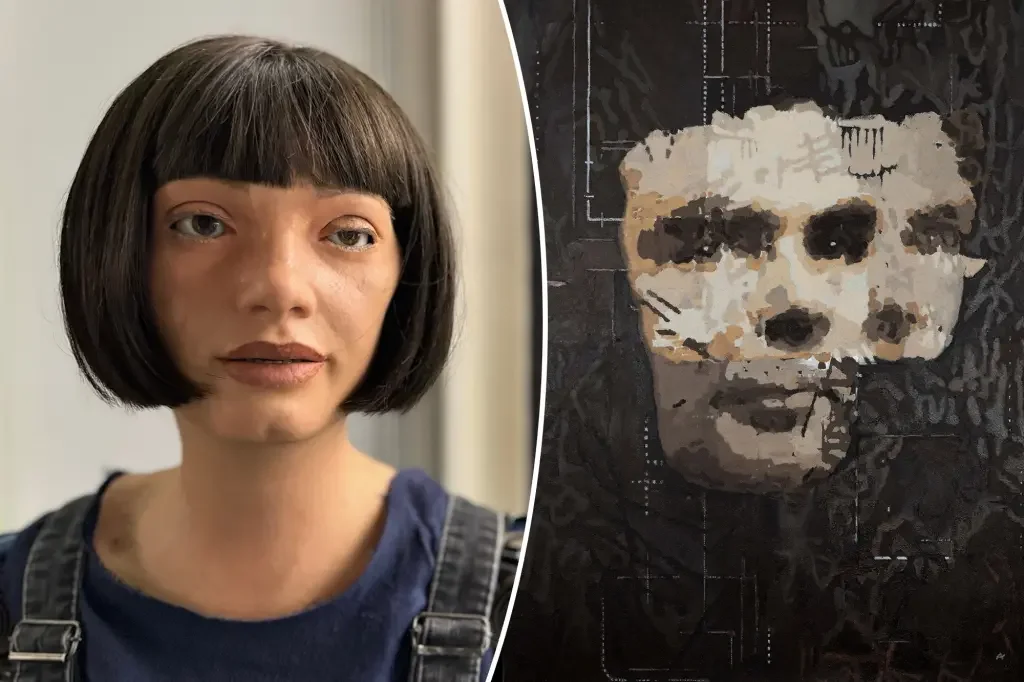
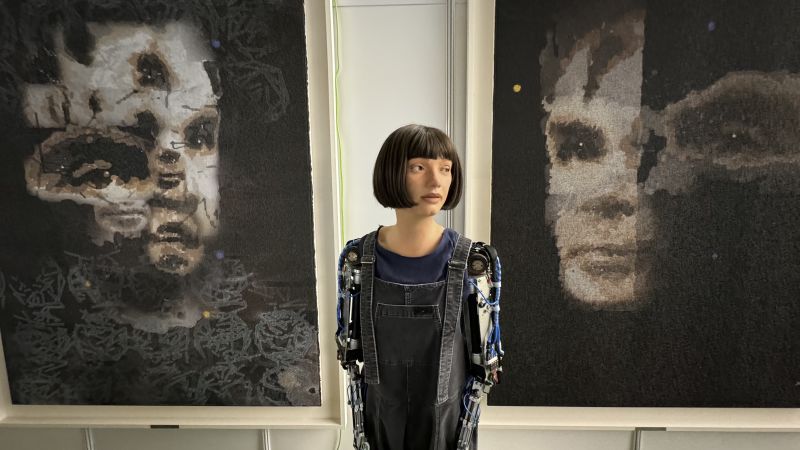
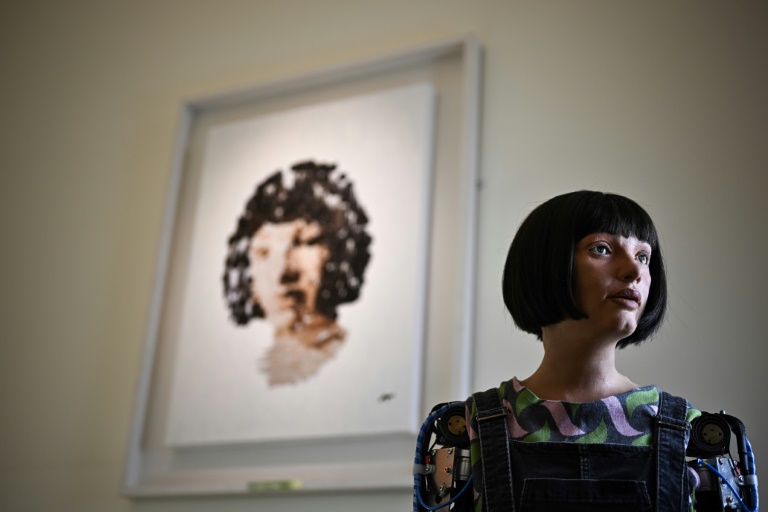
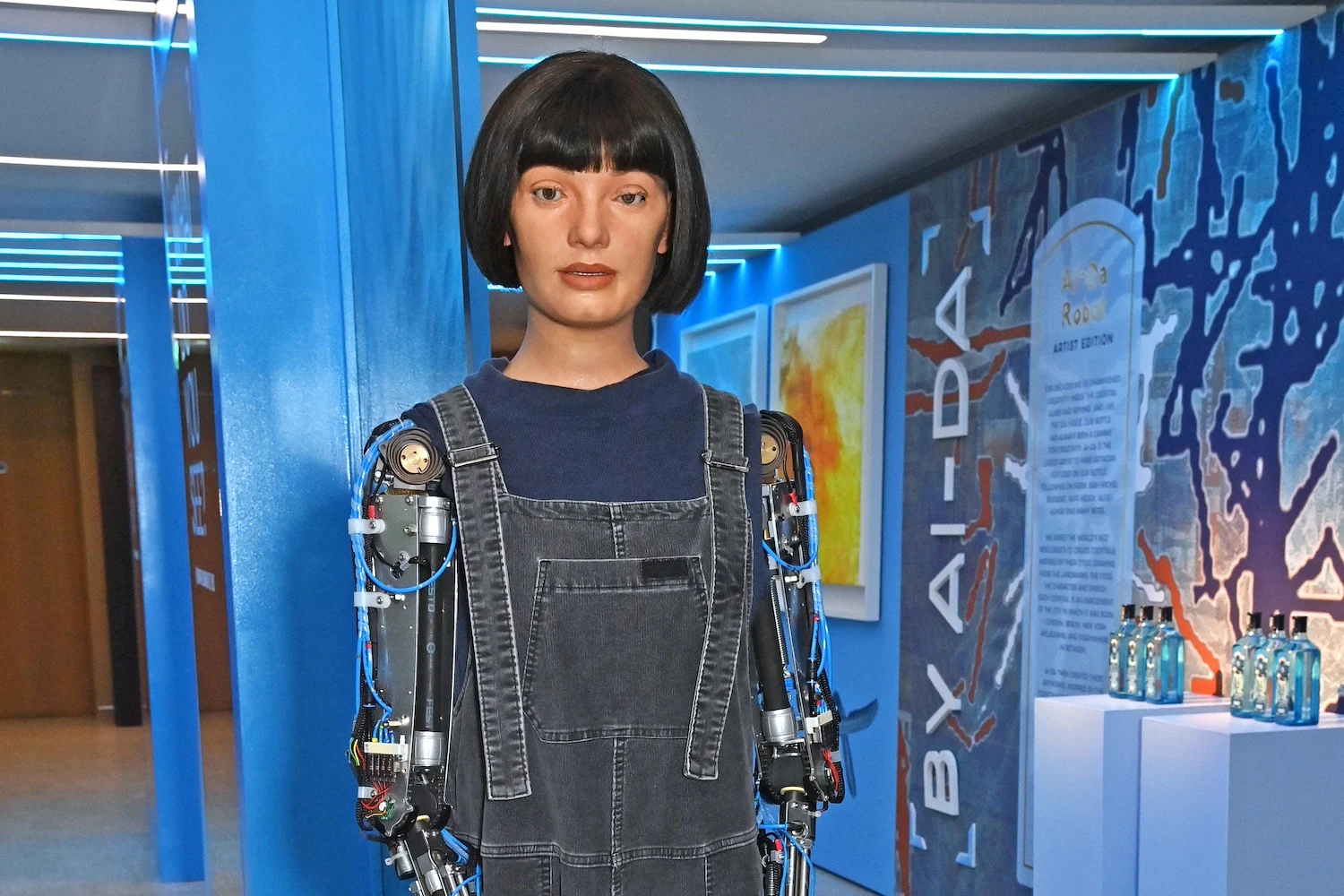
A painting created by Ai-Da, a humanoid robot artist, depicting Alan Turing, was sold for over $1 million at Sotheby's auction. Ai-Da, developed by Aidan Meller, uses cameras, AI algorithms, and a robotic arm to create art, aiming to spark discussions on technology's impact on creativity and identity. The sale highlights the growing intersection of AI and the art market, though it raises questions about the appeal and value of robot-generated art.

art-and-technology1 year ago

AI Robot's Alan Turing Portrait Breaks Auction Records at $1.1 Million

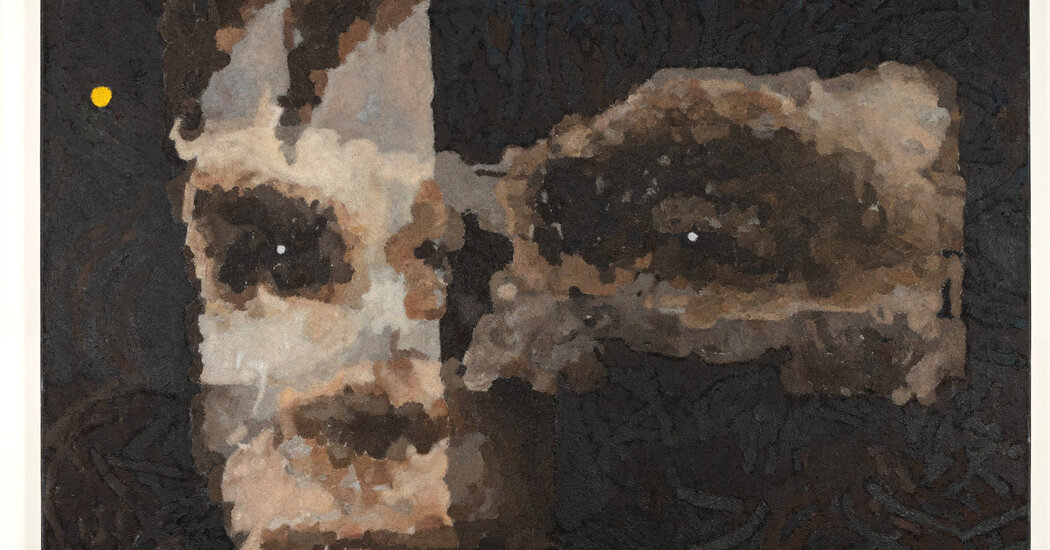
A painting by Ai-Da, a humanoid robot, sold for $1.08 million at Sotheby's, far exceeding its expected price of $180,000. The artwork, titled "AI God," depicts Alan Turing and highlights the intersection of AI technology and art. Ai-Da, created by British gallerist Aidan Meller, aims to spark dialogue on the ethical implications of AI. The sale marks a significant moment in modern art, reflecting the growing influence of AI in creative fields.

art-and-technology1 year ago

AI Robot's Alan Turing Portrait Sells for Over $1 Million at Auction

An AI robot named Ai-Da created a portrait of British computer scientist Alan Turing, which sold for $1.08 million at a Sotheby's auction, setting a record for artwork by a humanoid robot. The painting, titled "AI God: Portrait of Alan Turing," far exceeded its pre-auction estimate and has sparked discussions about the role of AI in art and its implications for the future. Ai-Da's creator, Aidan Meller, views the artwork as a reflection on the increasing influence of AI in society, likening its impact to the invention of the camera.

art-and-technology1 year ago

Humanoid Robot's AI Art of Alan Turing Sells for $1 Million

Ai-Da, the world's first ultra-realistic humanoid robot artist, sold a portrait of mathematician Alan Turing for over $1 million at Sotheby's, far exceeding its pre-sale estimate. The artwork, titled "A.I. God," marks a significant moment in the intersection of AI technology and the art market. Ai-Da, designed to resemble a human woman, uses AI to create art and aims to spark dialogue about the implications of emerging technologies. The sale highlights the growing influence of AI in contemporary art.

science2 years ago

Decoding Animal Patterns: From Turing's Theory to Laundry Cleaning

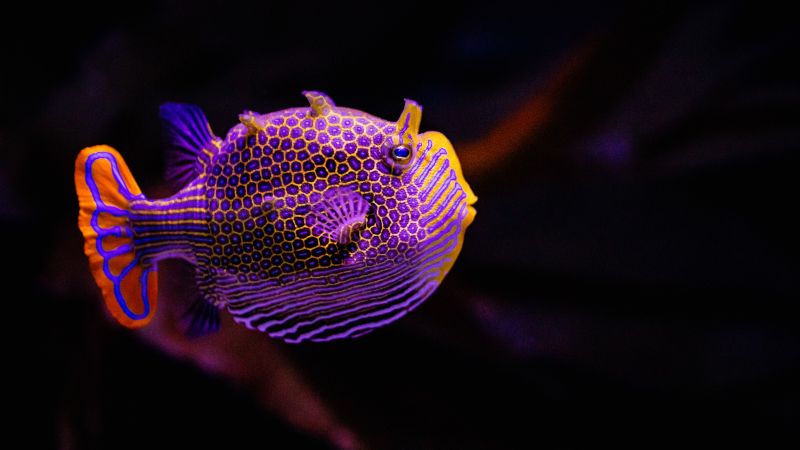
A new study published in the journal Science Advances has updated Alan Turing's theory on how animals develop their distinctive patterns. The study suggests that a mechanism called diffusiophoresis, which describes the movement of molecules in response to a concentration gradient, may create sharp patterns in animals. By incorporating diffusiophoresis into Turing's equation, the simulations showed that the molecules' path created sharp outlines, unlike the fuzzy spots predicted by Turing's theory alone. The findings have implications for understanding pattern formation in animals and may lead to further research on diffusiophoresis in other biological processes.

science-and-technology2 years ago

Cracking the Code: Unraveling the Mystery of Animal Patterns

Scientists at the University of Colorado Boulder have proposed a solution to the age-old question of how animals develop their distinct patterns. Drawing on the work of computer pioneer Alan Turing, the researchers suggest that the same physical process used to remove dirt from laundry, known as diffusiophoresis, could play a role in the formation of patterns in tropical fish and other animals. By incorporating diffusiophoresis into Turing's reaction-diffusion model, the team was able to simulate sharp and defined patterns similar to those found in nature. The findings could have implications for the development of new materials and drugs, and may also improve our understanding of biological pattern formation.

science2 years ago

"Sperm Swimming Unveils Nature's Mathematical Secrets"

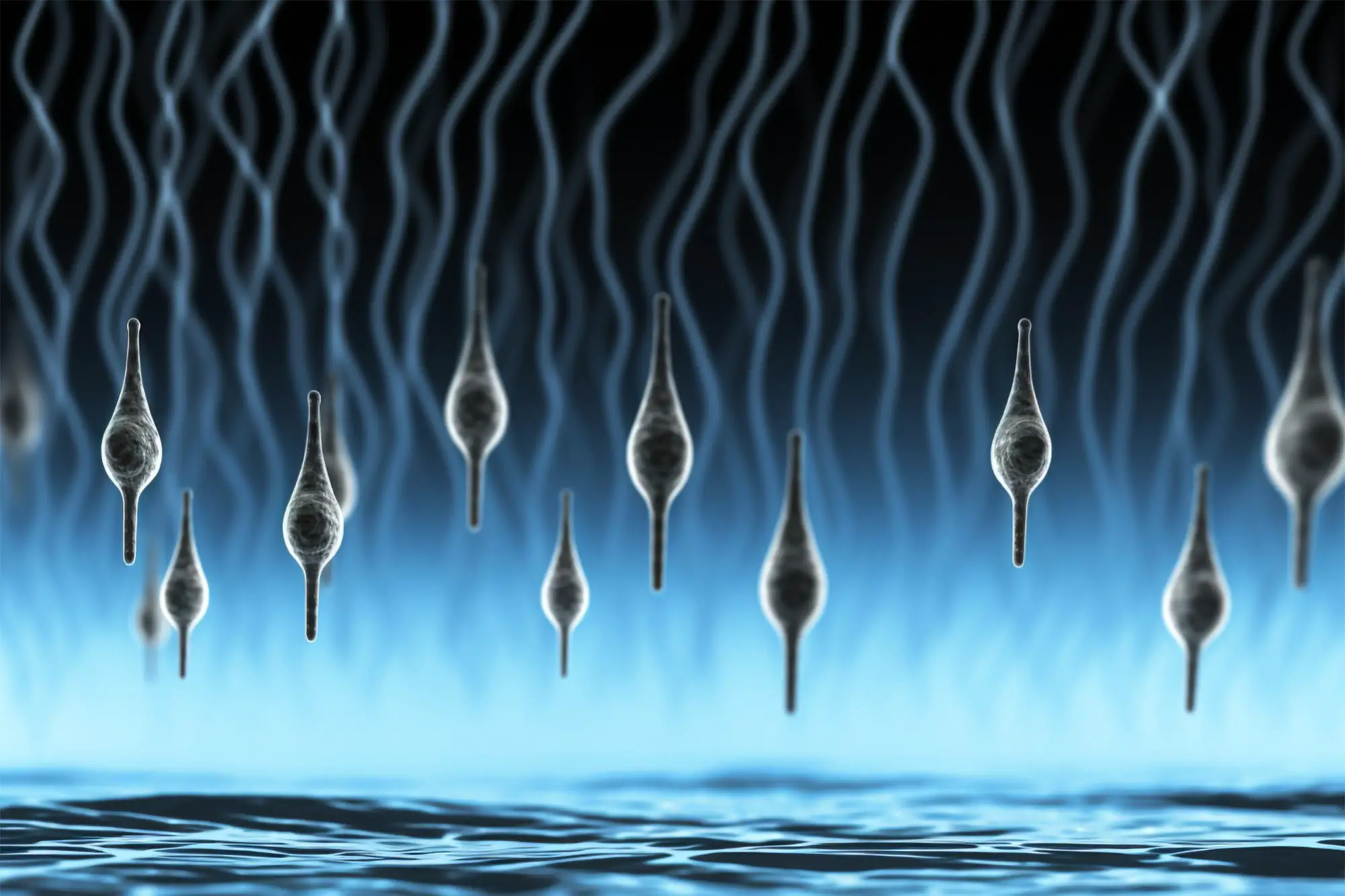
A new study has discovered a mathematical connection between the patterns formed by chemical interactions, as proposed by mathematician Alan Turing, and the movement of sperm tails. The research reveals that the same template for pattern formation discovered by Turing also governs the movement of flagella, such as sperm tails and cilia. This breakthrough not only deepens our understanding of natural patterns but also has potential applications in fields such as medicine and robotics. The findings may help in understanding fertility issues related to abnormal flagellar motion and could be explored for robotic applications and artificial muscles.

science-and-technology2 years ago

"The Revolutionary Mindset of Alan Turing: Harnessing the Power of Negative Thinking"

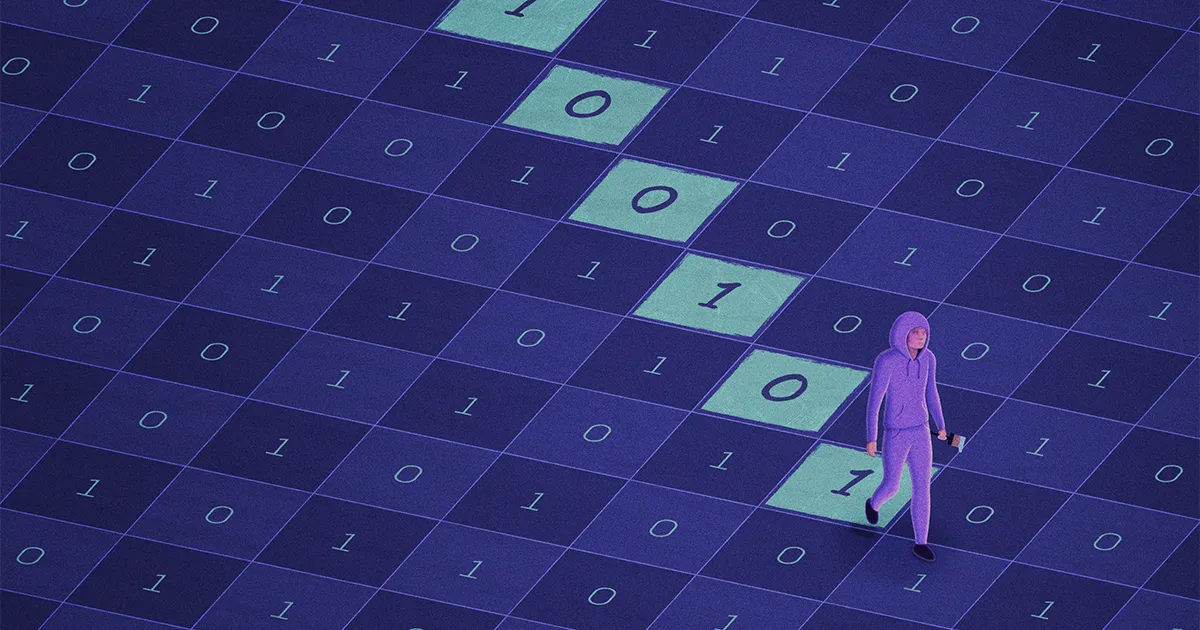
Alan Turing, the pioneering computer scientist, proved the existence of "uncomputable" problems using a counterintuitive strategy called diagonalization. Diagonalization is a mathematical technique that builds up a missing string bit by bit, ensuring that the new string differs from every string on the original list. Turing used this technique to construct an obstinate problem that would thwart every algorithm on an infinite list of possible algorithms. While diagonalization has its limitations, it remains a key tool in complexity theorists' arsenal and has been used to make significant progress in understanding computational complexity.

science2 years ago

The Fascinating World of Gene-Edited Snakes and Their Evolutionary Mysteries

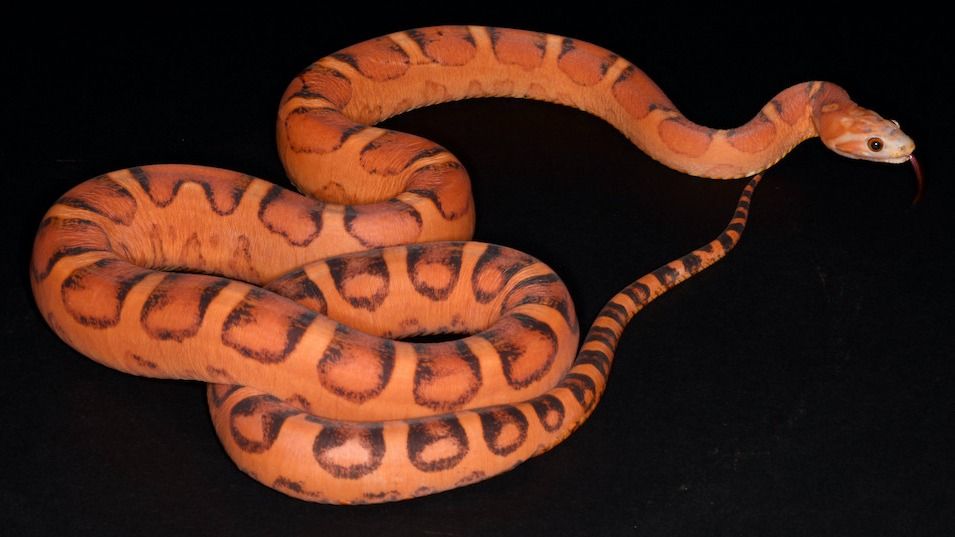
Scientists have used CRISPR gene-editing to create the world's first genetically modified snakes, which lack the hexagonal scales found on the dorsal-lateral scales of corn snakes. The researchers found that the spatial organisation of the placodes that determine the positioning of the scales follows a pattern first explained by mathematician Alan Turing. The study provides new insight into how snakes develop their precisely patterned scales, which are the result of placodes, small, thickened structures on the skin that develop at the embryonic level.

science2 years ago

Chia seed experiment confirms Alan Turing's mathematical model.

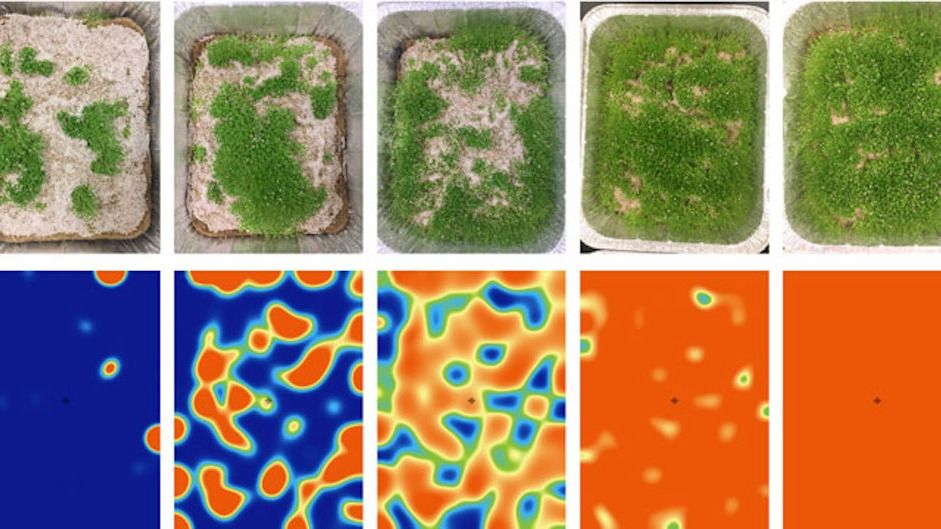
A mathematical model proposed by Alan Turing 71 years ago has been confirmed by an experiment involving chia seeds. The model explains how patterns arise in nature due to a chemical reaction between two homogeneous substances. The researchers found that the amount of water and evaporation affected the creation of the patterns and how pronounced they appeared. The experiment is a great example of Turing's genius for explaining the natural world.