
Tag

Computational Complexity Theory

All articles tagged with #computational complexity theory

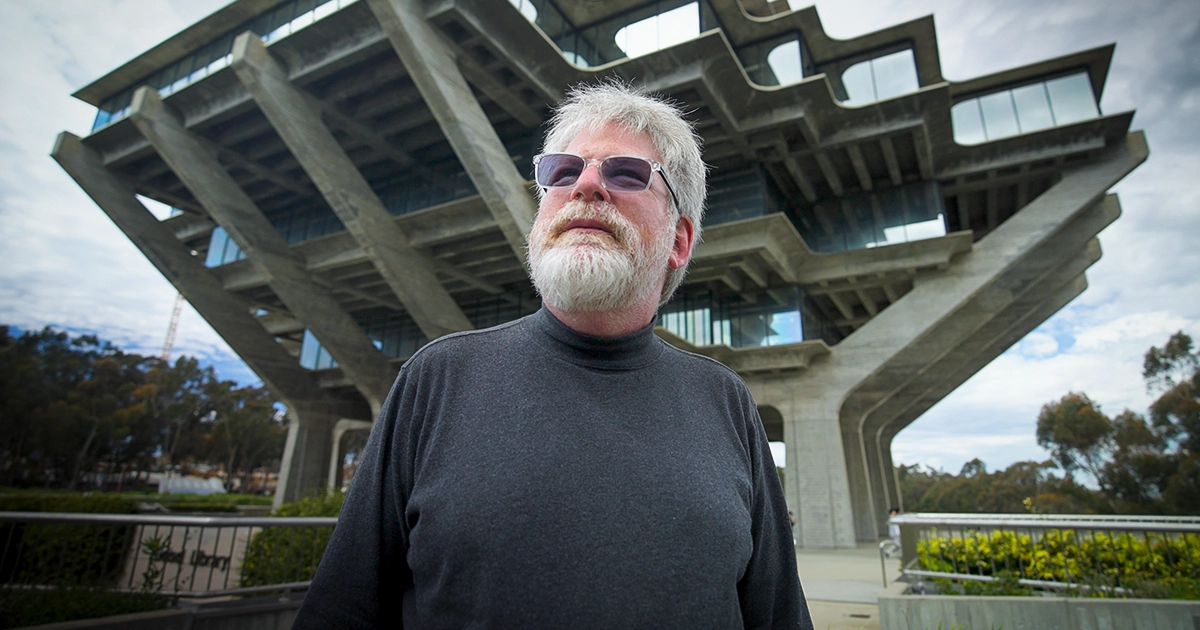
"Exploring Computation: Conjuring New Worlds"

Originally Published 1 year ago — by Quanta Magazine

Featured image for "Exploring Computation: Conjuring New Worlds"
Source: Quanta Magazine

Russell Impagliazzo, a computer scientist at the University of California, San Diego, has made significant contributions to computational complexity theory, cryptography, and the study of randomness in computation. His work includes formulating the P versus NP problem in terms of five hypothetical worlds, which has inspired a generation of researchers. Impagliazzo's love for tabletop role-playing games and improv comedy has also influenced his research, providing him with a playful spirit and a collaborative approach to exploring hypothetical worlds and solving complex computational problems.

"The Revolutionary Mindset of Alan Turing: Harnessing the Power of Negative Thinking"

Originally Published 2 years ago — by Quanta Magazine

Featured image for "The Revolutionary Mindset of Alan Turing: Harnessing the Power of Negative Thinking"
Source: Quanta Magazine

Alan Turing, the pioneering computer scientist, proved the existence of "uncomputable" problems using a counterintuitive strategy called diagonalization. Diagonalization is a mathematical technique that builds up a missing string bit by bit, ensuring that the new string differs from every string on the original list. Turing used this technique to construct an obstinate problem that would thwart every algorithm on an infinite list of possible algorithms. While diagonalization has its limitations, it remains a key tool in complexity theorists' arsenal and has been used to make significant progress in understanding computational complexity.