Decoding Animal Patterns: From Turing's Theory to Laundry Cleaning
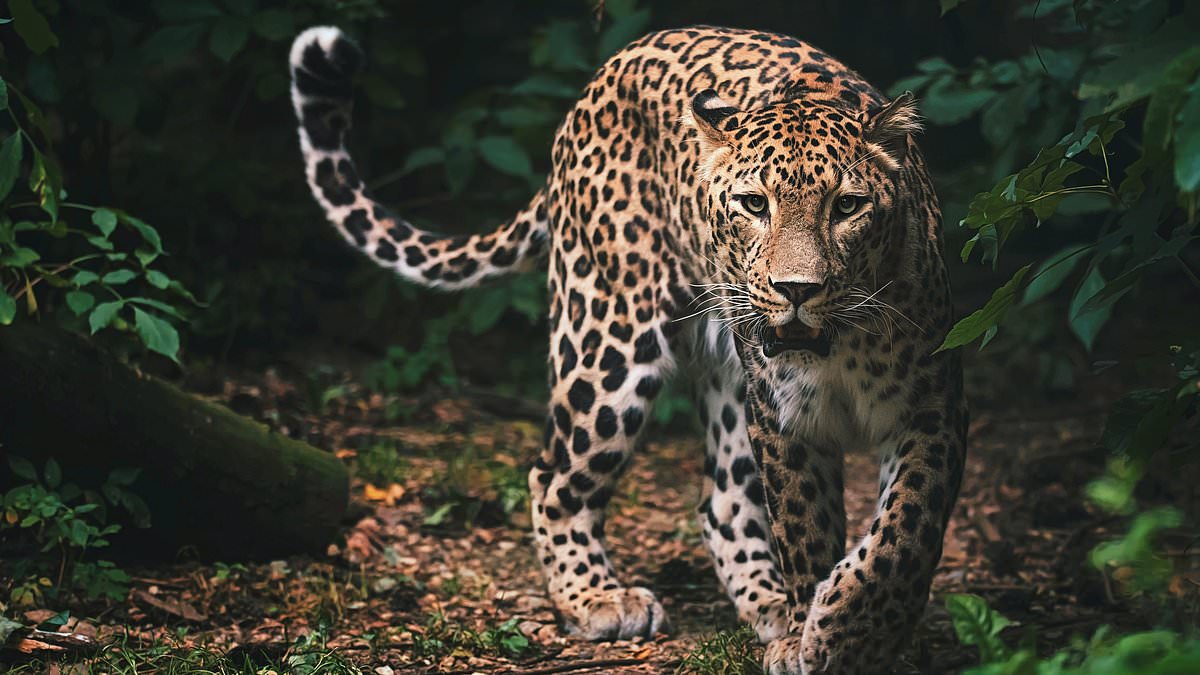
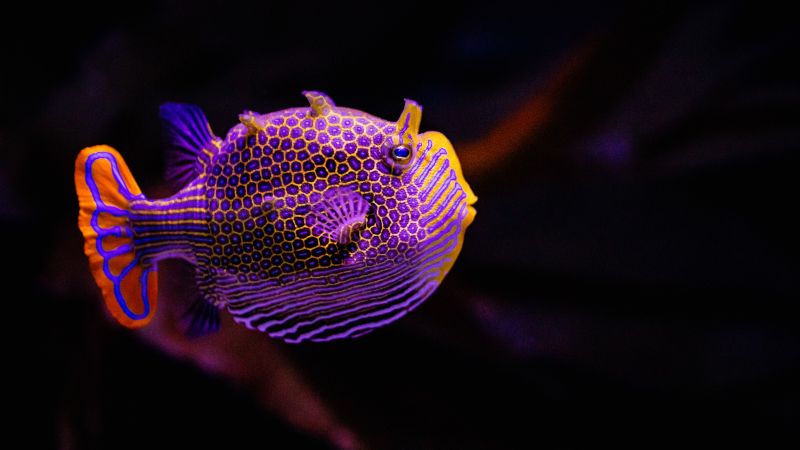
A new study published in the journal Science Advances has updated Alan Turing's theory on how animals develop their distinctive patterns. The study suggests that a mechanism called diffusiophoresis, which describes the movement of molecules in response to a concentration gradient, may create sharp patterns in animals. By incorporating diffusiophoresis into Turing's equation, the simulations showed that the molecules' path created sharp outlines, unlike the fuzzy spots predicted by Turing's theory alone. The findings have implications for understanding pattern formation in animals and may lead to further research on diffusiophoresis in other biological processes.