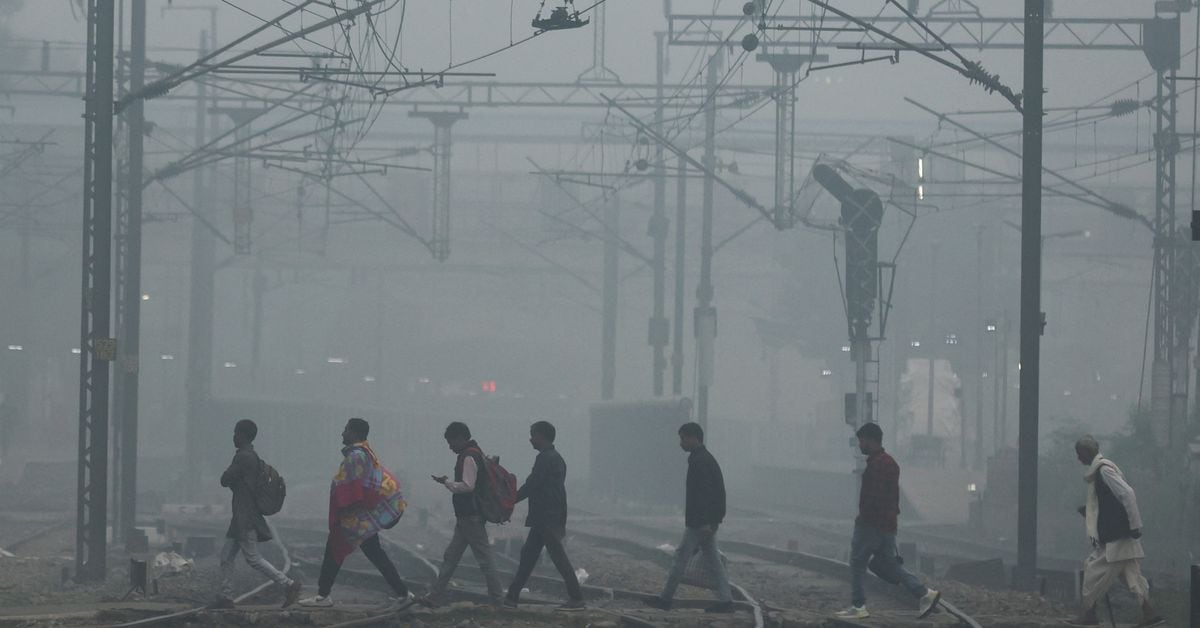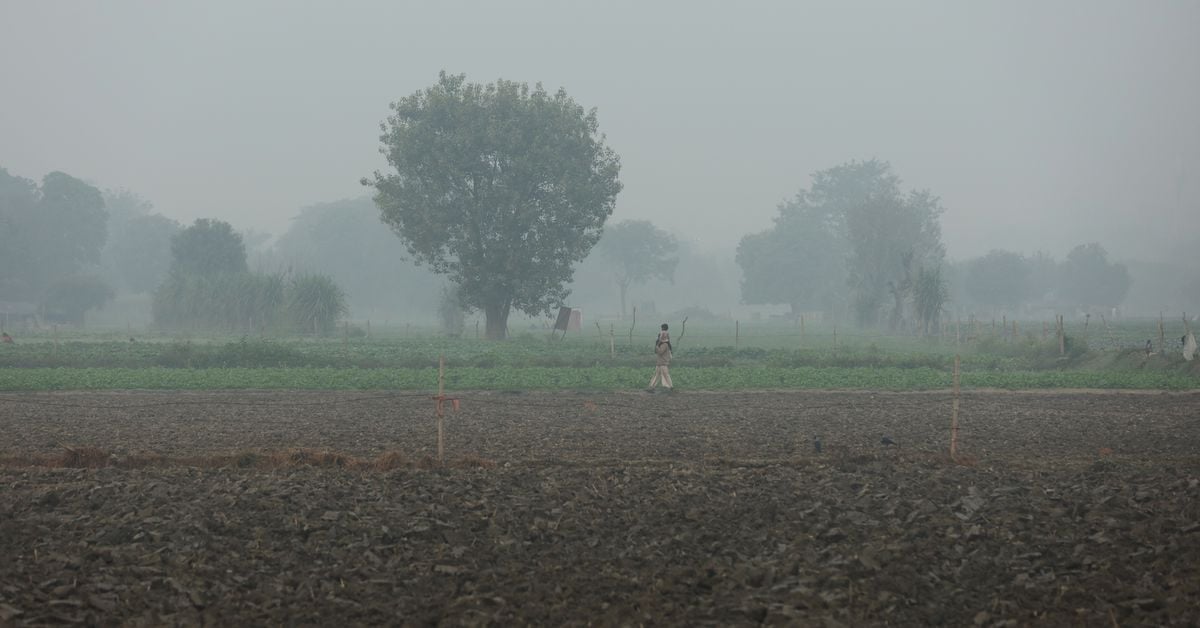
Overnight rain in New Delhi has brought some relief from the toxic air pollution that has plagued the city, improving the air quality index (AQI) to 158 on Friday. The local government has postponed its decision to restrict vehicle use, which was scheduled between November 13-20, due to the improved conditions. The government plans to review the decision after Diwali, when firecrackers contribute to a spike in pollution. Kolkata and Mumbai in India have also seen improvements in air quality due to rain, while Lahore in Pakistan has reopened markets but kept other establishments closed until Monday. The worsening air quality in India has raised concerns during the cricket World Cup.
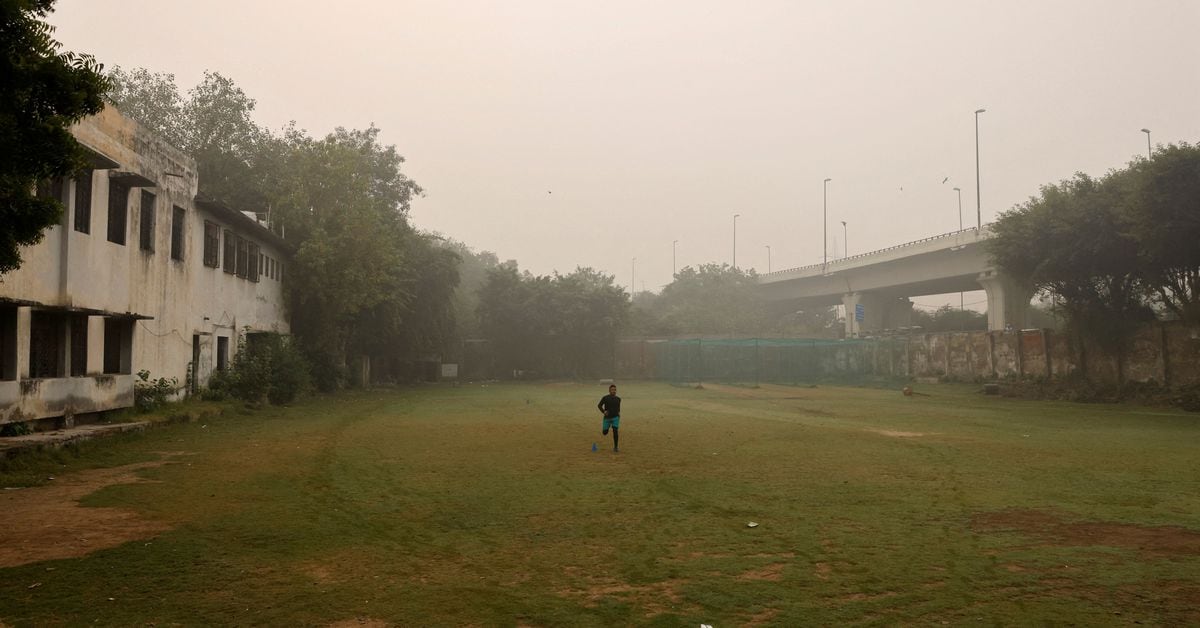
Primary schools in Delhi will remain closed until November 10 due to high pollution levels, with the city's air quality index (AQI) reaching a hazardous level of 471. Grade 6-12 schools have the option to shift to online classes. Delhi currently tops the list of the world's most polluted cities, and the toxic air has even affected Sri Lanka's cricket team, forcing them to cancel their training session ahead of a World Cup match in the heavily-polluted Indian capital.
New Delhi, India's capital, has once again been enveloped in a thick layer of toxic haze, making it the world's most polluted city. The air quality index (AQI) reached the "severe" category, prompting the closure of some schools. The hazardous air quality is attributed to a combination of lower temperatures, a lack of wind, and crop stubble burning in neighboring farm states. Residents are experiencing respiratory issues, and there is a high demand for air purifiers. The pollution is expected to persist for the next few weeks.
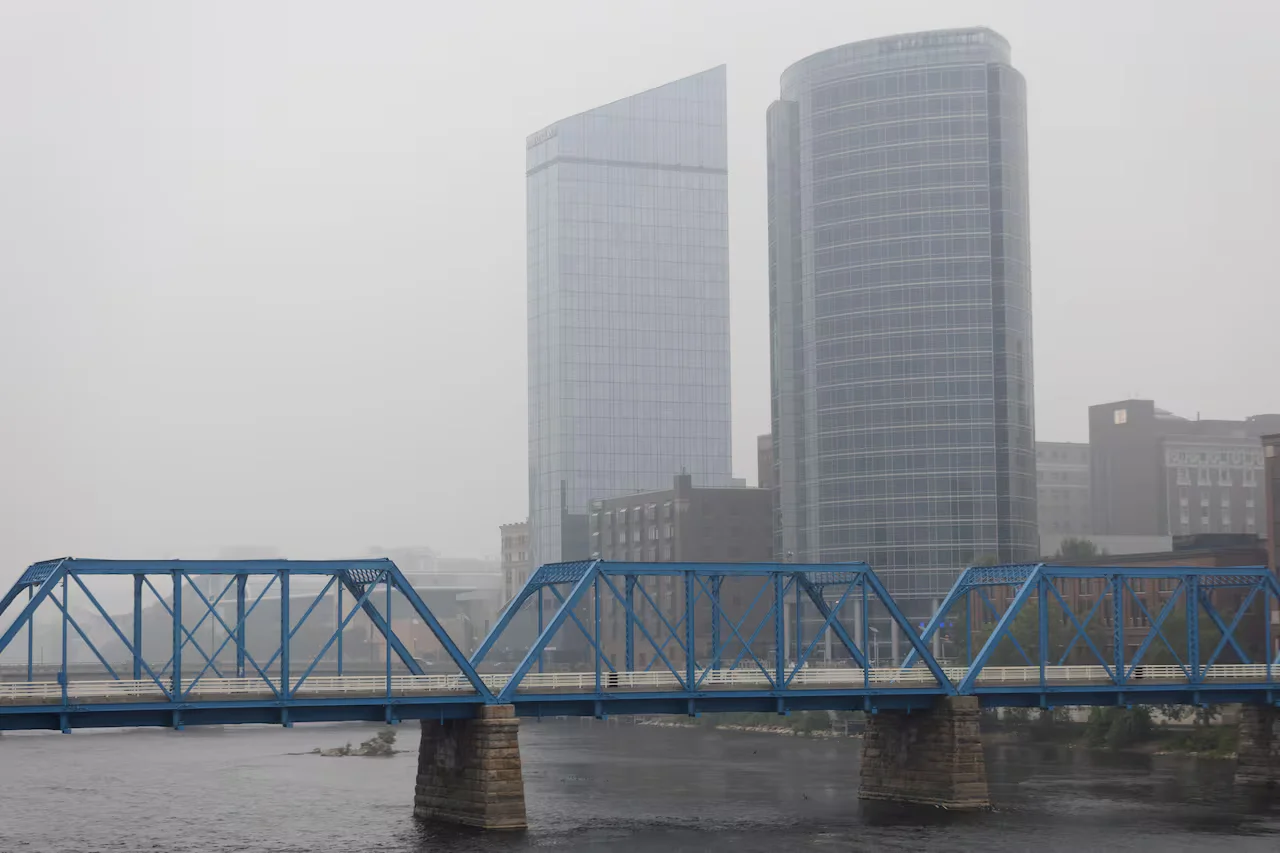
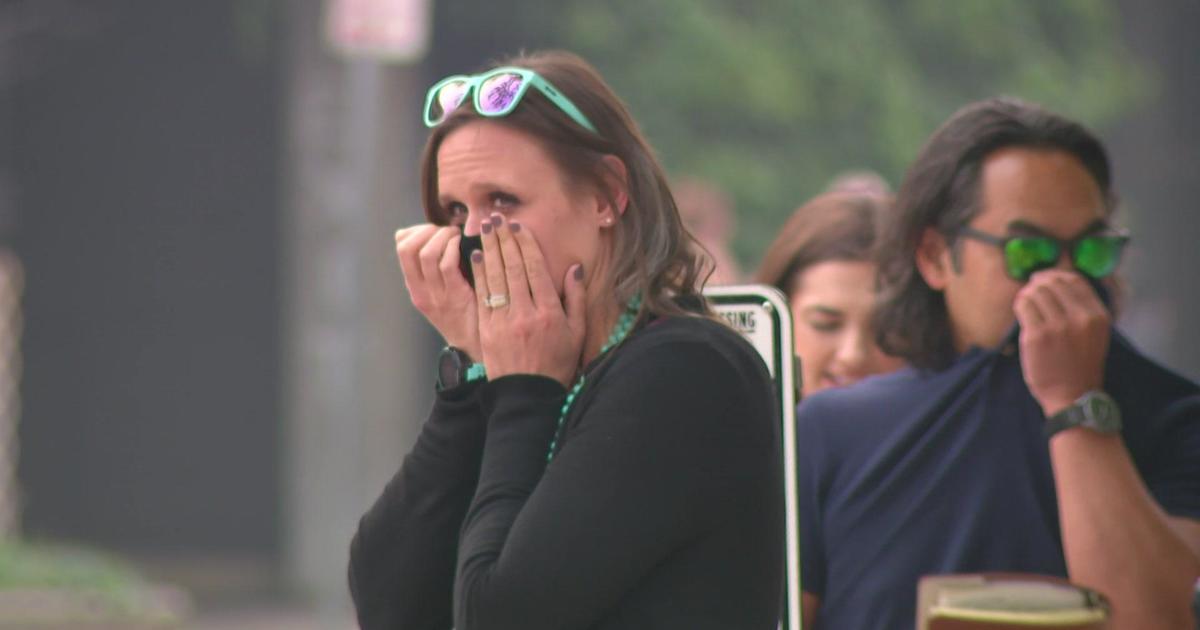
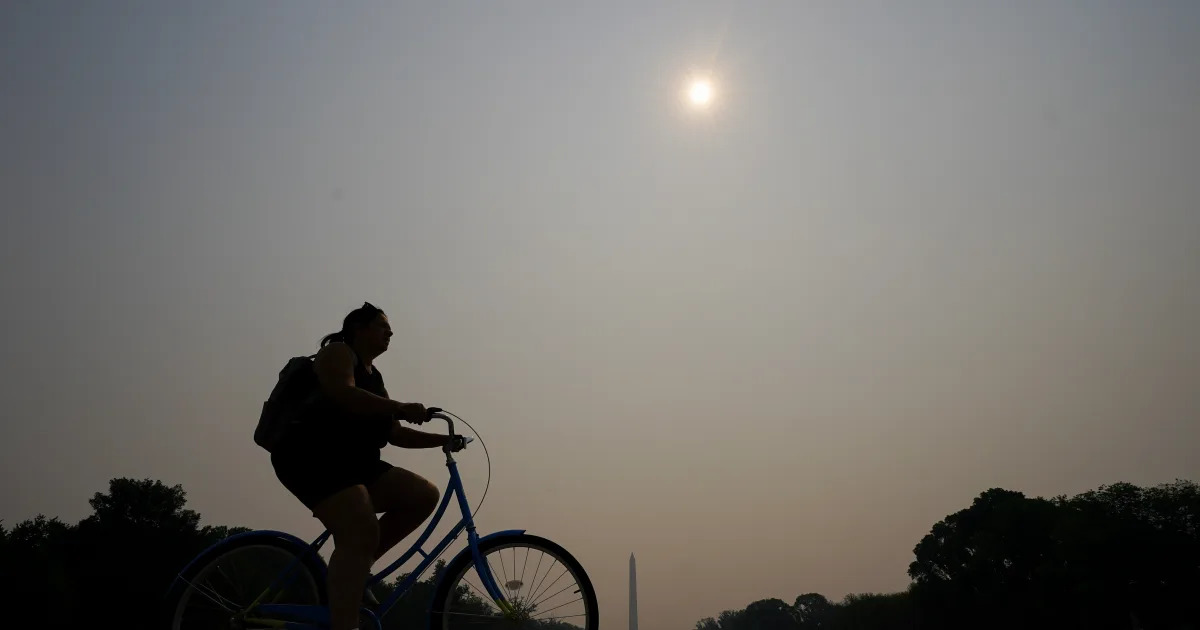
Michigan doctors are warning residents about the dangers of prolonged exposure to unhealthy air caused by smoky air from wildfires in Canada. Short-term health consequences include shortness of breath, chest tightness, cough, sore throat, and irritated eyes, while long-term effects can be irreversible and require invasive procedures. The Air Quality Index in Michigan has reached unhealthy levels, particularly for individuals with underlying conditions. Doctors recommend checking the index and adjusting outdoor plans accordingly, wearing masks to reduce exposure, and limiting outdoor time for children and pets.
Minnesota is currently experiencing the worst air quality in the US due to a combination of wildfire smoke from Canada and ozone pollution. The state has the worst air quality index readings in the country, with the Twin Cities recording the highest levels since records began in 1980. Northern and central Minnesota, including parts of the metro, are under an air quality alert until 6 a.m. Friday, while the remainder of the metro and southeastern Minnesota will be under alert until 8 p.m. Thursday. The smoke and ozone can cause respiratory distress and exacerbate heart conditions, and residents are advised to avoid outdoor burning, wood-burning devices, and reduce car trips and idling.
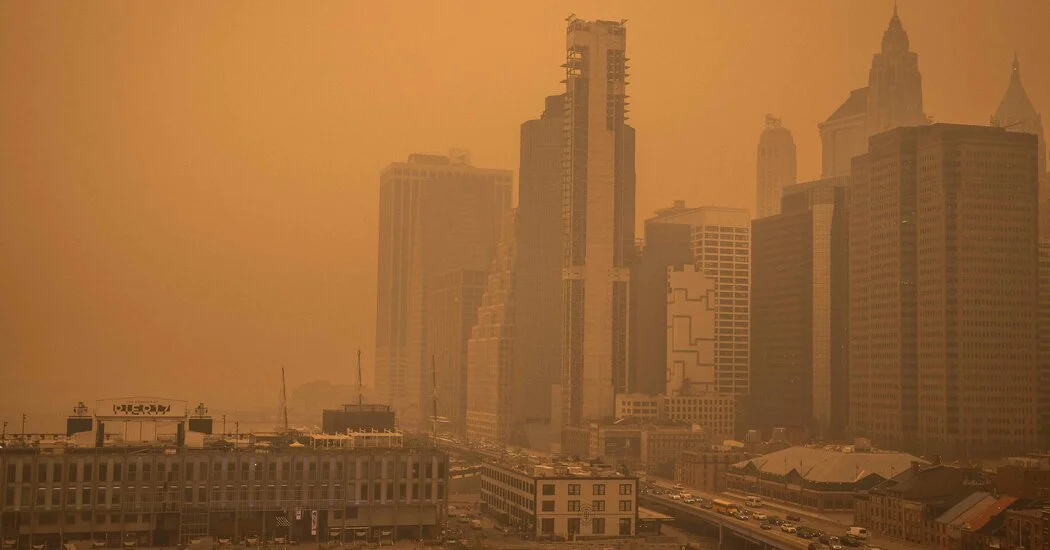
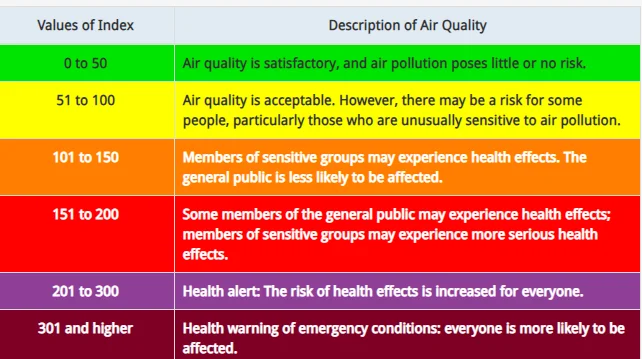
The Air Quality Index in New York City reached 407 this week, indicating hazardous conditions. However, there have been about 40 instances in the past decade when the index has risen above 500, mostly in Western states due to wildfires. A rating between 301 and 500 is considered "hazardous," and air quality at that level will trigger health warnings. People may experience respiratory illnesses, and pollution particles can cause inflammation of the lung tissue and increase vulnerability to infections. The EPA has proposed changes to the AQI to make it more accurate and reflect recent scientific studies about particle pollution and health.
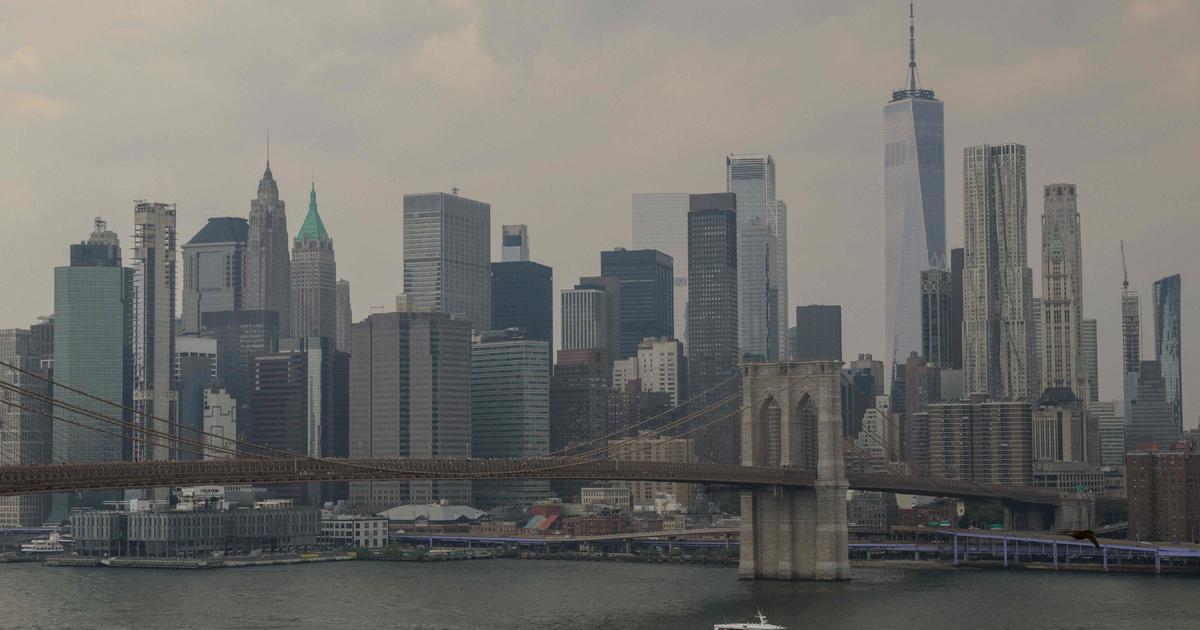
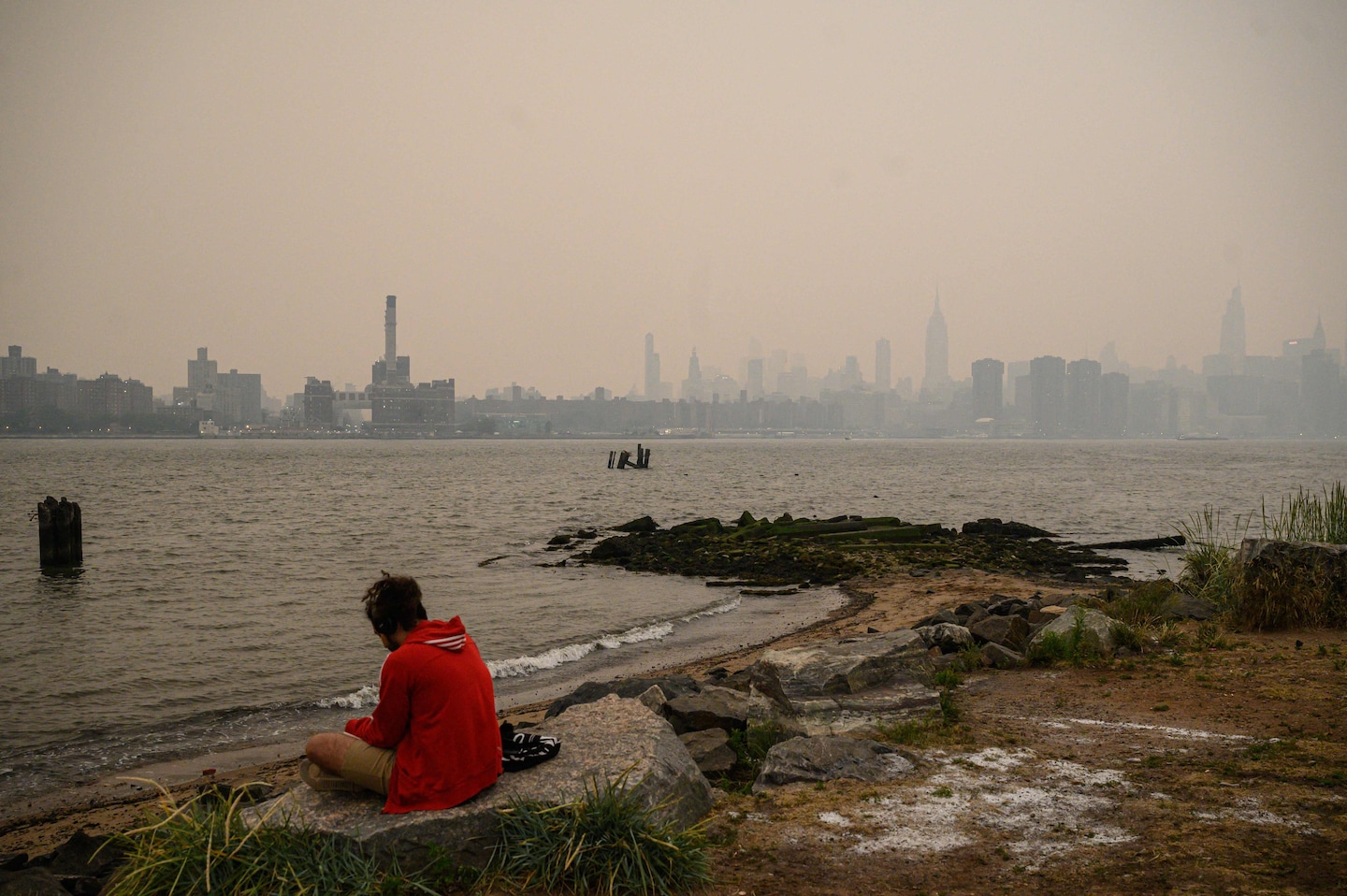
The air quality in New York City is improving, but a health advisory remains in effect until midnight due to unhealthy levels of fine particulate matter in the smoky air. While visibility improved on Thursday, doctors and residents in areas with high asthma rates and poor air quality are concerned about the exacerbation of pollution. Local businesses, including restaurants, are feeling the effects of the advisory. Several events were postponed or canceled on Thursday, but Governors Ball is set to kick off on Friday. People should keep an eye out for symptoms in the coming days as small particulate matter can cause inflammation days after exposure.
With the increase in smoke due to wildfires, people are checking the Air Quality Index for their area. The Onondaga County Health Commissioner advises people to take action based on the color of the index. The index is monitoring particulate matter, specifically fine particulate matter, which can be harmful to health. It is important to stay informed and take necessary precautions to protect oneself.
Air quality levels in parts of Canada and the US have worsened due to smoke from wildfires, with New York City having the worst air quality of any major city in the world. The Environmental Protection Agency's Air Quality Index (AQI) measures air quality based on five major pollutants regulated by the Clean Air Act. The AQI ranges from zero to 500, with values above 151 indicating a health risk for some people, and values above 301 constituting a "health warning of emergency conditions." The EPA recommends taking precautions to protect yourself from smoke pollution, including limiting outdoor activities and keeping indoor air clean.
The U.S. Air Quality Index measures five major pollutants and ranges from 0 to 500, with higher values indicating worse air quality. Code Green represents good air quality, while Code Purple means the air is hazardous and serves as a "health warning of emergency conditions." The Environmental Protection Agency recommends reducing exposure to pollution, especially for those at increased health risk, such as people with asthma.