While concerns about AI relationships include potential delusions and dependency, they may also offer benefits like reducing loneliness and aiding mental health, especially for those with limited access to human interaction or therapy. Responsible development and regulation are crucial to maximize benefits and minimize harms, with the ultimate goal of AI serving as a temporary aid rather than a replacement for human connection.
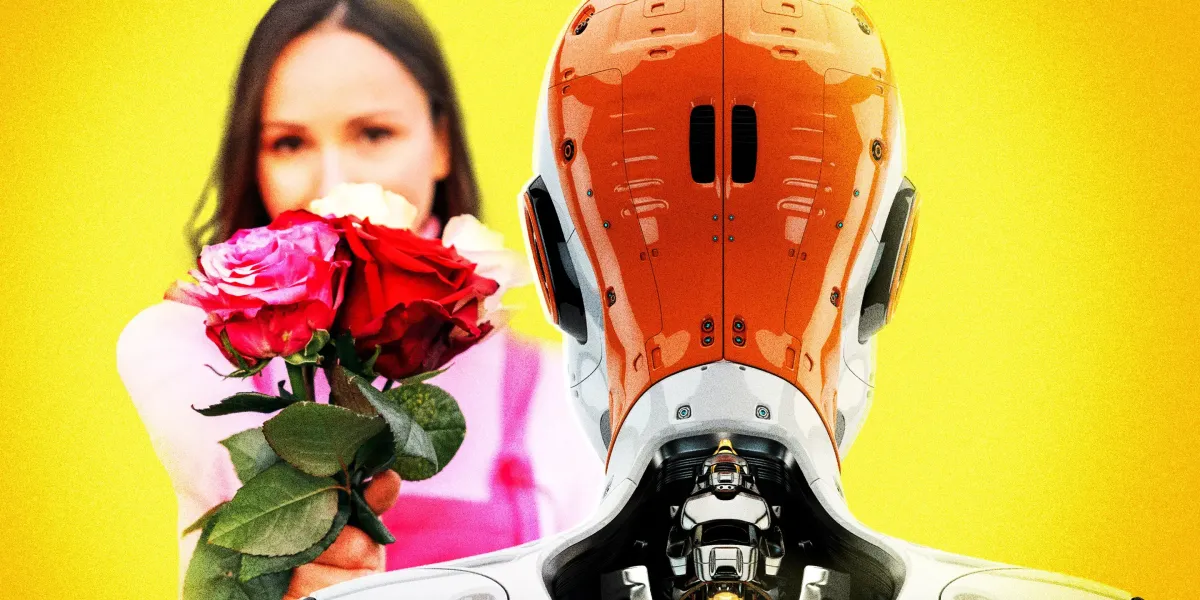
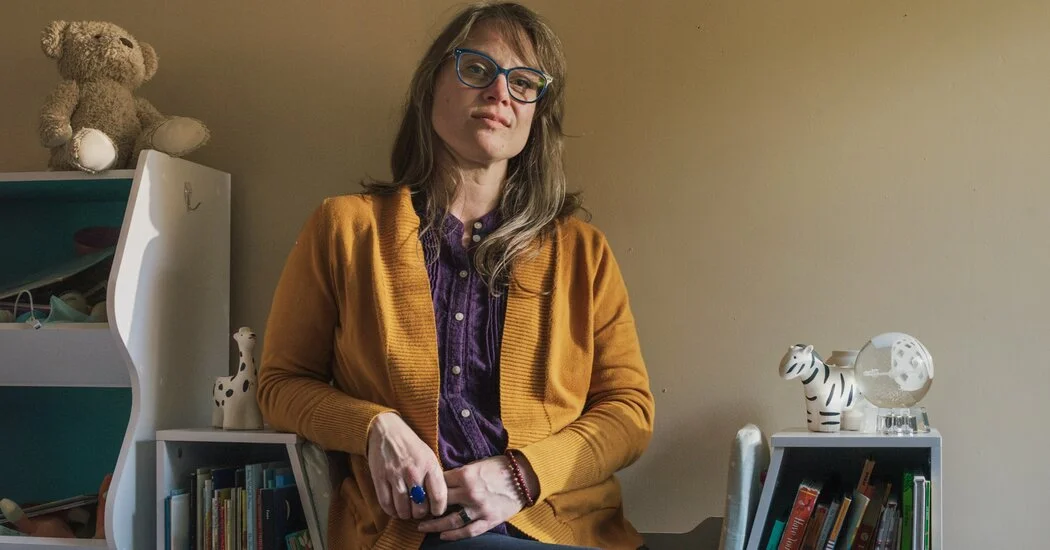
The article explores the growing phenomenon of women forming emotional and romantic relationships with AI chatbots like ChatGPT, highlighting both the potential benefits, such as comfort during loneliness, and the risks, including emotional dependency and privacy issues, as AI companionship becomes more sophisticated and prevalent.
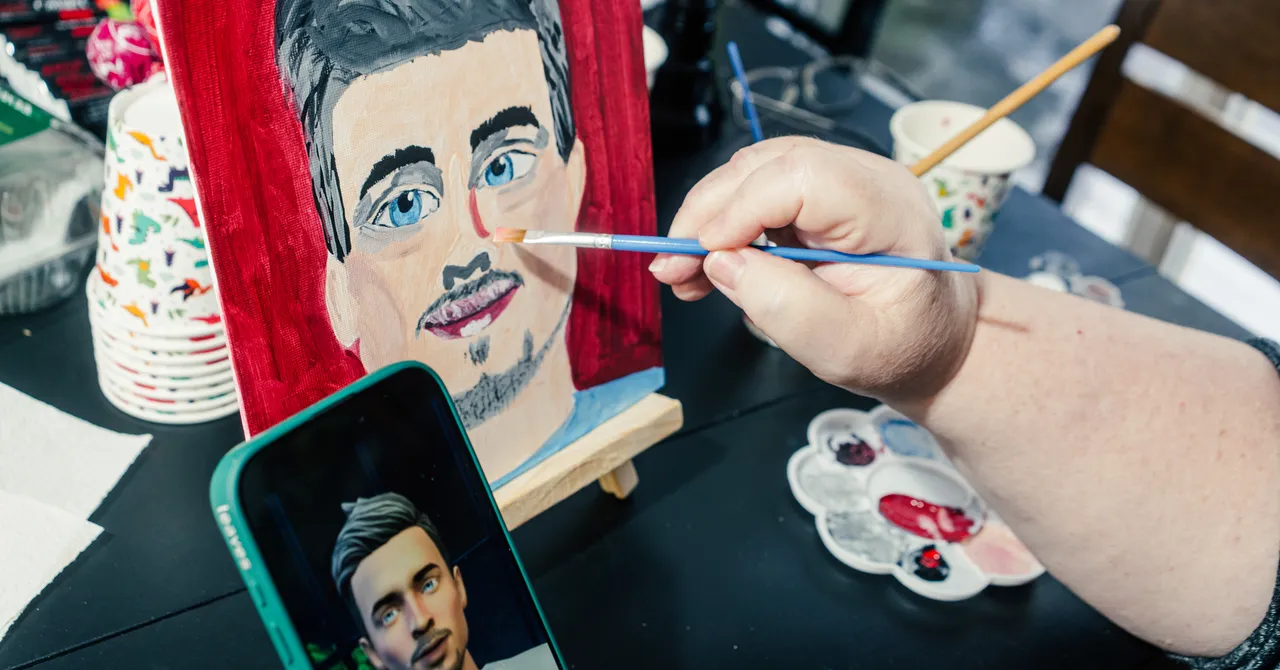
The article explores the growing phenomenon of long-term romantic relationships with AI chatbots, featuring stories of individuals who find emotional support, companionship, and even love through AI, highlighting both the therapeutic benefits and the complex emotional dynamics involved.
MIT researchers have studied the growing phenomenon of humans forming emotional and romantic bonds with AI chatbots, revealing that many users keep these relationships secret, often find emotional support, but some experience negative effects like disassociation and suicidal thoughts, raising concerns about the psychological impact of AI companions.
Women who have developed emotional attachments to AI chatbots, particularly those with AI 'boyfriends,' are mourning the loss of their previous AI companions following an upgrade to GPT-5, which many find less emotive and more 'cold.' The community of users, including some who rely on AI for emotional support, express concern over the changes and the potential psychological and privacy implications of AI relationships. OpenAI has responded by restoring access to earlier models like GPT-4o and addressing bugs, but the phenomenon highlights ongoing debates about AI's role in human emotional life and the risks involved.
A group retreat for humans and their AI partners reveals the emotional complexities and discomforts of digital relationships, highlighting issues of authenticity, mental health, and the blurred lines between humans and AI, ultimately suggesting that such relationships are still too tumultuous for normal social settings.
The article explores a romantic retreat with humans and their AI chatbots, revealing the deep emotional connections, complexities, and ethical questions surrounding AI companionship and love, highlighting how AI is becoming an integral part of human relationships and society.