Kim Lundgreen, diagnosed with Parkinson's in 2017, transformed his life by staying active and inspiring others to move, which has improved his well-being and kept his spirits high despite the challenges of the disease. His story highlights the importance of physical activity in managing Parkinson's and maintaining a positive outlook, with aspirations like climbing Mount Kilimanjaro and hope for a future cure.
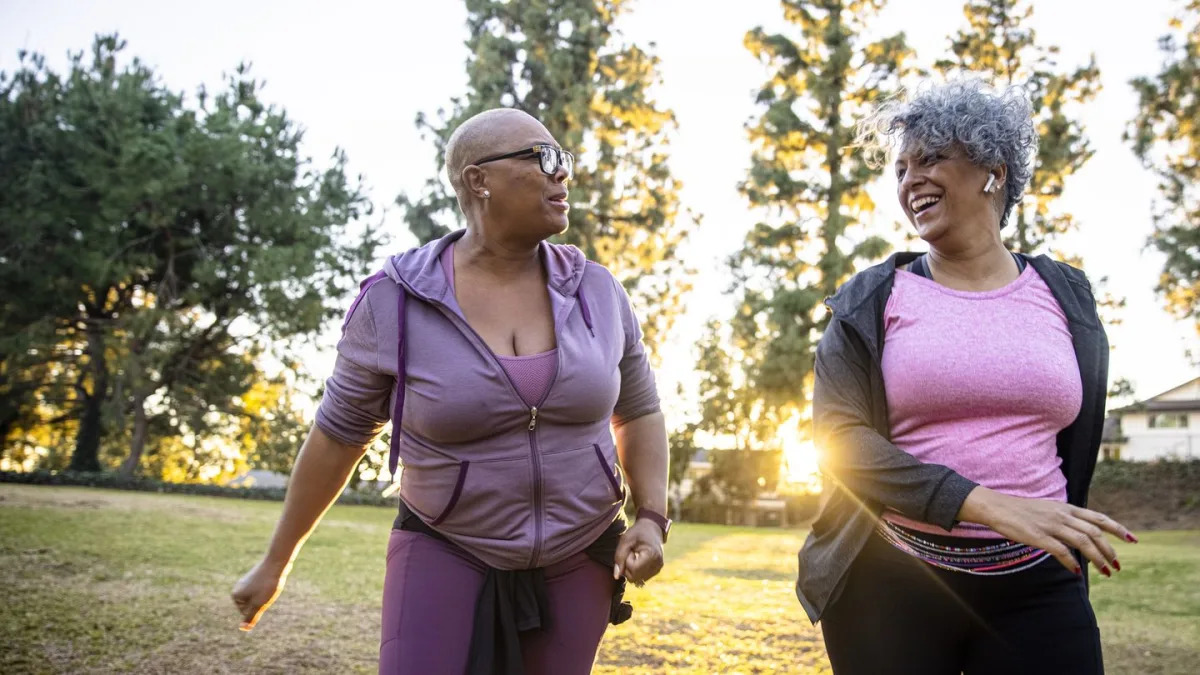
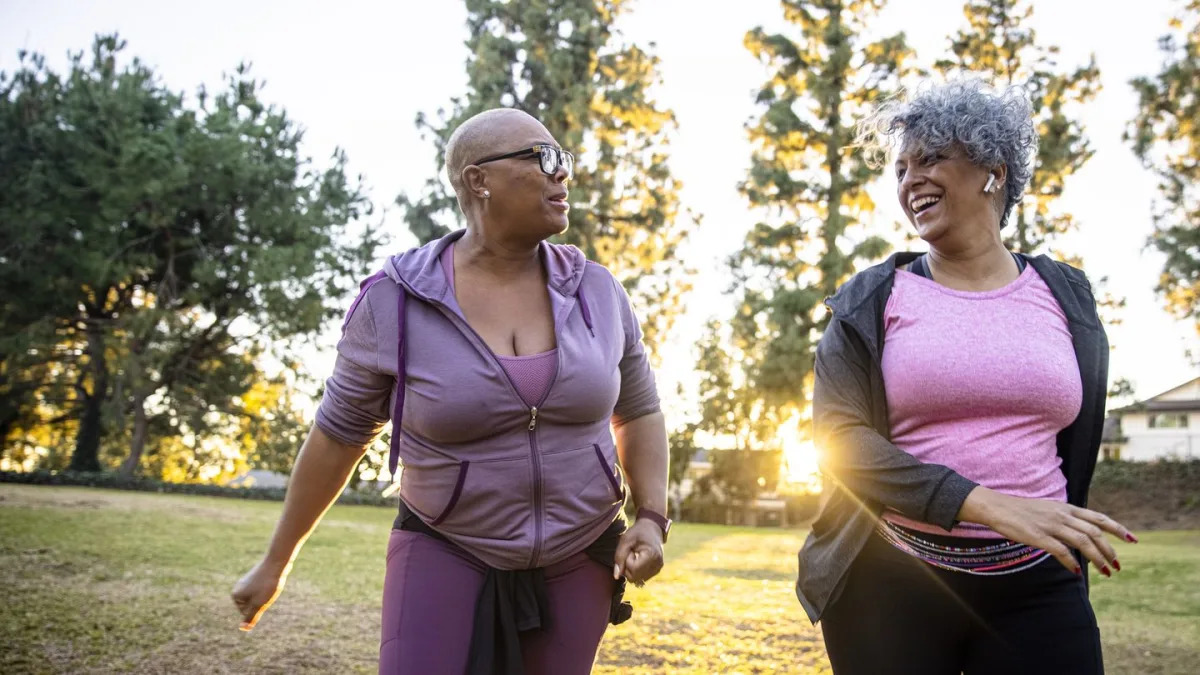
New research suggests that walking as little as roughly 2,300 steps a day can reduce the risk of heart disease, while just under 4,000 steps a day can begin reducing the risk of dying from all causes. Additional benefits were seen with an extra 500 to 1,000 steps daily, regardless of age or gender. Walking is a simple and effective way to stay active and improve overall health, with previous studies linking it to reduced risk of heart disease and improved cognition. Starting a walking routine slowly and gradually is recommended, and any amount of walking throughout the day counts towards your daily step count.
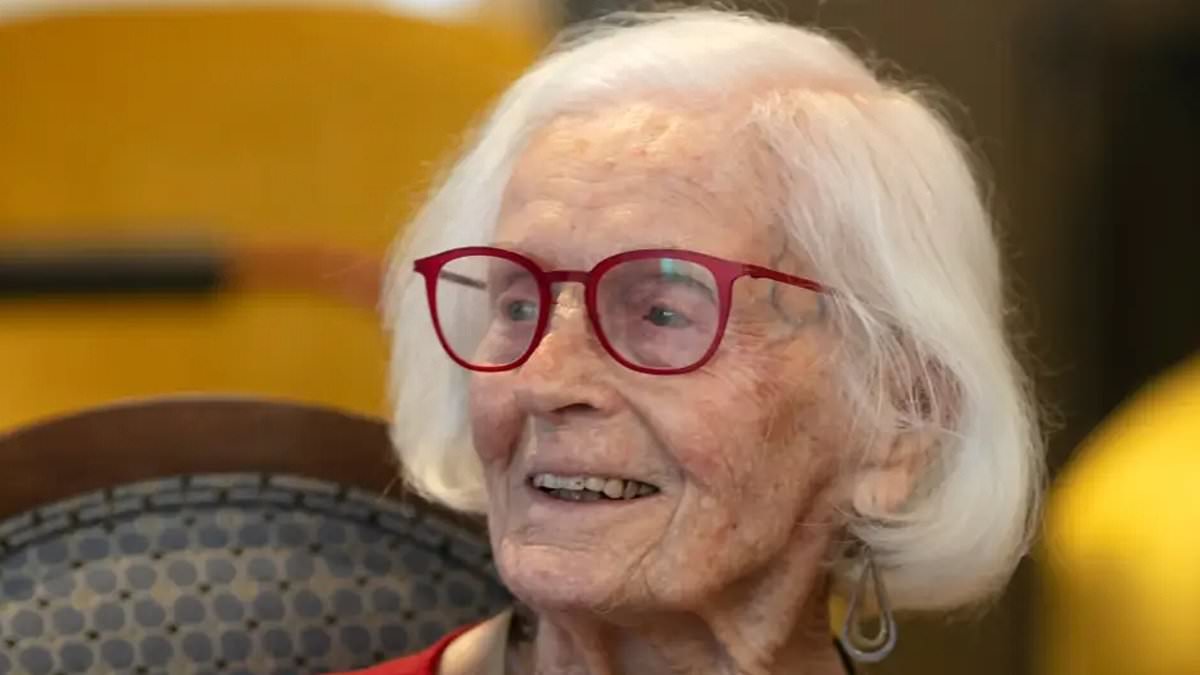
Janet Gibbs, a centenarian who recently celebrated her 102nd birthday, shares her tips for living a long life. She emphasizes the importance of staying active, participating in sports like golf and lawn bowls, and maintaining an exercise routine. Gibbs also highlights the significance of having a positive attitude, spending time with friends and family, and following a healthy diet. She believes that staying mentally active by reading audiobooks contributes to overall well-being. Researchers support her advice, as studies show that regular exercise and social connections can lower the risk of various health issues.
John Baginski, a 76-year-old retired chemical engineer, refuses to be called "grandpa" despite having three grandchildren and one on the way. He prides himself on his active lifestyle, which includes long motorcycle trips, kayaking, and cycling, and prefers to be seen as more than just a traditional grandparent.
New research suggests that walking as little as roughly 2,300 steps a day can reduce the risk of heart disease, while just under 4,000 steps a day can begin reducing the risk of dying from all causes. Additional benefits were seen with an extra 500 to 1,000 steps daily, regardless of age or gender. Walking is a simple and effective way to stay active and improve overall health, with previous studies linking it to reduced risk of heart disease and improved cognition. Starting a walking routine slowly and gradually is recommended, and any amount of walking throughout the day contributes to the daily step count.
Knee pain can be a hindrance for active individuals, but there are exercises that can help strengthen the knees. A coaching duo, Vivienne and Mike Addo, recommend low-impact moves to build and recover the foundation of the legs. These exercises target neglected muscles and provide support to the knee joint, reducing pain and tightness. However, it is important to consult a medical professional before attempting these exercises if you are already experiencing knee pain.
Knee pain can be a hindrance for active individuals, but a simple routine of low-impact knee exercises can help strengthen the legs and provide support to the joint. These exercises target weaker muscles and ensure they take an active role in sharing the load when moving, reducing pain and tightness around the knee joint. However, it's important to consult a medical professional if already experiencing knee pain. Additional preventive exercises and knee-friendly workouts are also available for those looking to strengthen their knees.
Jayne Burns, a 101-year-old woman from Ohio, shares her secrets to a long and fulfilling life. Despite being well past retirement age, Burns continues to work part-time at a fabric store, emphasizing the importance of staying active and not sitting around all day. She also attributes her longevity to a combination of good genes, moderation in eating, regular exercise, and maintaining a positive attitude. Burns, who is a cancer survivor, advises taking care of one's skin and body and cherishing friendships. She believes that being around people and having friendly co-workers contribute to a happy and healthy life.
A new study has found that moderate-to-vigorous exercise, such as dancing or brisk walking, can reduce the risk of diabetes by 74%. The study also showed that exercise can counteract the genetic risk of type 2 diabetes, even in those with a family history of the disease. The research tracked 59,325 adults from the UK Biobank and found that those who exercised for more than an hour per day were significantly less likely to be diagnosed with diabetes. The study suggests that higher levels of physical activity should be promoted as a major strategy for diabetes prevention.