
"Doomsday Glacier Melting Rapidly, Posing Major Threat to Coastal Areas"
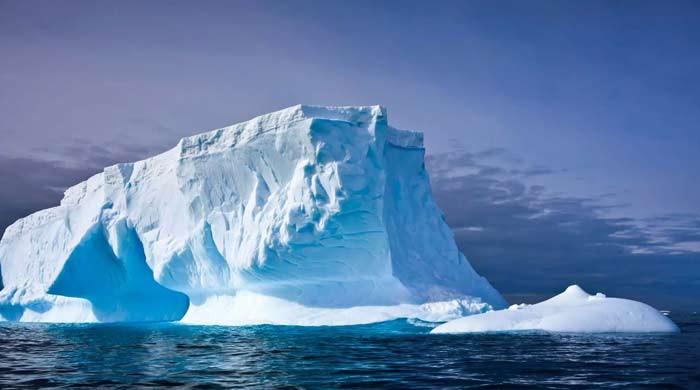
TL;DR Summary
A significant decline in Antarctic sea ice, described as a once-in-2,000-years event, has been observed, with 2023 seeing a reduction of over 2 million square kilometers. This unprecedented loss, linked to climate change, could have major impacts on marine ecosystems and global weather patterns, according to a study by the British Antarctic Survey. Researchers used climate models to assess the likelihood and implications of this decline.
- This world event happens once in 2,000 years The News International
- Warm water is sneaking underneath the Thwaites Glacier — and rapidly melting it Science News Magazine
- Once-in-a-2000-Year Event: Study Explains Unprecedented Antarctic Ice Loss Equivalent to 10x the Size of the UK SciTechDaily
- What is 'Doomsday Glacier' and how ocean water accelerates its melting: Study raises concerns The Times of India
- New Study Predicts The Doomsday Glacier Will Rapidly Melt Within Two Decades With Potential Calamitous Consequences For Coastal Communities MSN
Reading Insights
Total Reads
0
Unique Readers
6
Time Saved
1 min
vs 2 min read
Condensed
79%
316 → 66 words
Want the full story? Read the original article
Read on The News International