"Unearthing Europe's Human History: Surprising Discoveries and Rewritten Narratives"
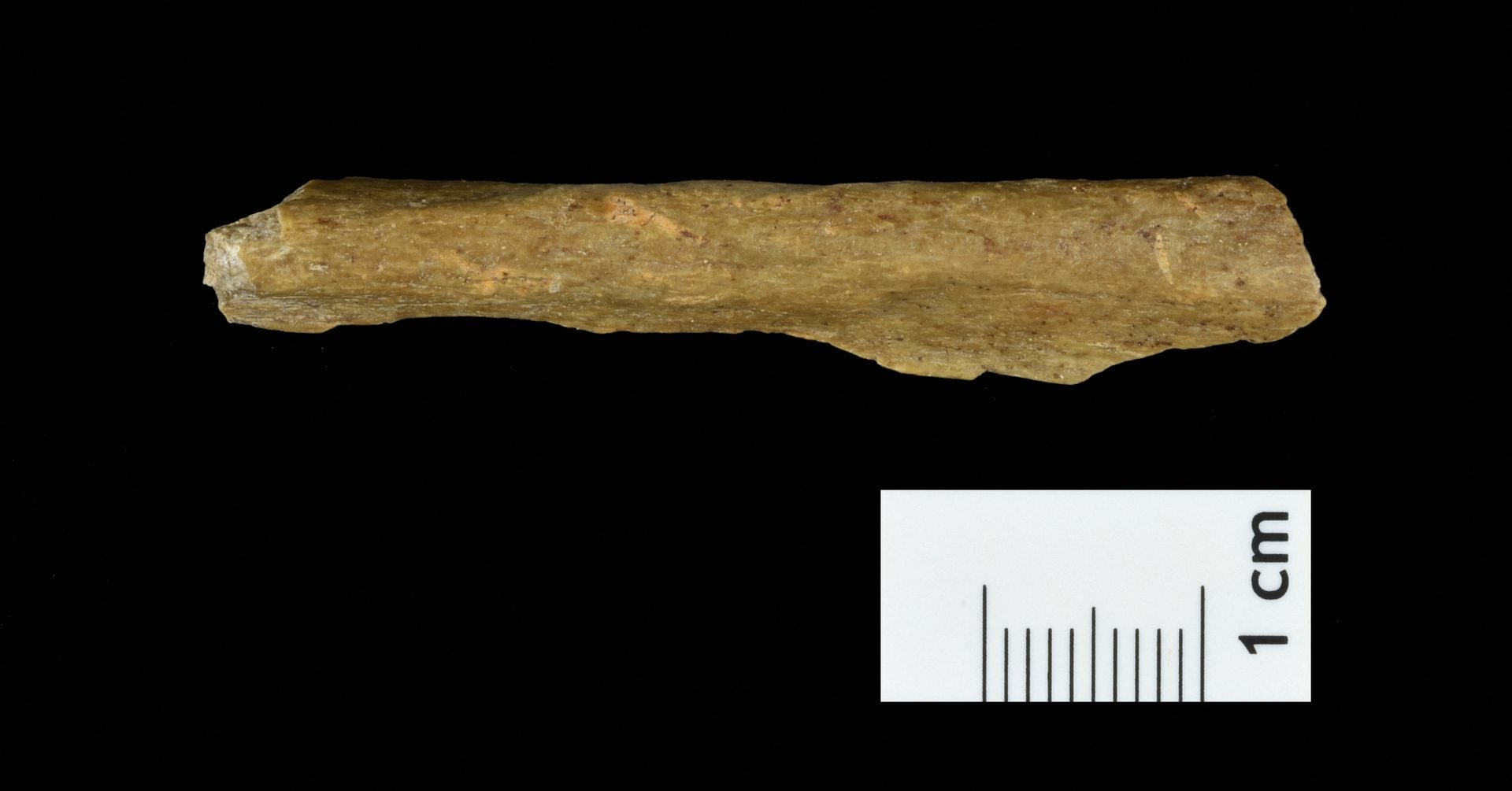
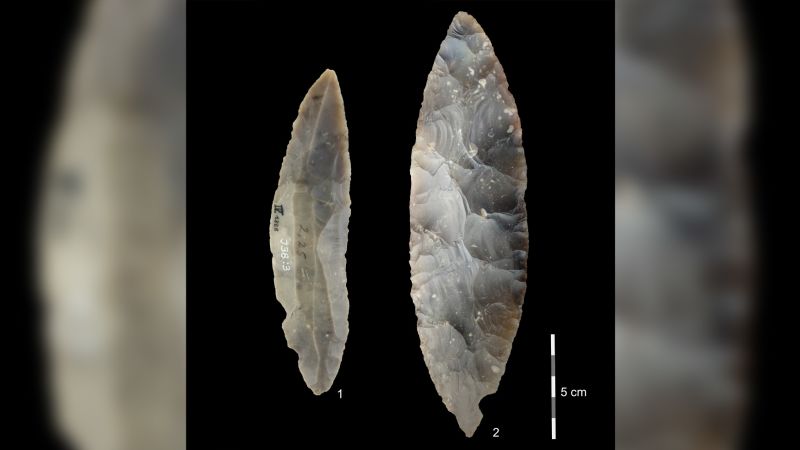
Bones found in an 8-meter-deep pit in a cave near Ranis, Germany, have revealed evidence that Neanderthals and modern humans likely lived alongside each other in northern Europe as far back as 45,000 years ago. Genetic analysis of the fossils suggests that modern humans, not Neanderthals, were the makers of distinctive stone tools, fundamentally changing previous knowledge about the period. The discovery indicates that Homo sapiens reached northwestern Europe earlier than previously thought, overlapping with Neanderthals for several thousand years. The findings were detailed in three studies published in Nature and Nature Ecology & Evolution, shedding light on the early human presence in Europe and their ability to adapt to harsh climatic conditions.