
Psilocybin reshapes brain rhythms and connectivity, predicting psychedelic intensity
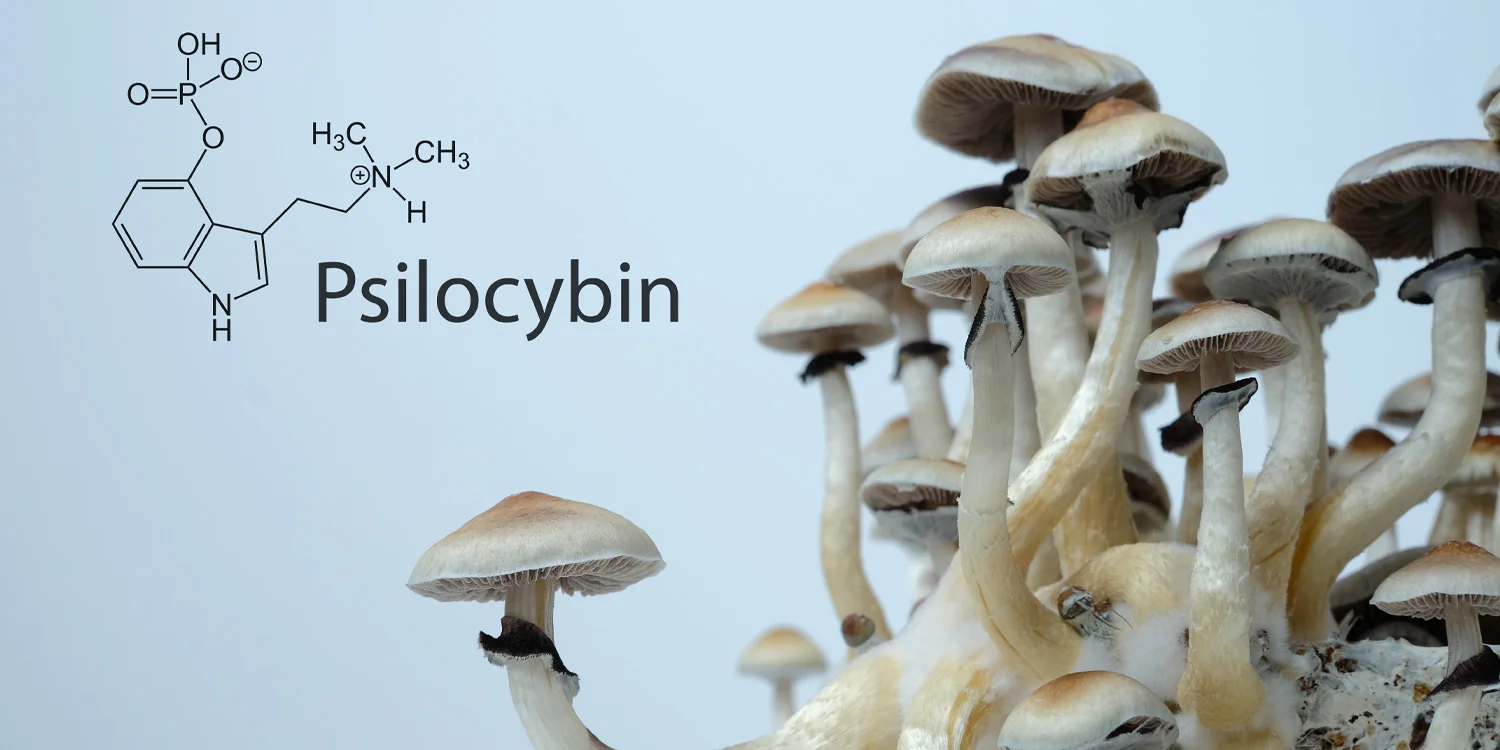
An EEG study of 25 healthy volunteers shows psilocybin shifts the brain from a resting state to a dynamically engaged pattern by reducing slow theta/alpha power and increasing fast beta/gamma activity, with enhanced connectivity in the default mode network and parietal networks that correlates with the intensity of the psychedelic experience. Baseline fast-wave activity in frontal/emotional regions also predicted response to the drug. Using a double-blind, randomized crossover design (10–20 mg psilocybin vs placebo), researchers highlight potential biomarkers to guide psychedelic-assisted therapies, while noting limitations from the small, healthy-sample size and the need for clinical population studies and autonomic markers like heart-rate variability.
- Psilocybin unlocks a specific biological signature in the brain linked to profound mystical states PsyPost
- The Brain Benefits of Magic Mushrooms Without the Psychedelic Trip SciTechDaily
- Magic mushrooms: Kiwis turn to wild fungi for mental health and addiction therapy NZ Herald
- ‘Magic mushroom’ derivative could heal without hallucinations, sparking hope for new therapies BioTechniques
- Psilocybin might not be the most psychoactive ingredient in magic mushrooms, new research suggests PsyPost
Reading Insights
0
5
28 min
vs 29 min read
98%
5,629 → 103 words
Want the full story? Read the original article
Read on PsyPost