Treasury Secretary Scott Bessent advocates for banning individual stock trading by members of Congress, aligning with bipartisan efforts to improve congressional ethics and restore public trust amid ongoing debates and opposition within Congress.
House Democrats and Republicans are pushing for votes on bills funding Ukraine, Israel, Taiwan, and the U.S. border, using discharge petitions to force a House floor vote without support from leadership. The Democratic measure has garnered nearly 180 signatures and aims to advance a national security package, while a bipartisan group has introduced their own petition extending funding for Ukraine, Israel, and Taiwan for one year, along with Trump-era border security measures. The competing efforts reflect a clash within the Republican majority, with defense hawks eager to support U.S. allies abroad and isolationist factions advocating for "America First" ideology. Speaker Mike Johnson is facing pressure to address supplemental funding, but the lack of consensus within the Republican ranks and divisions among Democrats pose challenges to reaching a decision.
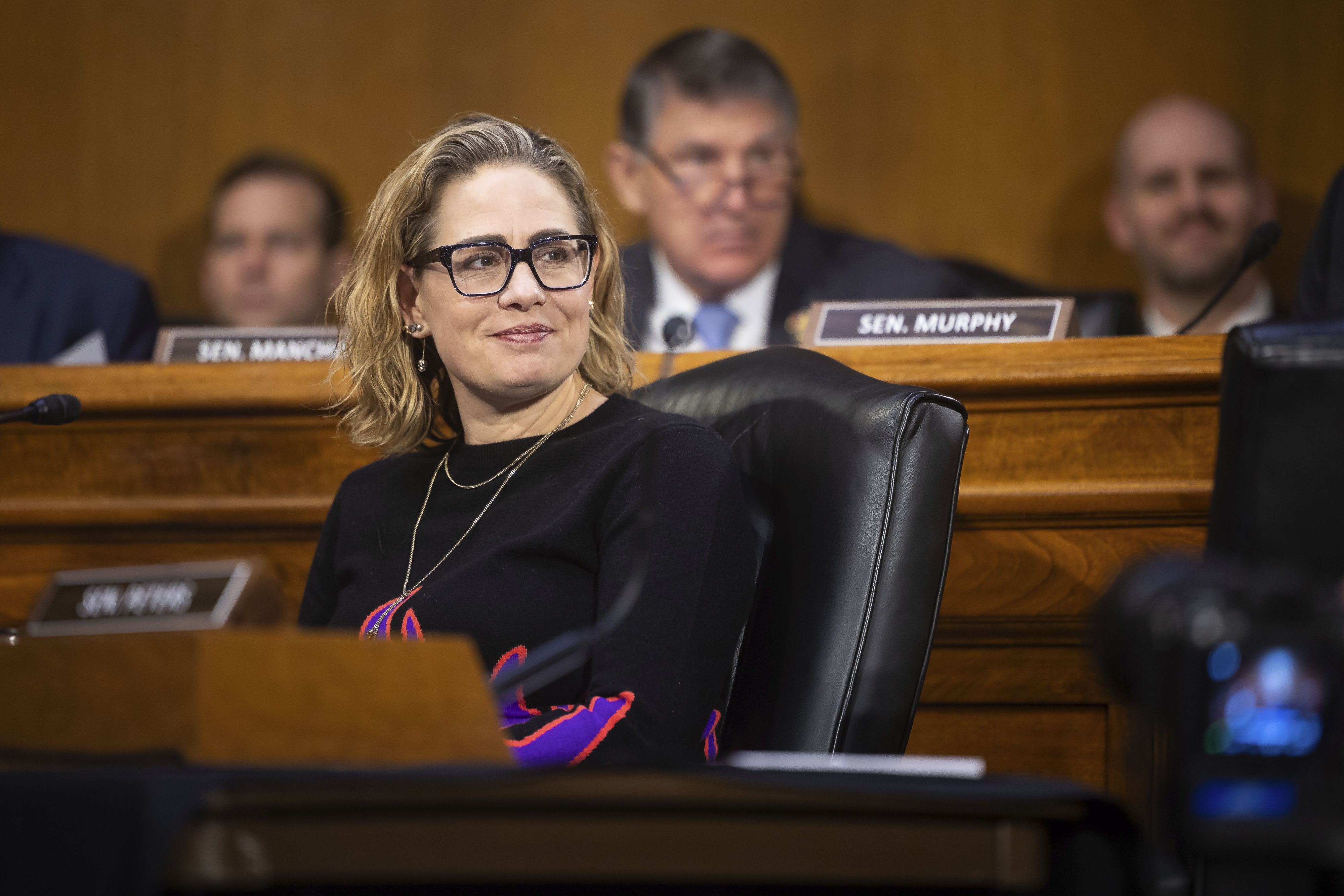
Senator Kyrsten Sinema, known for her defense of the Senate filibuster and close relationships with Republicans, is playing a key role in resolving the gridlock over blockaded Pentagon promotions. She has been working behind the scenes to find a bipartisan solution to Senator Tommy Tuberville's holds on military promotions, and her efforts have earned the support of Senate Majority Leader Chuck Schumer. Sinema's focus on relationships with Republicans and her ability to navigate Senate rules may prove critical in garnering the necessary votes to break the impasse. If successful, it will bolster her belief that minority-party rights in the Senate can be preserved.
Alabama's law reducing the state tax on groceries from 4% to 3% has gone into effect, providing savings for shoppers. The reduction applies to SNAP-eligible foods, excluding alcohol, tobacco, and hot-prepared foods. Another 1% reduction is planned for next September if the Education Trust Fund budget grows by 3.5%. Lawmakers have formed a task force to study the impact of the tax reduction on the fund. Local cities and counties' food taxes remain in effect but cannot be raised higher than current levels.
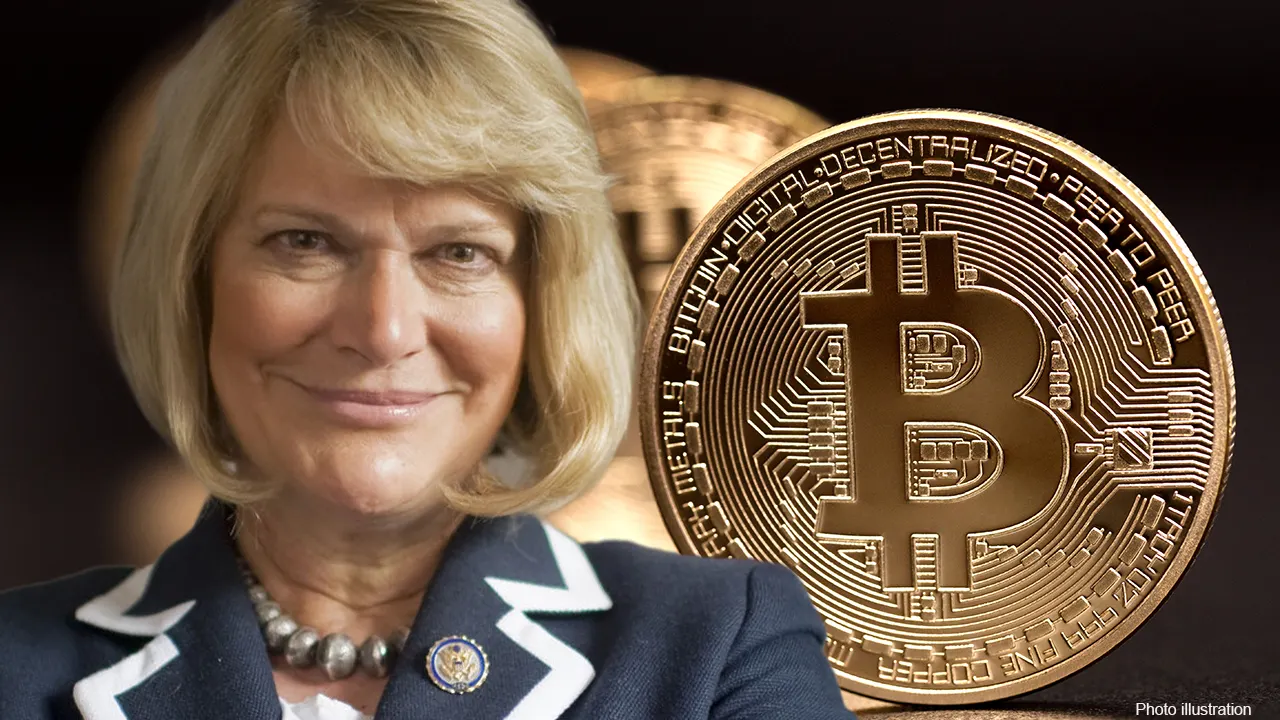
US Senator Cynthia Lummis is working on a regulatory framework that would enable individuals and companies to own and trade digital assets within the United States. Working alongside Senator Kirsten Gillibrand, Lummis has been working on a revamped bipartisan effort to introduce comprehensive regulations for cryptocurrencies. The forthcoming bill primarily seeks to define cryptocurrencies while potentially removing the “security” tag associated with them. Additionally, the proposed legislation will supposedly impose a universal ban on algorithmic stablecoins although further deliberations are necessary to determine the entities authorized to issue stablecoins and the requirements associated for maintaining their USD reserves.
The Senate voted 68-27 to move forward on legislation that would repeal the 2002 measure that greenlighted the March 2003 invasion of Iraq and also a 1991 measure that sanctioned the U.S.-led Gulf War to expel Iraqi leader Saddam Hussein’s forces from Kuwait. The bipartisan effort comes as lawmakers in both parties are increasingly seeking to claw back congressional powers over U.S. military strikes and deployments, arguing that the war authorizations are no longer necessary and subject to misuse if they are left on the books.