Tag

Zoonotic Transmission

All articles tagged with #zoonotic transmission

public-health6 months ago

Early-Season Human Plague Transmission from Infected Cat in Oregon, January 2024

A rare early-season human case of plague in Oregon in January 2024 was transmitted from an infected cat, highlighting the need for year-round public health awareness and veterinary precautions due to changing environmental factors and climate conditions that may extend flea activity and plague transmission seasons.
health1 year ago

"Cat Scratch Leads to Rare Fungal Infection in Kansas Vet"

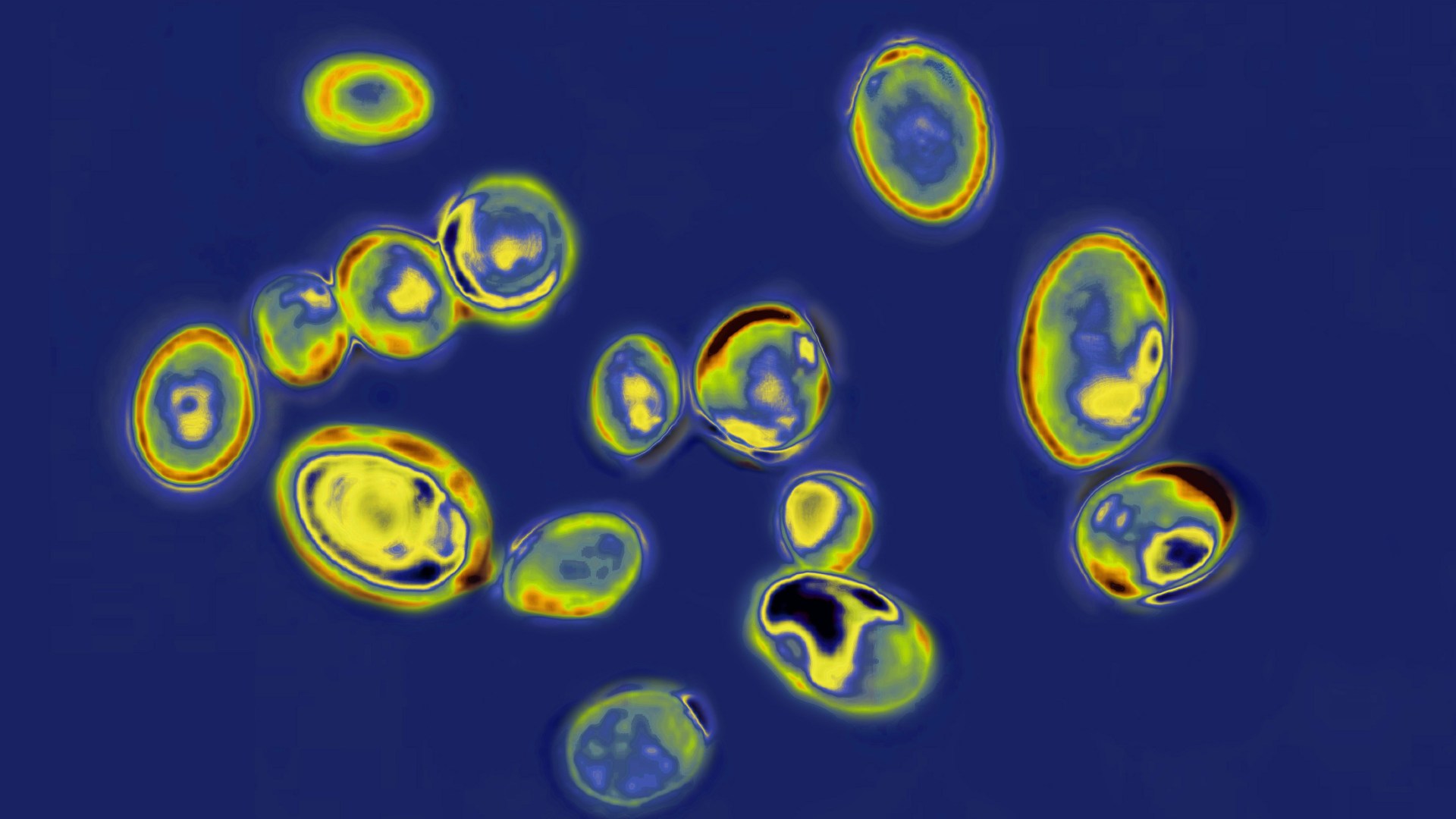
A vet in Kansas contracted a skin-blistering fungal infection, sporotrichosis, from a cat, leading to oozing ulcers on her arm. The disease, typically found in tropical climates, can be transmitted to humans through scratches or bites from infected animals. The CDC is calling for increased awareness of sporotrichosis in cats to prevent human acquisition in the veterinary setting. Cases of cat-transmitted fungal infections are rare in the US, but experts warn that fungal infections are becoming a significant threat to public health.

health1 year ago

"First Known Death from Alaskapox Virus Linked to Stray Cat Exposure"

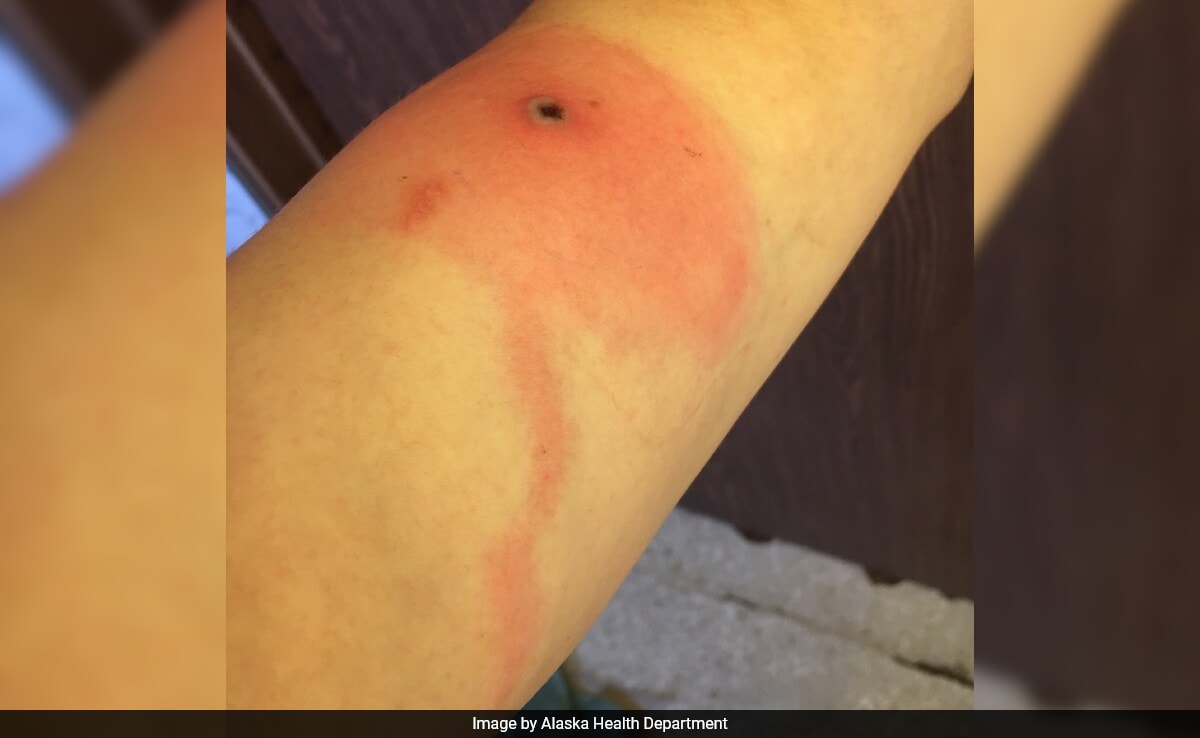
An elderly man in Alaska has become the first known fatality from the recently discovered virus, Alaskapox, which is related to smallpox and may be zoonotic. The man, who had a suppressed immune system due to cancer treatment, lived in a remote area and had no recent travel history or close contacts with similar lesions. It's unclear how the virus is transmitted, but evidence of infection has been found in small mammals in the area. Health officials recommend precautions such as covering skin lesions, washing hands thoroughly, and following federal health precautions around wildlife to avoid potential Alaskapox infections.

health1 year ago

"Fatal Case: Alaska Man Dies from Alaskapox Virus Linked to Stray Cat Exposure"

An elderly man in Alaska has become the first reported fatality from the Alaskapox virus, with potential exposure linked to a stray cat. The man, who lived in a remote area with a suppressed immune system due to cancer treatment, was hospitalized last November and died in late January. Alaskapox, related to smallpox and cowpox, can cause symptoms such as rash, swollen lymph nodes, and joint or muscle pain. The virus may be zoonotic, and health officials are urging caution for individuals with skin lesions potentially caused by Alaskapox. This incident highlights the importance of following federal health precautions when around wildlife to avoid potential infections.

health1 year ago

"Alaskapox Claims First Life in US: Elderly Man Dies from Newly Discovered Virus"

Health officials in Alaska have reported the first death linked to Alaskapox, a recently identified orthopox virus. The deceased, an immunocompromised man, is one of seven reported cases. The virus is believed to have been contracted from a house cat, although the cat tested negative for the infection. Alaskapox causes skin lesions and flu-like symptoms, with no documented human-to-human transmission. Those with skin lesions are advised to cover the affected area and avoid sharing bedding or linens.

health2 years ago

Unfortunate Woman's New Cat Leads to Unprecedented Medical Mystery

A woman's newly adopted cat may have transmitted a bacterial germ, Clostridioides difficile (C. diff), to her, causing months of recurrent diarrhea. This case report suggests the possibility of cat-to-human transmission of the infection, which is typically associated with disruption of the gut microbiota. While the exact transmission chain remains unclear, this case highlights the need for further research on the role of pets and animals in the spread of C. diff, potentially posing a public health threat beyond hospitals.

health2 years ago

Emerging Threat: COVID-19 Virus Rapidly Adapting in White-Tailed Deer

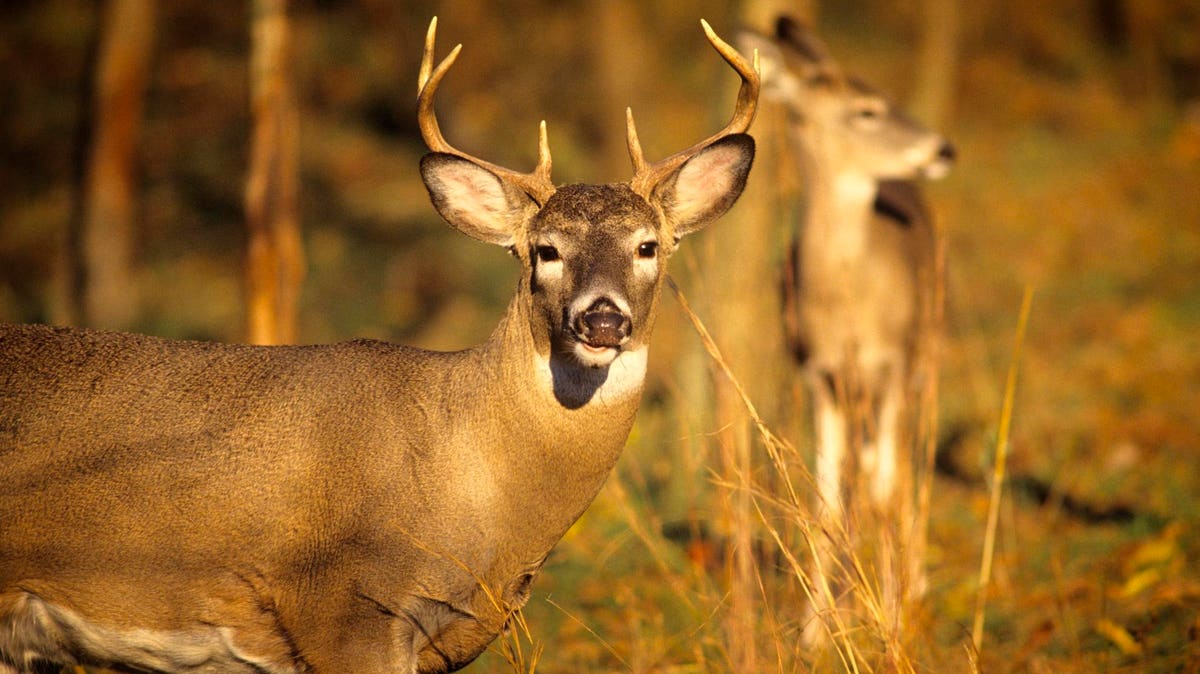
A new study has found that the SARS-CoV-2 virus, responsible for the COVID-19 pandemic, is infecting white-tailed deer in the United States and evolving rapidly within them. The study conducted in Ohio detected active infections in 10 percent of deer sampled, with at least one positive case found in 59 percent of counties tested. Genetic analysis suggests that at least 30 of the infections were introduced by humans. The researchers warn that white-tailed deer could serve as a reservoir for the virus, potentially spreading it to other wildlife, livestock, and humans. However, the study also suggests that COVID-19 vaccination offers protection against variants from deer. Further research is needed to understand the implications of virus evolution in deer and its potential impact on other animal hosts.

health2 years ago

COVID-19 rapidly evolving in white-tailed deer, alarming scientists

A study published in Nature Communications reveals that the COVID-19 virus is evolving at a faster rate in white-tailed deer compared to humans, with potential consequences for both people and livestock. Researchers collected over 1,500 nasal swabs from deer in Ohio and found that more than 10% of the samples were positive for COVID-19, primarily the delta variant. The study suggests that COVID-19 can easily move between humans and animals, with evidence of transmission from deer to humans. The continued spread of the virus in deer and other hosts could lead to further evolution. Vaccination is believed to offer protection against severe disease if the virus spills back from animals to humans.

health2 years ago

COVID-19 Rapidly Evolving in Deer, Poses New Threat

A study published in Nature Communications reveals that white-tailed deer in Ohio have been infected with the virus that causes COVID-19, with at least 30 of those infections traced back to human transmission. The research suggests that spillover of the virus between humans and animals may be more common than previously thought. The study also found that the virus can mutate quickly in deer, and strains such as the alpha and delta variants are surviving in deer populations despite no longer being prevalent in humans. Additionally, doctors are monitoring a new highly mutated variant, BA.2.86, which is an offshoot of the omicron variant but is unlikely to cause a devastating wave due to widespread immunity from vaccines and prior infections.

health2 years ago

Leprosy Surges in Central Florida, Becoming an Endemic Health Concern

Cases of leprosy are surging in central Florida, with the Sunshine State witnessing an increased incidence of leprosy cases lacking traditional risk factors. The Centers for Disease Control and Prevention (CDC) warns that leprosy has become endemic in the southeastern United States, and travel to Florida should be considered when conducting leprosy contact tracing in any state. The number of reported leprosy cases in southeastern states has more than doubled in the last decade, with central Florida accounting for 81% of cases reported in the state. Some cases in central Florida show no clear evidence of zoonotic exposure or traditionally known risk factors, raising concerns about potential autochthonous transmission. Further research is needed to investigate other methods of transmission and environmental reservoirs.