The New York City Council has approved a plan to add approximately 9,500 new homes across 42 blocks in Midtown Manhattan by updating outdated zoning laws, aiming to address the city's housing shortage and revitalize the area post-pandemic.
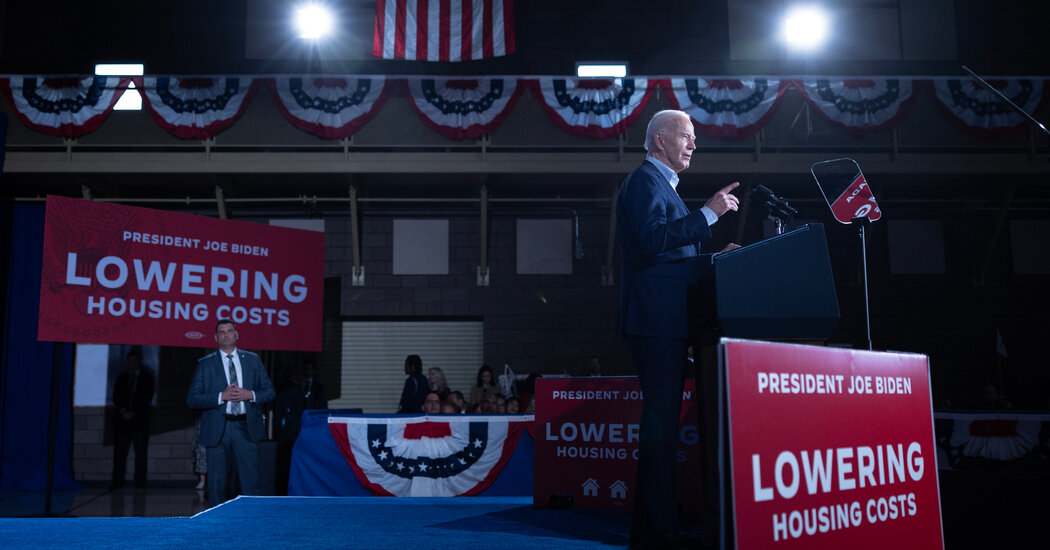
Economists in the Biden administration are proposing more aggressive federal action to reduce housing costs for home buyers and renters, including pressuring cities to relax zoning restrictions hindering affordable housing construction. The recommendations, part of the annual Economic Report of the President, could serve as a blueprint for a major housing push if Biden wins a second term, aiming to tackle the decades-long housing crisis and increase the federal role in zoning reform.
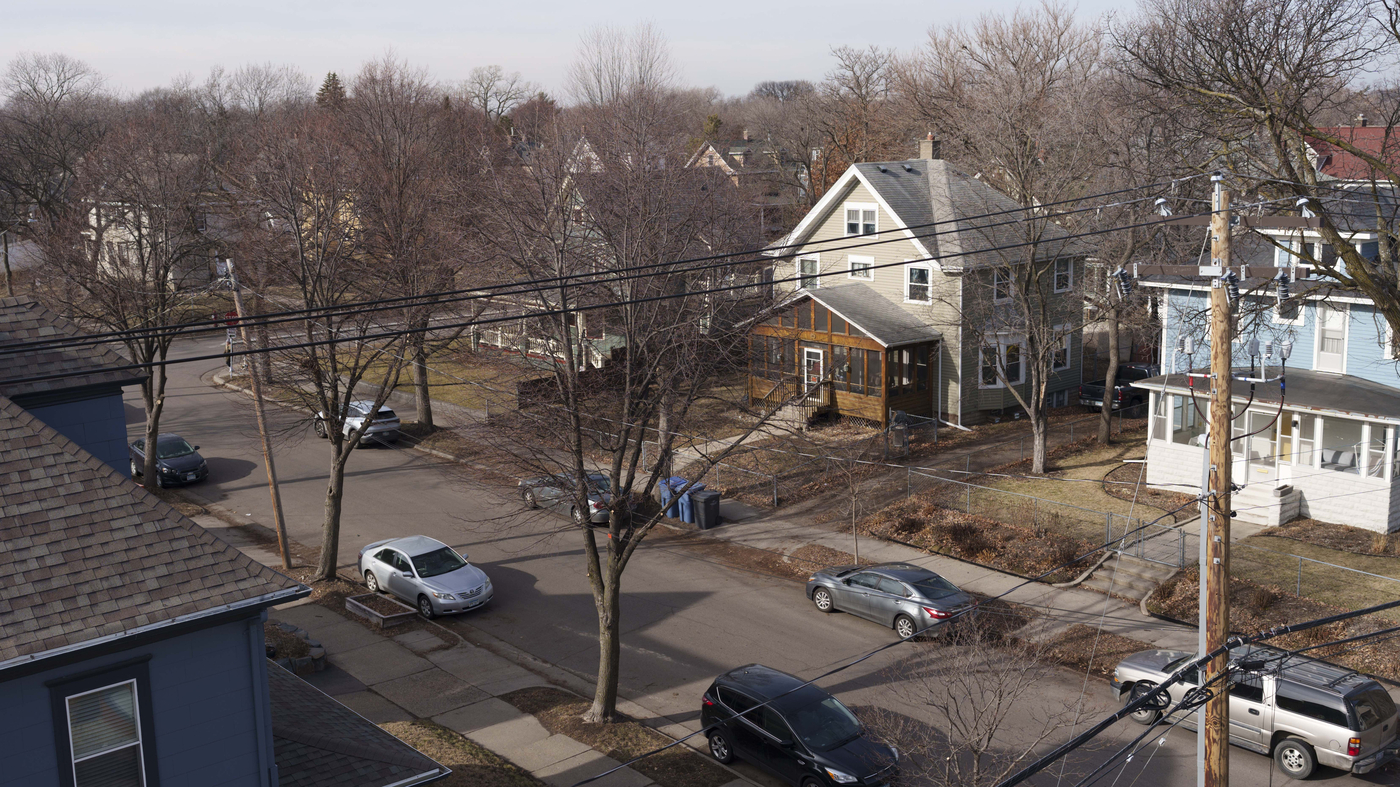
Cities across the U.S. are reevaluating their zoning rules to address the housing crisis, with Minneapolis leading the way by allowing more housing options and ending single-family zoning. Zoning reform efforts in various cities and states have led to an increase in housing supply, particularly in the form of midsize apartment buildings, helping to stabilize rents. However, some reform efforts have faced legal challenges, highlighting the complexities and importance of zoning regulations in addressing housing affordability and equity.
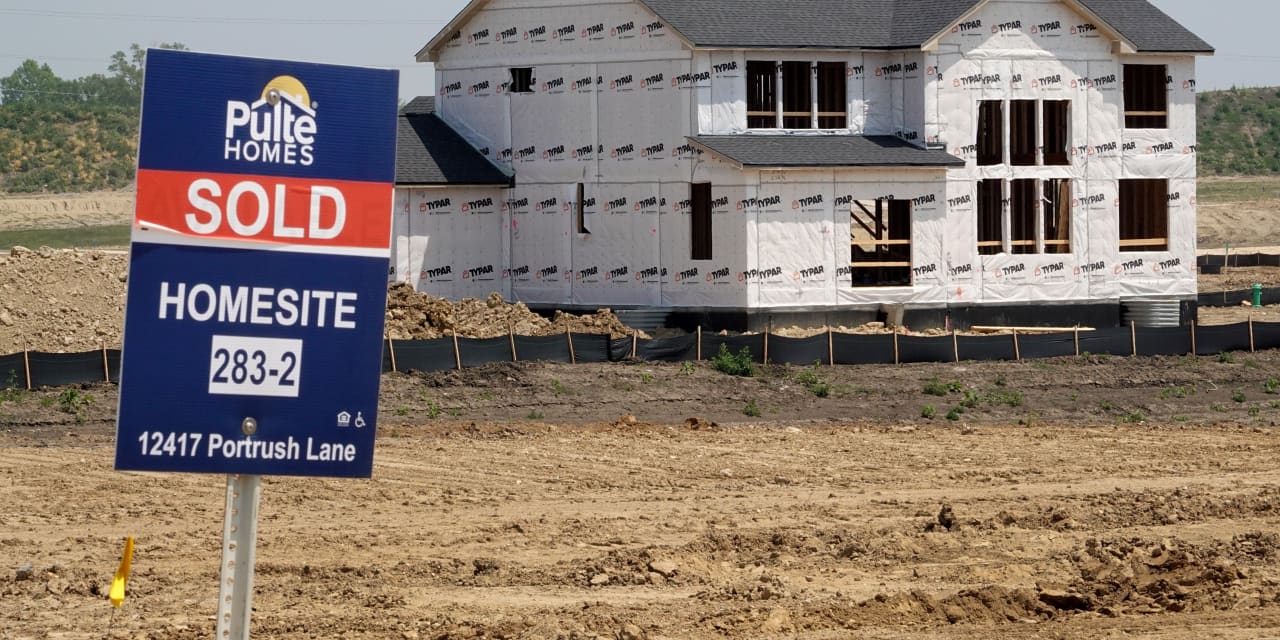
As the cost of homeownership continues to rise, mortgage lenders and home buyers are exploring various affordability boosters like adjustable-rate mortgages and low down payments. However, economist Mark Fleming argues that these solutions are addressing the symptom rather than the root cause of the affordable housing crisis. He emphasizes the need for zoning reform and building more homes, particularly focusing on density, to tackle the supply problem. While mortgage rates are at their highest level in over two decades, Fleming believes that local governments should make it easier to construct more dense housing rather than relying solely on building single-family homes further out.
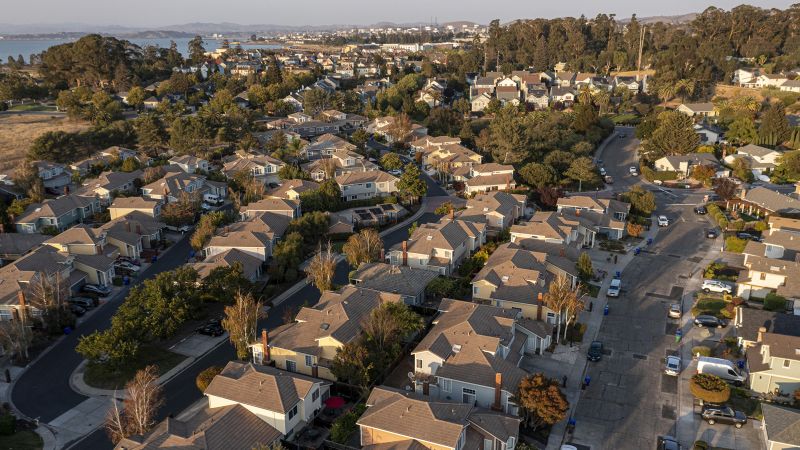
Single-family zoning laws enacted in the early 1900s to protect homeowners and preserve neighborhood character have inadvertently contributed to the severe housing shortage in the US today. These laws, which restrict the construction of anything other than single-family homes in certain areas, have limited housing supply, raised prices, reinforced racial and class segregation, and hindered access to better schools and job opportunities. As a response to the housing crisis, some states and municipalities are rethinking their zoning laws, allowing for multi-family developments, accessory dwelling units, and affordable housing near transit lines. However, zoning reform alone is not enough to solve the problem, and additional policy changes, such as increased housing subsidies and protections for renters, are necessary to address housing affordability.