The UK's Advertising Standards Authority (ASA) has banned two Zara advertisements for depicting models as 'unhealthily thin,' citing irresponsible portrayal and ordering the company not to use the images again. Zara responded by removing the images and asserting the models were medically certified in good health, but the incident highlights ongoing scrutiny of body image in fashion advertising.
Two Zara adverts featuring models deemed 'unhealthily thin' have been banned by the ASA for irresponsible portrayal, with Zara removing the images and asserting the models' health certifications. The ban follows similar actions against other retailers for promoting unrealistic body images.
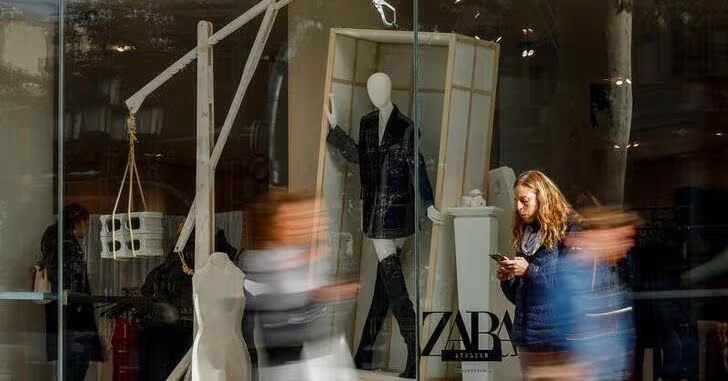
Fashion retailer Zara has removed advertising images that some believed referenced Israel's conflict with Hamas in Gaza. The images featured jackets and sculptures, but critics online claimed that one photo resembled a model holding a corpse. Zara apologized and explained that the campaign was meant to showcase craftmade garments in an artistic context, but acknowledged the unintended offense caused by the images.
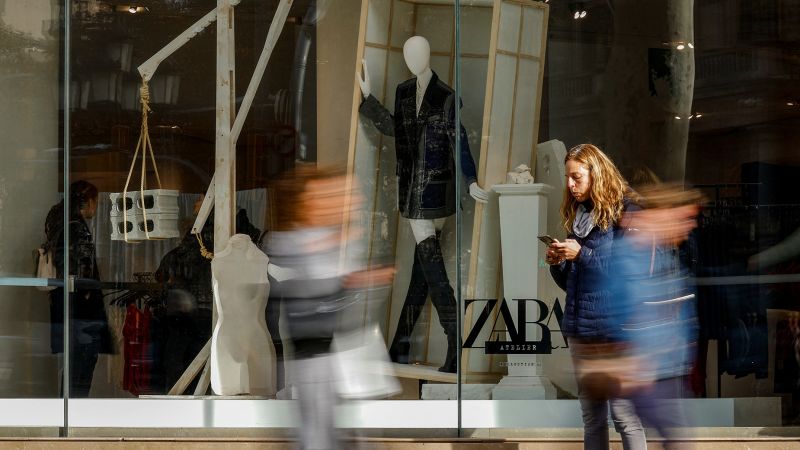
Fashion brand Zara has apologized and pulled its latest ad campaign, titled "The Jacket," after facing widespread criticism for its resemblance to the destruction in Gaza. The campaign, which featured a model surrounded by mannequins covered in white plastic shrouds, was deemed insensitive and tone-deaf by customers. Zara acknowledged the offense caused and removed the images from its website, stating that the campaign was intended to showcase craftmade garments in an artistic context. This is not the first time Zara has faced scrutiny for its stance on the Israeli-Palestinian conflict.
Zara, the fast-fashion retailer, has removed an ad campaign titled "The Jacket" after facing criticism for its insensitivity towards the Israel-Hamas war. The campaign featured model Kristen McMenamy and included images that some users found reminiscent of the conflict. Zara stated that the campaign was shot before the war began and expressed regret for any offense caused. Critics argued that releasing the campaign in December was insensitive, and protests took place outside Zara stores in Tunisia and Germany. The company has since deleted the photos from its Instagram page.
Zara has pulled an ad campaign titled "The Jacket" after facing backlash and calls for a boycott on social media. The campaign featured images that some customers felt evoked images from the war in Gaza. Zara stated that the ad was conceived and photographed before the conflict began and called the controversy a "misunderstanding." The brand has removed the images and expressed regret for any offense caused.
Israeli Prime Minister Benjamin Netanyahu acknowledges a disagreement with President Biden over the future of Gaza but appreciates U.S. support for crushing Hamas and freeing hostages. The UN General Assembly votes on a non-binding resolution for a cease-fire in Gaza. Puma ends its sponsorship of Israel's national soccer team, while Zara removes photos from an ad campaign that resembled images from the war in Gaza. The Israeli military reveals that over 10% of soldiers killed in the war were victims of friendly fire or accidents. A recently released hostage warns that exhaustion and lack of resources could lead to the death of those still held captive. Harvard President Claudine Gay will keep her job despite criticism of her response to antisemitism on campus during the Israel-Hamas conflict.
Zara has faced backlash and calls for a boycott after releasing an ad that some social media users felt resembled images from the recent conflict in Gaza. The ad featured a model holding a mannequin wrapped in white cloth, which critics said resembled the images of dead children in Gaza. Social media users expressed their outrage, with some using the #BoycottZara hashtag and posting videos of protests at Zara stores. Zara has since pulled the ad and issued a statement expressing regret for any offense caused. The Advertising Standards Authority in the UK has received complaints about the ad.
Clothing retailer Zara has pulled an ad that drew criticism for resembling images from the Israel and Hamas war in Gaza. The ad featured a model holding a mannequin wrapped in white cloth, which some felt resembled recent images of dead children in Gaza. Social media users called for a boycott of Zara, with some posting videos of protesters at Zara stores. Zara has apologized for the misunderstanding and regrets any offense caused.
Zara has removed a controversial ad campaign titled "The Jacket" after facing backlash from consumers who drew comparisons to images from the Israel-Hamas war in Gaza. The campaign, featuring a model in a warehouse surrounded by rubble and wrapped statues resembling shrouds, was intended to showcase craftmade garments in an artistic context. However, some customers found the images offensive and saw them as reminiscent of war imagery. This is not the first time Zara has faced controversy, as the brand was previously criticized for comments made by its head designer and for designs invoking Holocaust imagery.
Zara has pulled an advertising campaign featuring images of rubble and mannequins wrapped in plastic after facing backlash for evoking scenes of death and destruction in Gaza. The campaign, which was intended to showcase craft-made garments in an artistic context, received criticism on social media for its resemblance to the ongoing conflict between Israel and Hamas. Zara expressed regret for any offense caused and stated that the images were created before the recent attack on Israel. The retailer has faced previous calls for boycotts related to the Israeli-Palestinian conflict.
Zara has withdrawn an ad campaign featuring statues wrapped in white after facing backlash and calls for a boycott from pro-Palestinian activists. The campaign, which also featured mannequins with missing limbs, was criticized for resembling photos of corpses in white shrouds in Gaza. Zara stated that the campaign was conceived and photographed before the conflict in Gaza erupted and was meant to showcase unfinished sculptures in a sculptor's studio. The company expressed regret for the "misunderstanding" and removed the images from all platforms. Protests were held outside Zara stores, and the Advertising Standards Authority received 110 complaints.
Zara, a global fashion company, is facing protests and a social media boycott campaign after critics accused its recent ad campaign of resembling the bodies of Palestinians killed in the Gaza war. The campaign, featuring mannequins wrapped in white plastic surrounded by rubble, sparked outrage and comparisons to body bags used for Palestinian victims. Zara stores in multiple countries have faced protests and vandalism, with demonstrators accusing the company of "genocide." The controversial images have been removed from Zara's official site, and the company has not directly commented on the boycott calls.
Zara, the Spanish retail giant, has responded to calls for a boycott over its ad campaign titled "The Jacket," which some deemed offensive and Gaza-war inspired. The company apologized for any misunderstanding and explained that the images were meant to represent unfinished sculptures in a studio. However, critics accused Zara of being tone-deaf and failing to consider the potential offensiveness of the campaign. This is not the first time Zara has faced controversy related to the Israel-Palestine issue, as it previously faced calls for a boycott over an anti-Palestinian message sent by one of its head designers and criticism for hosting a far-right nationalist politician at a campaign event.
Zara is facing backlash for its recent fashion campaign, with consumers drawing parallels between the ads and the ongoing crisis in Gaza. The campaign features images of a deconstructed workspace filled with rubble and statues wrapped in white cloth, reminiscent of the destruction seen in Gaza. Social media users have criticized the campaign as insensitive and intentional, calling for a boycott of the brand. Zara has not yet responded to the controversy, but sources claim that the campaign was not intentionally referencing Gaza. This is not the first time Zara has faced criticism related to the Israeli-Palestinian conflict, as a designer for the brand previously made controversial remarks about Gaza.