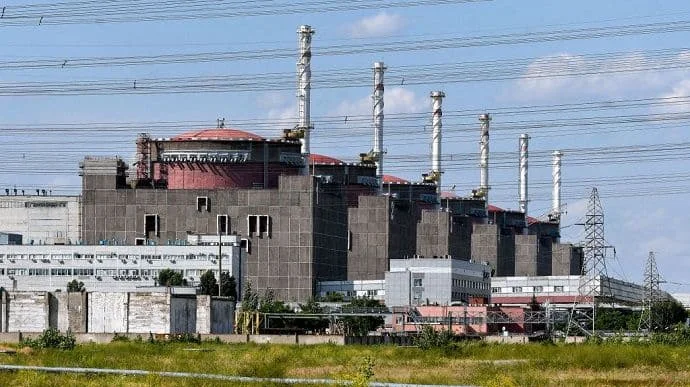
On day 1,410 of the Russia-Ukraine war, fighting continues with casualties and territorial gains by Russia, while Ukraine seeks diplomatic solutions with international allies, and issues at the Zaporizhzhia Nuclear Power Plant remain unresolved.
A report by Truth Hounds and Greenpeace Ukraine accuses Russia's Rosatom of war crimes at the Zaporizhzhia Nuclear Power Plant, including detention, torture, and militarization, which heightens the risk of a nuclear disaster amid ongoing conflict and grid disruptions, posing a threat to Ukraine and Europe.
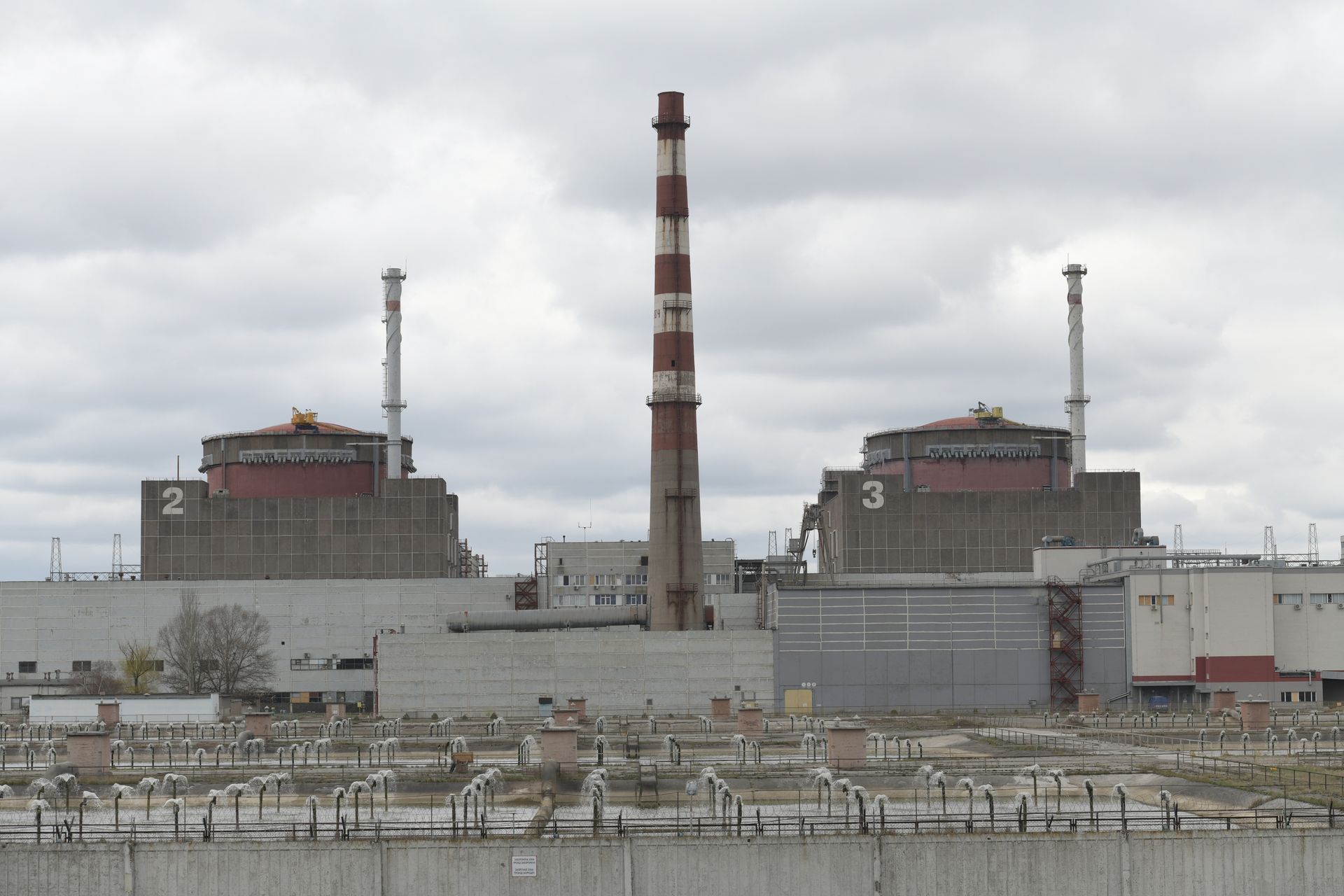
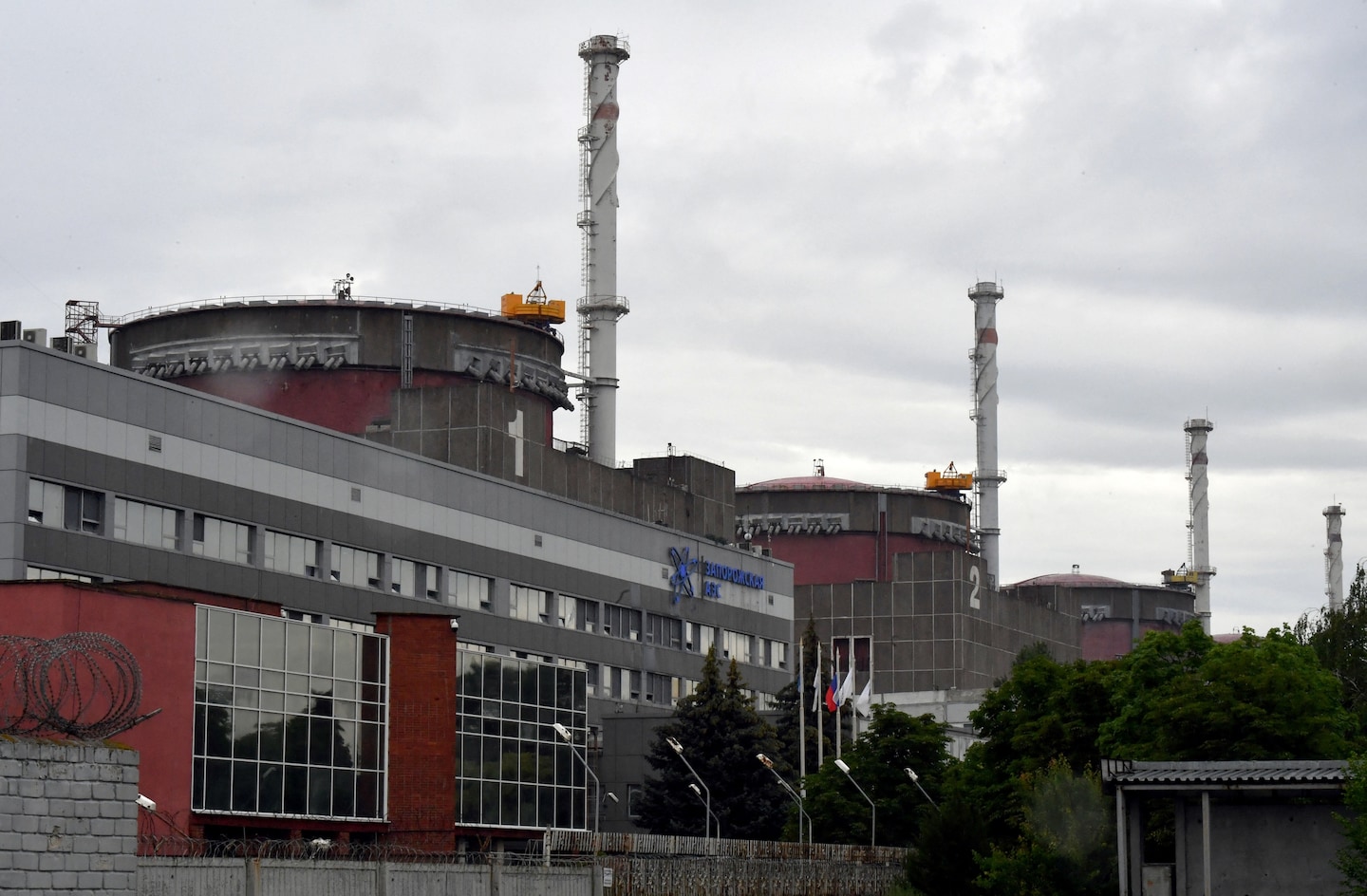
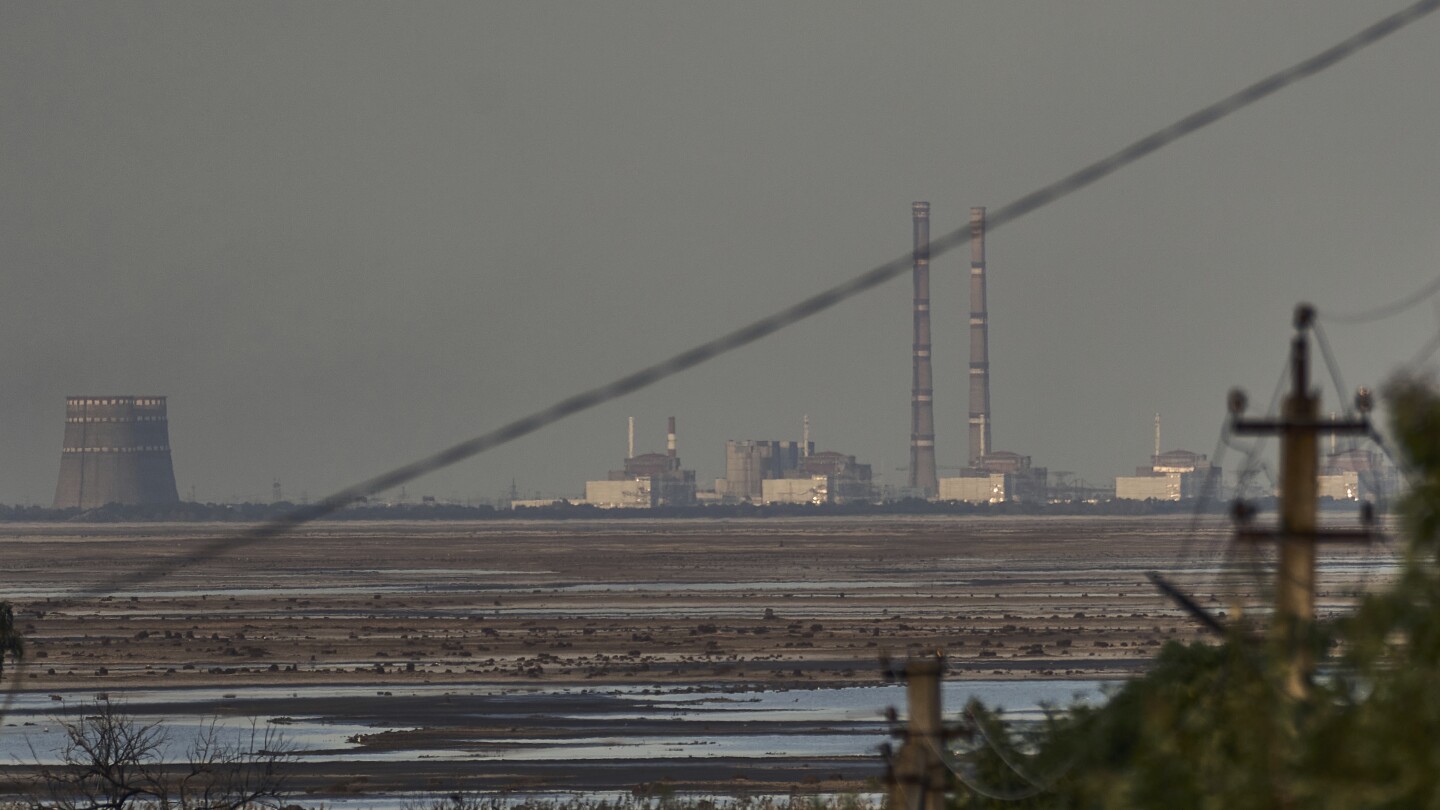
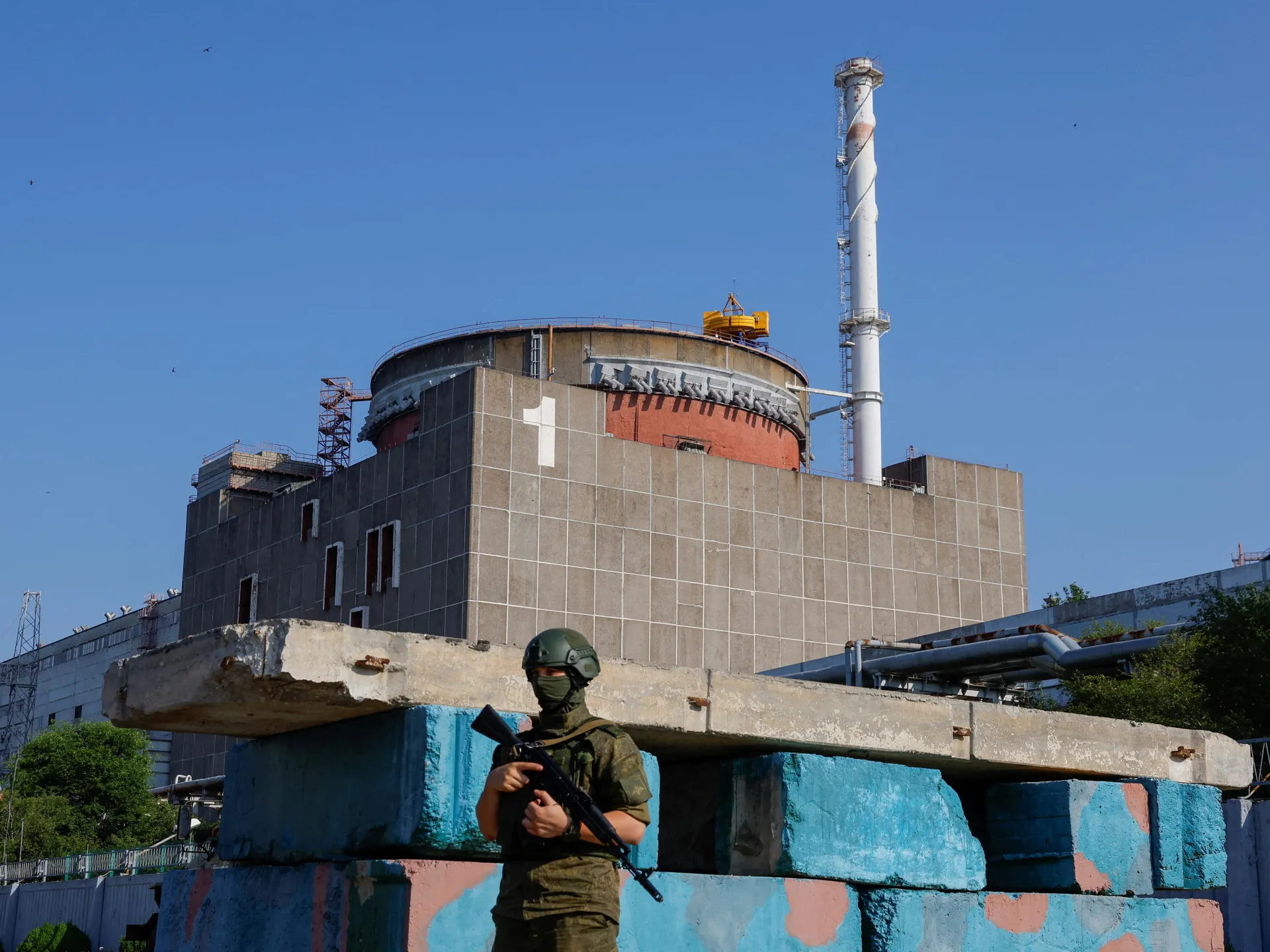
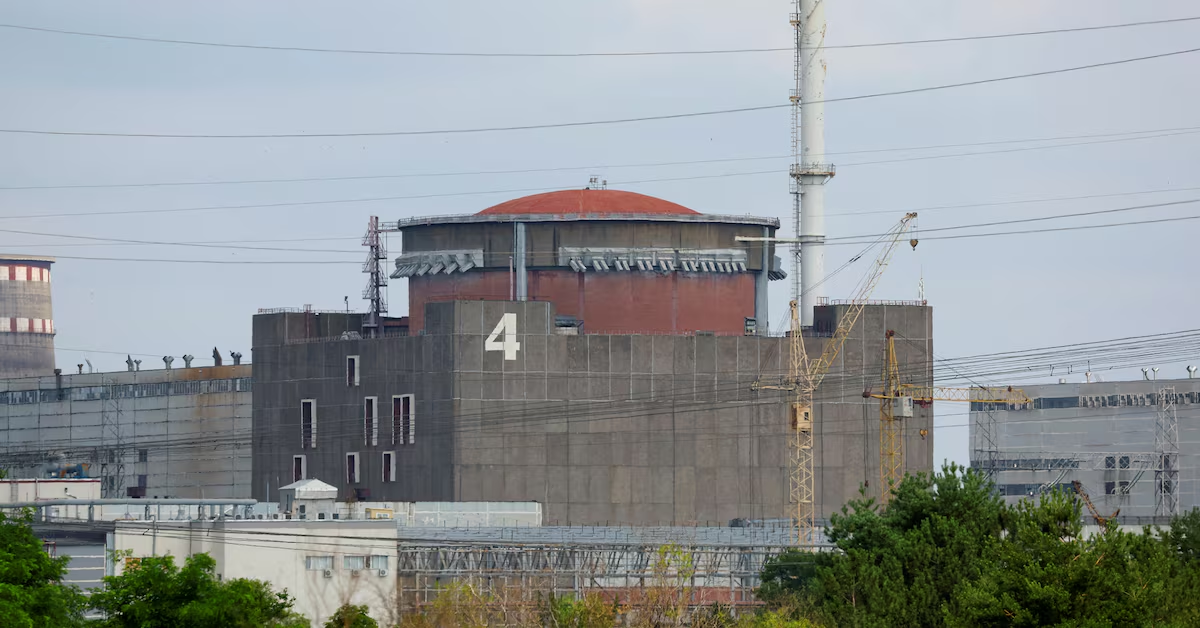
The Zaporizhzhia Nuclear Power Plant in Ukraine was hit by drone strikes, raising the risk of a major nuclear accident, according to the International Atomic Energy Agency. Russia blamed Ukraine for the attacks, while Ukraine denied responsibility and accused Russia of false-flag operations. The plant's containment structures sustained direct hits, prompting concerns about nuclear safety. The IAEA confirmed the physical impact of the drone attacks but stated that nuclear safety had not been compromised. The incident has heightened tensions between Russia and Ukraine, with both sides trading accusations.
The head of the International Atomic Energy Agency (IAEA) condemned a Ukrainian drone strike on the Zaporizhzhia Nuclear Power Plant in Ukraine, warning that such attacks significantly increase the risk of a major nuclear accident. The plant, under Russian control, was targeted by Ukrainian military drones, with at least three direct hits reported. While the plant authorities stated that there was no critical damage or casualties, Russian state-owned nuclear agency Rosatom reported three people wounded in the attacks. The IAEA confirmed the physical impact of the drone strikes and expressed concern about the potential to undermine the integrity of the reactor's containment system. The power plant has been a focal point of conflict since Russia's invasion of Ukraine, with both sides accusing each other of attacks.
The head of the International Atomic Energy Agency (IAEA) condemned a Ukrainian drone strike on the Zaporizhzhia Nuclear Power Plant in Ukraine, stating that such attacks significantly increase the risk of a major nuclear accident. The plant, under Russian control, was hit by drones, with at least three direct hits on the main reactor containment structures. While the plant reported no critical damage or casualties, the IAEA confirmed physical impact and expressed concern about the potential to undermine the integrity of the reactor's containment system. The power plant has been a point of contention since Russia's 2022 invasion of Ukraine, with both sides accusing each other of attacks. Additionally, casualties were reported in separate incidents in Ukraine and Russia.
Ukrainian military drones attacked the Russian-controlled Zaporizhzhia Nuclear Power Plant in Ukraine, prompting condemnation from the head of the U.N.’s atomic watchdog agency. The attack resulted in three direct hits on the plant's main reactor containment structures, raising concerns about the risk of a major nuclear accident. While the plant reported no critical damage or casualties, Russian state-owned nuclear agency Rosatom stated that three people were wounded. The International Atomic Energy Agency confirmed the physical impact of the drone attacks and expressed concern about the potential undermining of the reactor’s containment system. The power plant, caught in the crossfire since 2022, remains a point of contention between Ukraine and Russia, with both sides accusing each other of attacks. Additionally, casualties were reported in other areas as a result of the ongoing conflict.
Ukraine has reportedly attacked the Zaporizhzhia nuclear power plant in Russian-controlled territory, causing a drone strike near the site's canteen and injuring three people. The International Atomic Energy Agency (IAEA) has urged both sides to avoid actions that jeopardize nuclear safety. Meanwhile, Ukraine continues to use drones to target Russian forces, with ongoing front-line fighting resulting in civilian casualties. Ukrainian President Zelenskyy has called for US Congress to approve military aid to prevent Ukraine from losing the war.
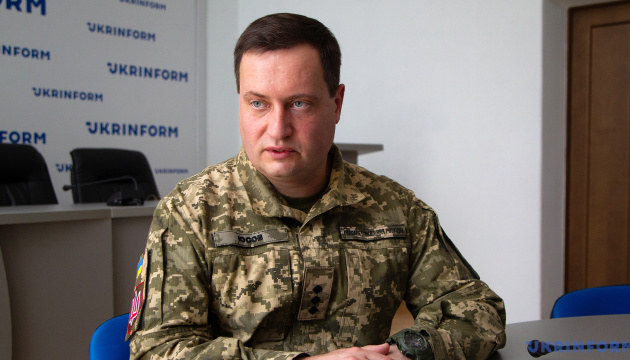
Ukraine's defense intelligence spokesperson warns that the threat to the Zaporizhzhia nuclear power plant will persist as long as it is under Russian control, citing past actions of sabotage and military occupation. The International Atomic Energy Agency has reported that Russian forces have once again mined the plant's perimeter, with the spokesperson emphasizing the need for Ukraine to regain control to ensure compliance with international nuclear law and the safety of personnel and surrounding areas.
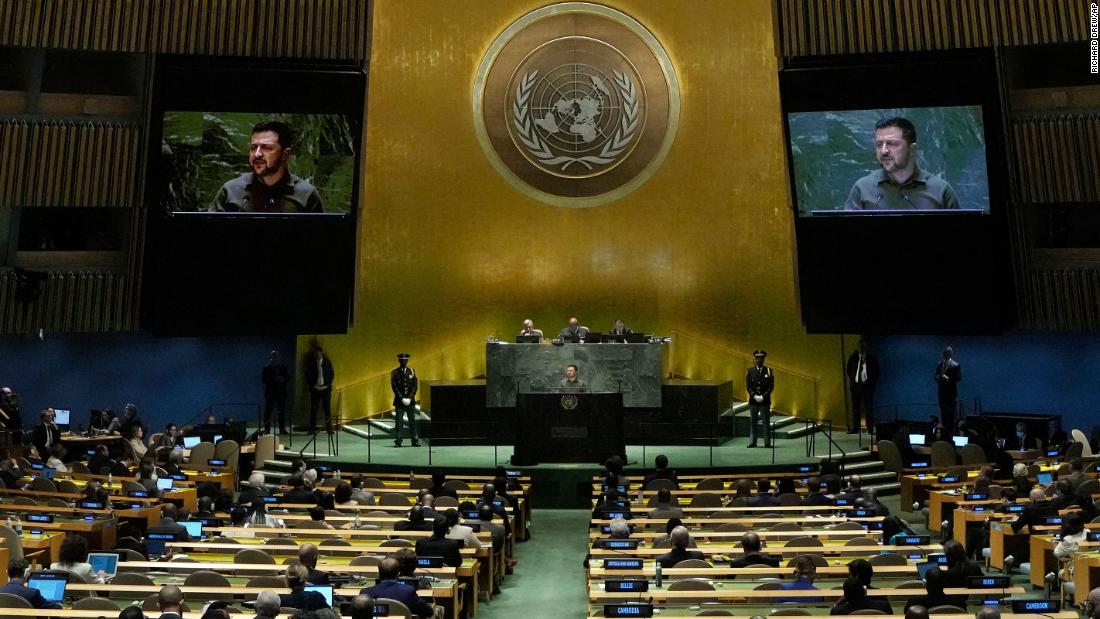
Russian Foreign Minister Sergei Lavrov discusses the safety of the Zaporizhzhia Nuclear Power Plant with the International Atomic Energy Agency, while Ukrainian President Volodymyr Zelensky meets with Wall Street CEOs to discuss rebuilding Ukraine's economy. Russia claims to have intercepted 22 Ukrainian drone attacks, and Zelensky discusses free access of Ukrainian agricultural products to the EU market with EU leaders. Senators remain divided on granting more aid to Ukraine, and Zelensky meets with Brazilian President Luiz Inácio Lula da Silva. Zelensky calls for UN Security Council reform and urges former President Donald Trump to share his peace plans for the war between Ukraine and Russia. The White House plans to provide a new aid package to Ukraine during Zelensky's visit, including additional defense capabilities.
Russia has not allowed the International Atomic Energy Agency (IAEA) to inspect the rooftops of the Zaporizhzhia nuclear power plant in Ukraine, despite the IAEA's repeated requests. The IAEA has been investigating accusations made by Russia and Ukraine of a potential attack on the plant. While the IAEA team has not found any evidence of foul play, they still require access to the rooftops and turbine halls of the reactor buildings.
Staff at the Zaporizhzhia Nuclear Power Plant in Ukraine are refusing to comply with the order from the illegitimate management to start up reactor No. 4. The staff, who have refused to sign fake contracts with Rosatom, are categorically refusing to comply with the order, which violates the operating license issued by the State Nuclear Regulatory Inspectorate of Ukraine. The Russian-appointed "general director" of the plant is attempting to involve Ukrainian staff who have already refused to sign the fake contracts, but their access to the plant has been blocked. The Ukrainian personnel understand that violating the license terms could result in the loss of their personal licenses after the de-occupation of the plant.
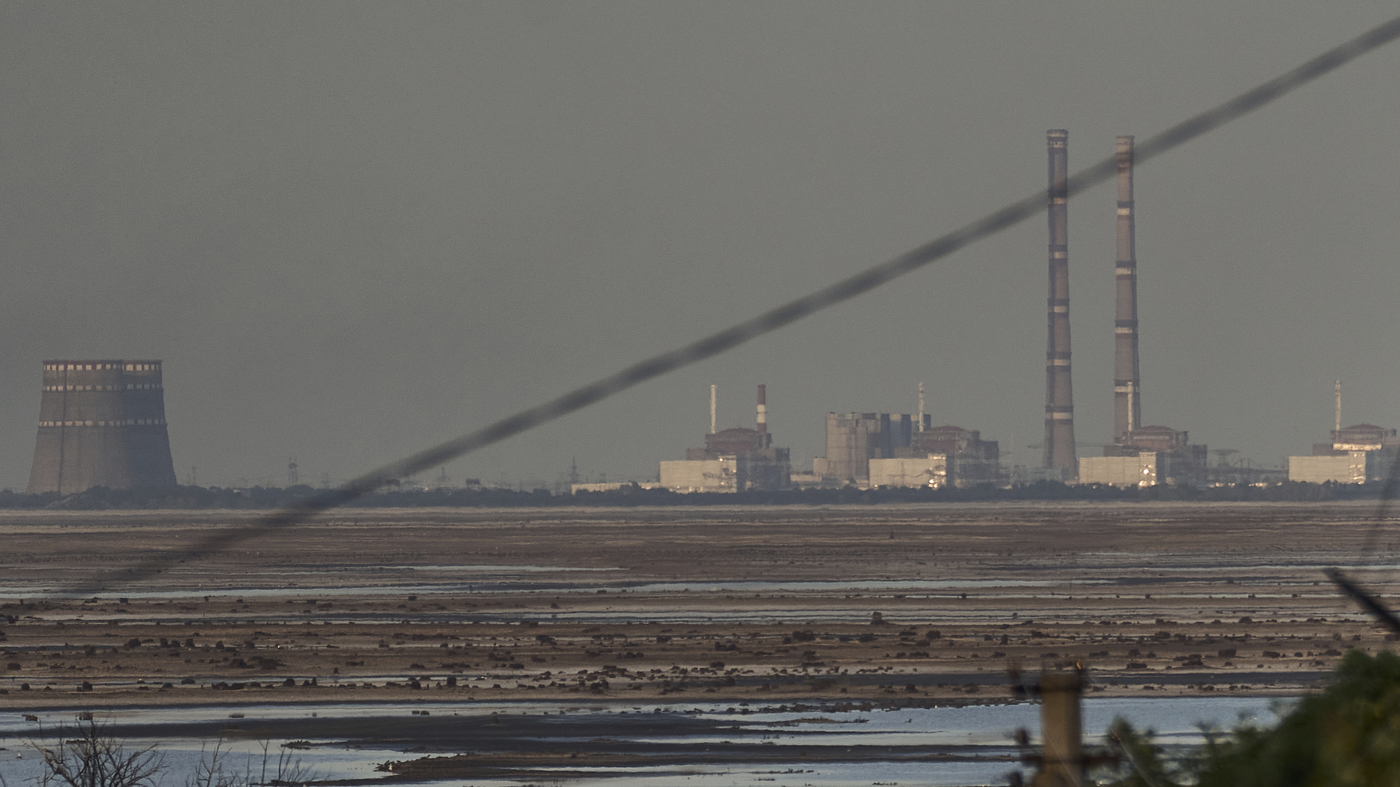
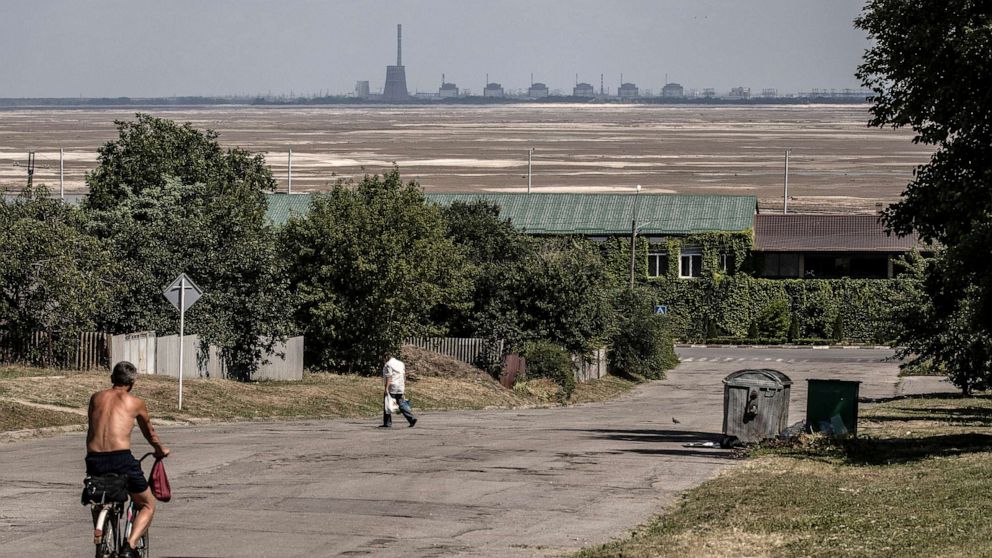
Ukrainian officials have been warning that Russia plans to blow up the Zaporizhzhia Nuclear Power Plant, the largest in Europe, to halt Ukrainian advances. However, experts say the risk is largely curbed due to the cold shutdown of the plant's reactors. The International Atomic Energy Agency (IAEA) has been monitoring the site and has not observed any visible indications of mines or explosives. While the threat should be taken seriously, experts believe that an explosion at the plant would be less damaging than the recent blowing up of the Kakhovka Dam. The American Nuclear Society also states that the shutdown reactors limit the risk of fallout, and any potential release of radiological material would be restricted to the immediate area surrounding the reactors.
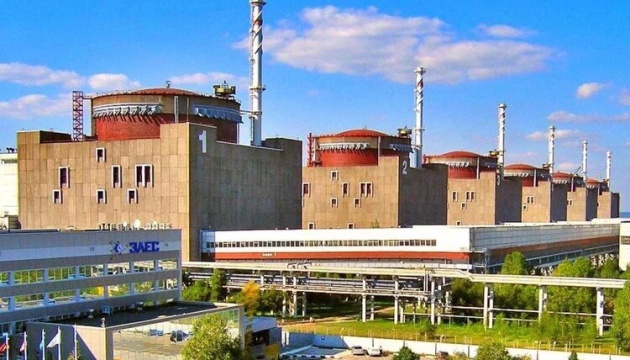
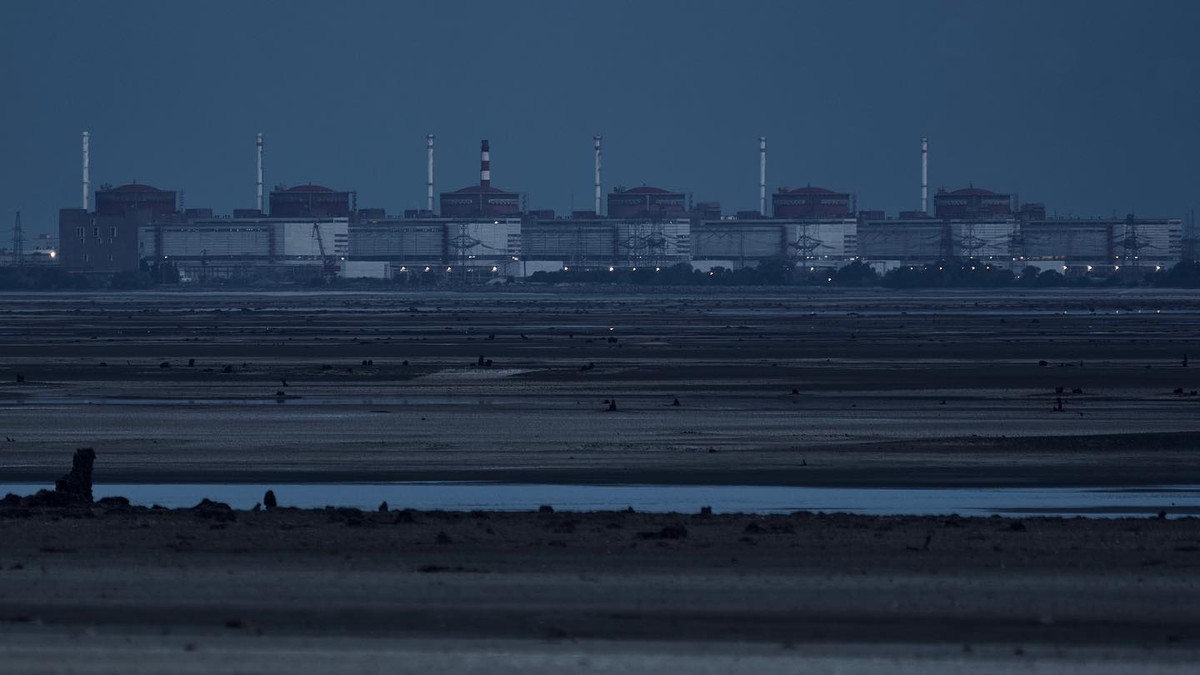
Ukraine's spy chief has warned that Russia has completed preparations for an attack on the occupied Zaporizhzhia nuclear power plant (ZNPP). The ZNPP, Europe's largest nuclear power plant, has been occupied by Russian forces since February 2022. Russian troops have reportedly moved explosives to the power plant units and mined the cooling pond, raising concerns of a potential nuclear incident. Ukraine's President Zelensky has shared information about the threat with international partners, emphasizing the global impact such an incident would have. Local officials are preparing for a worst-case scenario, including the possibility of a full-scale evacuation.
The head of Ukraine's Defence Intelligence, Kyrylo Budanov, has warned that Russia has fully developed and approved a plan to blow up the Zaporizhzhia Nuclear Power Plant (ZNPP), and the threat has never been as great as it is now. Budanov believes that Russia has completed preparations for the terrorist attack on the ZNPP, and the only element missing is the order to act. Ukrainian intelligence has determined that Russian troops have moved vehicles packed with explosives to four of the six power units.
Ukrainian officials say the main counteroffensive against Russia is yet to come, with offensive operations continuing in several areas. Russia has accused mercenary boss Yevgeny Prigozhin of mutiny after he vowed to punish military brass whom he accused of killing 2,000 of his fighters. European Union officials are backing the idea that proceeds from more than $230 billion in frozen Russian assets should finance Ukraine's war effort and reconstruction. Ukrainian President Volodymyr Zelenskyy has ordered personnel changes after an inquest revealed that a quarter of the bomb shelters in the country, a third of them in Kyiv, were unfit for use. Zelenskyy also believes Russia might be preparing for an attack on the Zaporizhzhia nuclear power plant.