In 2025, Generation Z across the globe united in protests driven by social media, demanding social justice, education, healthcare, and political change, leading to some significant political outcomes despite repression and violence.
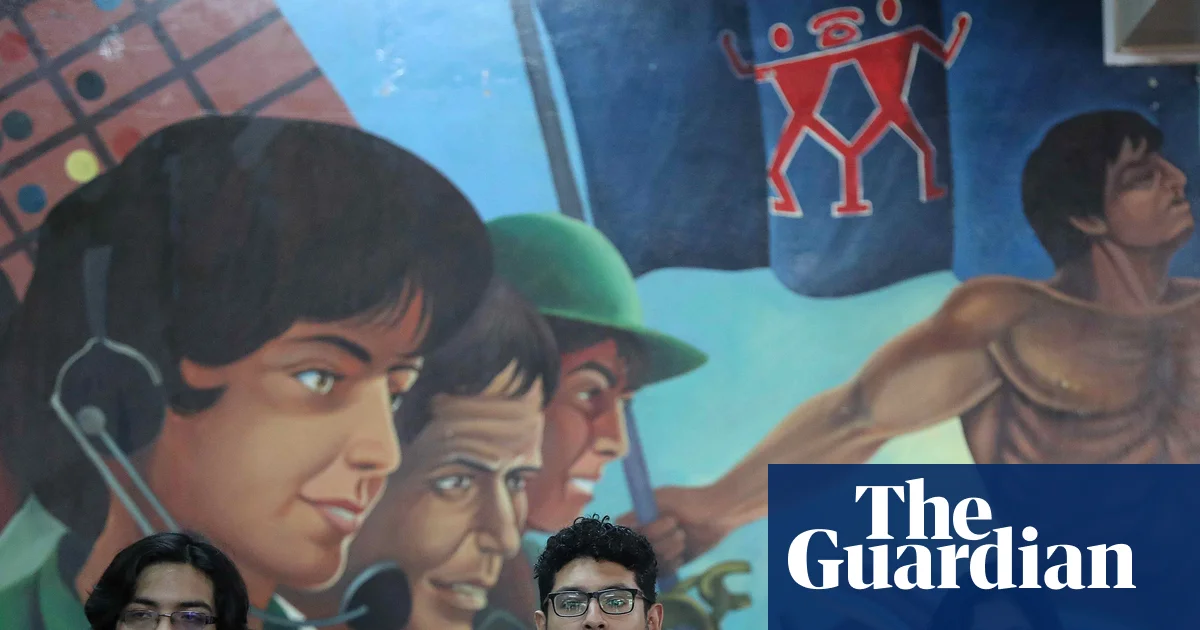
Peru's youth group, Generation Z Collective, plans to continue protesting in Lima and Callao despite a state of emergency, demanding the resignation of interim President José Jerí and the shutdown of Congress, in response to government actions they see as corrupt and oppressive, and in memory of a protester killed by police.
Madagascar's youth-led protests, primarily organized via social media, resulted in the military ousting President Rajoelina, reflecting a broader trend of Gen Z activism across Africa and other regions, where young people are demanding political change amid economic and governance issues. These movements pose a challenge to established leaders, with potential for more widespread unrest if underlying issues remain unaddressed.
Erika Kirk, widow of slain activist Charlie Kirk, has been appointed as the new CEO of Turning Point USA, continuing her husband's influential work in youth political activism and maintaining the organization's momentum after his death.
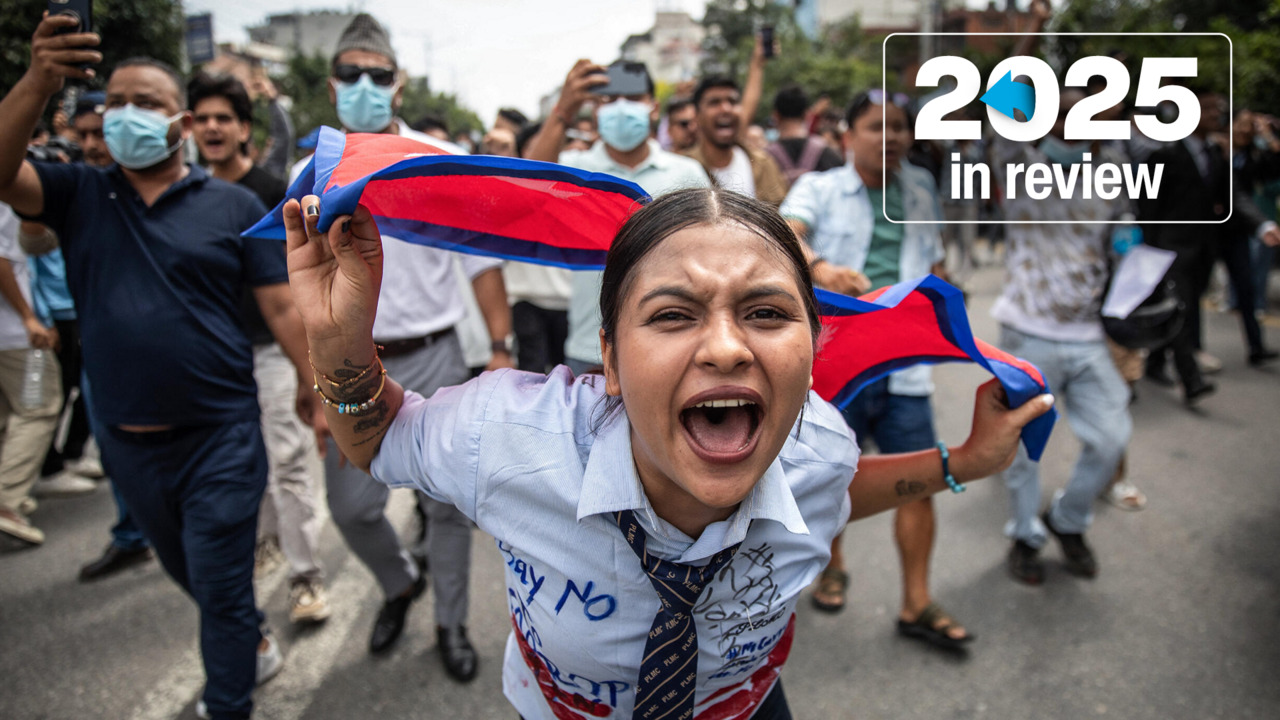
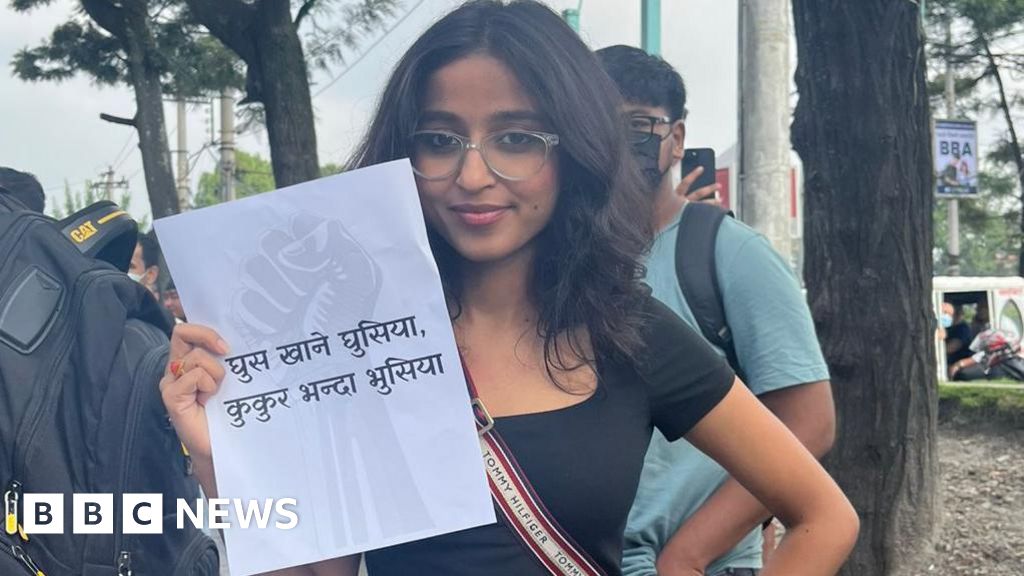
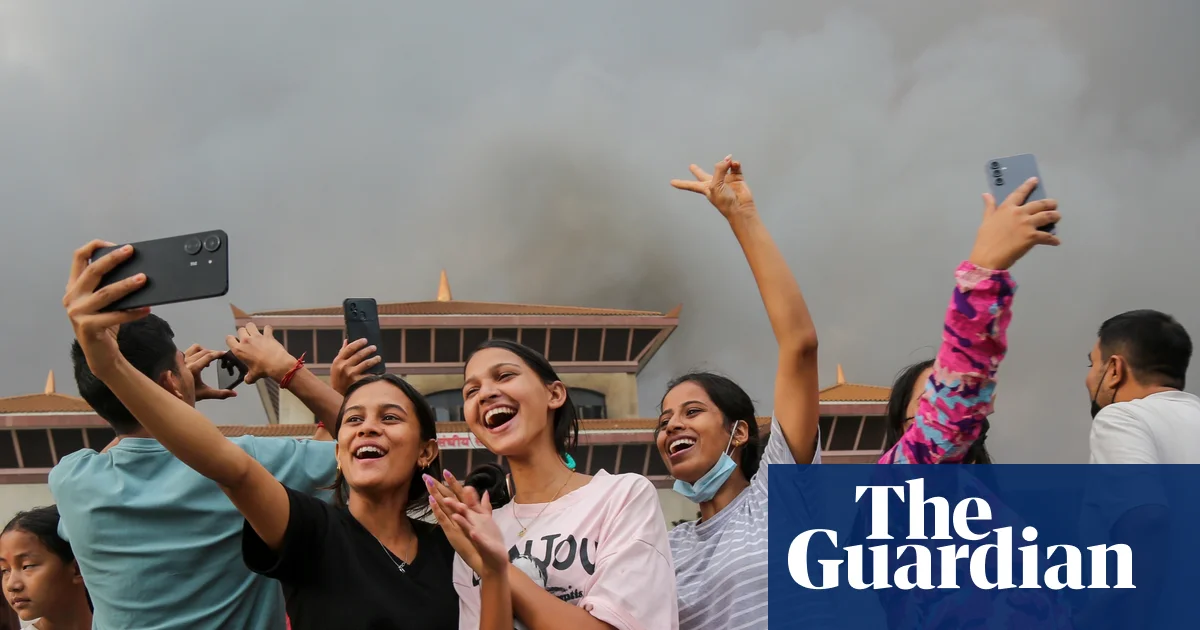
Nepal's Gen Z protesters successfully brought down the government within 48 hours through mass protests that turned violent, resulting in 72 deaths and significant destruction, driven by anger over political corruption, inequality, and resource exploitation, marking a political awakening for Nepal's youth despite the heavy toll.
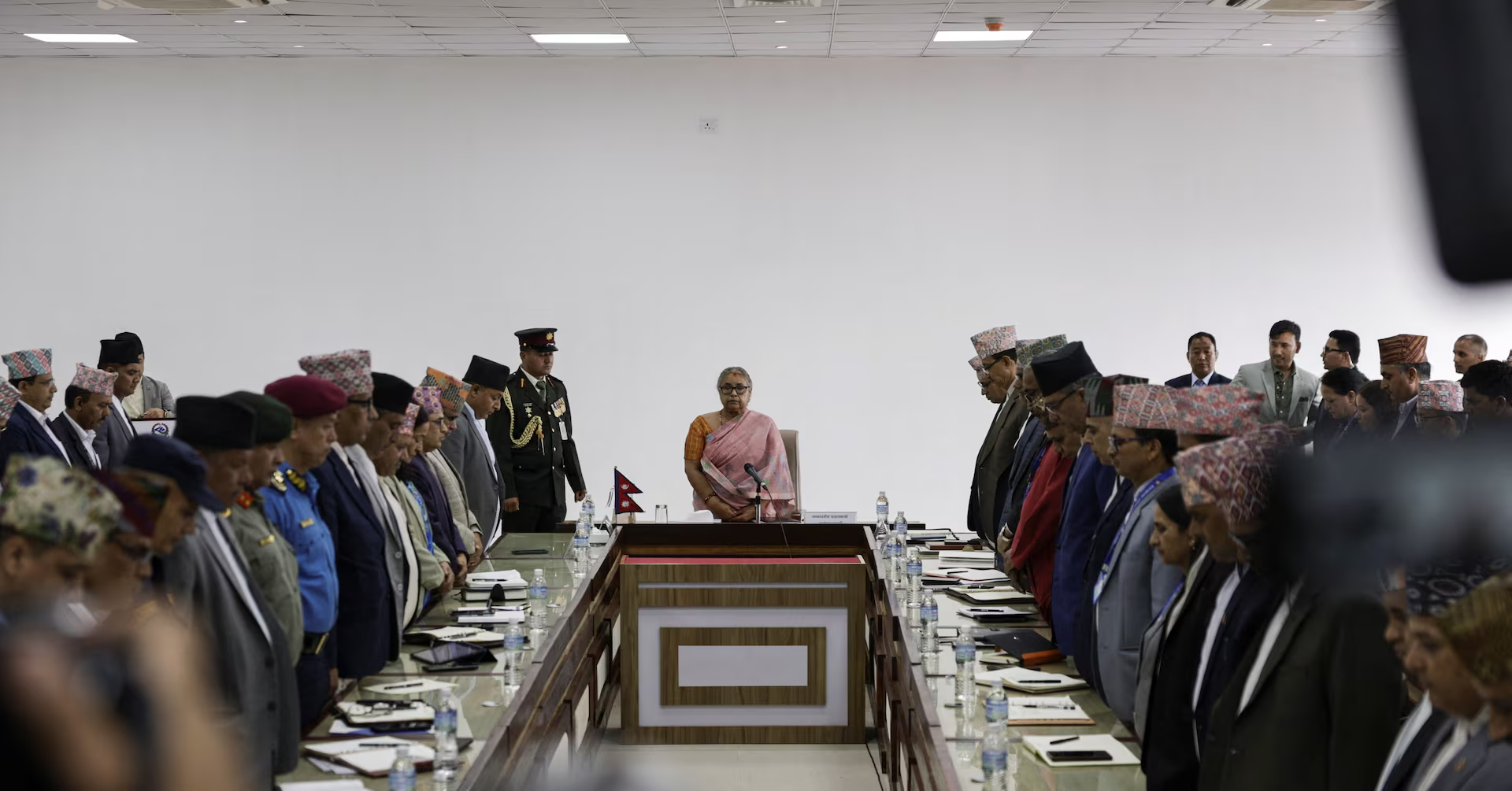
Young activists using social media platforms like Discord and Instagram played a pivotal role in mobilizing protests that led to the resignation of Nepal's Prime Minister K.P. Sharma Oli and the appointment of Sushila Karki as interim Prime Minister, marking a significant youth-driven political upheaval in Nepal.
Nepal's young protesters, mainly from Generation Z, led mass demonstrations against government corruption and social media restrictions, resulting in violent clashes, injuries, and the resignation of Prime Minister KP Sharma Oli, signaling a significant political upheaval driven by youth activism.
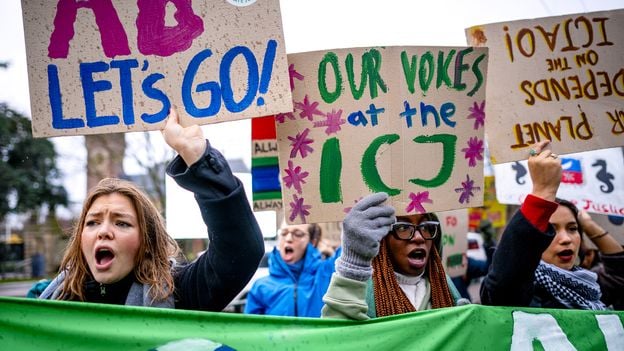
A group of Pacific Island students, led by Cynthia Houniuhi, initiated the largest climate case in history by petitioning the International Court of Justice for an advisory opinion on states' legal obligations to combat climate change, mobilizing global support and raising awareness about climate justice, especially for vulnerable communities. The case highlights the role of youth activism and international law in addressing climate threats, with the ICJ's upcoming opinion expected to influence future legal and diplomatic actions.
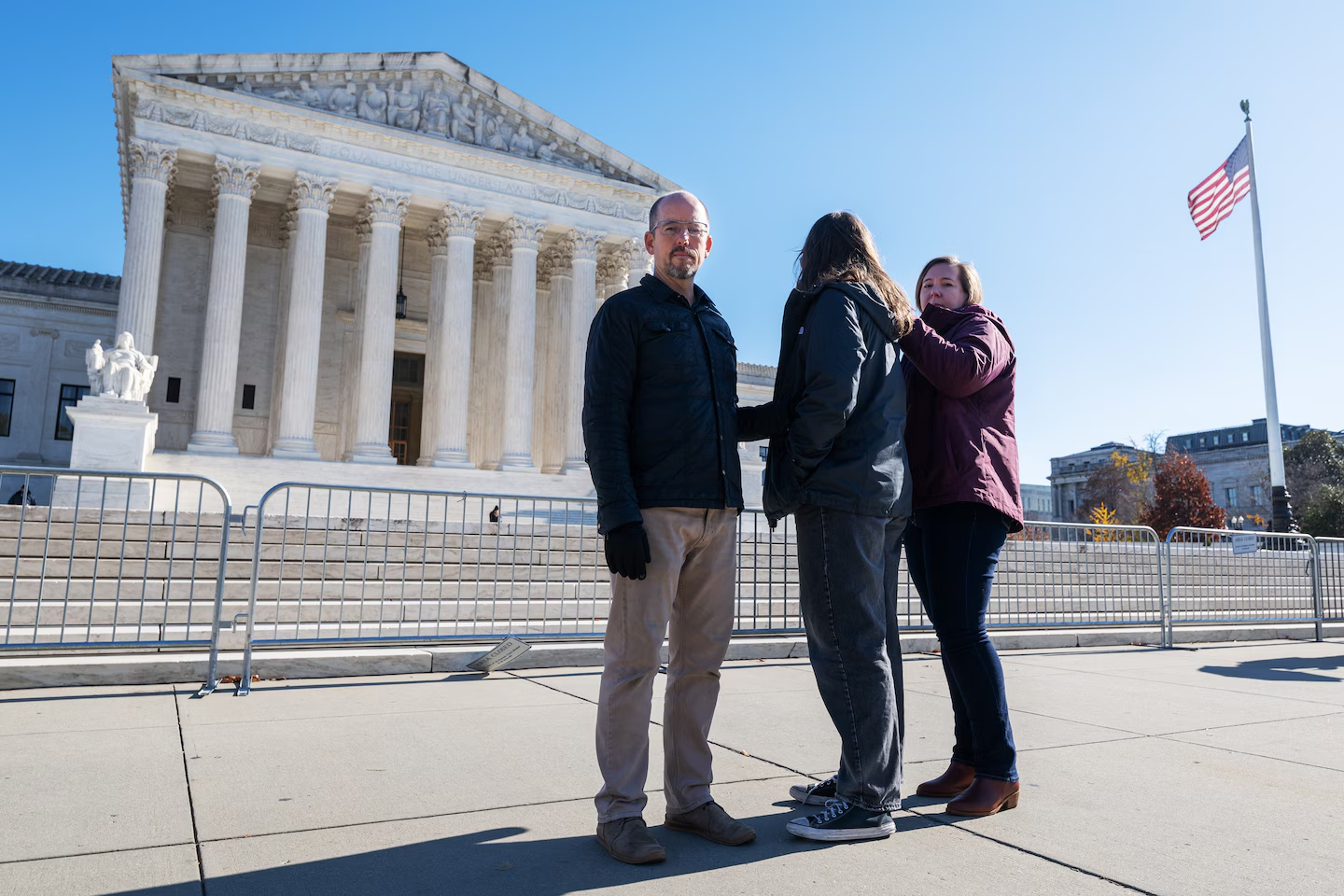
L.W., a transgender teenager from Tennessee, has taken her fight for healthcare rights to the Supreme Court. Despite the stress of the legal battle, she has focused on her personal life, including school, music, and future plans, while challenging laws that impact her access to gender-affirming care.
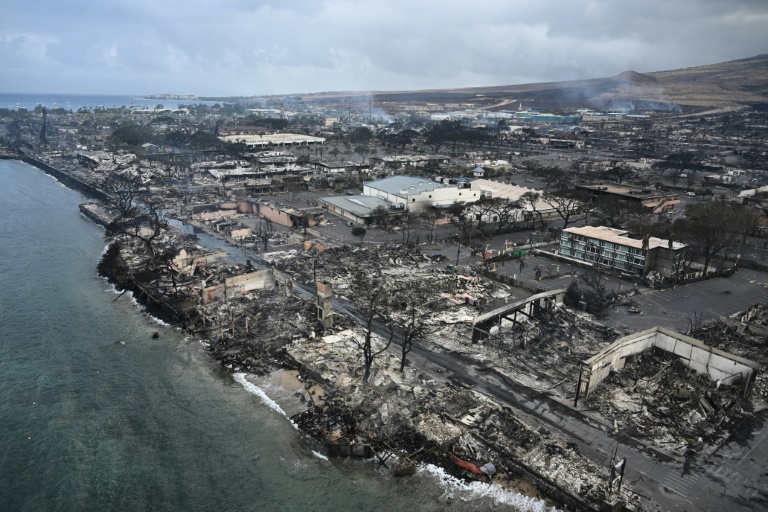
Hawaii has reached a historic settlement with youth activists, agreeing to accelerate the de-carbonization of its transport sector to protect their right to a safe and healthy climate. The agreement includes establishing a greenhouse gas reduction plan within a year, investing in clean transportation infrastructure, and expanding the public electric vehicle charging network. This settlement, achieved just before the case was set to go to trial, marks a significant victory for the youth plaintiffs and sets a precedent for future climate litigation.
Hawaii has agreed to a "groundbreaking" settlement to decarbonize its transportation system by 2045, following a lawsuit by 13 young activists who claimed the state's infrastructure violated their constitutional rights by contributing to climate change. The settlement includes creating a roadmap for zero emissions, establishing a volunteer youth council, and dedicating funds to expand the electric vehicle charging network and improve public transit. This case marks a significant victory for youth-led climate litigation in the U.S.
A group of young climate activists in Hawaii has secured a historic legal settlement requiring the state's Department of Transportation to aggressively pursue a zero-emission transportation system by 2045. The settlement, which is enforceable and overseen by the court, aims to fully decarbonize ground, sea, and inter-island air transportation. This victory is part of a broader youth-led legal strategy to address climate change and follows a similar win in Montana. The case highlights the significant role of transportation in greenhouse gas emissions and the importance of collaborative efforts in achieving climate goals.
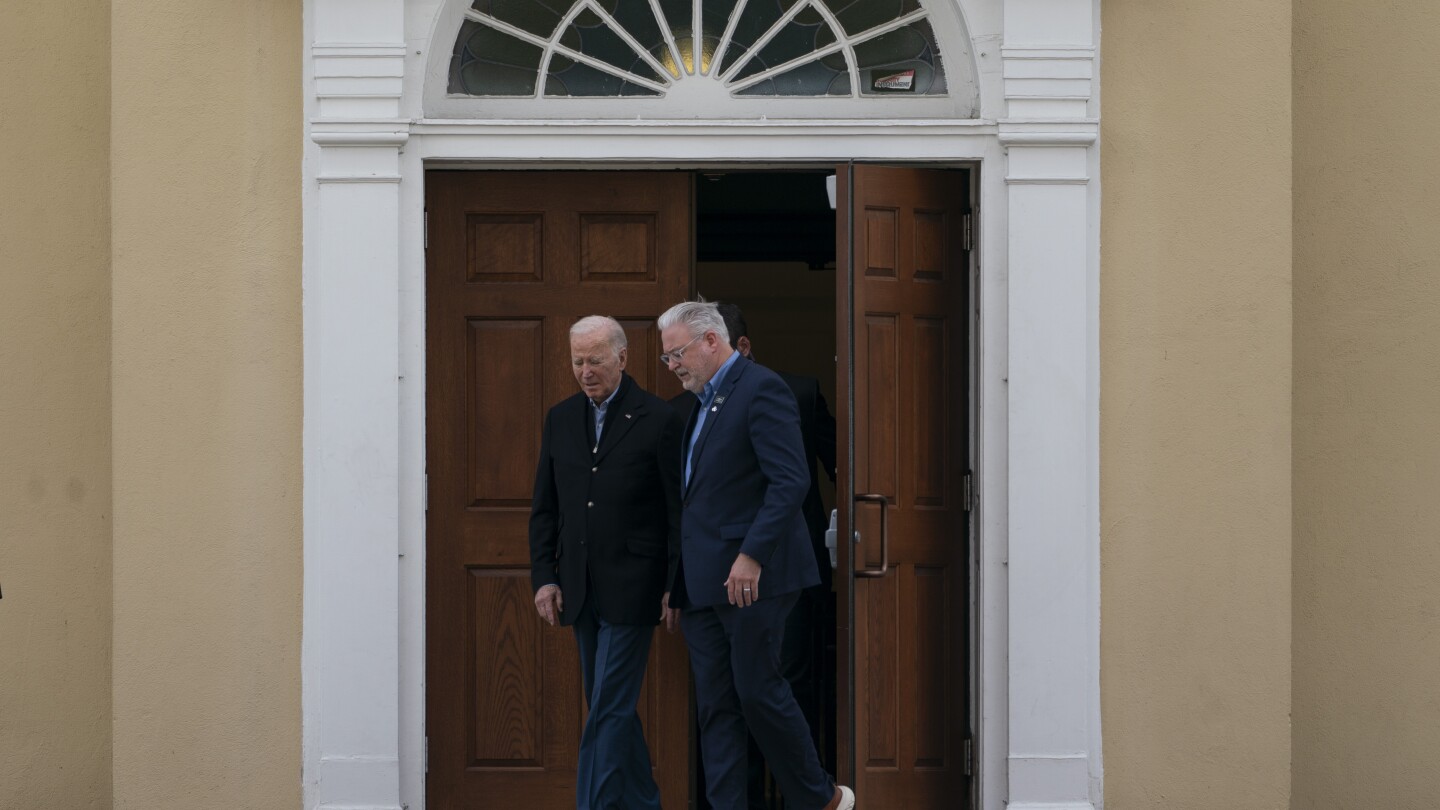
Fifteen youth organizations, including Voters of Tomorrow and NextGen PAC, have jointly endorsed Joe Biden for reelection, emphasizing his achievements over concerns about his age. Despite polls showing voter concerns about Biden's age, the groups believe that his policies and effectiveness as president are more important. They plan to mobilize young voters and support Biden's campaign through voter contacts and organizing efforts, focusing on issues such as student debt, abortion rights, and green energy.
Fifteen youth organizations, including Voters of Tomorrow and NextGen PAC, have jointly endorsed Joe Biden for reelection, emphasizing his achievements over concerns about his age. Despite polls showing voter worries about Biden's age, the groups are rallying behind him, citing his effectiveness as president and his alignment with their priorities such as job creation, student debt cancellation, and environmental initiatives. The endorsement is seen as a show of political strength for Biden, who faces a November rematch with former President Donald Trump, and the groups plan to mobilize young voters in support of his campaign.
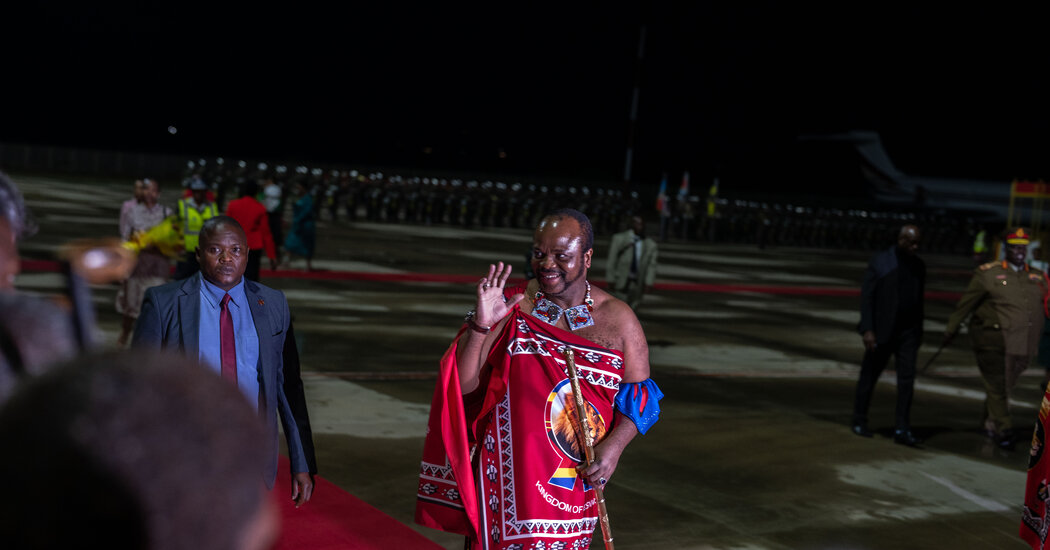
In Eswatini, a college student, Manqoba Motsa, and other young activists are protesting to remove King Mswati III from power, facing violent crackdowns by riot police. However, Motsa's own father, a soldier sworn to protect the throne, stands in opposition to his son's efforts. This reflects a broader trend of restless young activists across Africa pushing to remove long-reigning leaders viewed as barriers to the continent's potential, as the continent's youthful population seeks to drive economic growth and global influence.