The article provides three organic methods to deter sweat bees from your yard: planting fragrant herbs like mint and eucalyptus, mulching exposed ground to prevent burrowing, and keeping the yard tidy to reduce shelter. These strategies aim to make the environment less attractive to sweat bees, which are pollinators but can sting when attracted to human sweat, especially around outdoor seating areas.
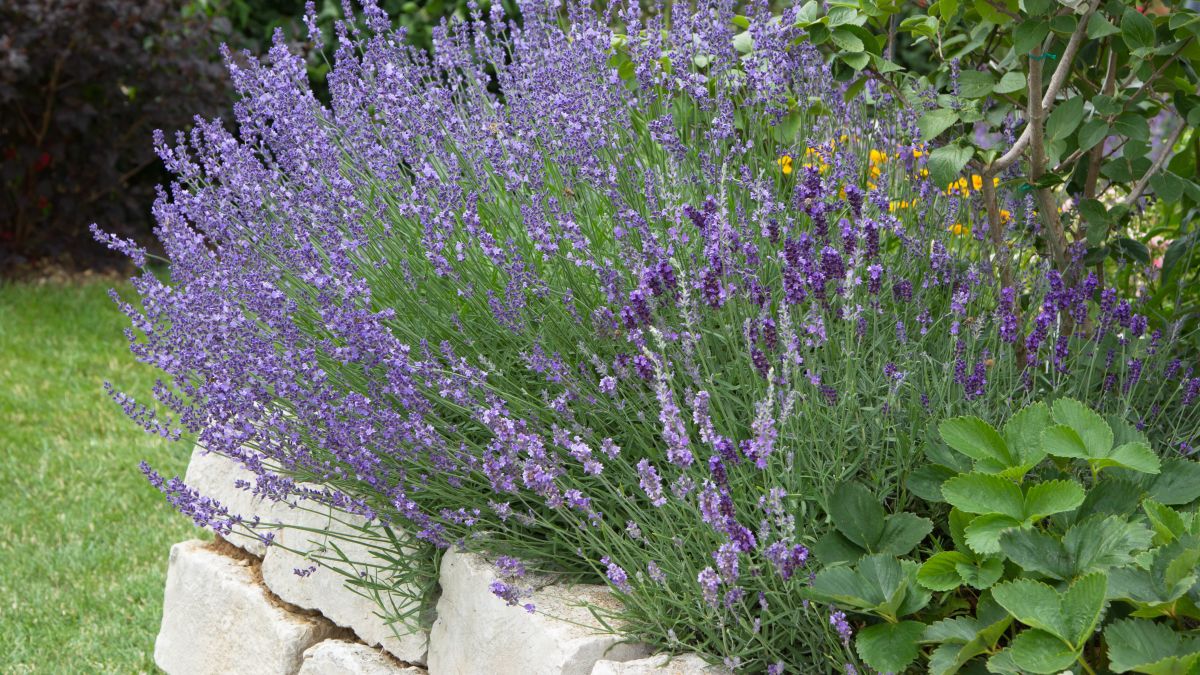
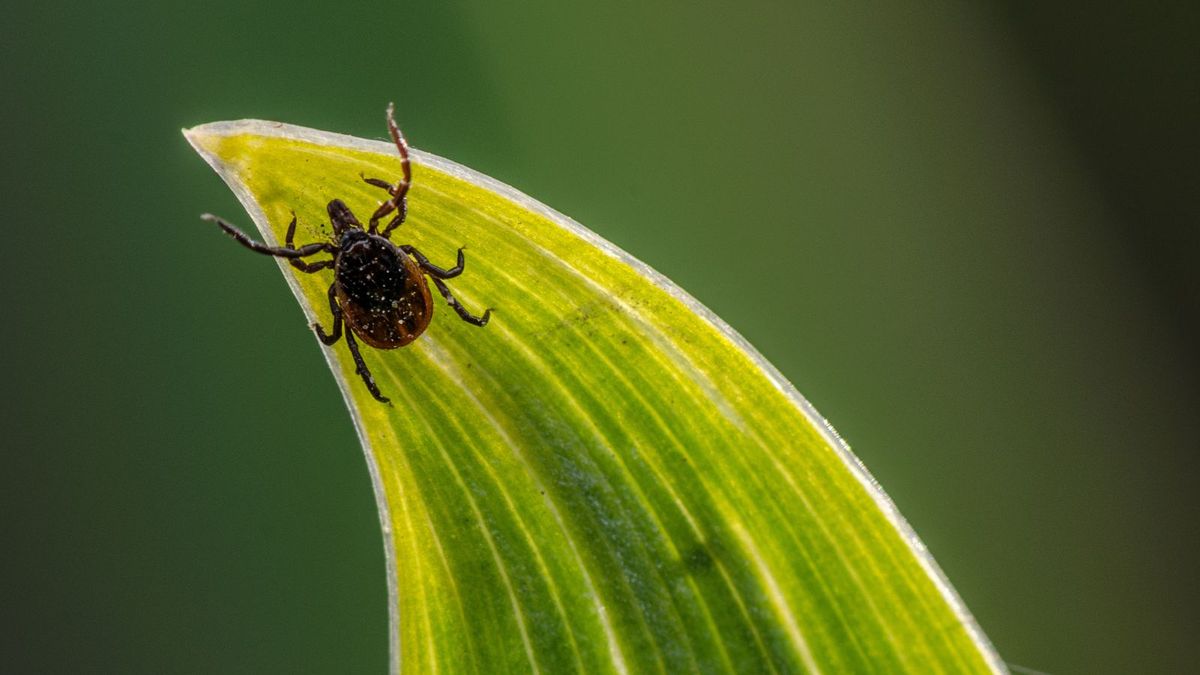
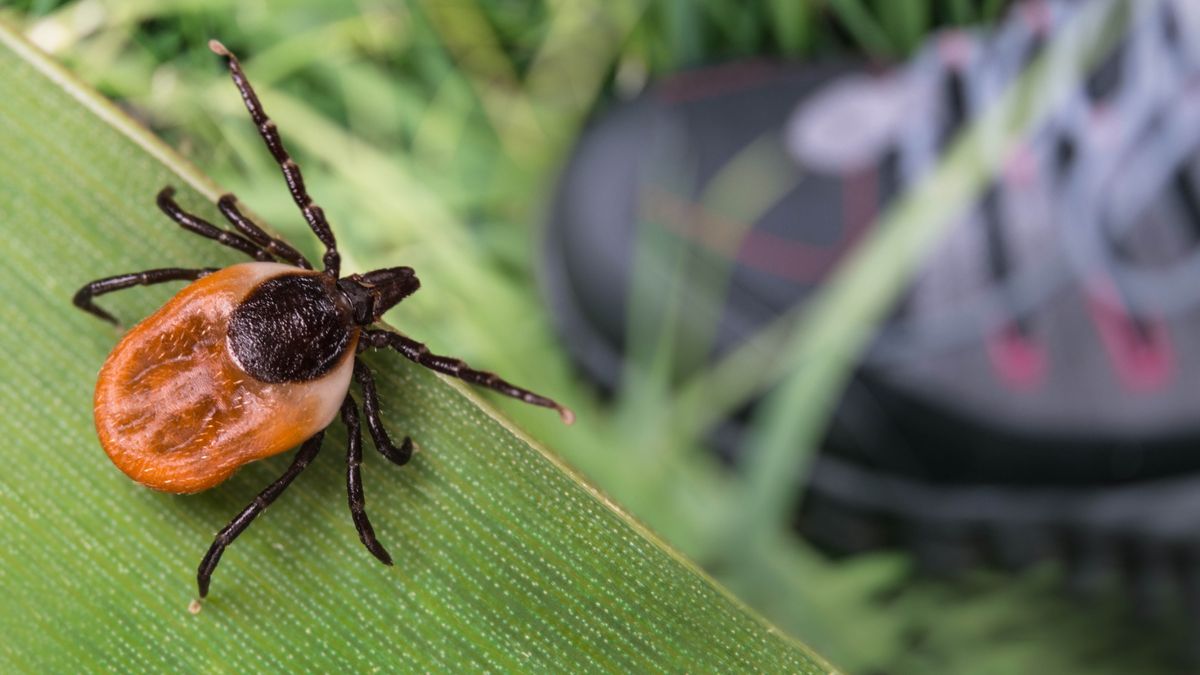
To naturally keep ticks out of your yard, maintain short grass, create barriers like fences or gravel, plant tick-repelling plants such as lavender and garlic, trim tall shrubs regularly, and use organic treatments like eucalyptus oil or diatomaceous earth. These methods can reduce tick populations and help prevent tick-borne diseases.
Maintaining a healthy yard can be challenging when plants are susceptible to diseases. However, there are certain disease-resistant plants that can thrive in various conditions. Some examples include Nandina Obsessed, Largeleaf Phlox, Lavandula (Phenomenal), Blue Star Juniper, Profusion Zinnias, Purple Coneflower, and Itoh Peony. These plants are hardy, low-maintenance, and can tolerate different climates, making them ideal choices for sprucing up your yard.
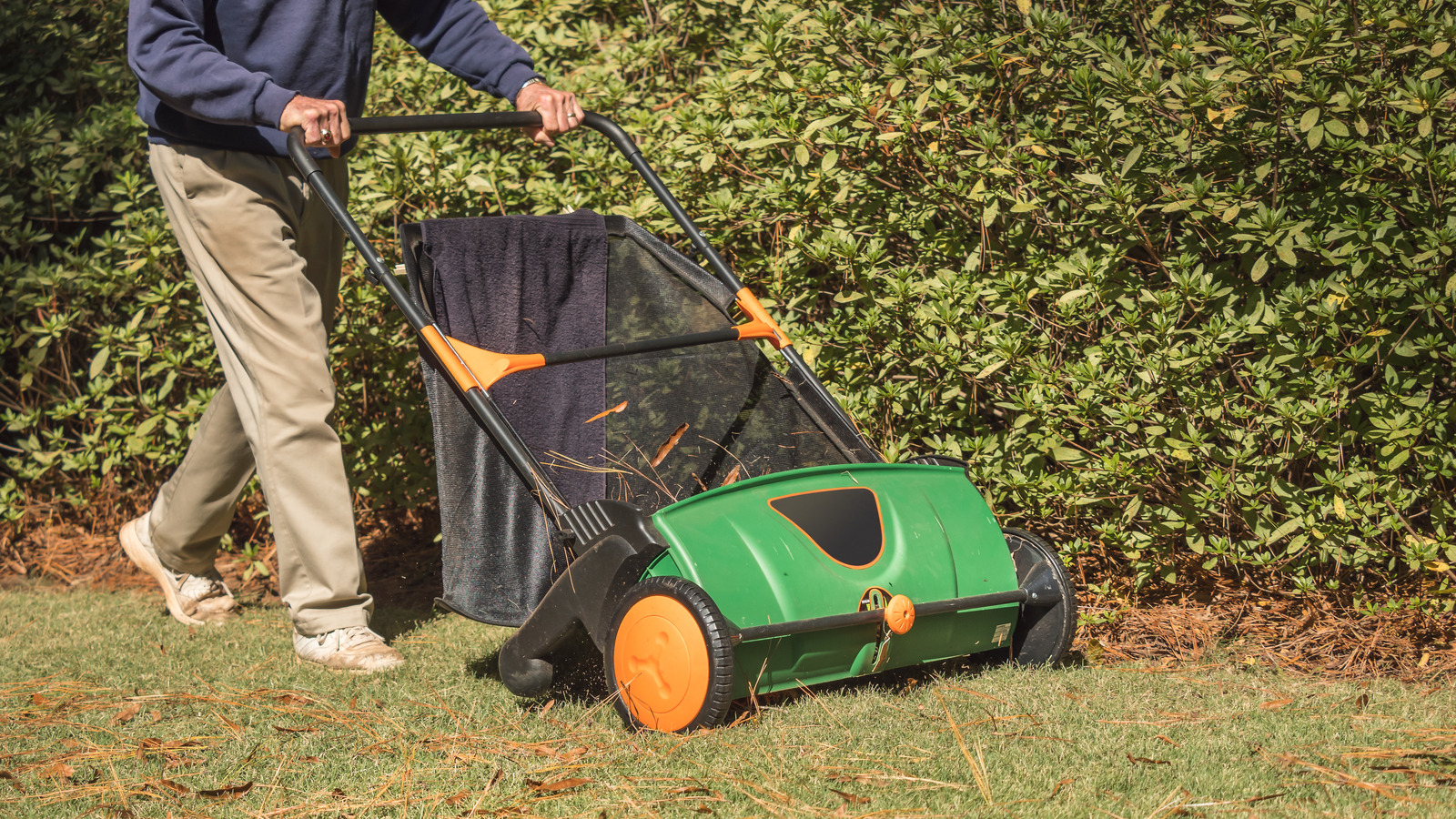
A lawn sweeper is a useful tool for removing debris from your yard, including leaves, clipped grass, and sticks. It can improve the look and condition of your lawn by removing excess moisture and dead grass, exposing more soil for seeding. To use a lawn sweeper, walk the yard and collect any larger items, set the brush height to match your mowing height, and tow or push the sweeper back and forth. Empty the bin when it fills up to prevent debris from dropping back into the yard.
To get rid of ticks in your yard, use a combination of tactics including tick repellants, pesticides, nematodes, creating a hostile barrier, and frequent mowing. Natural tick repellants include essential oils like cedar, lemongrass, and peppermint. Pesticides like permethrin spray can be effective for well-established infestations. Nematodes can be used to get rid of tick larvae. Creating a hostile barrier with stones, dirt, or wood chips in full sun can prevent ticks from entering your yard. Frequent mowing and keeping a well-managed landscape are also effective in reducing tick activity.
Ticks can be a nuisance in your yard, and can even spread diseases. To prevent an infestation, keep your grass short, create a barrier with wood chips or gravel, stack wood piles in sunny areas, use natural tick repellents like cedar oil or neem oil, and sprinkle diatomaceous earth around your yard to kill ticks and other pests. These tips will help keep your yard tick-free and enjoyable for you and your pets.
Ticks pose a serious threat to both humans and pets due to their ability to transmit serious diseases such as Lyme disease. Spraying your yard for ticks can prevent them from inhabiting your yard and kill the ones that already managed to sneak in. Chemical pesticides and non-toxic alternatives such as cedarwood oil spray can be used for tick elimination. The best time to spray your yard for ticks is before they have a chance to populate it, usually in the spring, and continuing throughout the calendar year into the fall.
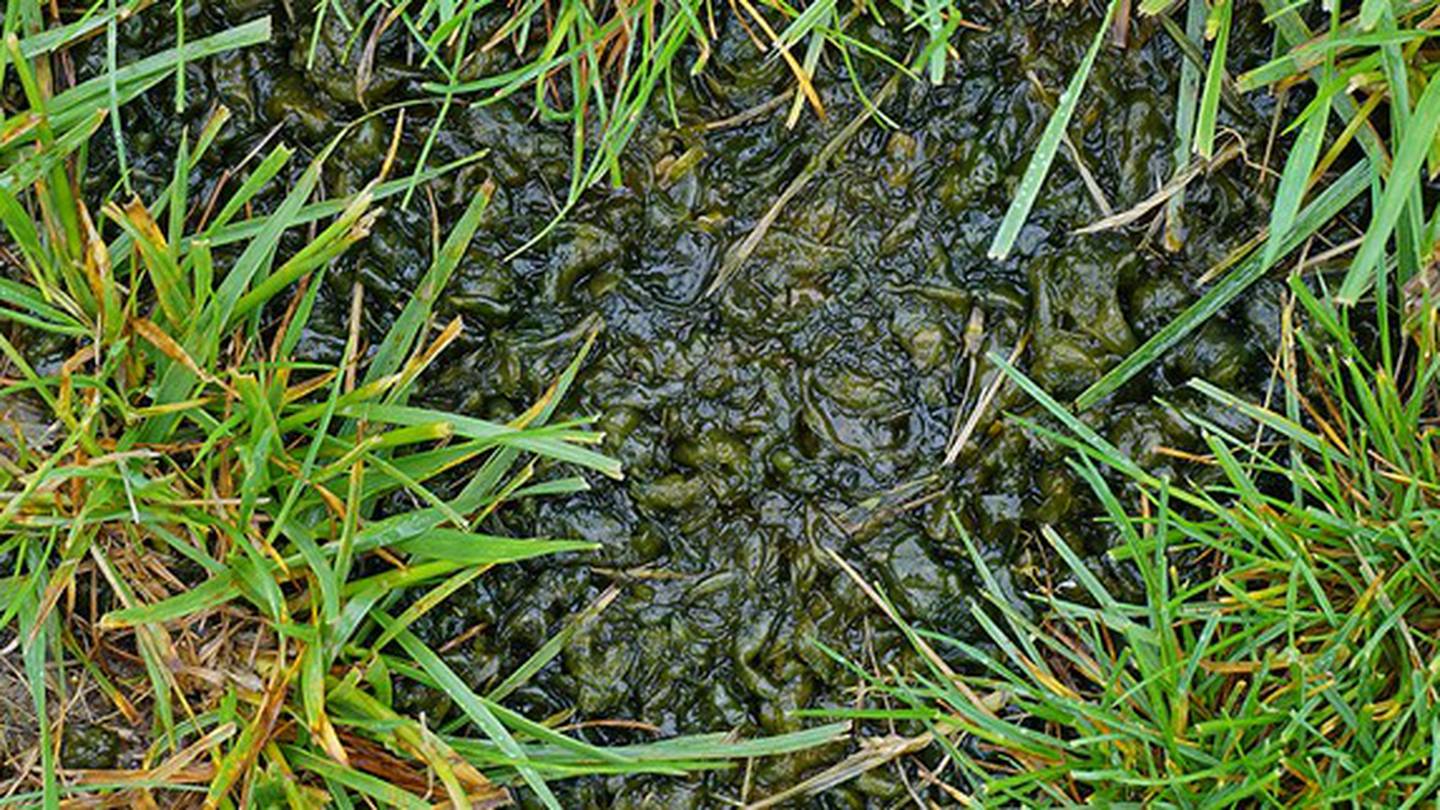
The Nostoc commune, a jelly-like mass that thrives in wet conditions, is often mislabeled as algae and is harmless to yards and grass. It can be easily removed by skimming the surface below it with a flat-edged shovel or tilling around the area and then removing it. To prevent it from growing, look for low areas that collect water and fix them by adding additional drainage, filling in low spots, or reducing sprinkler time. In some Asian countries, the Nostoc commune is consumed, but it is recommended to reach out to an experienced harvester before consuming it.