Ford's significant investment in an electric 'truck of the future' resulted in a $19.5 billion writedown, highlighting the financial risks associated with pioneering electric vehicle technology.
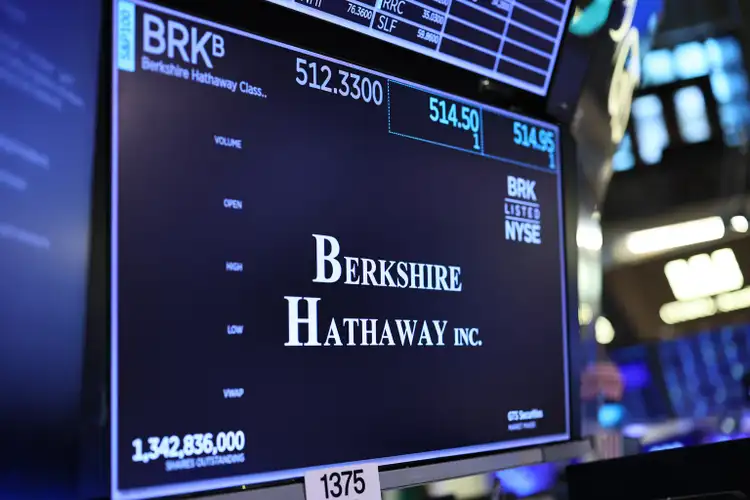
Berkshire Hathaway's shares fell by up to 3.4% after a $3.8 billion impairment related to its Kraft Heinz investment, reflecting challenges in the consumer goods sector and leading the company to forgo buybacks for the fourth consecutive quarter amid broader profit declines.
Berkshire Hathaway's shares fell 3.1% after its Q2 earnings report revealed a $3.8 billion writedown on Kraft Heinz, leading to investor disappointment.
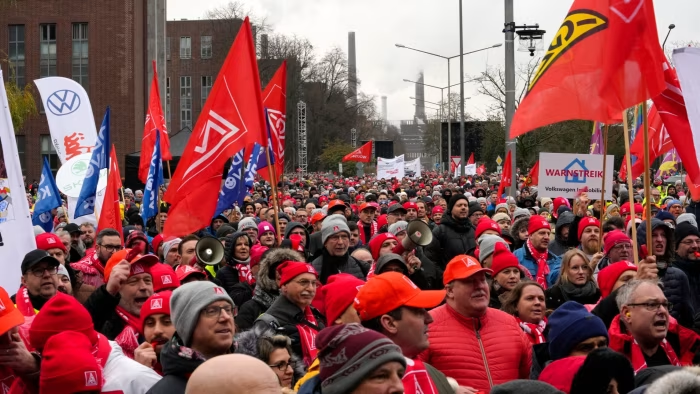
Porsche SE has announced it may write down its stake in Volkswagen by up to €20 billion due to uncertainties over potential plant closures and labor strikes, which have led VW to withhold its annual financial plan. The holding company also expects a writedown of €1-2 billion in its stake in Porsche AG. This comes amid VW's ongoing negotiations with union IG Metall over restructuring plans that include factory closures and layoffs, as the company faces declining sales in Europe and China.
HSBC reported a record annual profit of $30.3 billion, up 78% from the previous year, but fell short of analysts' expectations due to a $3 billion writedown from its stake in a Chinese bank. The bank announced a $2 billion share buyback and a fourth interim dividend of $0.31 per share, while also considering a special dividend once its Canada disposal is complete. CEO pay doubled in 2023, and the bank's Hong Kong-listed shares dropped 3.4% in afternoon trade. HSBC remains cautious about loan growth in the first half of 2024 and expects costs to rise further as it grapples with inflation and invests in its businesses.
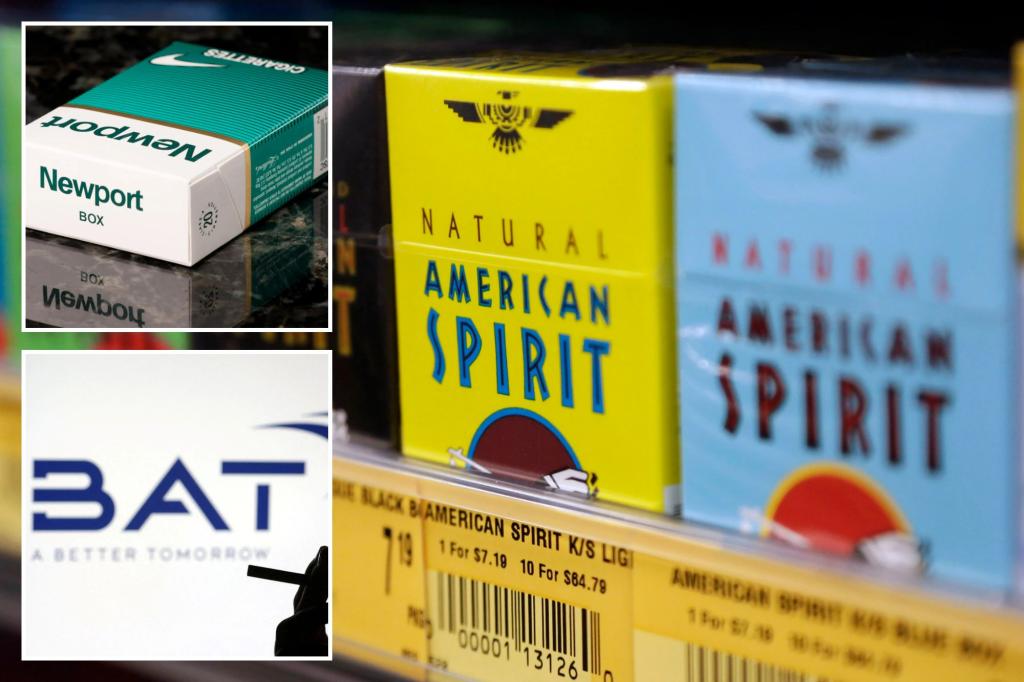
British American Tobacco (BAT) announced a $31.5 billion writedown as it acknowledges that its US cigarette brands have no long-term future due to stricter regulations and declining cigarette volumes. BAT's shares fell, and US-listed tobacco stocks were also impacted. The writedown marks the first time a major global tobacco firm has written off the value of its traditional cigarettes business in a major market like the US, highlighting the need for the industry to focus on alternatives. BAT plans to generate 50% of its revenues from non-combustibles by 2035 and expects its business from "new categories" to break even in 2023.
Procter & Gamble (P&G) announced it will incur charges of up to $2.5 billion over two fiscal years due to a writedown of its Gillette business and the restructuring of certain markets. P&G will take a $1.3 billion non-cash impairment charge on its Gillette business in the current quarter. The company also expects charges of $1 billion to $1.5 billion related to the restructuring of its operations in Argentina and Nigeria. P&G blames difficult macroeconomic conditions and a stronger dollar for the charges. The total charges will be recognized in fiscal years 2024 and 2025.
Procter & Gamble (P&G) announced it will incur charges of up to $2.5 billion over two fiscal years due to a writedown of its Gillette business and the restructuring of certain markets. P&G will take a $1.3 billion non-cash impairment charge on Gillette in the current quarter, and expects charges of $1 billion to $1.5 billion related to the restructuring of its operations in Argentina and Nigeria. The company attributes the charges to difficult macroeconomic conditions and a stronger dollar. P&G plans to divest its fabric and home care business in Argentina and turn Nigeria into an import-only market.
MicroStrategy, the largest publicly-traded holder of Bitcoin, reported a third-quarter loss after taking a writedown due to the decline in the value of the cryptocurrency. The company's net loss widened to $143.4 million, while revenue from the software business rose about 3%. MicroStrategy has been buying Bitcoin as a hedge against inflation but has faced significant writedowns in the past. Co-founder Michael Saylor has accumulated over $5.5 billion worth of Bitcoin, and the company currently holds more than 158,000 Bitcoin. Despite the losses, the company plans to purchase more Bitcoin, and investors are debating whether MicroStrategy's shares will continue to command a Bitcoin-related premium.
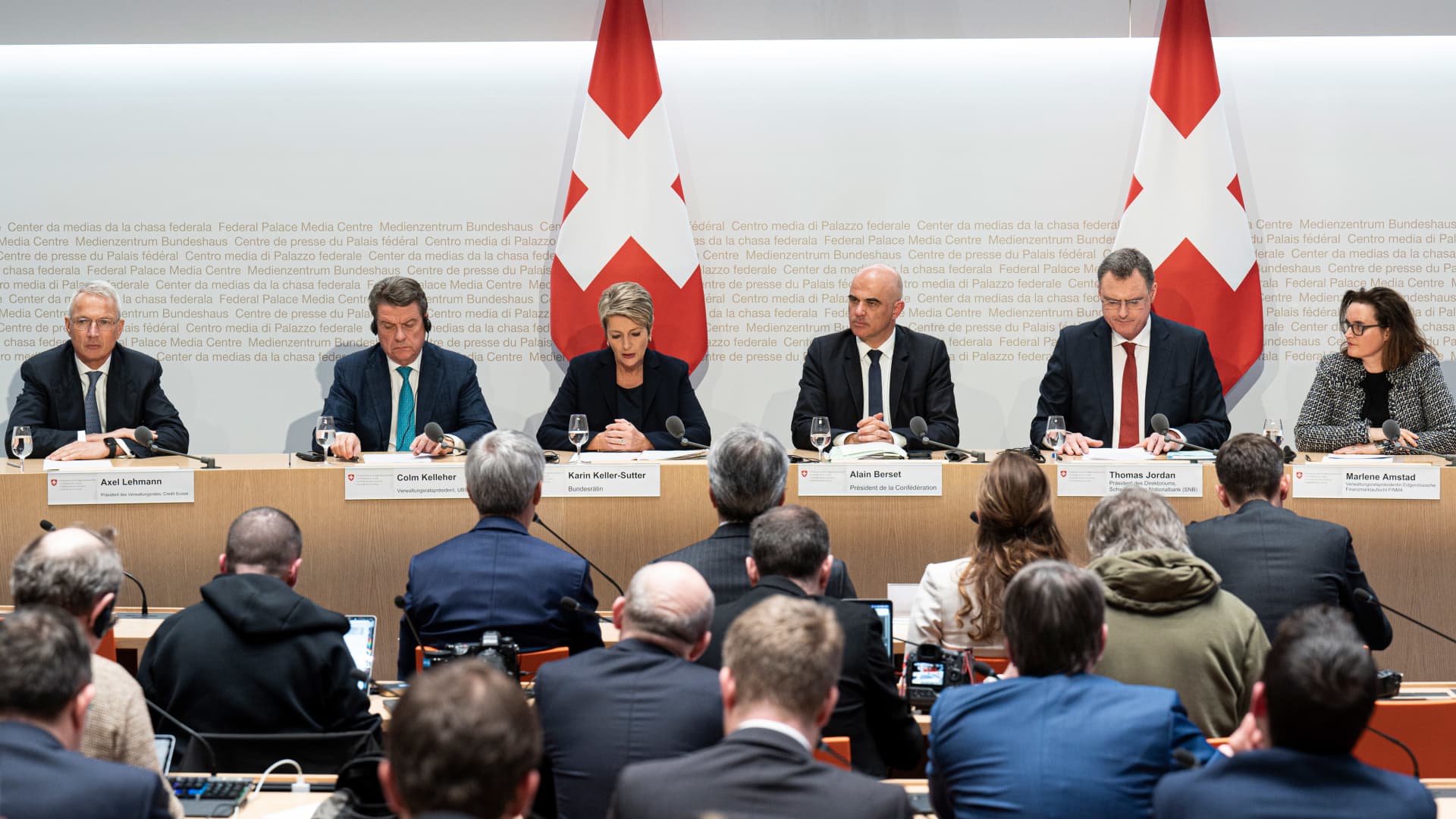
Swiss regulator FINMA has defended its decision to instruct Credit Suisse to write down its AT1 bonds to zero, saying it was a "viability event" triggered by the loan Credit Suisse received from the Swiss National Bank last week, backed by the federal government. The regulator's decision upended the usual European hierarchy of restitution in the event of a bank failure under the post-financial crisis Basel III framework, which ordinarily places AT1 bondholders above stock investors. Bondholders are exploring legal action over the contentious writedown.