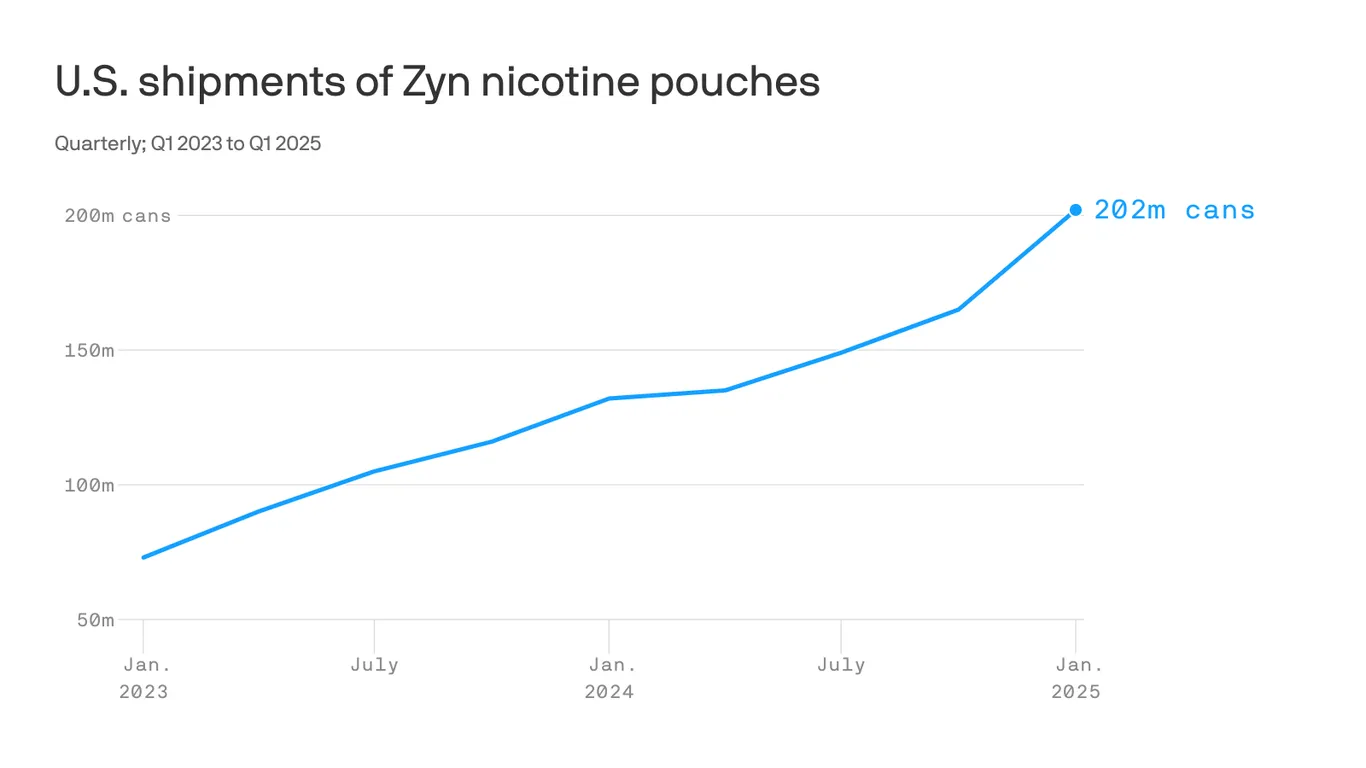
Sales of Zyn nicotine pouches are rapidly increasing in the U.S., driven by their discreet, smoke-free design and potential as a safer alternative to smoking, though concerns about youth appeal and addiction persist. The FDA has recently approved marketing for some Zyn products, and the company is expanding production, raising questions about regulation and public health impacts.
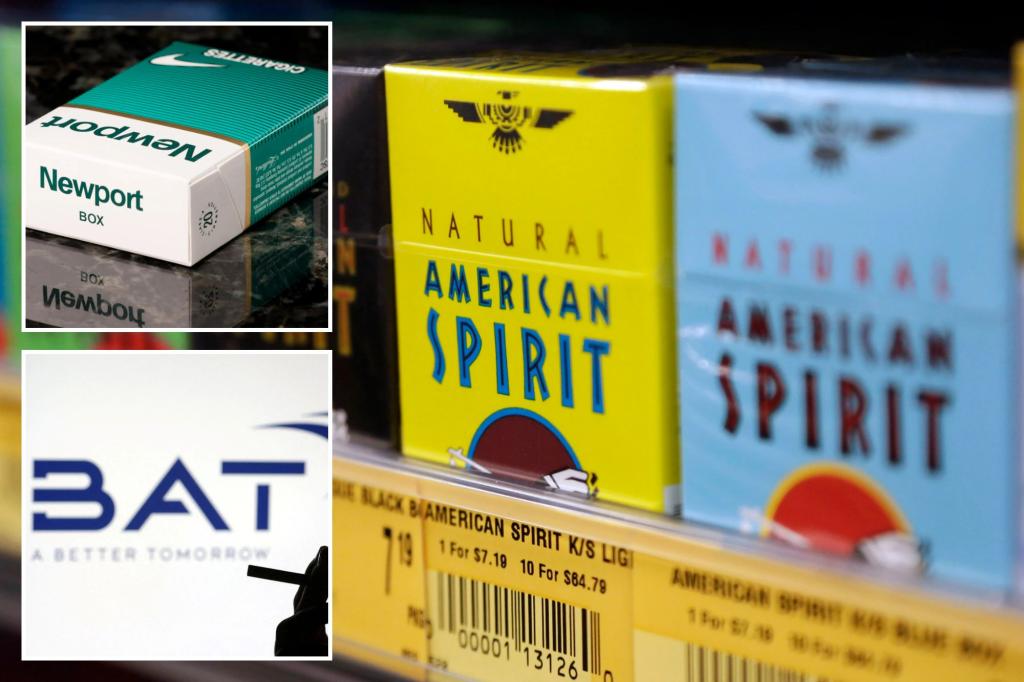
British American Tobacco (BAT) announced a $31.5 billion writedown as it acknowledges that its US cigarette brands have no long-term future due to stricter regulations and declining cigarette volumes. BAT's shares fell, and US-listed tobacco stocks were also impacted. The writedown marks the first time a major global tobacco firm has written off the value of its traditional cigarettes business in a major market like the US, highlighting the need for the industry to focus on alternatives. BAT plans to generate 50% of its revenues from non-combustibles by 2035 and expects its business from "new categories" to break even in 2023.
British American Tobacco (BAT) is writing down the value of its US cigarette brands, including Camel and Pall Mall, by approximately $31.5 billion, acknowledging the declining future of the traditional tobacco market. BAT cited stricter regulations, health risks, economic challenges, and the rise of illicit disposable vapes as factors contributing to the decline in cigarette volumes. The company will adjust the treatment of these brands on its balance sheet, recognizing their value for a finite lifetime of 30 years. BAT's shares fell over 8% following the announcement. The company aims to generate 50% of its revenues from non-combustibles by 2025.
British American Tobacco (BAT) is writing off approximately £25 billion ($31.5 billion) on its US cigarette brands due to the diminishing value of the brands over the next 30 years as more smokers quit, switch to cheaper brands, or adopt smoking alternatives. This announcement caused BAT shares to experience their biggest decline in almost four years. The company also provided a disappointing mid-term guidance, citing challenges in the US cigarette market and increased competition in new categories such as vapes, nicotine pouches, and heated tobacco. BAT is aiming for its alternatives business to break even in 2023 and be profitable next year, but it faces tough competition from upstart Chinese competitors in the disposable vape market.
British American Tobacco (BAT) announced a write-down of approximately $31.5 billion from the value of its U.S. cigarette brands, acknowledging the lack of a long-term future for its traditional market. BAT cited stricter regulations, health risks, economic challenges, and the rise of illicit disposable vapes as factors contributing to declining cigarette volumes. The company plans to adjust the treatment of some U.S. brands on its balance sheet, shifting their value to a finite lifetime of 30 years. BAT's shares fell over 8%, and it became the first major cigarette player to acknowledge the expiry date of its tobacco brands' value. BAT also set a new goal to generate 50% of its revenues from non-combustibles by 2025.