A security guard discovers an affair between a coworker and her boss's husband through security cameras and debates whether to inform the coworker, ultimately advised to stay out of the personal matter to avoid workplace disruption and respect privacy, suggesting instead to remind staff about appropriate conduct in shared spaces.

Some workers are secretly holding multiple full-time jobs within a standard 40-hour workweek, leveraging remote work and AI tools to earn over $1 million annually, raising questions about workplace ethics and the future of remote employment.
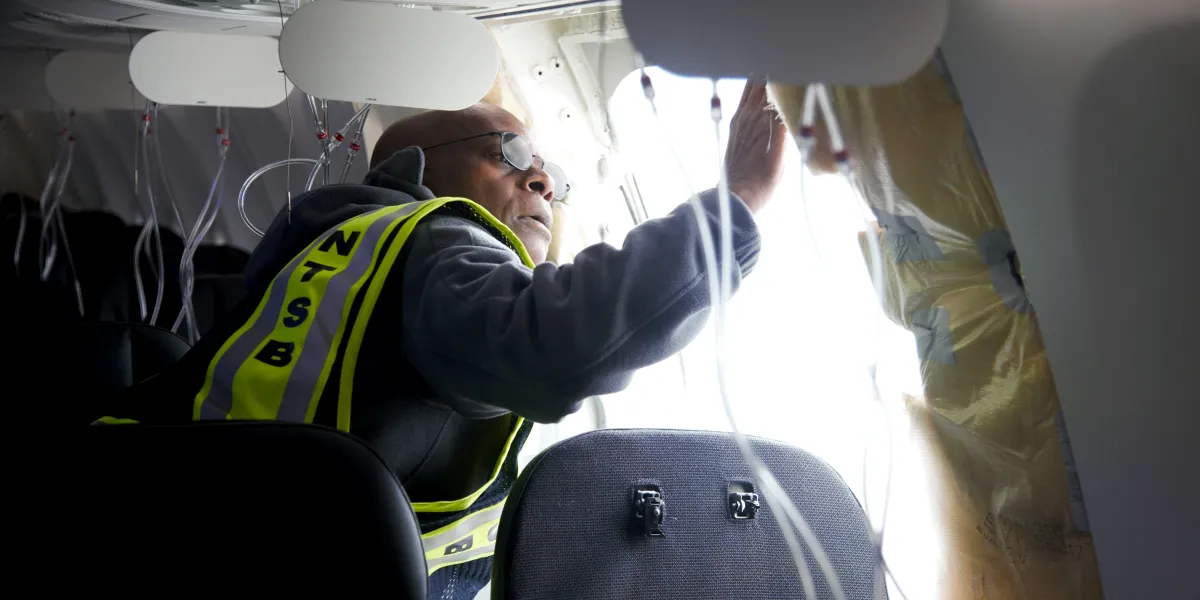
The tragic death of Boeing whistleblower John Barnett highlights the personal, financial, and emotional costs whistleblowers face when bringing forward sensitive information. While society benefits from their insights, whistleblowers often endure alienation, retaliation, and psychological tolls. To better support whistleblowers, there is a need for financial protection, cultural reevaluation of profiting from their stories, employer support, and mental health resources. Investing in the well-being of whistleblowers is crucial to preserving their critical insights and protecting those who protect us.
In this Work Friend advice column, readers seek guidance on various workplace issues. One person wonders how to decline being a reference for a former co-worker who performed poorly, while another questions the legality of employers asking for age-related information during job applications. A reader seeks advice on dealing with a colleague who has become exclusionary and petty, while another raises concerns about a delayed retirement plan match at their nonprofit organization. The columnist provides insights and suggestions for navigating these workplace challenges.
A California restaurant, Taqueria Garibaldi, has been ordered to pay $140,000 in back wages and damages to employees after using an alleged priest to hear worker confessions during work hours. The U.S. Department of Labor found that the restaurant denied employees overtime pay, paid managers illegally from the employee tip pool, threatened employees with retaliation and adverse immigration consequences, and fired one worker who complained to the department. The restaurant and its owners have been ordered to pay the sum by the U.S. District Court for the Eastern District of California.
A list of 21 toxic bosses who mistreated their staff includes instances of limiting employees' bodily functions, charging for water, stealing tips, punishing employees for emergencies, and firing employees for unclear reasons. These bosses also implemented unfair policies, such as requiring three months' notice before quitting and awarding extra breaks only with 24-hour notice. Some bosses even violated labor laws and contacted fired employees for help.