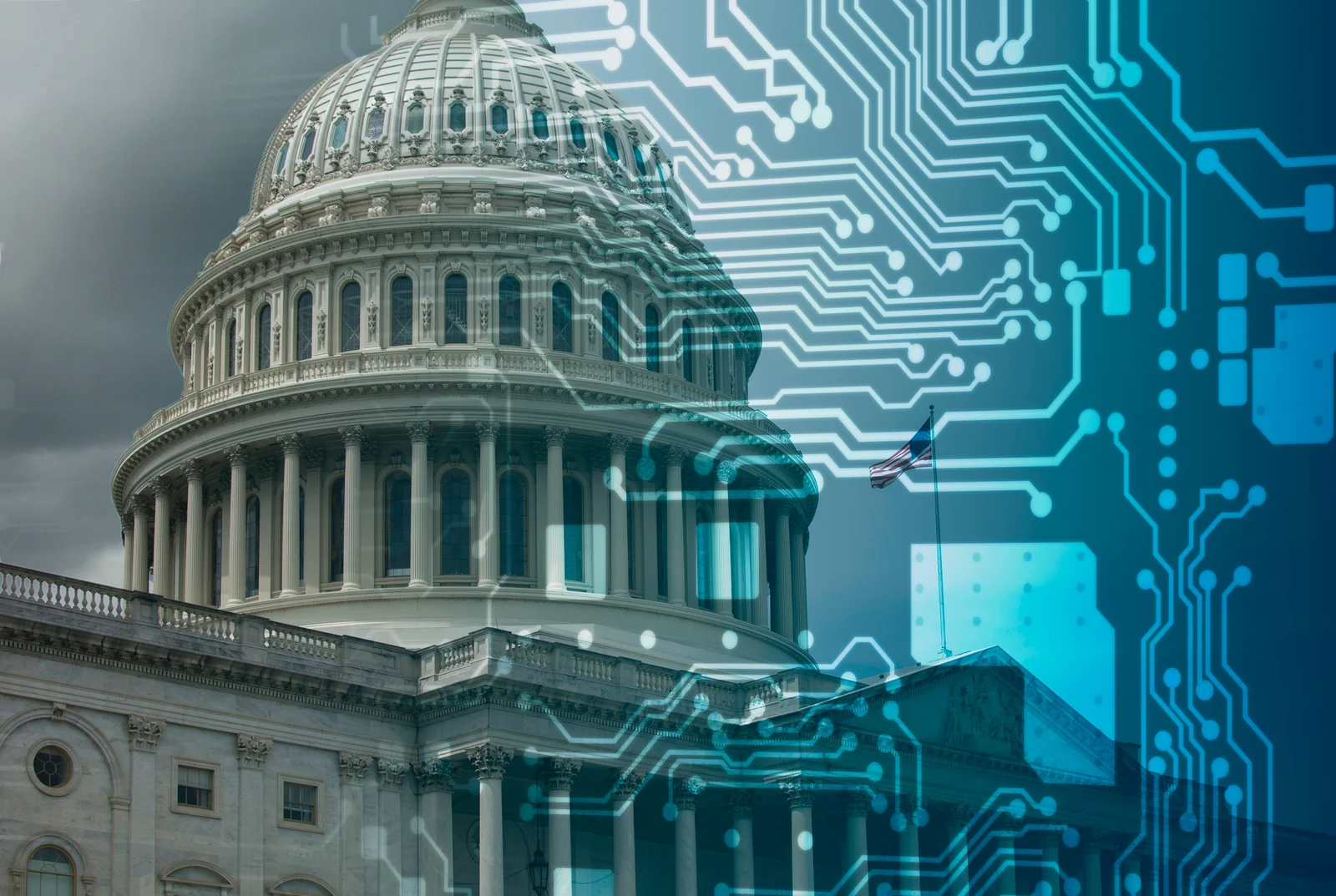
Artificial intelligence may not be the dominant buzzword for 2026 in federal IT; instead, focus will shift to topics like AI governance, workforce transformation, acquisition reform, and resilient innovation, with experts emphasizing the importance of managing AI effectively, modernizing security clearances, and improving government procurement and workforce strategies.
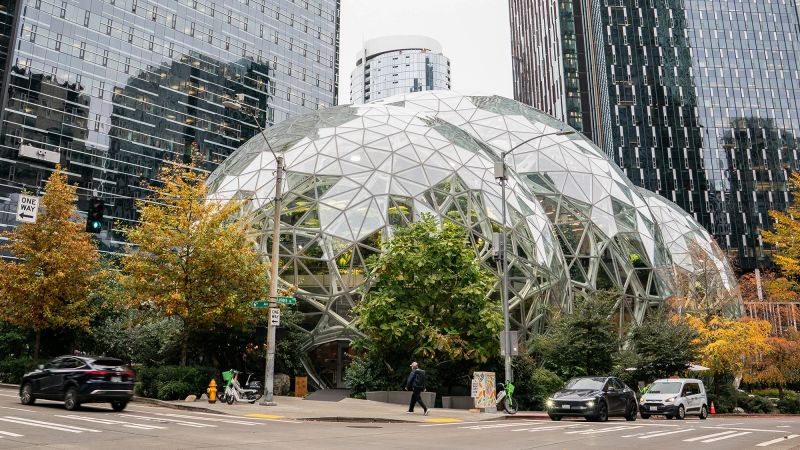
Amazon is laying off tens of thousands of employees, citing a need to streamline operations and prepare for AI-driven productivity gains, amid broader industry trends of cost-cutting and skepticism about AI's immediate impact on efficiency. The layoffs reflect strategic shifts rather than direct AI failures, with companies balancing short-term profits against long-term adaptability in a changing economic landscape.
Vercel has trained AI agents based on its top sales employees to automate routine tasks, reducing its sales team from 10 to 1 person, with plans to deploy hundreds of such agents to focus human effort on higher-value work, aiming to enhance efficiency without downsizing overall staff.
AI and automation are transforming the workforce, with jobs requiring empathy, physical skills, and regulation remaining safe, while routine knowledge work is increasingly at risk. Roles in healthcare, law, and skilled trades are more protected, whereas repetitive tasks like transcription and scheduling are vulnerable. The future workforce will need to adapt by focusing on uniquely human skills and strategic planning for technological integration.
Eric Vaughan, CEO of IgniteTech, replaced nearly 80% of his staff to accelerate AI adoption, believing it was essential for survival. Despite significant resistance and challenges, the company successfully integrated AI into its culture and operations, resulting in strong financial performance and innovative products. Vaughan would do it again, emphasizing that AI-driven change is a necessary cultural and business transformation.
Mira Lane from Google advises job seekers to gather extensive information, such as networking, internships, and research, before making a career pivot, especially amid workforce changes driven by AI advancements. She emphasizes the importance of reflection and feedback to ensure a fulfilling career transition.
Goldman Sachs has hired Devin, an AI-powered software engineer, to boost productivity and create a hybrid workforce of humans and AI, with plans to expand its use significantly. While this innovation aims to enhance efficiency, industry leaders warn that AI could displace many entry-level white-collar jobs, potentially reducing Wall Street employment by up to 200,000 in the coming years. The shift emphasizes the importance of AI proficiency for future workers.
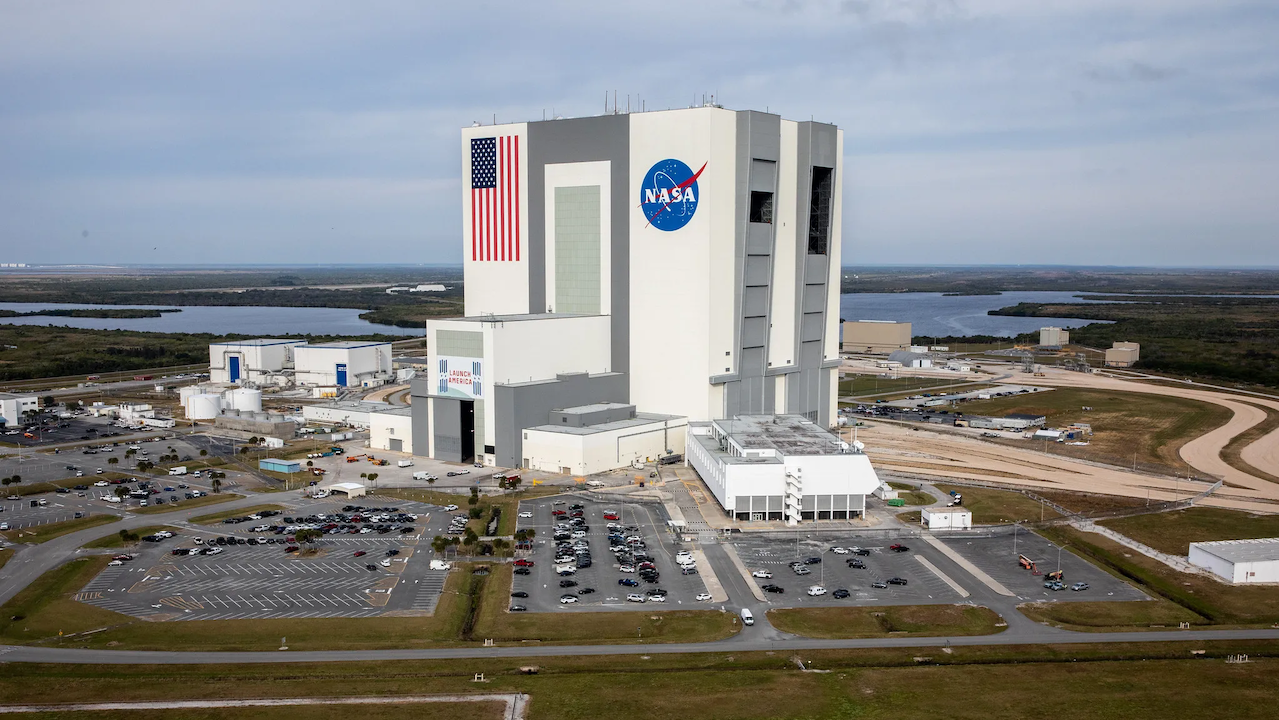
NASA Kennedy Space Center is undergoing a workforce transformation, including layoffs and restructuring, to align with new agency priorities focused on maintaining American leadership in space. The center emphasizes ongoing communication, employee resources, and appreciation for its dedicated staff amid these changes.
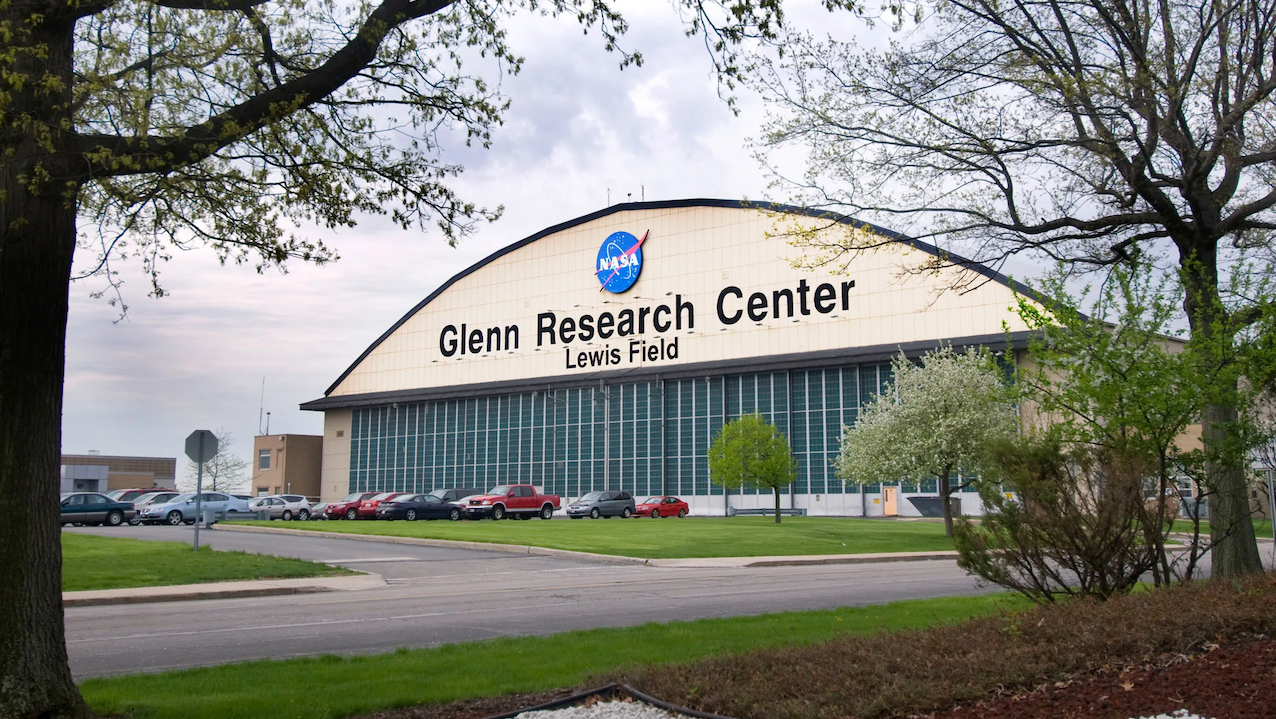
NASA Glenn Research Center announced a workforce transformation plan including voluntary early retirement, separation incentives, and deferred resignation programs, offering employees options to manage their careers amid organizational changes.
Deloitte is using AI technology to assess the skills of its current employees and potentially shift them into more promising areas of the business, in an effort to avoid mass layoffs and balance new hiring growth. The firm is betting that AI will not only help retain employees but also increase productivity and profitability. Deloitte's move comes after a surge in new hires, while revenue growth has not kept pace. Other consulting firms are also grappling with how to manage their workforce amid an uncertain economy.
The widespread adoption of artificial intelligence (AI) is expected to bring significant changes to the workforce, potentially displacing lower-skilled white-collar office workers. A recent survey found that mid-level office professionals are already using AI in some form but lack a firm understanding of the technology. Experts predict that while AI may initially supplement existing workers, it will eventually lead to job losses. However, there are also opportunities for workers to master AI tools and take advantage of new roles that emerge. The integration of AI into the workplace will require additional skills in logic and math, and there will be a need for prompt engineers who can effectively harness AI for specific purposes.
The integration of artificial intelligence (AI) into daily work, combined with invasive corporate surveillance, raises concerns that companies could use data collected from employees to develop AI programs that replace them. By monitoring workflows and having workers interact with AI tools, companies can train AI programs to learn and eventually perform tasks previously done by humans. While some jobs may be changed rather than entirely replaced, advancements in AI could lead to job displacement and lower wages for workers. Policymakers need to address the potential destabilization of the economy and society by offering social safety net programs and effective retraining initiatives. The rapid advancement of AI technology calls for vigilance in understanding its potential impact on the job market.
Deloitte is partnering with Google to build new generative AI solutions and help customers migrate to Google Cloud. Deloitte's Generative AI Practice focuses on boosting productivity and driving business innovation, with a big focus on workforce transformation and trustworthy AI. The partnership aims to bring Google's generative AI capabilities to enterprises in every industry and adapt the model for individual use cases. Deloitte's Gopal Srinivasan emphasizes the need for proactive workforce transformation to augment human capability and advance productivity.