Paramount CEO David Ellison praised employees for their commitment during the first week of returning to a five-day in-office work policy in Los Angeles and New York, emphasizing increased productivity and positive energy, as the company enforces a full-time office requirement by 2026 across its divisions.
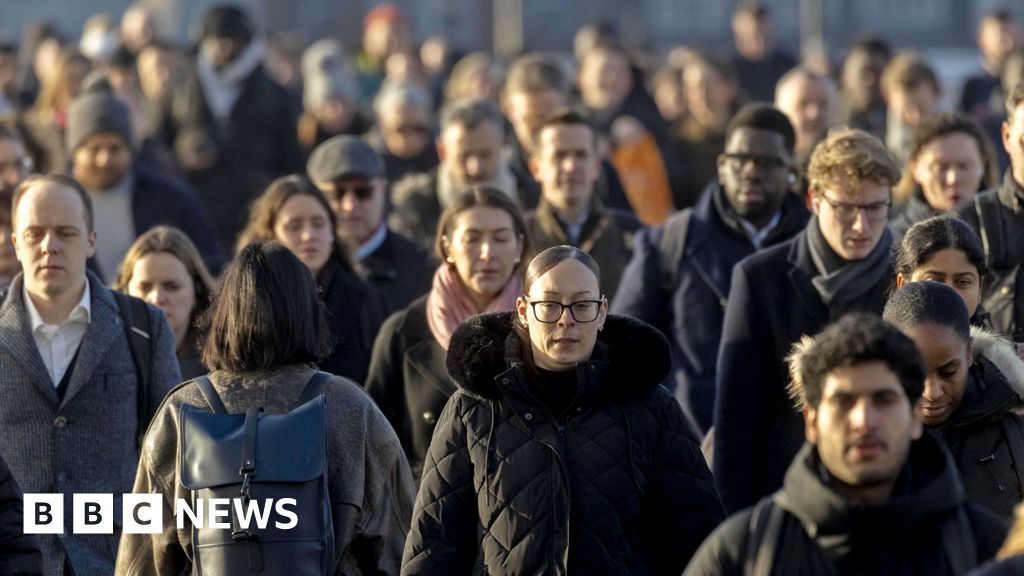
UK government officials have warned local councils against adopting a four-day working week, emphasizing the importance of maintaining full-time pay for full-time work to ensure high standards and service quality, following the first council's trial of the shorter week which reportedly led to a decline in performance.
NBCUniversal will implement a 4-day in-office workweek starting January 5, 2026, requiring hybrid employees to work onsite Monday through Thursday, with flexibility on Fridays, as part of a broader trend in the media and entertainment industry emphasizing in-person collaboration.
Microsoft's AI division is implementing a stricter return-to-office policy, requiring employees within 25-50 miles of specific global offices to work in person 4 days a week starting January 26, as part of efforts to attract AI talent amid industry competition.
Microsoft is mandating a return to the office three days a week for employees within 50 miles of its Redmond campus, starting in late February, with phased implementation and exceptions available for certain roles and circumstances.
Microsoft is implementing a policy requiring employees to work from the office at least three days a week, starting with employees near its Seattle headquarters in February 2026, as part of a phased approach to returning to pre-pandemic work routines, emphasizing collaboration and productivity in the AI era.
Paramount Skydance announced that all employees will be required to work in the office five days a week starting January 2026, as part of a broader cost-cutting strategy, with some staff eligible for buyouts if they do not wish to comply. The move aims to foster in-person collaboration to support company culture and success amid financial pressures.
Paramount has announced a phased plan to require all employees in LA and NY to return to full-time in-office work by January 2026, with international and remote employees following later, as part of a strategy to strengthen company culture and competitiveness.
Robinhood CEO Vlad Tenev has reversed his previous remote-first stance, now requiring executives to work in the office five days a week, citing the importance of in-person collaboration and acknowledging the challenges of remote work for managers. This shift reflects broader trends among tech giants tightening RTO policies, despite remote work being highly valued by employees.
Samsung has mandated a five-day in-office work policy for some US employees in its semiconductor division, implementing a new compliance tracking tool to monitor adherence and promote on-site presence, reflecting a broader trend among major companies to return to full-time office work.
Dell's mandate for employees to return to the office five days a week has led to varied interpretations and enforcement by managers, causing confusion and workplace politics, with some employees working fewer hours or from home without clear approval, highlighting inconsistencies in policy implementation.
Rockstar is reportedly mandating a return to the office five days a week starting in April, citing productivity and security reasons. The head of publishing, Jenn Kolbe, emphasized the benefits of working in an office for delivering the next Grand Theft Auto game at the required level of quality and polish. This move follows leaks of Grand Theft Auto 6 and aligns with similar return-to-office mandates from other gaming companies like Activision Blizzard, Ubisoft Montreal, and Roblox.
Amazon is implementing a strict "return-to-hub" policy, requiring employees to work from central locations assigned to their teams rather than the nearest office. Exceptions to this policy are being made extremely rare, leading some employees to consider drastic measures to comply, such as living in a van near headquarters or flying in from another city. The company is offering relocation packages for those who choose to move, but the mandate has caused internal turmoil, including a walkout and internal petition. Employees are expressing frustration over the policy, mocking Amazon's leadership principles in response.