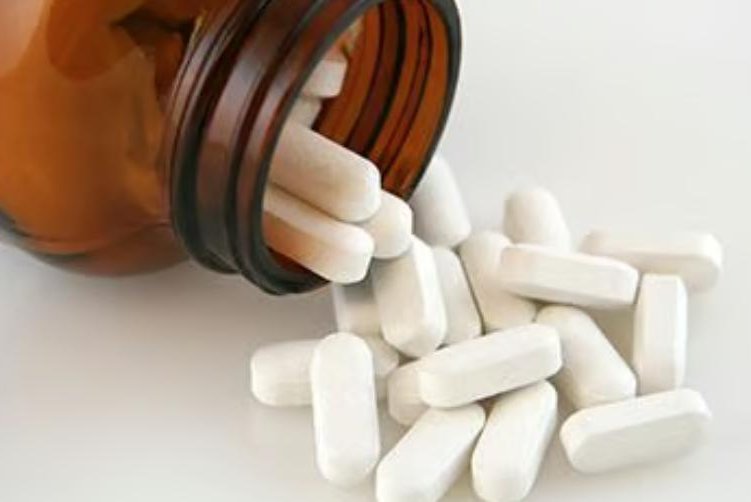
A follow-up analysis of the Women's Health Initiative trial found that a combination of vitamin D and calcium lowered the long-term odds of dying from cancer by 7% but raised the odds of fatal heart disease by 6% among older women. The study showed "no net effect on all-cause mortality" and also indicated a higher risk of kidney stones with daily supplementation. The findings suggest that the supplement combo may reduce cancer mortality but increase cardiovascular disease mortality after more than 20 years of follow-up among postmenopausal women.

A study from the University of California-San Diego suggests that prolonged sitting, regardless of exercise, is linked to a 30% increase in the risk of premature death for older women. The research, based on data from over 6,000 women, found that sedentary behavior negatively impacts glucose metabolism and blood flow, with exercise unable to reverse these effects. The study recommends breaking up long periods of sitting with short standing breaks, as sitting for more than 11 hours a day and in longer sessions is associated with higher risk.
A new study published in the Journal of the American Heart Association reveals that older women who sit for 11.7 hours or more per day have a 30 percent increased risk of mortality, regardless of their level of physical activity. The study, part of the Women’s Health Initiative, used a novel algorithm to analyze sitting time and found that prolonged sitting negatively impacts blood flow, glucose metabolism, and muscle contractions, leading to increased mortality risk. The research suggests that taking breaks from sitting every 20 minutes may help mitigate these risks.
A study analyzing data from the Women's Health Initiative found that women who maintained a stable body weight over decades had higher odds of living to age 90 and beyond compared to those who lost weight. Women who unintentionally lost weight had significantly lower odds of survival. The study suggests that weight stability may be a predictor of longevity and cautions against blanket recommendations for weight loss in older women. Further research is needed to understand the connections between health problems, weight loss, and diverse racial and ethnic populations.
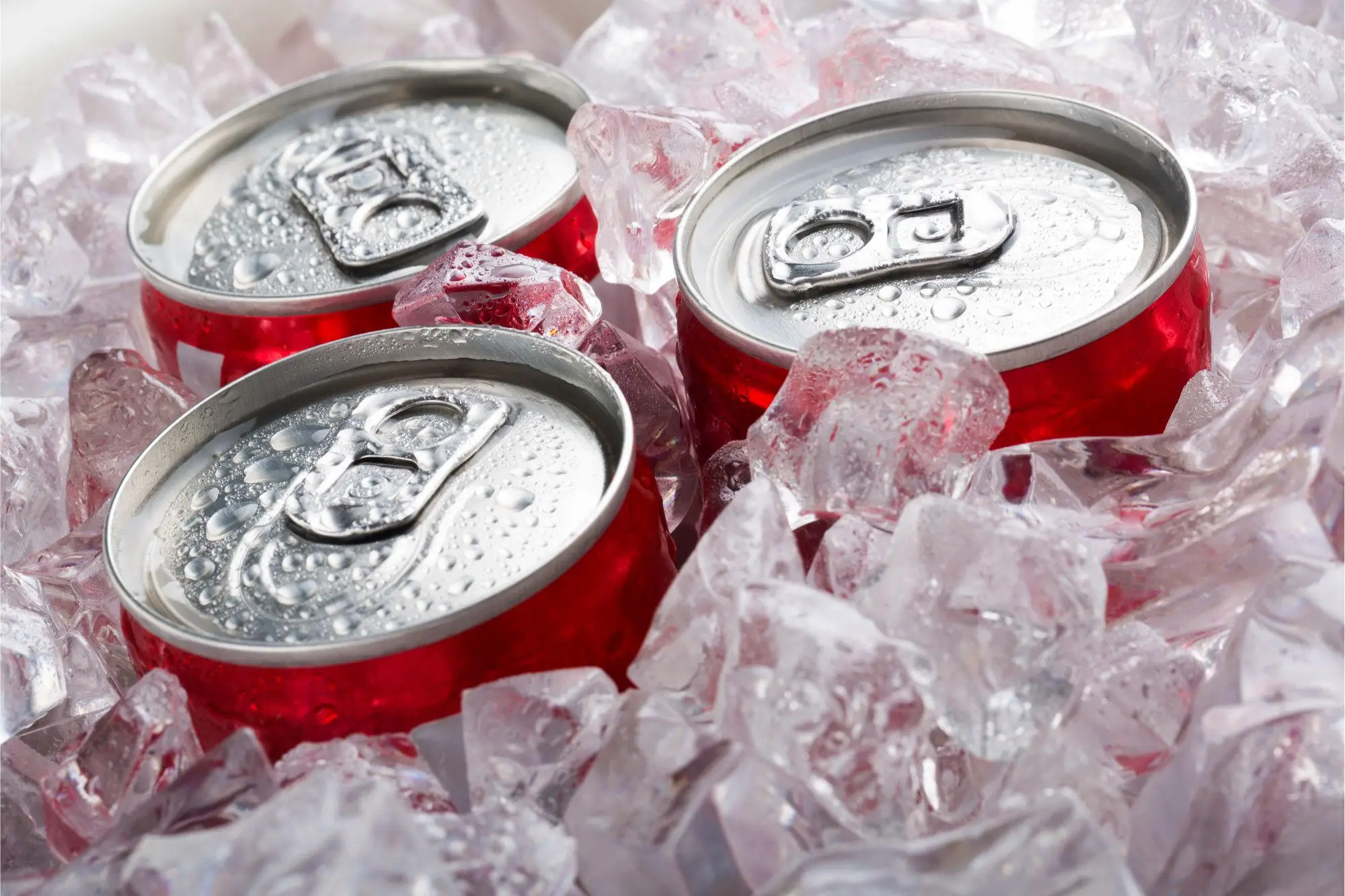
A study conducted by researchers from Brigham and Women's Hospital found that postmenopausal women who consume daily sugar-sweetened beverages have a significantly higher risk of liver cancer and chronic liver disease mortality compared to those who consume fewer drinks. The study included nearly 100,000 postmenopausal women and observed a strong association between the consumption of sugary drinks and liver-related outcomes. However, the study was observational, and more research is needed to validate the risk association and understand the underlying mechanisms. These findings highlight the potential need for public health strategies to reduce the consumption of sugar-sweetened beverages and mitigate the risk of liver disease.
A recent study published in Jama Network found that daily consumption of sugar-sweetened beverages increases the risk of liver cancer by 85% and mortality due to chronic liver disease by 68%. The study, conducted on postmenopausal women, revealed that those who drank one or more sugary drinks per day had a significantly higher risk compared to those who consumed three or fewer per month. Artificially sweetened beverages did not show a significant increase in liver health complications. While more research is needed, this study suggests that limiting added sugar intake and opting for natural sweeteners may be beneficial for liver health.
A study conducted by Harvard Medical School found that women who consume just one sugary soda per day are 85% more likely to be diagnosed with liver cancer compared to those who consume fewer than one a week. The study, which observed nearly 100,000 American women over 20 years, also revealed that daily soda drinkers were 68% more likely to die from liver disease. No correlation was found between liver cancer and artificially-sweetened beverages. The researchers suggest that the high sugar content in these drinks can lead to obesity, insulin resistance, and type 2 diabetes, all of which increase the risk of liver disease.