Expert Advice on Snow Shoveling Risks for Seniors
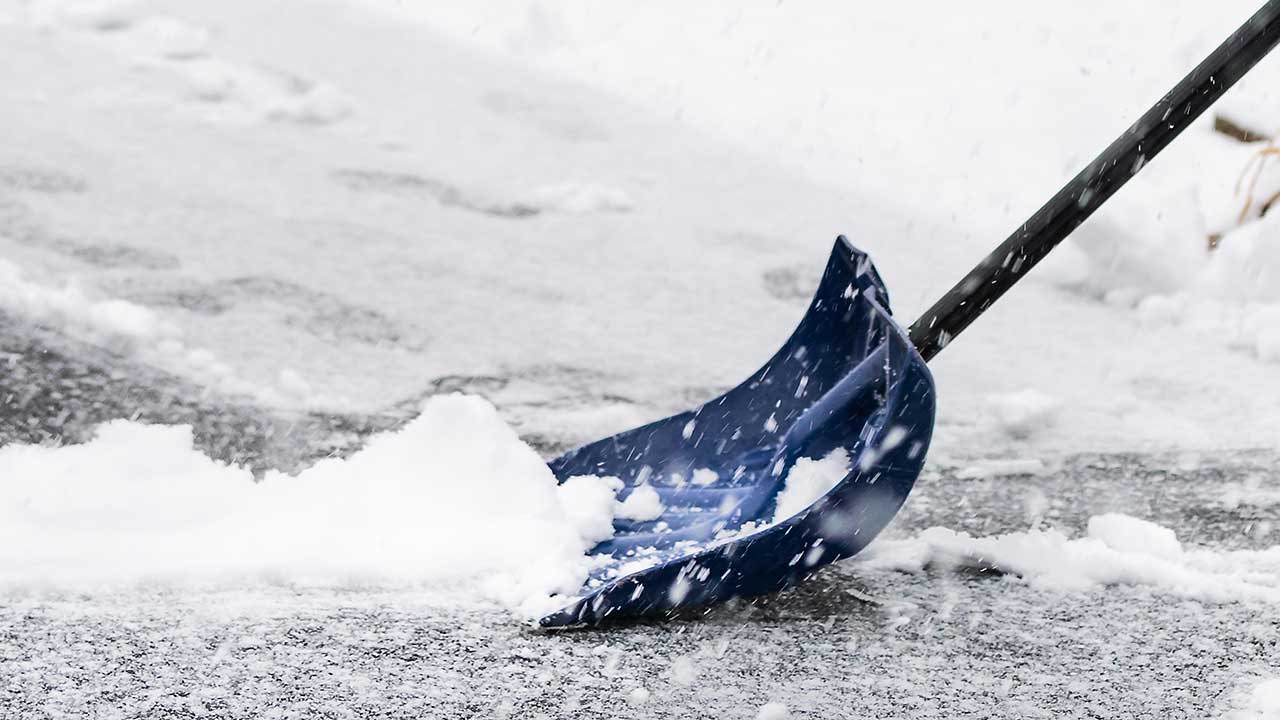
The article provides expert-recommended snow shovels suitable for seniors, emphasizing ergonomic designs, lightweight options, and safety tips to prevent injuries during snow removal in winter.
All articles tagged with #winter safety

The article provides expert-recommended snow shovels suitable for seniors, emphasizing ergonomic designs, lightweight options, and safety tips to prevent injuries during snow removal in winter.

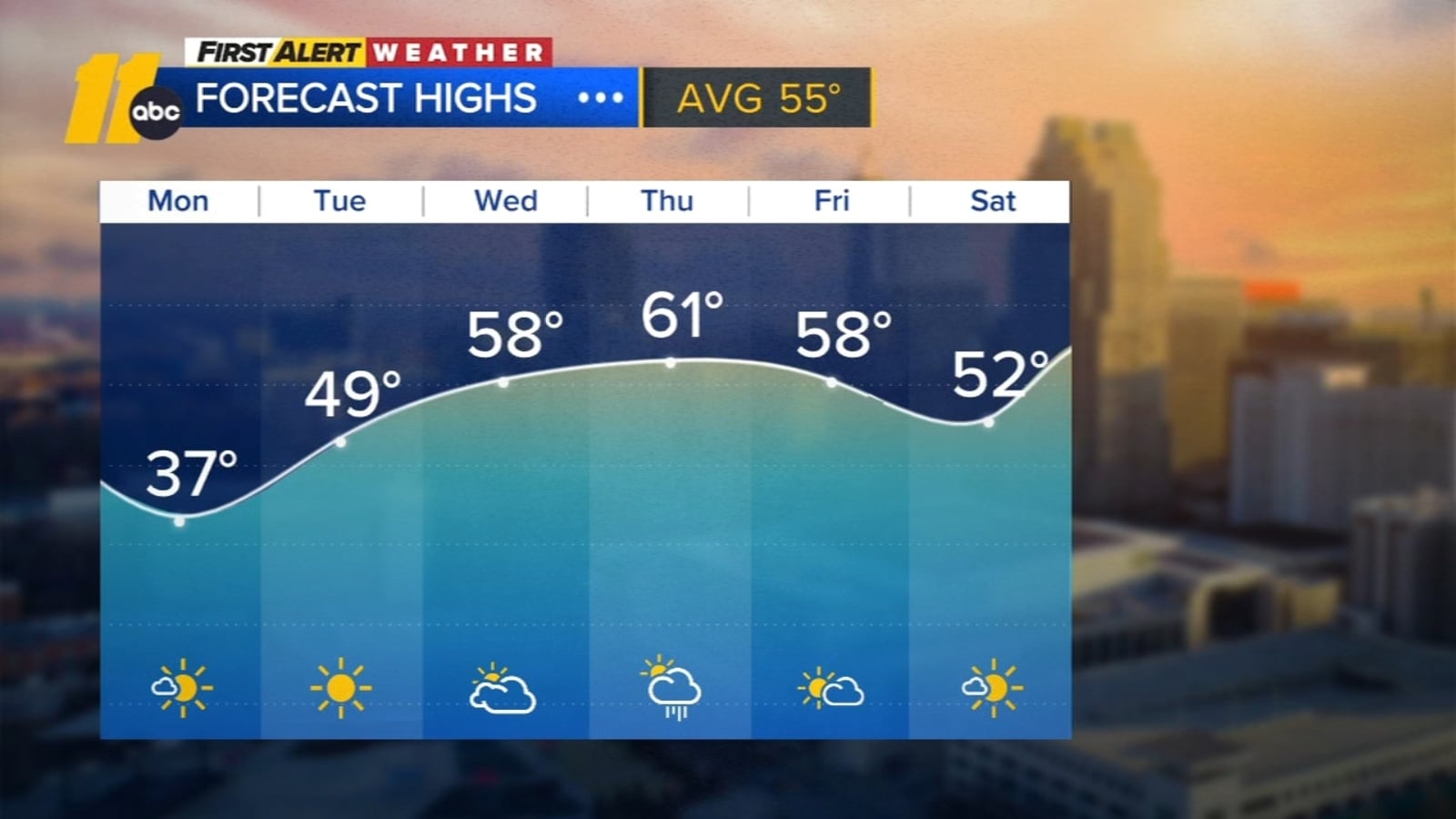
A cold snap with temperatures in the teens and wind chills of 5 to 10 degrees is affecting Central North Carolina, accompanied by gusty winds and a Cold Weather Advisory until Monday morning. Safety precautions are advised, but a warm-up is expected starting Tuesday, with temperatures rising into the mid-60s by Thursday.

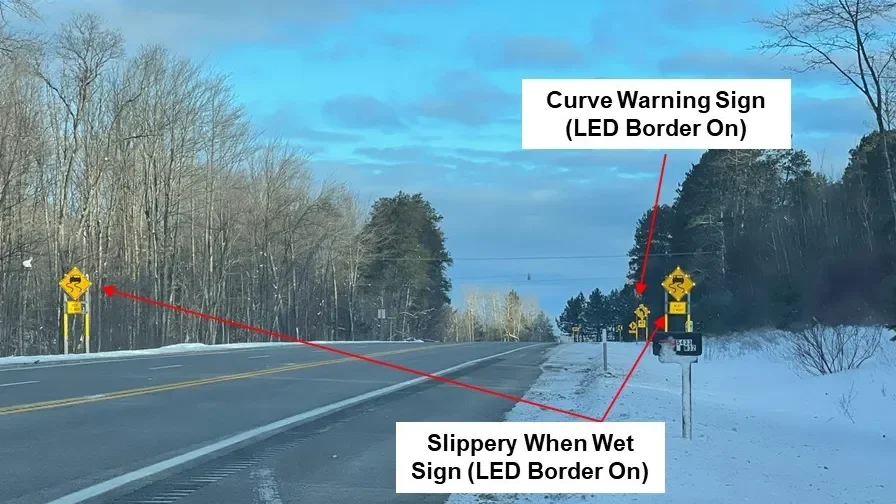
MSU researchers found that flashing LED lights on signs near curves can effectively warn drivers to slow down during winter conditions, potentially reducing crashes and injuries on icy, curved roads in Michigan. The study showed that these lights caused a modest but significant slowdown among drivers, especially the fastest ones, and are considered a useful safety tool alongside other measures like skid-resistant surfaces and reflective signage.

Dr. Baibing Chen, a neurologist, advises against certain everyday habits due to their potential links to strokes, dementia, and cancer. He warns against forceful neck manipulations, which can risk vertebral artery dissection, and emphasizes the importance of not ignoring unusual headaches. Dr. Chen also highlights the dangers of chronic sleep deprivation, which can increase dementia risk, and cautions against using gas space heaters in poorly ventilated areas due to carbon monoxide poisoning risks. Additionally, he recommends stretching before winter activities to prevent injuries and suggests light therapy to combat seasonal affective disorder.

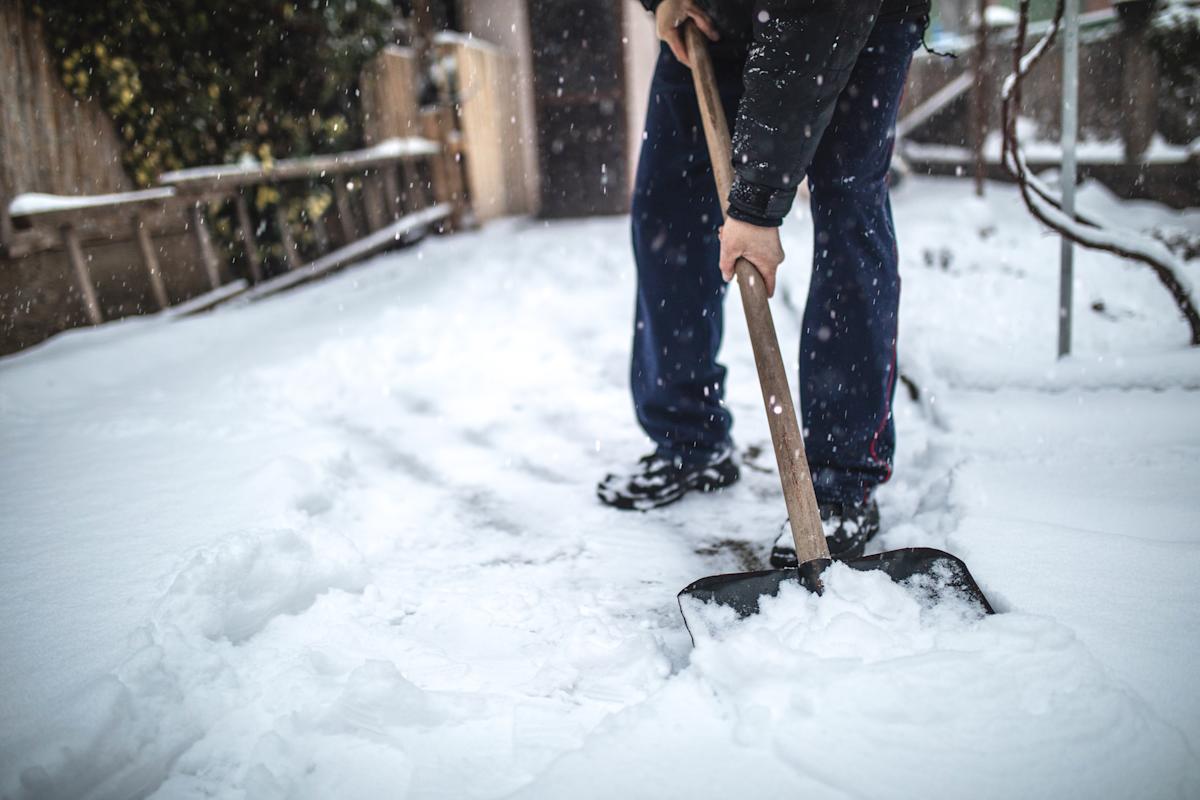
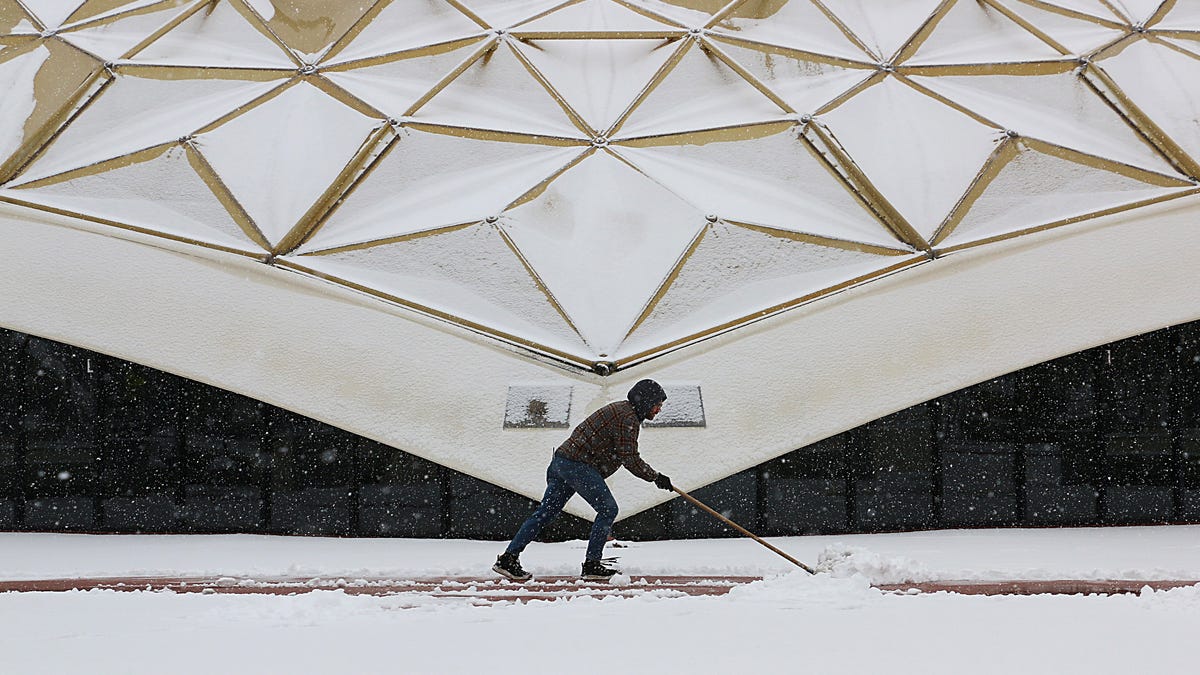
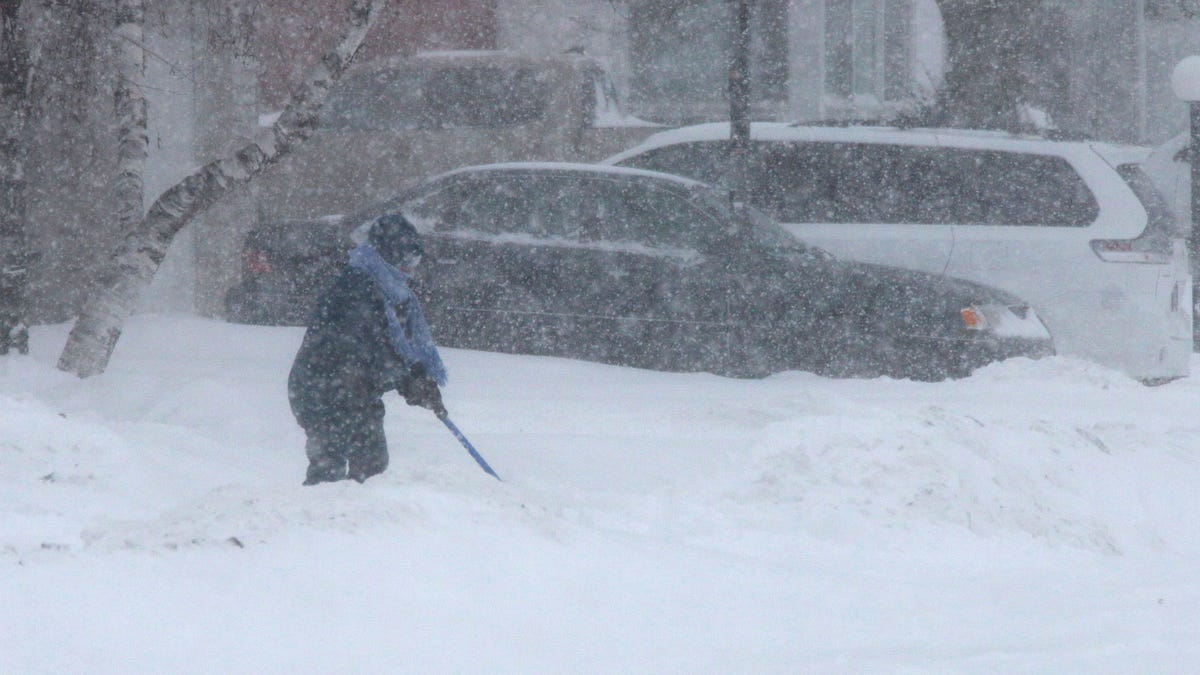
A viral TikTok video suggests 45 is the cutoff age for safe snow shoveling, but the Cleveland Clinic doesn't specify a specific age, instead emphasizing the risks of strenuous activity in cold weather. Doctors recommend taking breaks, watching for signs of overexertion, and being honest about fitness levels. While one study found 1,647 cardiac-related deaths from snow shoveling over 17 years, the majority of snow-shoveling injuries are soft-tissue related. Ultimately, individuals should be cautious and monitor their health while shoveling snow, especially if they have underlying medical conditions or are not regularly physically active.

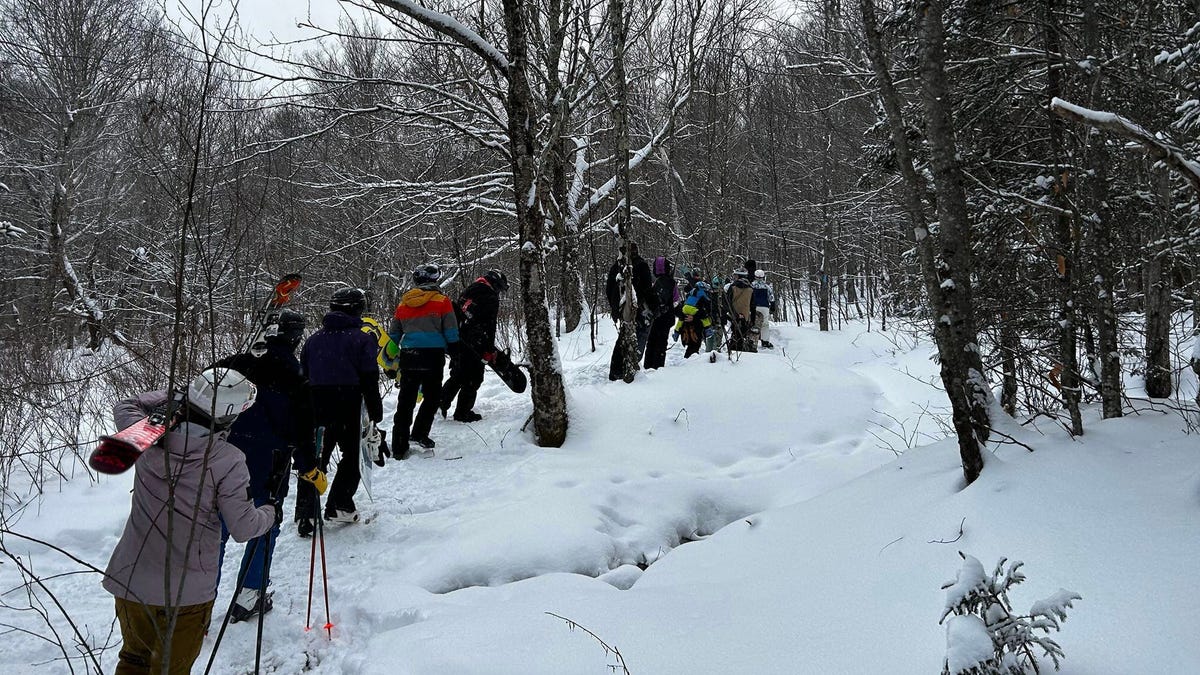
23 skiers and snowboarders were rescued from the Vermont backcountry amid deadly temperatures after being reported missing, with first responders braving freezing conditions to locate and bring them to safety. The rescue effort took place amidst a blast of arctic air that caused temperatures to drop into the single digits across much of the Plains, Midwest, and Northeast. The incident serves as a reminder of the dangers of snow sports, with industry experts emphasizing the importance of being aware of adverse weather conditions and other potential risks while engaging in winter recreation.

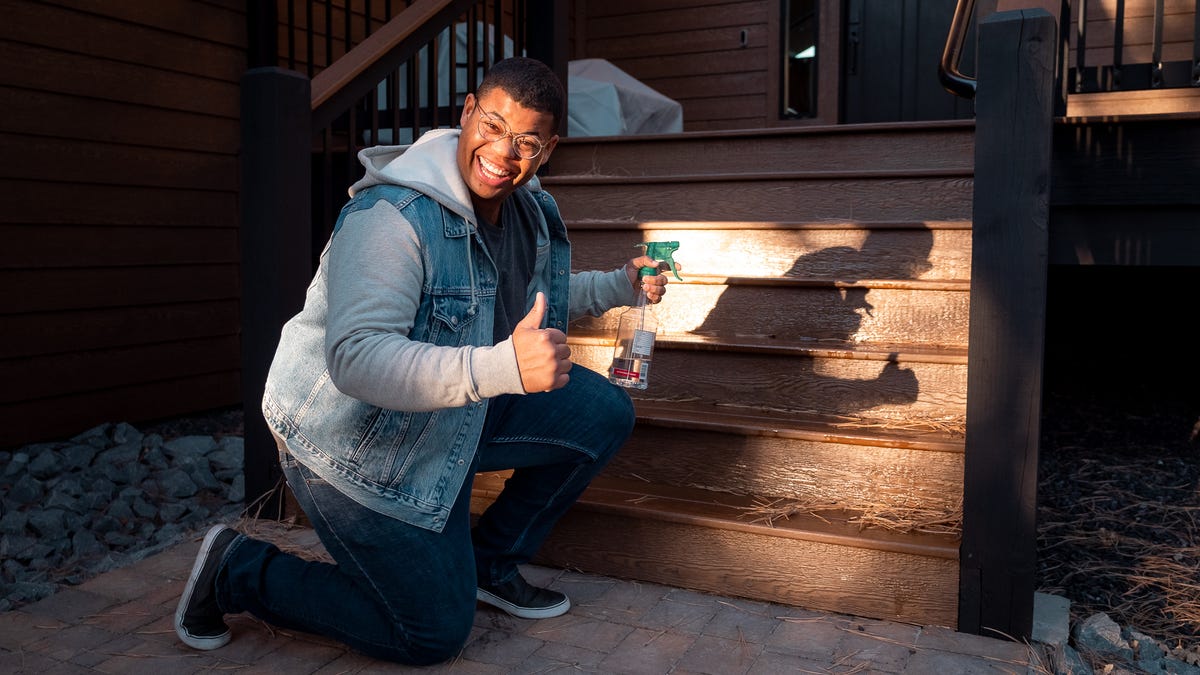
As winter brings icy conditions and dangerous falls, it's important to prevent slippery stairs and driveways. Instead of buying commercial deicer, you can make your own using warm water, isopropyl alcohol, and dish soap. This homemade solution can prevent ice formation and break down existing ice buildup. Additionally, spreading salt, sand, or kitty litter can enhance traction on icy surfaces. It's essential to be proactive in preventing slips and falls during winter.

Dr. Mike Sevilla warns of the strain of physical exertion in cold weather, advising people to take frequent breaks, dress in layers, and wear a hat to prevent heat loss. He cautions against prolonged exposure to single-digit temperatures and urges extra caution for those using canes or walkers in icy conditions. Additionally, he emphasizes the importance of seeking medical attention for any warning signs of heart issues, as working in the cold can weaken the immune system and exacerbate underlying medical conditions.

Shoveling snow can be dangerous, especially for those over 45 with heart disease or risk factors. More than 1,600 people died from cardiac-related incidents while shoveling snow between 1990 and 2006. Experts recommend caution and suggest alternatives such as using a snow blower, pushing instead of lifting snow, wearing layered clothing, pacing oneself, and exercising regularly to reduce the risk of injury or death.