A Windows 10 user expressed frustration on Reddit after Microsoft announced the end of free security updates for the operating system, urging users to upgrade to Windows 11. This has sparked discussions on planned obsolescence, a strategy where products are designed to become outdated, pushing consumers to buy new ones. This practice contributes significantly to e-waste, with over 68 million tons produced globally in 2022. Users are considering alternatives like Linux to avoid unnecessary purchases and reduce environmental impact.
With Microsoft ending support for Windows 10 on October 14, 2025, users and businesses must prepare for the transition to Windows 11 or alternative systems like Linux or Google's OS Flex. The end of support raises concerns about security vulnerabilities and e-waste, as many devices may not be compatible with Windows 11. Businesses are advised to check device compatibility, explore alternatives, back up data, and consider sustainable options like Remanufacturing as a Service (RaaS) to mitigate environmental impact and costs.
Microsoft is facing challenges convincing Windows 10 users to upgrade to Windows 11, with a recent decline in upgrade rates, particularly in the US. Despite offering extended support for Windows 10 until October 2026 for a fee, many users are hesitant to switch, partly due to hardware compatibility issues and limited AI features in Windows 11. This reluctance leaves millions at risk as Windows 10 approaches its end-of-support, raising concerns about security vulnerabilities.
Despite Microsoft's efforts to promote Windows 11, its market share has slightly declined from 35.6% to 34.9% globally, with a more significant drop in the US, while Windows 10 has seen a modest increase to 61.8%. This trend occurs amid Microsoft's aggressive advertising and hardware compatibility issues that limit Windows 11 upgrades. Statcounter's data, based on extensive web usage, suggests a delay in the anticipated shift to Windows 11 before Windows 10 support ends in 2025.
Microsoft has issued a warning to 400 million Windows 10 users with incompatible hardware about upgrading to Windows 11. Users who proceed with the upgrade risk losing support and updates, as Windows 10 support ends in October 2025. Microsoft offers a $30 one-year support extension for Windows 10, but users may need to upgrade their hardware to continue receiving updates. The transition from Windows 10 to Windows 11 has been slow, with many users hesitant to upgrade due to compatibility issues.
Microsoft is urging Windows 10 users to upgrade to Windows 11 as support for Windows 10 will end on October 14, 2025. Updated support documents highlight the end of free updates, technical assistance, and security fixes for Windows 10, encouraging users to switch to Windows 11. However, Windows 11's hardware requirements, like TPM 2.0, may render some capable PCs incompatible. Users can extend Windows 10 support for a fee, but Microsoft is pushing for a transition to newer systems, including potential future releases like Windows 12.
Microsoft has issued a warning to 450 million Windows users to update their systems following the discovery of a critical vulnerability exploited by the RomCom cyber threat group. This vulnerability, now patched, allowed attackers to execute arbitrary code on PCs through a combination of Windows and browser flaws. With Windows 10 support ending in 2025, Microsoft offers a $30 extension for an additional year, but many users will need to upgrade to Windows 11 or new hardware to maintain security. The situation is expected to impact PC sales, with a forecasted recovery in 2025.
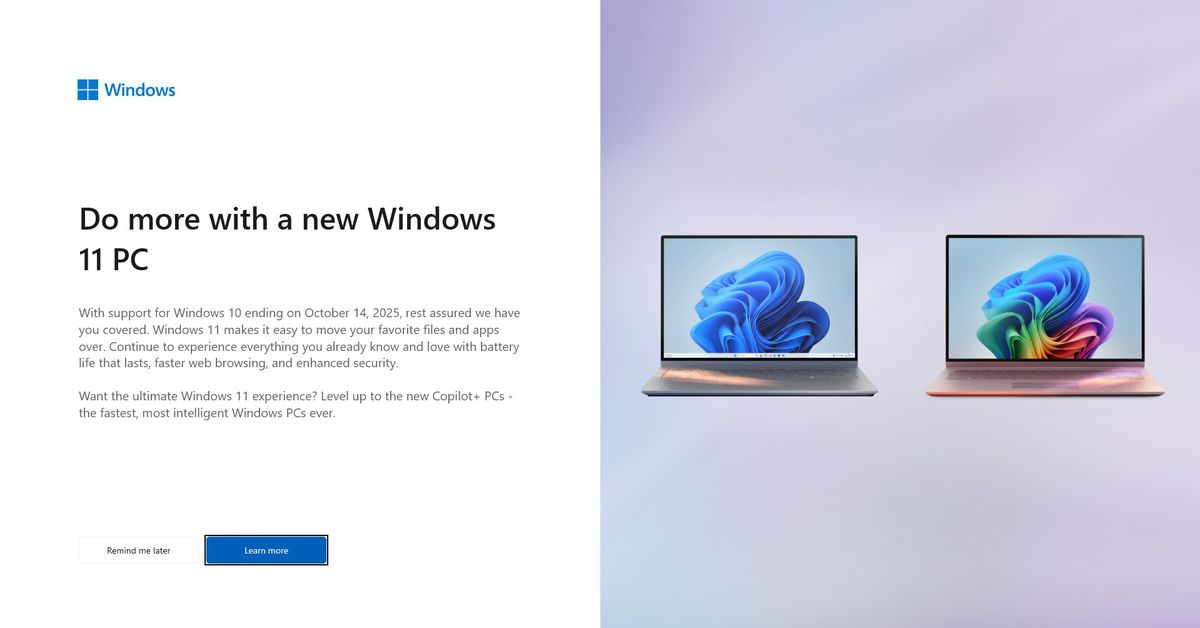
Microsoft is using fullscreen prompts to encourage Windows 10 users to upgrade to Windows 11 or purchase new PCs, as support for Windows 10 will end in October 2025. These prompts suggest benefits of new Windows 11 PCs but do not mention that users can pay for Extended Security Updates to continue using Windows 10 securely. This strategy mirrors past efforts to push upgrades from older Windows versions, and comes as Windows 11 adoption lags behind Windows 10.
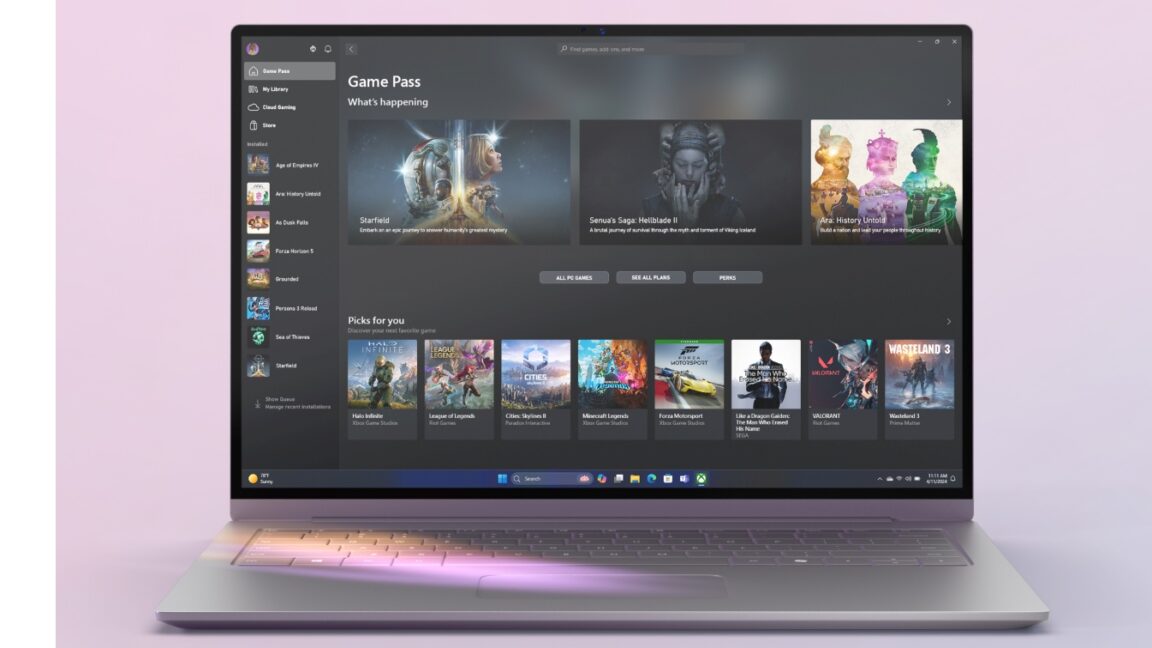
Microsoft is intensifying its efforts to encourage Windows 10 users to upgrade to Windows 11 by sending full-screen reminders about the impending end of Windows 10 support in October 2025. These reminders vary, with some highlighting Windows 11's gaming features or the ease of transitioning to new PCs, and others suggesting upgrades to Copilot+ PCs, which offer additional AI features. The messages seem targeted at users with older PCs that may not support Windows 11, rather than directly promoting the upgrade to Windows 11 itself.