Steam on Linux maintained a 3.19% market share in December 2025, showing steady growth driven by the Steam Deck and AMD's open-source support, with AMD Linux CPU use reaching nearly 72%, the highest ever, indicating a strong trend towards Linux gaming.
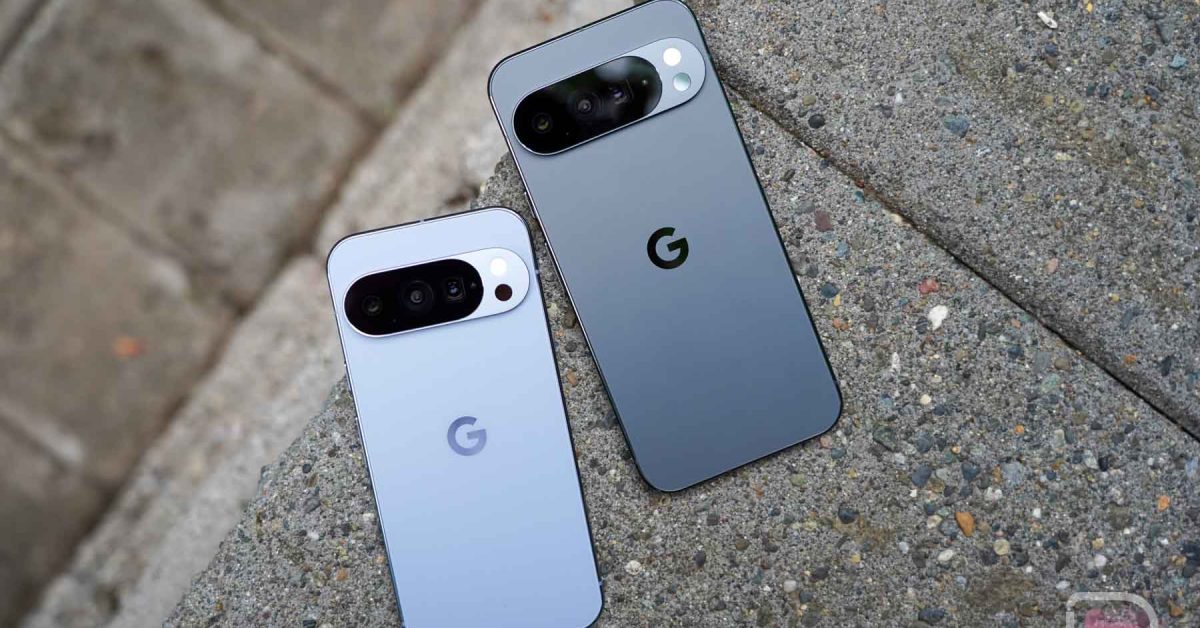
Google has significantly increased its market share in the US smartphone market, especially on T-Mobile and Verizon, at the expense of Samsung, with Samsung's share dropping from 26% to 12% between 2022 and 2025, while Apple's share has grown. The shift is attributed to improved hardware and software in Google's Pixel phones, prompting Samsung to consider lineup changes.
Despite Microsoft's efforts to promote Windows 11, its market share has slightly declined from 35.6% to 34.9% globally, with a more significant drop in the US, while Windows 10 has seen a modest increase to 61.8%. This trend occurs amid Microsoft's aggressive advertising and hardware compatibility issues that limit Windows 11 upgrades. Statcounter's data, based on extensive web usage, suggests a delay in the anticipated shift to Windows 11 before Windows 10 support ends in 2025.
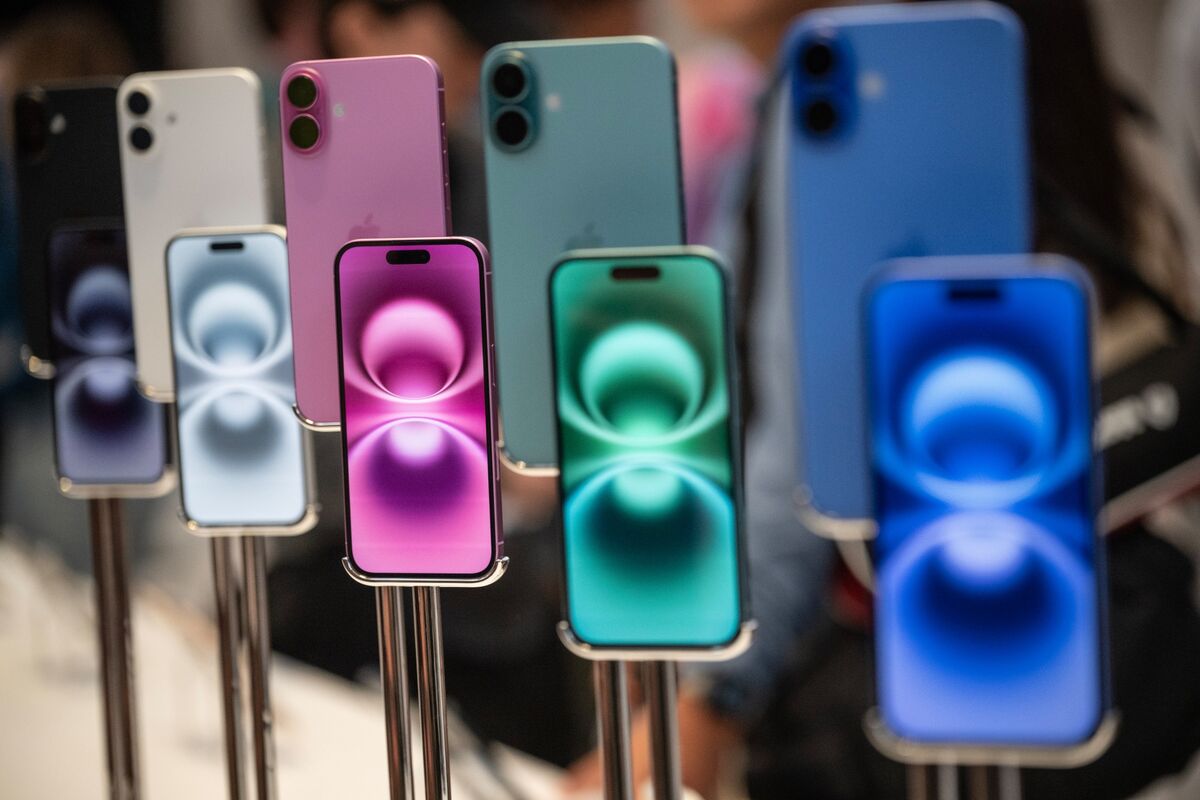
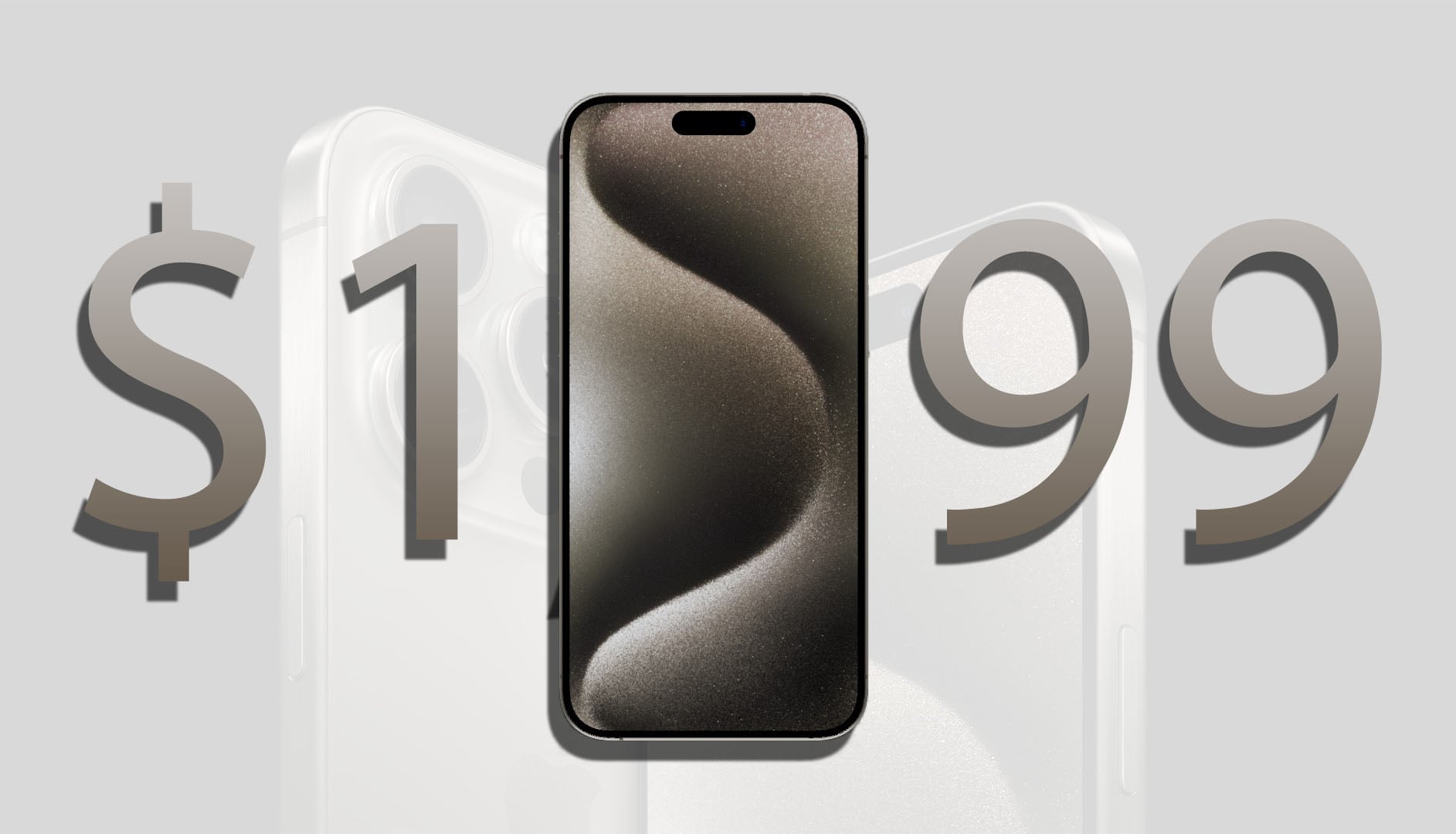
In 2024, global smartphone sales rebounded by 6.2% after two years of decline, but Apple's growth was minimal, with iPhone shipments increasing by only 0.4%, according to IDC. Despite this, Apple remains the profit leader with an average selling price over $1,000, while Android competitors average around $295.
The May 2024 Steam Survey shows Linux marketshare surpassing 2% for the first time in a decade, largely due to the popularity of SteamOS and the Steam Deck. AMD CPU use among Linux gamers has also surged to 75%, driven by the Steam Deck's custom AMD APU and strong open-source support.
Mozilla's Firefox, once a popular web browser, has seen a significant decline in market share, dropping to just 2.2% according to the US government's Digital Analytics Program. Despite its early success and peak market share of 34.1% in 2010, Firefox has been unable to keep up with competitors, particularly Google Chrome, which now dominates the market. Issues such as feature removal, poor memory management, and hidden telemetry have alienated users. Additionally, Mozilla's financial reliance on Google and high executive salaries have raised concerns among its user base. The future of Firefox appears uncertain as it continues to lose relevance in the web browser market.
General Motors (GM) reported a 14.1% increase in U.S. vehicle sales for 2023, totaling approximately 2.6 million vehicles, marking its best performance since 2019. The sales were consistent with industry expectations, with Edmunds projecting industrywide sales of 15.5 million for the year. GM's growth was particularly strong in its Buick brand, which saw a 61% increase, and the company expects U.S. industry sales to reach 16 million in 2024. GM attributes its success to growing market share, strong pricing, and low incentives.
Universal Studios has dethroned Disney as the leader in global box office market share for the year 2023, grossing $4.91 billion compared to Disney's $4.83 billion. This marks the first time Universal has led since 2015, with successes like Christopher Nolan's "Oppenheimer" and the animated hit "The Super Mario Bros. Movie." Disney, which has seen a decline with some Marvel Studios and animation releases, still managed to release four of the top ten global films. Warner Bros., Sony, and Paramount followed in market share, with Lionsgate also celebrating over $1 billion in global ticket sales for the first time in five years.
In 2023, the global premium smartphone market saw a 6% year-over-year increase, setting a new sales record despite the overall smartphone market's decline. Apple, while still dominant, saw its market share decrease from 75% to 71%, with Samsung gaining 1%. This shift is attributed to the popularity of ultra-premium handsets, including Samsung's Galaxy S23 and its latest foldable phones.
In 2023, the premium smartphone market saw record sales, with Apple leading despite a slight decline in market share from 75% to 71%. Samsung increased its share to 17%, while Huawei rose to 5% with its Mate 60 lineup. The segment for devices priced at $600 or more now holds a 24% market share, a 300% growth since 2016, driven by consumers' willingness to invest in high-quality, long-lasting devices that also serve as status symbols. The ultra-premium market, with phones over $1,000, accounts for 33% of global sales. Upcoming features like Samsung's titanium Galaxy S24 Ultra and larger displays for the iPhone 16 Pro series are expected to further invigorate the market.
The U.S. box office surpassed $9 billion in 2023, with Universal Studios leading in market share, grossing $1.93 billion, thanks to hits like "Super Mario Bros Movie" and "Oppenheimer." Despite a challenging year with strikes and a shift in audience preferences, the industry saw a diverse range of successful films. Disney ranked second with $1.89 billion, while Warner Bros came in third with significant growth. Analysts predict a decrease in total box office revenue for 2024 due to fewer wide releases. Universal's success marks the first time since 2015 that it has outperformed Disney in domestic box office earnings.
The percentage of Steam users on Linux has decreased for the second consecutive month, with Linux now accounting for 1.63% of the market. The decline may be attributed to the increasing popularity of Steam Simplified Chinese, which is more commonly used by Windows users. Additionally, the release of Counter-Strike 2 with a native Linux build at the end of September may have impacted the numbers. Among Linux gamers, AMD processors hold a 70% market share, driven in part by Steam Deck owners.
The Steam on Linux marketshare remained steady in June, with a slight decrease to 1.44%. SteamOS Holo, which powers the Steam Deck, saw a 14% increase month-over-month, with 39.33% of Linux gamers on Steam using SteamOS. AMD VanGogh, the APU powering the Steam Deck, accounted for nearly 40% of Linux GPU results, while AMD CPUs powered almost 70% of Linux gaming systems.
Valve's Steam Survey for March 2023 shows a 0.54% drop in Linux gaming marketshare, putting it at 0.84% of the Steam customer base. However, the numbers appear inaccurate, with a steep jump in simplified Chinese language use on Steam and the Steam Deck still selling well. Arch Linux and AMD processors remain popular among Steam Linux gamers, with around 21% using the Steam Deck. The accuracy of the numbers may be revised in the coming days.