Microsoft apologized after mistakenly claiming a Windows update fix that didn't resolve a critical firewall error in Windows 11, which is actually a reporting bug. The issue, affecting the event log, poses no harm, but highlights ongoing update problems for Windows 11 users amid broader OS upgrade concerns. Windows 10 also faces its own update issues, including emoji picker bugs and browser filtering problems.
Microsoft apologized after falsely claiming a Windows 11 update fixed a critical firewall error, which in reality worsened the issue. The error, a reporting bug affecting the event log, poses no harm and can be ignored. The ongoing update problems come as Microsoft encourages users to upgrade to Windows 11, despite extending Windows 10's support until October 2026.
Microsoft has clarified that it has not changed the system requirements for Windows 11, despite confusion from recent headlines suggesting otherwise. The company maintains that PCs must have TPM 2.0 to upgrade to Windows 11, and those that don't meet this requirement will not receive updates, including security patches. This has led to widespread user confusion, as many believed they could upgrade older PCs without losing support. Microsoft advises users with incompatible hardware to remain on Windows 10 to ensure continued security updates.
The Windows 11 KB5048667 update is causing significant issues, including installation failures and performance slowdowns, particularly affecting gaming and CPU performance. Users report errors like 0x800f081f and 0x80070302 during installation, and some experience higher CPU temperatures and stuttering in games. Temporary fixes include rolling back updates or adjusting power settings, but a permanent solution may require a future patch. Additional problems include BSOD errors and playback issues with apps like Netflix and Prime Video.
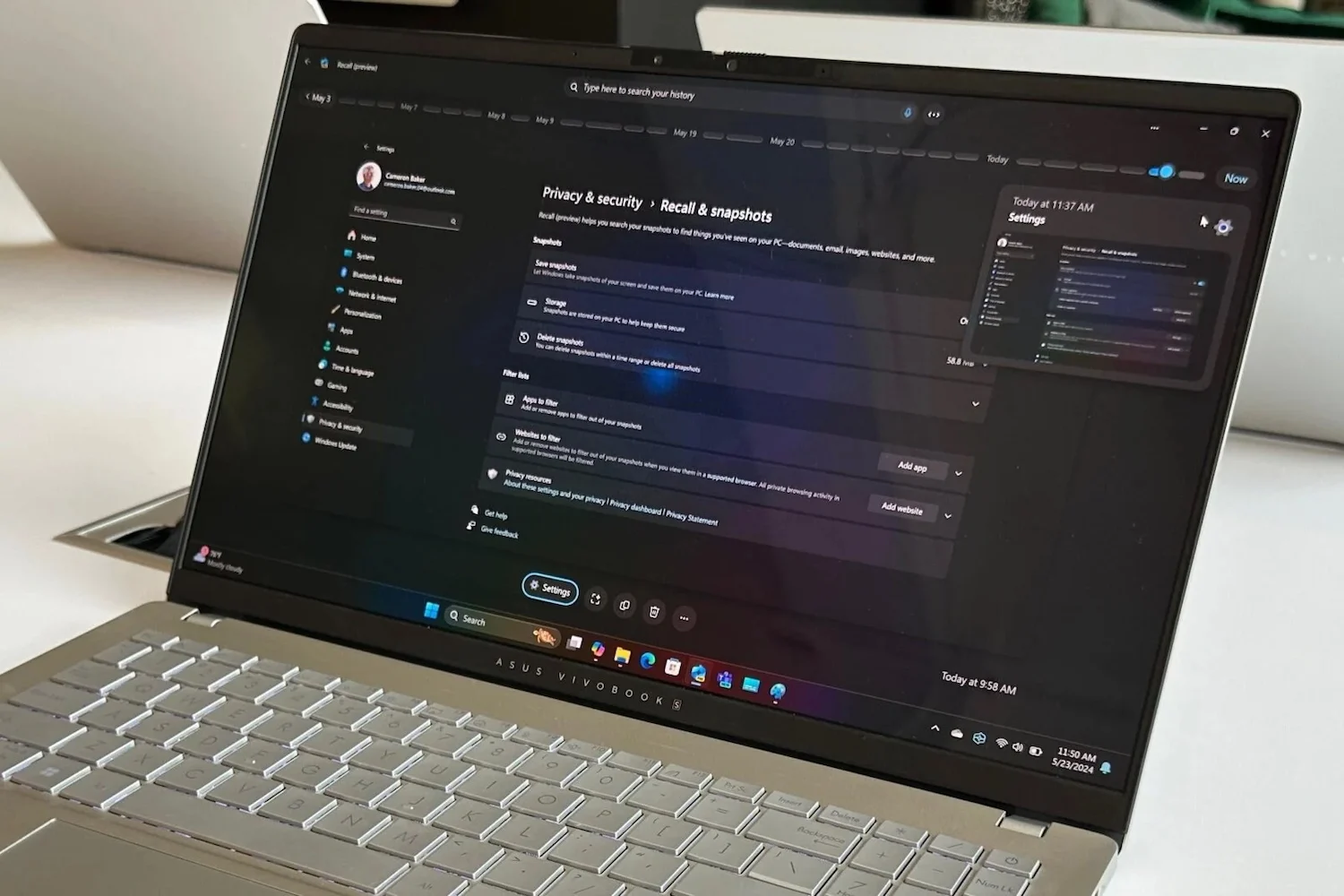
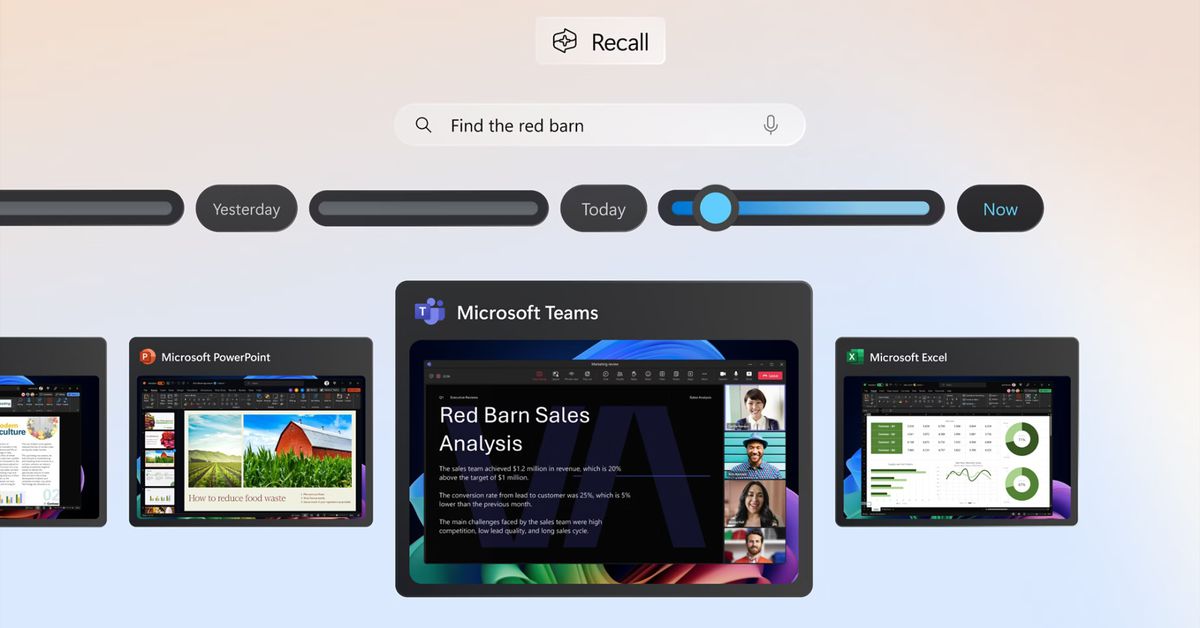
Microsoft's Recall feature for Windows 11 Copilot+ PCs, which auto-screenshots user activity, has returned after initial security concerns but still poses privacy risks. Despite improvements like encryption and Windows Hello login, the feature's filters fail to consistently block sensitive information, such as credit card details, from being screenshotted. While Recall is opt-in and off by default, its potential to expose sensitive data remains a concern, highlighting the need for further refinement before full release.
Microsoft's new Recall feature for Windows 11, which captures screen snapshots to create a timeline of user activity, has sparked privacy concerns. Initially criticized for potential security issues, Microsoft delayed its release to address these problems. Despite a clunky setup process, the feature allows users to manage which apps are included in the snapshots. While initially unsettling, the feature can be useful for tracking digital activity, though users must be cautious about privacy implications.
Microsoft is enhancing file sharing between Windows 11 PCs and iPhones through the Phone Link and Link to Windows apps, currently available for testing by Windows Insiders with iOS 16 or higher. This update aims to bridge the gap between Windows and iOS, making the experience more akin to Android-Windows connectivity. Additionally, Microsoft released a new Windows 11 Insider build to the Canary Channel, featuring minor updates like improved Start menu jump lists and new Narrator functionalities.
Microsoft has reversed its stance on Windows 11 installation, allowing it on unsupported hardware despite previously insisting on TPM 2.0 as a non-negotiable requirement. The company has issued guidelines for such installations but warns of potential compatibility issues, lack of updates, and voided warranties. Users will see a desktop watermark and may receive notifications about unmet requirements. This change may be influenced by Windows 10's rising market share and the approaching end of its support in 2025.
The Windows 11 KB5048667 update, part of the December 2024 Patch Tuesday, is now available, advancing the OS to Build 26100.2605. This significant update introduces new features like personalized offers, taskbar changes, and improvements to the Start menu and File Explorer. It also includes security fixes for the .NET framework. While some features are rolling out gradually, users can download the update via Windows Update or directly from the Microsoft Update Catalog.
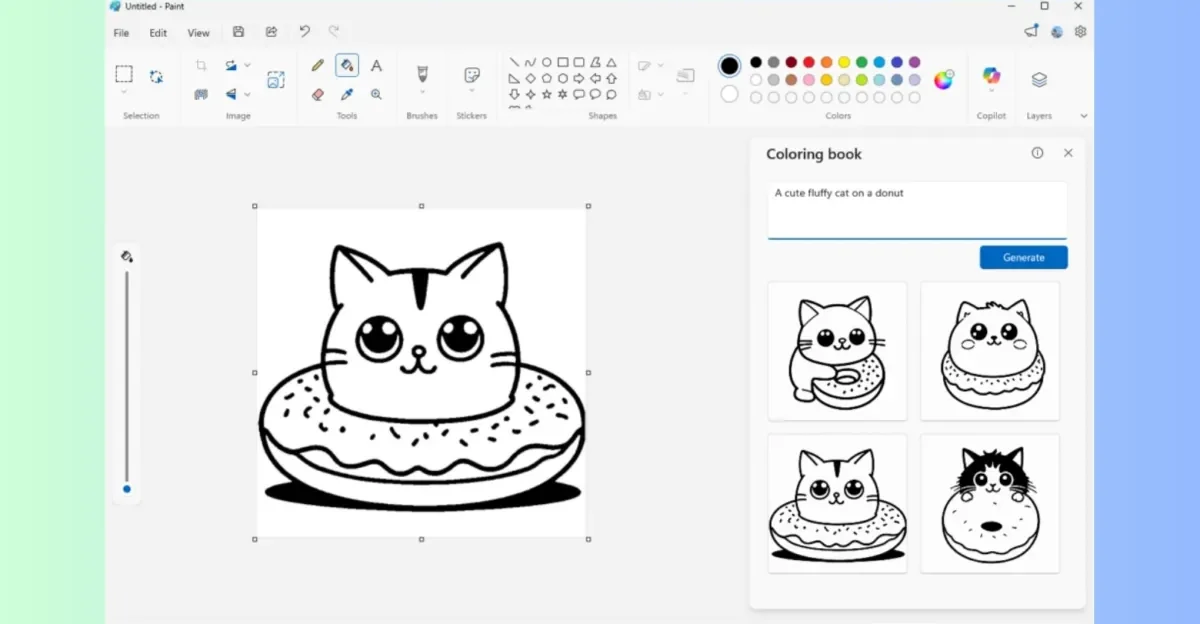
Microsoft is expanding its Recall AI feature to Intel and AMD Copilot Plus PCs, following its initial release on Qualcomm-powered laptops. Recall captures screenshots of user activity to make it searchable via natural language or a timeline, with options to manage and delete snapshots. Enhanced security measures include Windows Hello, BitLocker, and Secure Boot. The update also introduces Click to Do, which allows AI-powered actions on text and images, and new features in the Photos app and Paint for creating AI-powered images.
With Microsoft ending support for Windows 10 on October 14, 2025, users and businesses must prepare for the transition to Windows 11 or alternative systems like Linux or Google's OS Flex. The end of support raises concerns about security vulnerabilities and e-waste, as many devices may not be compatible with Windows 11. Businesses are advised to check device compatibility, explore alternatives, back up data, and consider sustainable options like Remanufacturing as a Service (RaaS) to mitigate environmental impact and costs.
Microsoft is facing challenges convincing Windows 10 users to upgrade to Windows 11, with a recent decline in upgrade rates, particularly in the US. Despite offering extended support for Windows 10 until October 2026 for a fee, many users are hesitant to switch, partly due to hardware compatibility issues and limited AI features in Windows 11. This reluctance leaves millions at risk as Windows 10 approaches its end-of-support, raising concerns about security vulnerabilities.
Despite Microsoft's efforts to promote Windows 11, its market share has slightly declined from 35.6% to 34.9% globally, with a more significant drop in the US, while Windows 10 has seen a modest increase to 61.8%. This trend occurs amid Microsoft's aggressive advertising and hardware compatibility issues that limit Windows 11 upgrades. Statcounter's data, based on extensive web usage, suggests a delay in the anticipated shift to Windows 11 before Windows 10 support ends in 2025.
Microsoft has issued a warning to 400 million Windows 10 users with incompatible hardware about upgrading to Windows 11. Users who proceed with the upgrade risk losing support and updates, as Windows 10 support ends in October 2025. Microsoft offers a $30 one-year support extension for Windows 10, but users may need to upgrade their hardware to continue receiving updates. The transition from Windows 10 to Windows 11 has been slow, with many users hesitant to upgrade due to compatibility issues.
Microsoft is urging Windows 10 users to upgrade to Windows 11 as support for Windows 10 will end on October 14, 2025. Updated support documents highlight the end of free updates, technical assistance, and security fixes for Windows 10, encouraging users to switch to Windows 11. However, Windows 11's hardware requirements, like TPM 2.0, may render some capable PCs incompatible. Users can extend Windows 10 support for a fee, but Microsoft is pushing for a transition to newer systems, including potential future releases like Windows 12.