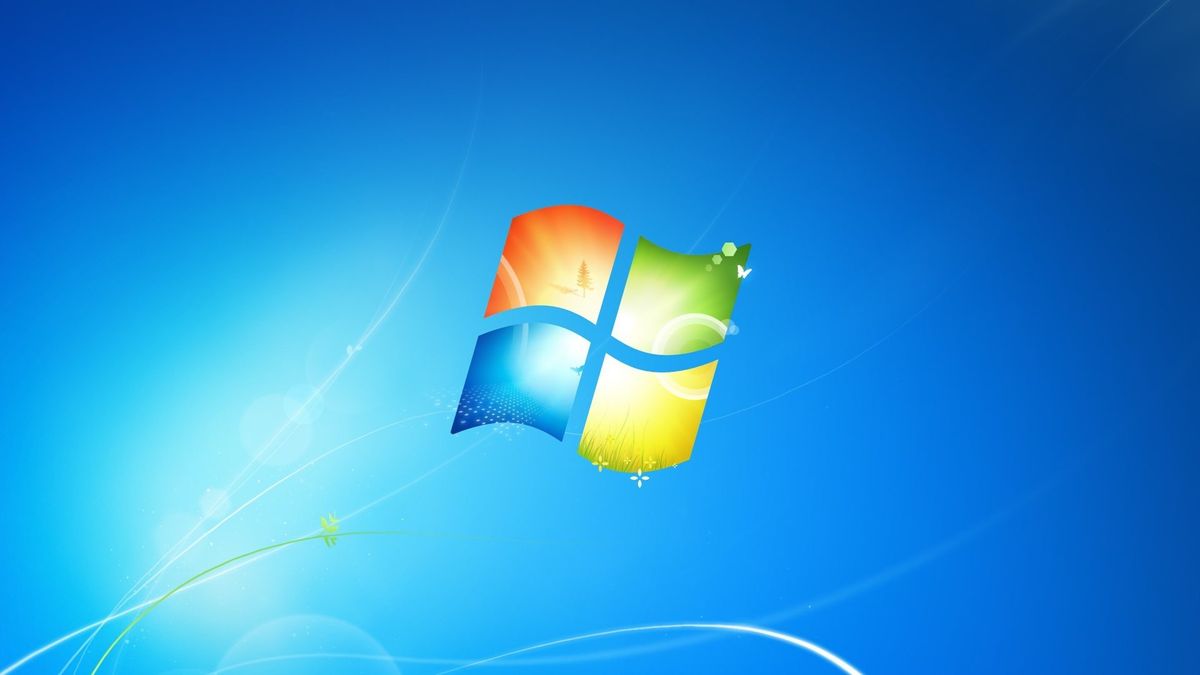
A third-party script called Revert8Plus allows users to transform their Windows 10 or 11 into Windows 7 or Vista by typing a single command into the Run box. The script handles most of the transformation automatically, and additional features like Windows Media Player 11 can be added if desired. While there is an element of risk involved, the script only changes the look of the operating system, not the OS itself. The compatibility of the script with different Windows releases varies, and it restores elements such as the old boot screen, login dialog, taskbar, Start menu, and older games.
Microsoft has officially ended the free upgrade path from Windows 7 to Windows 11, closing the loophole that allowed users to access the latest operating system using their old Windows 7 or Windows 8 keys. The upgrade program, which began in 2015 with Windows 10, had been extended multiple times, but now users will need to upgrade from Windows 10 to Windows 11 instead. Windows 7 and 8.1 are no longer receiving security updates, and Windows 10 will lose software support in 2025. Speculation about a potential Windows 12 release in 2024 suggests that Microsoft may focus on integrating AI into the next version of its operating system.
Microsoft has closed the loophole that allowed users to upgrade from Windows 7 or 8 to Windows 11 for free by blocking the activation of Windows 7 and 8 keys on Windows 11. While previously activated machines will still work, users attempting to activate Windows 11 with a Windows 7 key will receive an error message. This change means that those looking to upgrade to Windows 11 will now need to purchase a legitimate Windows 11 key.
Microsoft has officially ended the free upgrade offer from Windows 7 or 8 to Windows 10 or 11. Users can no longer upgrade to Windows 11 using old Windows 7/8 keys. However, those with Windows 10 can still upgrade to Windows 11 for free. Microsoft also announced passwordless logins for Windows 11 and the discontinuation of WordPad after 30 years.
Microsoft is closing the loophole that allowed older Windows 7 and Windows 8 product keys to activate Windows 10 and Windows 11. This loophole has been in place since the launch of Windows 10 as a free upgrade for Windows 7 and Windows 8 users. While Windows 10 keys will still work on Windows 11, older keys from Windows 7 and Windows 8 will no longer activate either operating system.
Steam will stop supporting Windows 7, Windows 8, and Windows 8.1 from January 1, 2024, as the newest features in Steam rely on an embedded version of Google Chrome that no longer functions on older versions of Windows. Users will need to update to a more recent version of Windows to continue running Steam and any games or other products purchased through Steam. According to the February 2023 Steam hardware and software survey, users who use these older operating systems make up a tiny fraction of total users.
Steam will no longer support Windows 7, Windows 8, or Windows 8.1 starting January 1st, 2024, as the game client's latest features use an embedded version of Google's Chrome browser, which dropped support for those operating systems in February. This change will affect less than 1.9% of Steam users, but may leave them with no choice but to upgrade their OS or buy a PC with a supported platform. The end of support could be particularly troublesome if you need an older version of Windows for work or a retro gaming system.
Steam will no longer support Windows 7, Windows 8, and Windows 8.1 operating systems starting from January 1st, 2024, as the newest features in Steam rely on an embedded version of Google Chrome, which no longer functions on older versions of Windows. Future versions of Steam will require Windows feature and security updates only present in Windows 10 and above. Only 1.86% of Steam users came from the affected operating systems, but they have until next year to upgrade.