Steam hit a new all-time concurrent-player high of over 42 million, underscoring booming PC gaming and intensifying competition for Microsoft and Sony. Valve also plans to revive the Steam Machine, a Linux-based console-style device, which could erode Xbox and PlayStation market share by bringing more players into Steam. In markets, MSFT and SONY stocks dipped after the news, with analysts showing MSFT as a stronger-rated stock but Sony offering higher upside.
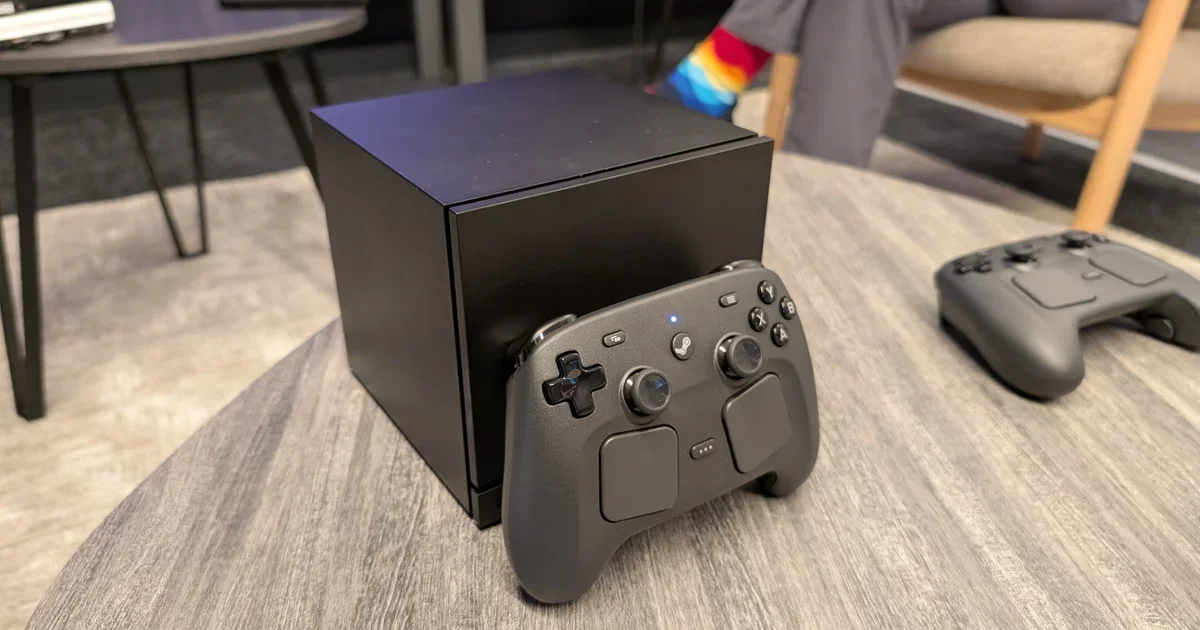
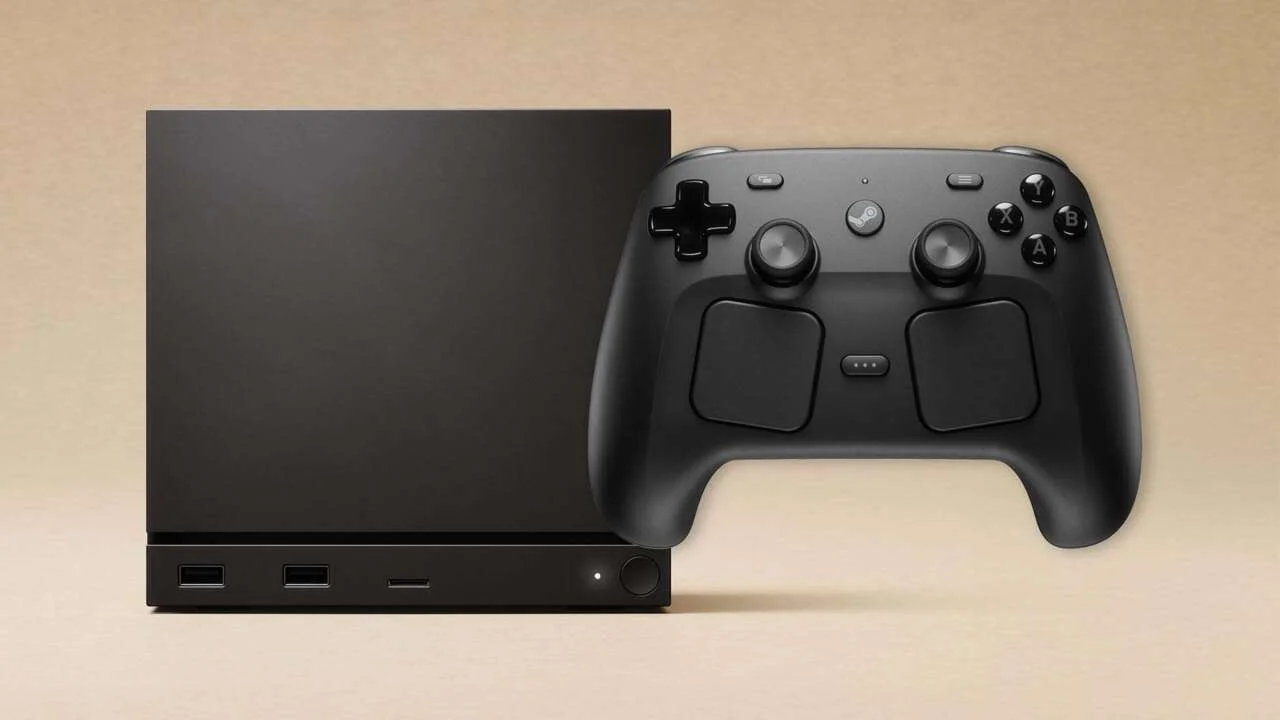
A Czech retailer leak suggests that the upcoming Steam Machine may be priced higher than current gaming consoles, with estimates around $814 for the 512GB model and $916 for the 2TB version, reflecting ongoing global tech price increases due to supply chain issues and RAM shortages. The actual prices from Valve might be lower, but overall, expect a premium price for the device when it launches.
Czech retailers have listed the upcoming Steam Machine with prices ranging from around $950 to over $1200 pre-tax, suggesting a potential launch price of $800-$900 after taxes, which could make it a competitive option for PC gaming despite higher-than-expected costs.
A leak from a Czech retailer suggests that Valve's upcoming Steam Machine could cost around $950 for the 512GB model and over $1,000 for the 2TB version, but these prices are not official and should be taken with caution.
The leaked prices for the upcoming Steam Machine suggest it will be significantly more expensive than current consoles, with the 2TB model potentially costing over $1000, which has disappointed many fans expecting a more affordable gaming device.
Valve's SteamOS 3.7.20 beta introduces the NTSYNC kernel driver to enhance Windows NT synchronization primitives, supporting upcoming improvements in Wine and Proton for better performance in Steam Play, with the driver now loaded by default.
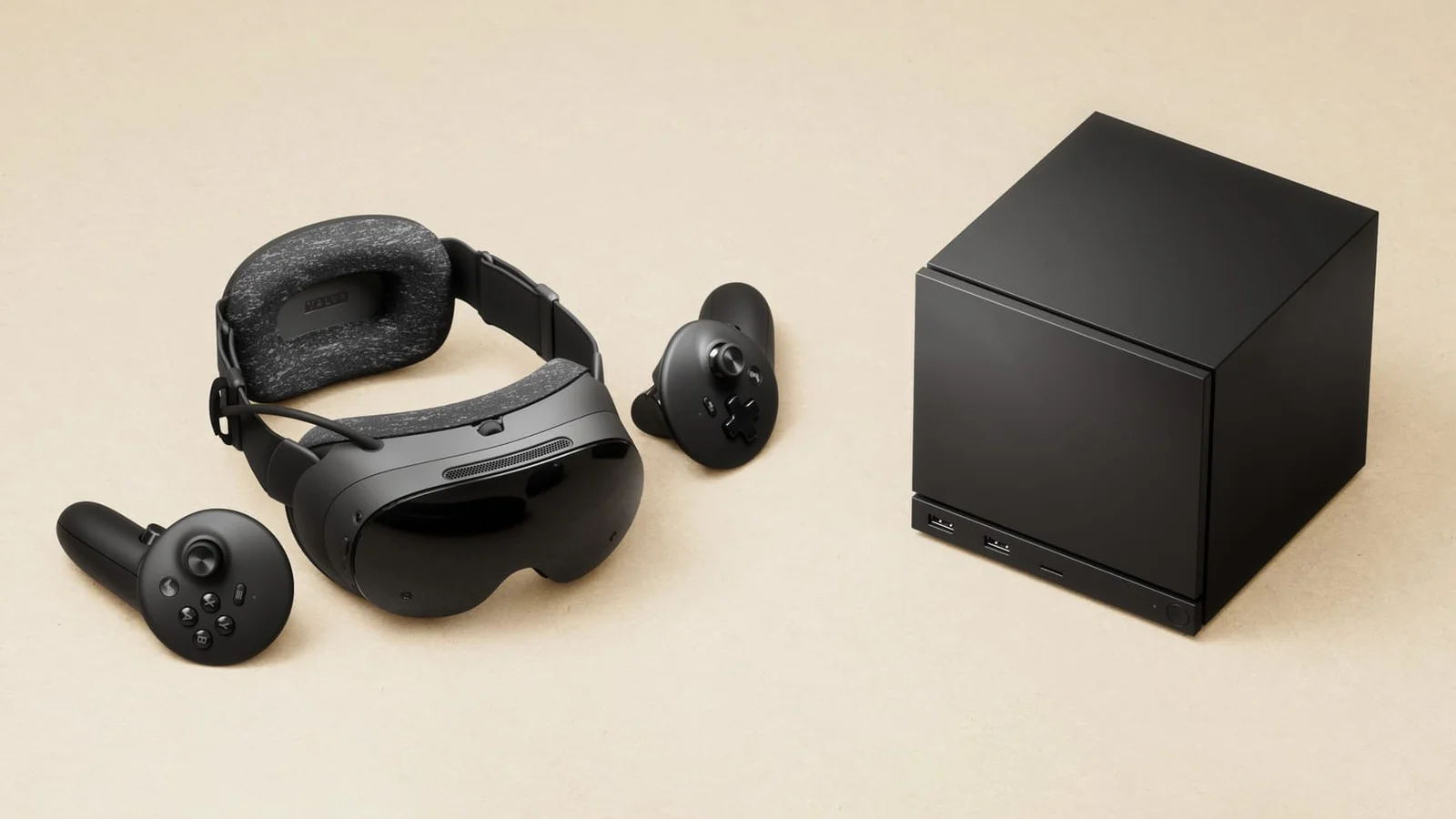
The article discusses how Valve's Steam Frame and SteamOS leverage open source technologies, Flatpak packaging, and Linux to create a flexible, open gaming environment that encourages experimentation, customization, and community contributions, contrasting with more closed ecosystems like Meta's Quest.
Valve has significantly advanced its SteamOS Linux-based operating system, making it a strong competitor to Windows for PC gaming, especially with the success of Proton that allows Windows games to run seamlessly on Linux. This shift is challenging Microsoft's dominance in PC gaming, as more gamers and manufacturers adopt SteamOS for better performance and flexibility, including on Arm hardware, signaling a potential future where Windows is no longer the default gaming platform.
Steam experienced a significant outage on December 24 affecting the store, community, and online APIs, impacting access to games like Team Fortress 2, Dota 2, and Counterstrike 2. The platform largely recovered by 6PM ET, though some services remain sluggish or partially functional.
Meta is utilizing a Linux scheduler originally designed for Valve's Steam Deck in its data centers, highlighting how Valve's open-source contributions are advancing Linux ecosystem efficiency, with broader implications for hardware and software optimization across the industry.
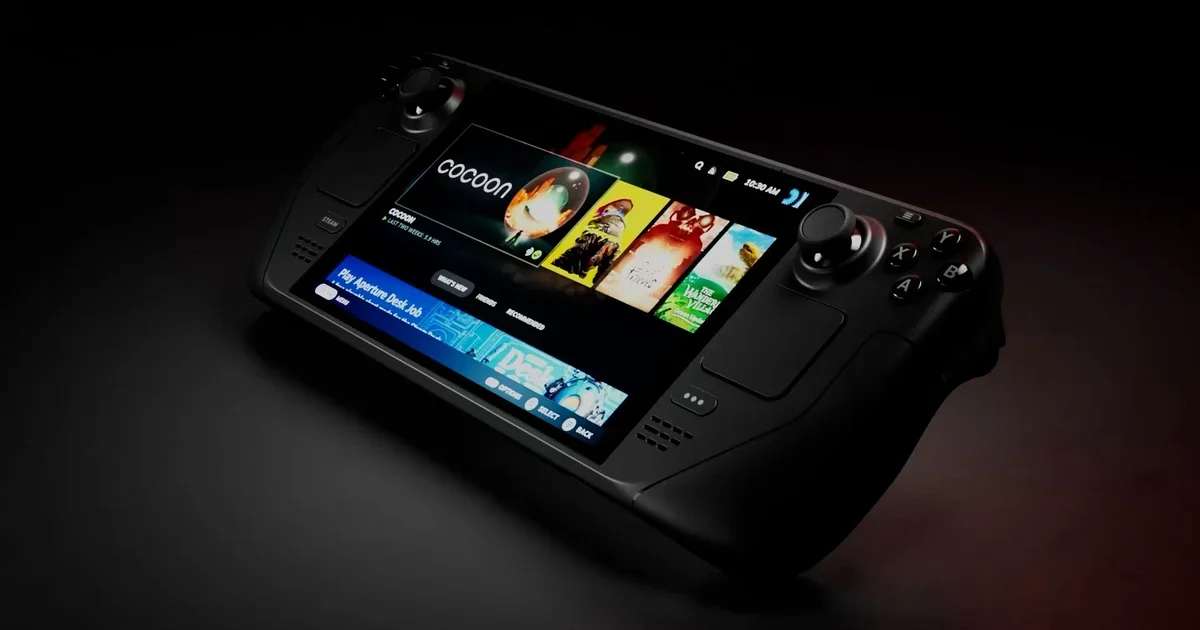
Valve has discontinued the LCD model of the Steam Deck, leaving only the OLED versions available, which offer better battery life and display. The LCD model, previously the more affordable option, is now out of stock and will no longer be produced, but existing owners will still receive software support. Buyers now must choose between higher-priced OLED models with increased storage options.
Valve is phasing out the Steam Deck LCD model, with the OLED version becoming the default, potentially due to high component costs, marking a shift in Valve's budget handheld gaming strategy and raising concerns about future affordability and hardware options.
Valve's Steam Deck with SteamOS features an opt-in system for collecting crash and system event data to help improve hardware and software performance, with detailed insights shared at the Linux Plumbers Conference.
Rumors suggest that Half-Life 3 may be released as a launch title for the Steam Machine in spring 2026, with Valve still deciding on pricing amidst rising RAM costs, but no official confirmation has been made.
Valve is leading efforts to bring Windows games to Arm architecture, with significant contributions to Linux gaming through Proton and SteamOS, aiming to diversify and strengthen the gaming ecosystem while maintaining a consumer-friendly approach. The company’s private ownership allows it to prioritize long-term community and industry benefits over short-term shareholder profits, contrasting with other tech giants and private equity-owned firms. Despite some criticisms regarding DRM, loot boxes, and market dominance, Valve’s initiatives for open source contributions, Linux compatibility, and platform independence highlight its commitment to gaming innovation and consumer interests.