A Reddit post highlights the disposal of numerous government computers due to the end of support for Windows 10, raising concerns about waste, environmental impact, and the need for better recycling and upgrade practices.
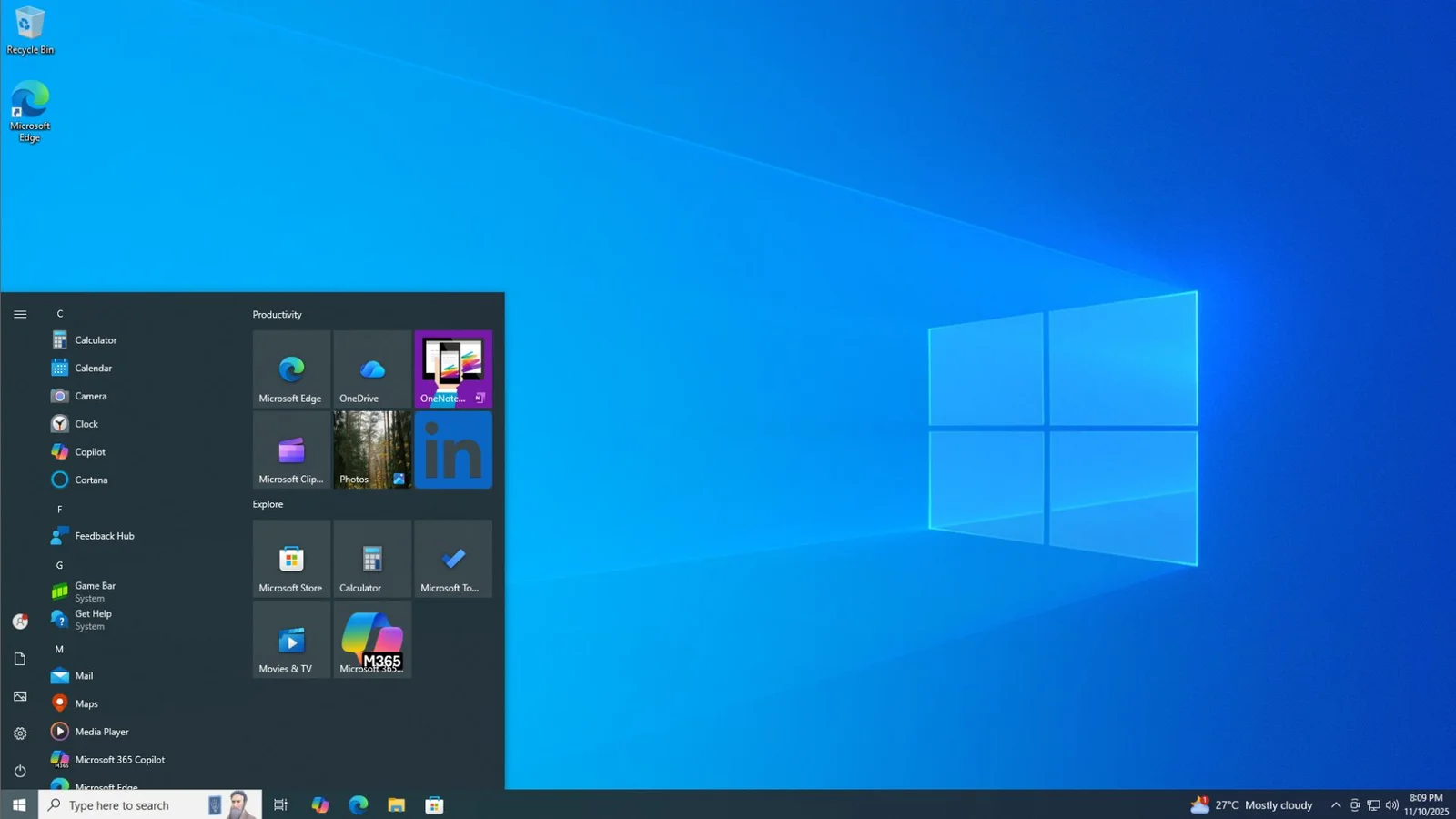
Support for Windows 10 has ended, meaning no more security updates, which increases vulnerability to hackers. Users can opt for Extended Security Updates until October 2026 by meeting certain requirements, but this only provides security patches, not new features. To stay safe, it's recommended to upgrade to Windows 11 or use robust third-party security software, as Windows 10 will no longer receive essential security patches after support ends.
Microsoft issued an emergency update to fix a critical issue with the Windows 10 enrollment wizard that prevented eligible users from accessing security updates after end-of-support, highlighting ongoing problems with Windows 10 support and update management.
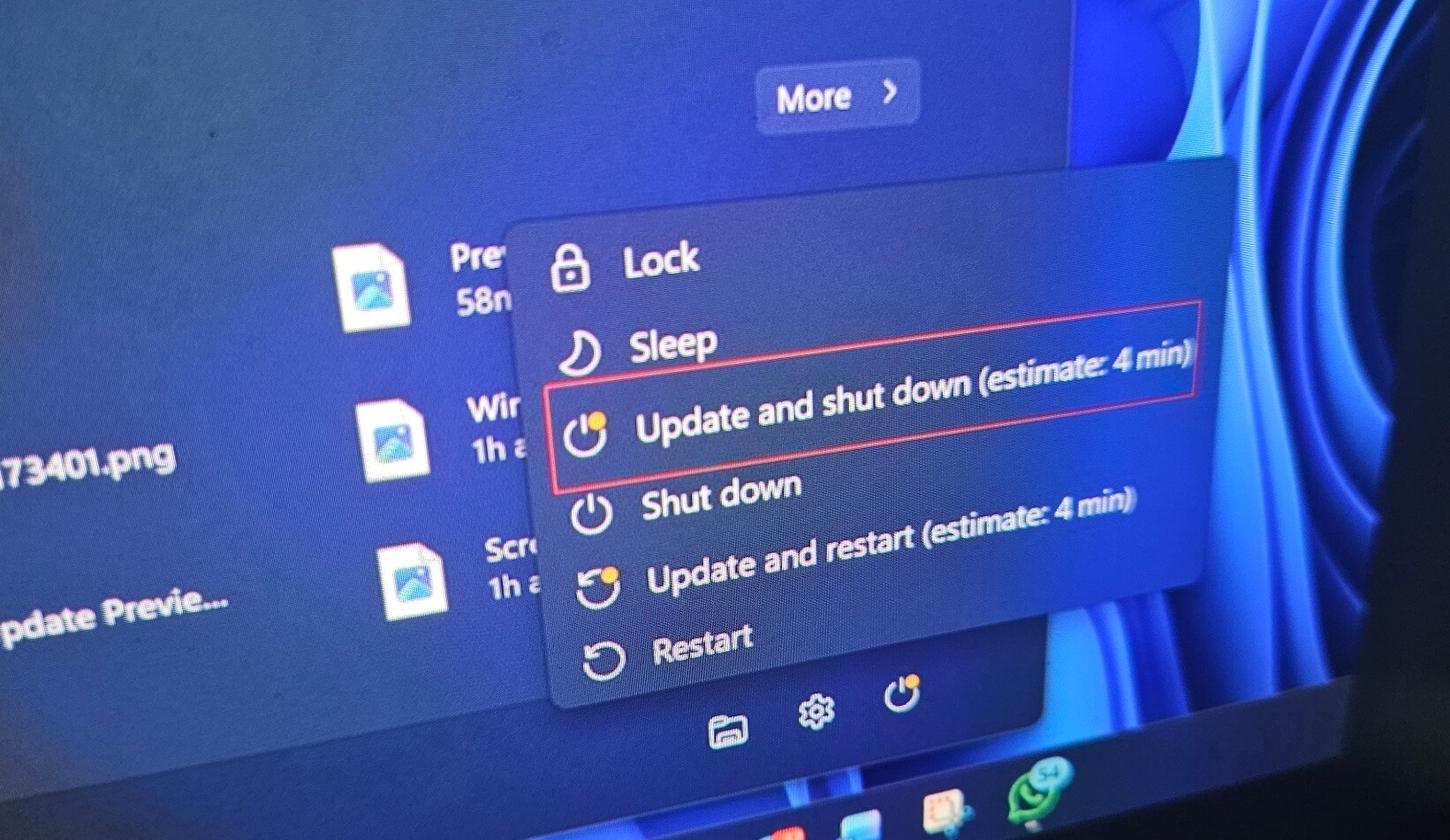
Windows 11 25H2 update fixes a long-standing bug where the 'Update and shut down' option failed to turn off the PC after updates, addressing issues present in Windows 10 as well, likely caused by race conditions or servicing stack problems.
The article criticizes Microsoft's recent focus on extremely high profit margins, particularly in its gaming division, leading to layoffs and project cancellations, while also discussing issues with TwitchCon's security and the controversial new AI assistant in Windows 11, highlighting concerns about corporate priorities and user experience in 2025.
Microsoft warns Windows 10 users about security vulnerabilities due to unsupported systems, highlighting the high risk of ransomware and malware attacks, and advises upgrading to Windows 11 or strengthening interim protections like security software and backups to mitigate risks.
The author describes how to upgrade an otherwise compatible PC to Windows 11 despite it being deemed ineligible due to lack of TPM 2.0 support, using a simple workaround with Rufus and a USB drive, allowing users to bypass Microsoft's restrictions and upgrade in just 10 steps.
Microsoft warns Windows users, especially enterprises, about the risks of unsupported systems like Windows 10, which are vulnerable to hackers and ransomware, urging users to upgrade to Windows 11 to enhance security and reduce enterprise risks.
With Windows 10 reaching end-of-support, users of older PCs should consider options like Extended Security Updates for short-term security, installing ChromeOS Flex for a long-term lightweight OS, or securely retiring and recycling their devices to avoid security risks. Upgrading to Windows 11 isn't feasible for many due to hardware limitations, so these alternatives help keep older computers safe and functional.
This article explains how to troubleshoot and fix issues when the Windows 10 Extended Security Update (ESU) enrollment option doesn't appear, including checking Windows version, running command-line fixes, and contacting support if needed.
The article explains how to resolve the issue of the Windows 10 ESU registration not appearing after support for version 22H2 ended, including a step-by-step guide to force registration via Command Prompt, with a recommendation to contact Microsoft Support if problems persist.
Microsoft has ended free security support for Windows 10 and is promoting Windows 11 with new AI features, including an integrated AI chatbot called Copilot, encouraging users to upgrade while addressing security and environmental concerns related to outdated devices.
Microsoft has suddenly made Windows 10 Extended Security Updates (ESU) available for purchase in the Microsoft Store, allowing users to buy security updates for $30 without needing a Microsoft Account, as an alternative to free updates, with support ending soon.
Microsoft has ended support for Windows 10, but users can still secure their PCs for another year by enrolling in free Extended Security Updates (ESU), which involves updating the system, using an administrator account, and signing up through Windows settings, with some limitations on cloud backup storage.
Microsoft released updates fixing 172 security flaws in Windows, including active zero-day exploits, and announced the end of support for Windows 10, offering options like extended security updates or switching to Linux for continued use. Notable vulnerabilities include a long-standing modem driver issue and a critical flaw in Windows Server Update Service, with Windows 10 support ending and other Microsoft products being sunsetted.