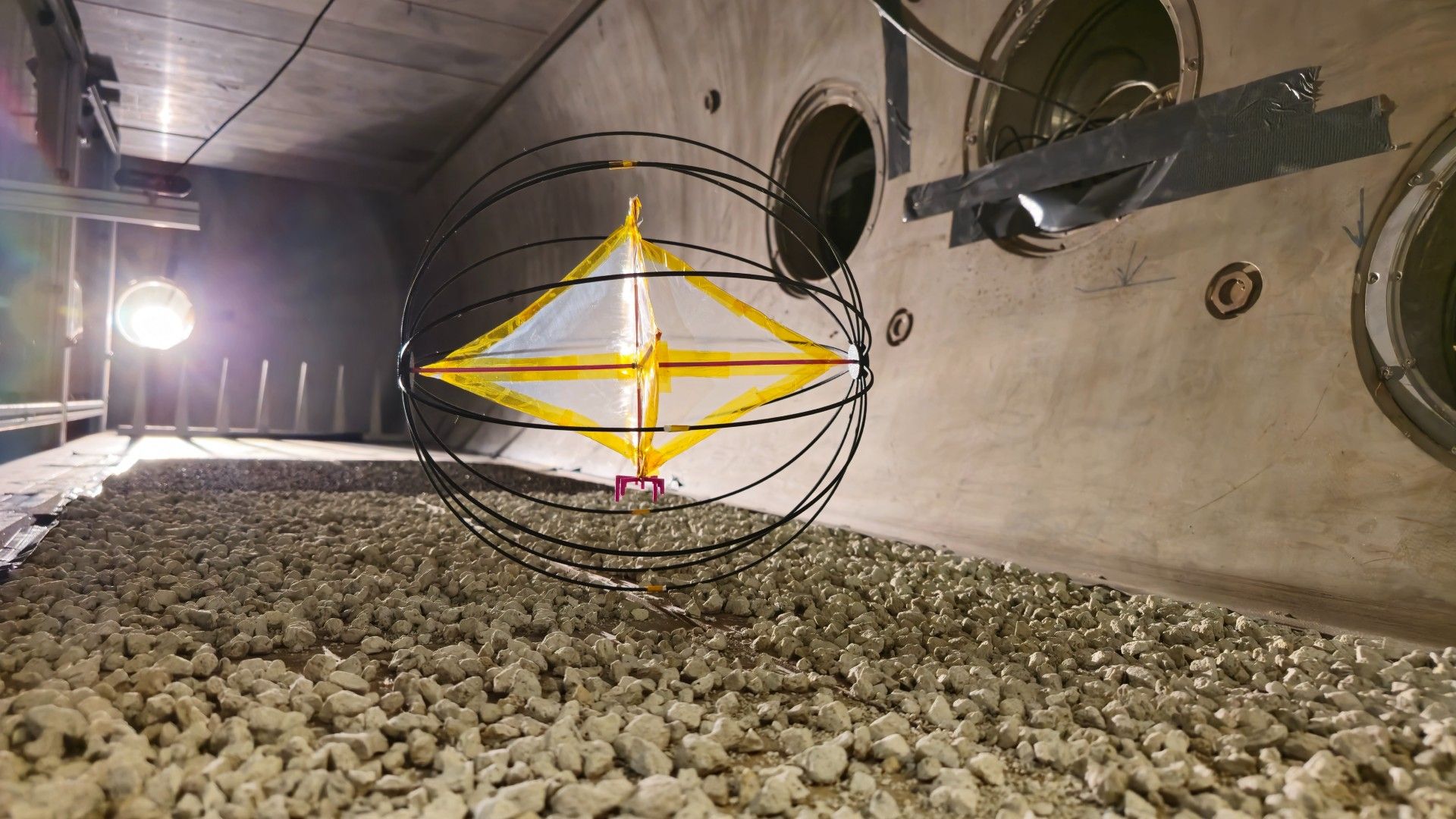
Researchers have validated through wind tunnel tests that tumbleweed-inspired rovers could operate on Mars, propelled by the planet's high winds, potentially covering vast distances and collecting environmental data, offering a low-cost and wide-reaching method for planetary exploration.
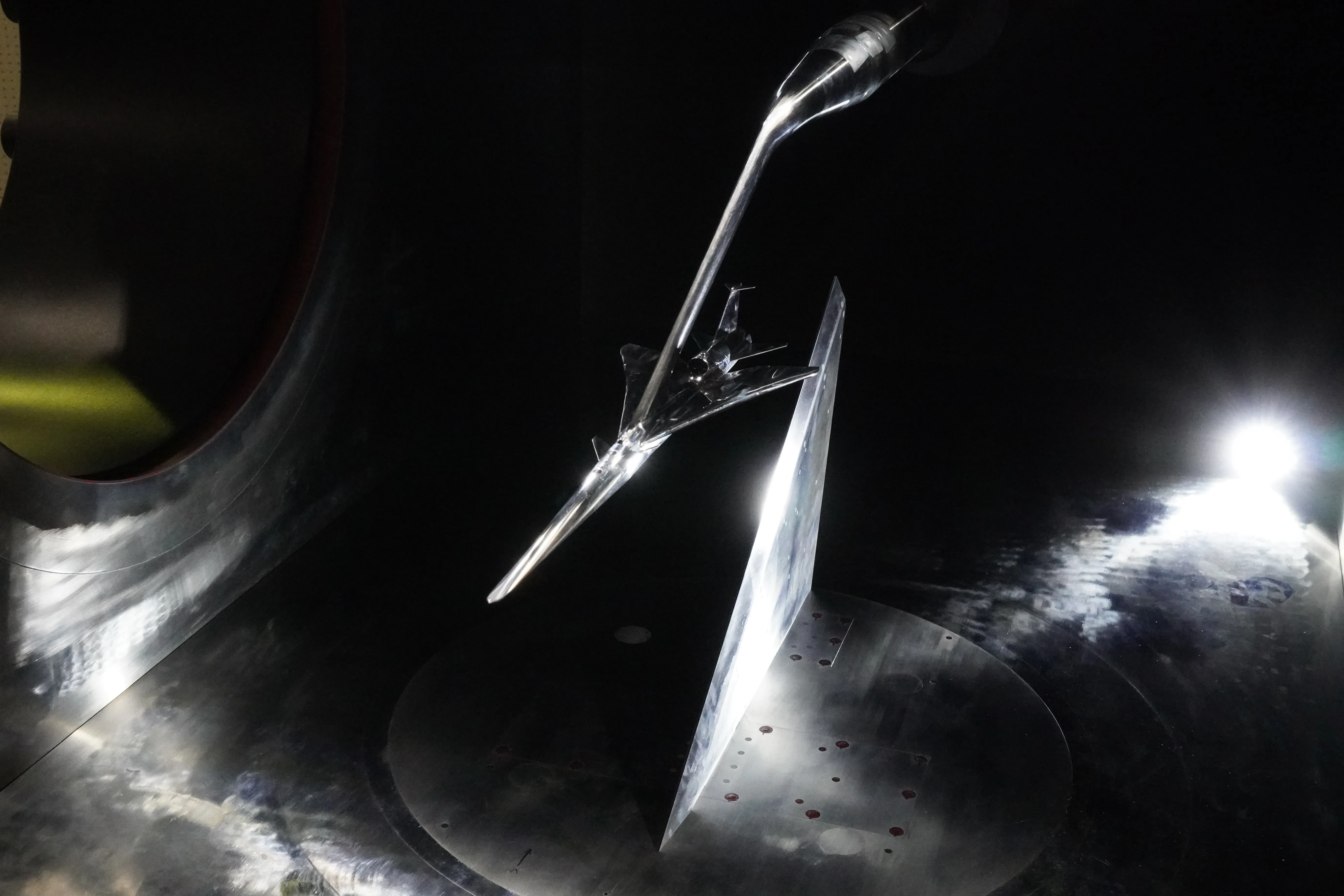
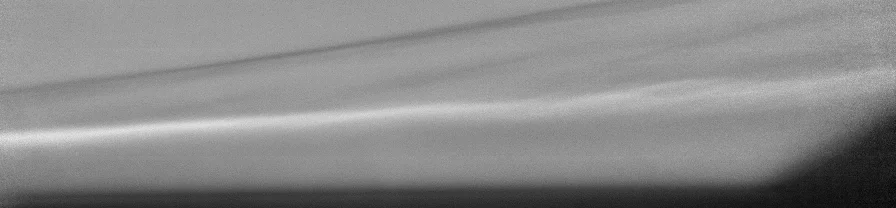
NASA and JAXA tested a scale model of the X-59 aircraft in a Japanese wind tunnel to assess noise levels and validate predictions for quieter supersonic flight, a key step toward developing commercial quiet supersonic airliners.
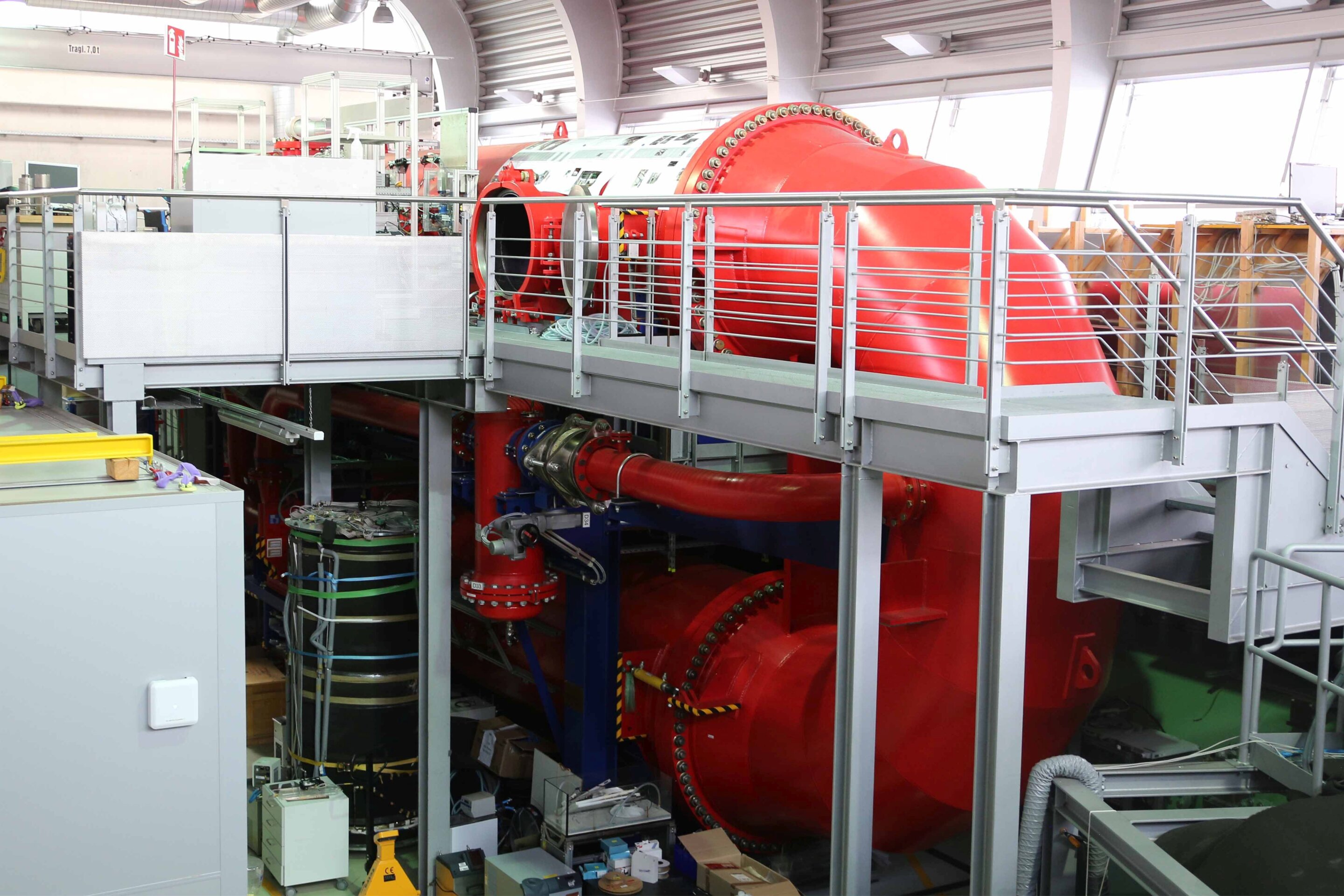
Experiments conducted at the Max Planck Institute for Dynamics and Self-Organization (MPI-DS) in Göttingen reveal that the scaling laws formulated over 80 years ago, which explain turbulent flows, are only partially accurate. The study shows that these laws, established by mathematician Andrei Kolmogorov in 1941, apply only to strongly idealized flows and do not fully explain real-world turbulence. The researchers used a unique wind tunnel to generate high degrees of turbulence and found systematic deviations from Kolmogorov's predictions, suggesting that medium-sized eddies are not completely decoupled from larger eddies in a system. The findings have implications for understanding turbulence in engineered flows and climate models.