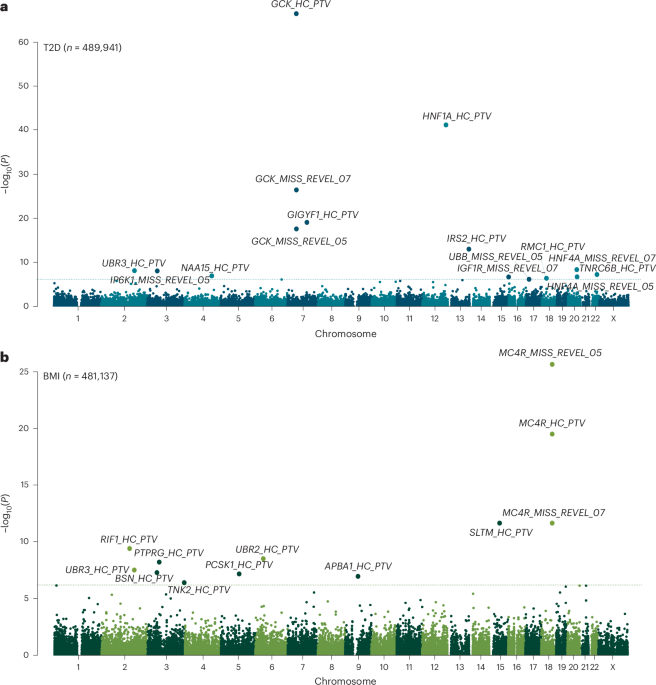
A large-scale study using whole-genome sequencing in over 700,000 individuals identified new genetic factors influencing metabolic health, including genes like IRS2 linked to type 2 diabetes and kidney disease, highlighting the benefits of WGS over exome sequencing for understanding complex traits.
Whole-genome sequencing is set to revolutionize pregnancy by enabling embryo screening to reduce genetic risks, potentially transforming IVF practices, but raising ethical and accessibility concerns.
A Canadian-led study using whole-genome sequencing has identified genetic variants associated with cerebral palsy (CP) in children, shedding light on the condition's genetic contributors. The research found that over 10% of children with CP had a genetic variant linked to their condition, with many variants overlapping with other neurodevelopmental conditions. The data, now available for research, aims to improve understanding of CP's genetic and environmental risk factors, potentially leading to individualized treatment approaches.
A study of 13,000 cancer patients in England has shown that analyzing the entire genetic code of cancer patients can help tailor treatments to individuals, leading to better outcomes. The study, published in Nature Medicine, found that genetic changes in most brain, bowel, and lung cancers could guide decisions about surgery or specific treatments. Whole-genome sequencing revealed genetic variations that may make patients more susceptible to cancer and helped identify different sub-types of cancer, guiding doctors in choosing the correct treatment. The study, led by Genomics England and NHS England, has created a resource for clinicians to better predict outcomes and tailor treatments, paving the way for precision oncology in mainstream cancer care.
UK Biobank has released the largest ever set of patients' genetic data, consisting of whole genome sequencing data for half a million people. This landmark release provides researchers with an unprecedented level of detail about human health, enabling them to make new discoveries about disease development and potentially drive advancements in personalized medicine. The data could lead to the development of more effective drugs for diseases such as heart disease, type 2 diabetes, rare genetic diseases, and cancers. It may also facilitate targeted healthcare and interventions for individuals at high genetic risk of disease. The release of this data is expected to have transformative results for diagnoses, treatments, and cures worldwide.