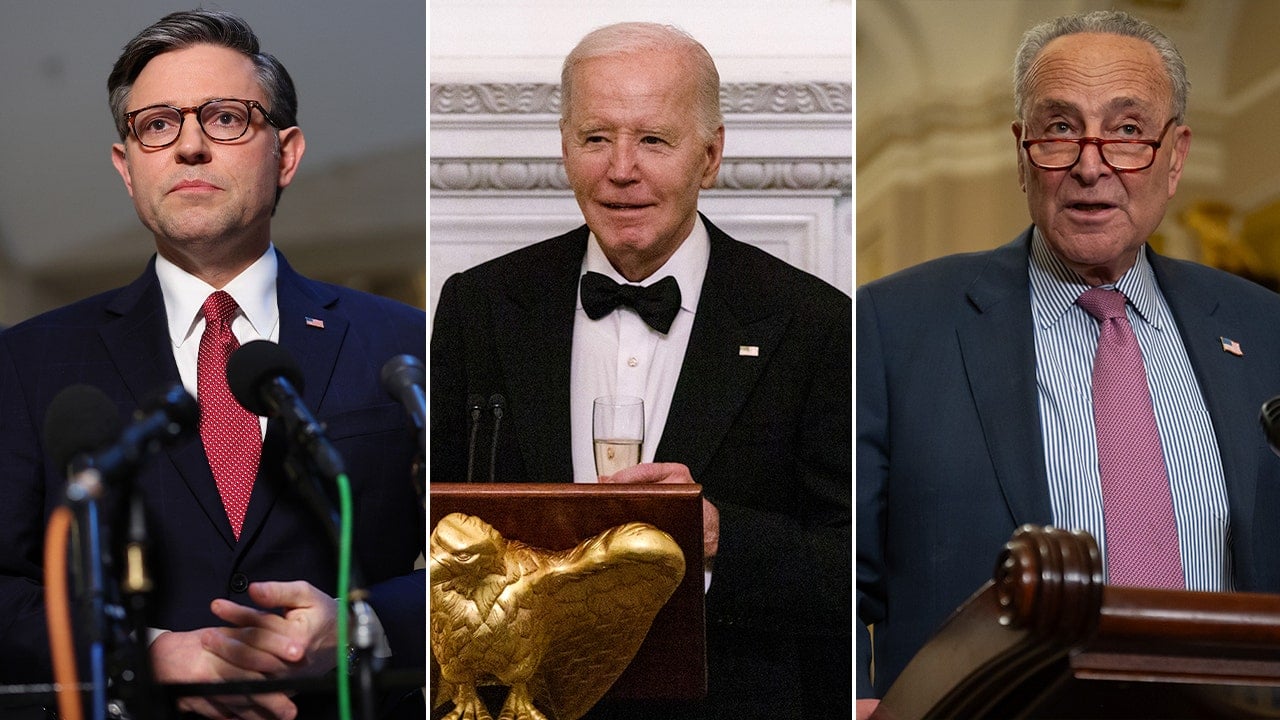
As the US faces a potential government shutdown, President Trump and congressional leaders are preparing for a contentious White House meeting, with disagreements over health policy and funding, while other political issues like the Epstein files and Jan. 6 investigation are also in focus.
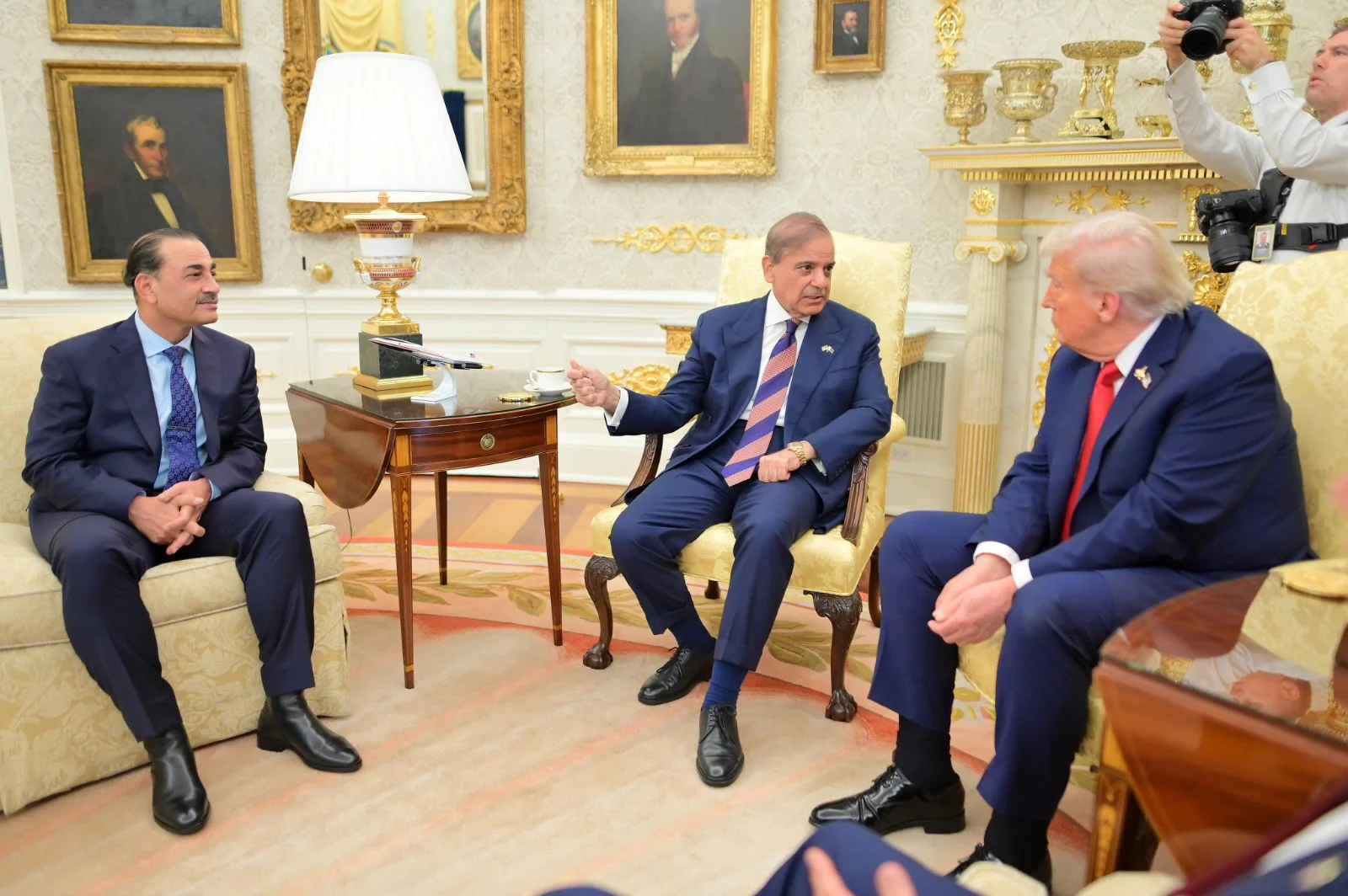
Pakistan's Prime Minister Shehbaz Sharif and Army Chief Asim Munir met with Donald Trump at the White House, signaling a thaw in US-Pakistan relations, with discussions including trade deals, strategic cooperation, and recent diplomatic efforts, after a period of tension.
The Senate Finance Committee is intensifying negotiations on the GOP megabill, with key meetings at the White House to discuss tax components, while House GOP plans to pass a $9.4 billion spending rescission package, amidst political debates and upcoming special elections. Meanwhile, Democrats are vying for leadership positions and responding to internal and external challenges.
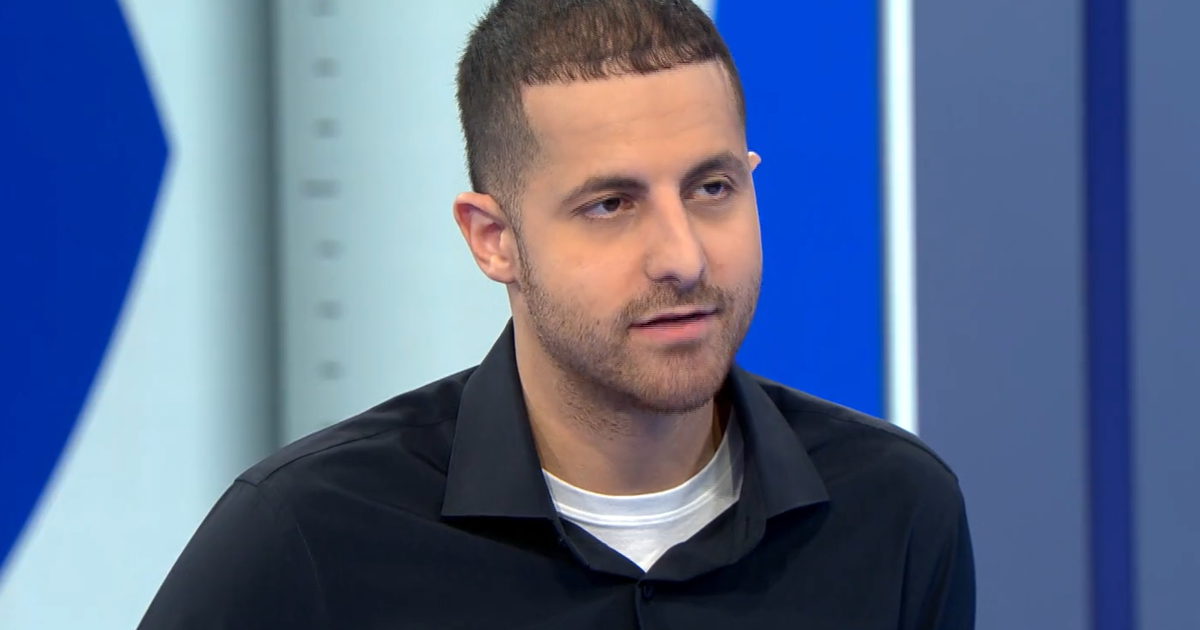
Palestinian American doctor Thaer Ahmad walked out of a meeting with President Biden and other Arab and Muslim leaders, explaining that he did so out of respect for his community's mourning and to express the hurt and pain felt by the Palestinian American community. Ahmad, who had traveled to Gaza earlier this year, urged President Biden to prevent an invasion of Rafah, emphasizing the dire situation and the suffering of innocent people in Gaza. He also highlighted the need for urgent action to stop the looming Rafah invasion and shared his firsthand experiences of witnessing the impact of the conflict on civilians and healthcare workers in Gaza.
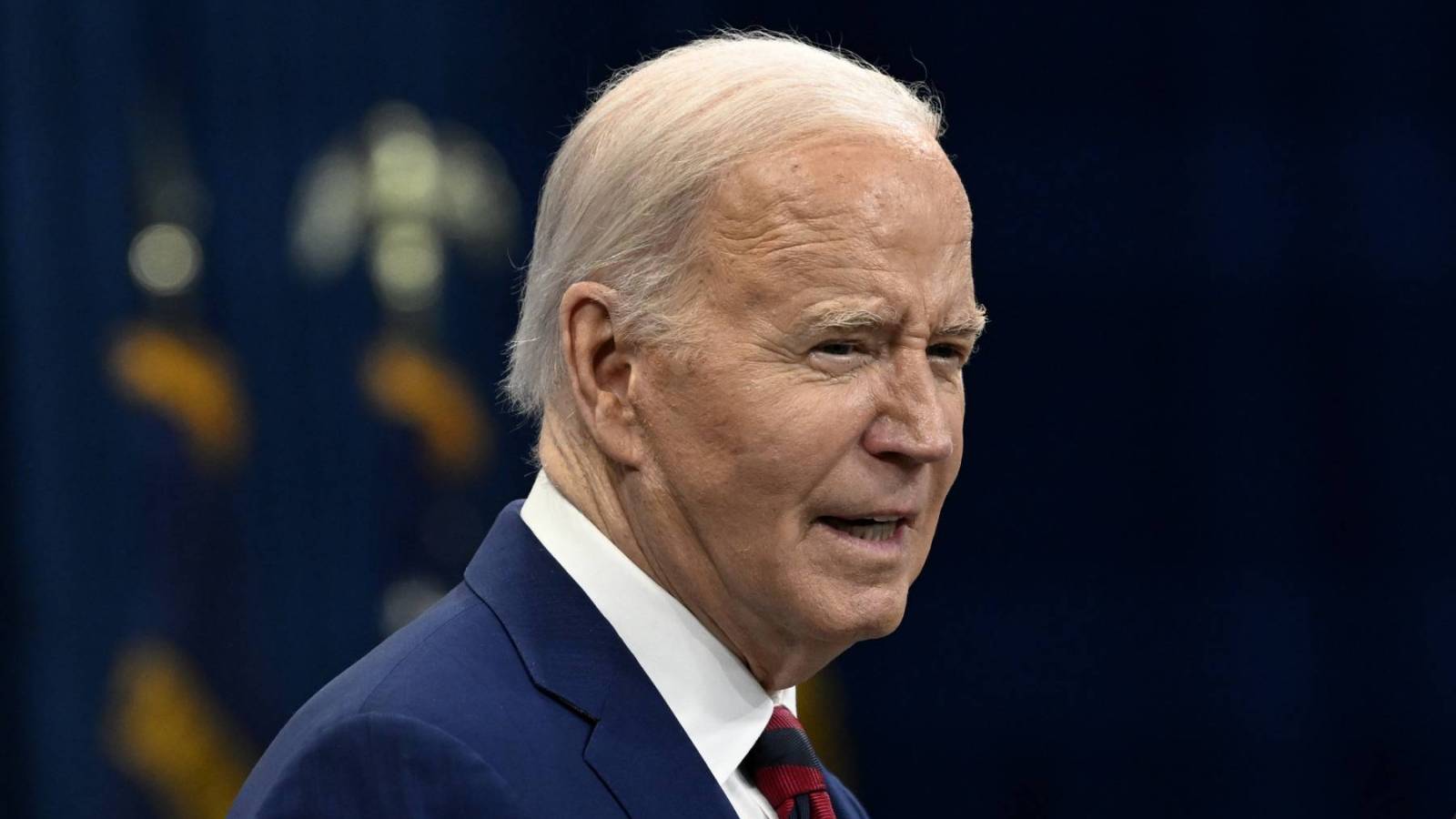
President Biden's meeting with Muslim American leaders to discuss Gaza was tense and sparsely attended, with only six invitees showing up. Tensions rose as attendees expressed concerns about the situation in Gaza, with one doctor showing Biden photos of malnourished Palestinian children and another walking out in protest. The event, originally planned as a Ramadan celebration, was repurposed into a listening session, reflecting criticism of Biden's support for Israel during the Gaza invasion. The meeting occurred amid warnings of widespread famine in northern Gaza and condemnation of an Israeli airstrike that killed aid workers.
Dr. Thaer Ahmad, a board member with MedGlobal, walked out of a meeting with President Biden at the White House to protest the administration's actions on the Israel-Hamas war, expressing dissatisfaction with the rhetoric coming from the Biden administration. Ahmad raised concerns about the well-being of Gaza residents and the potential for a ground invasion by Israel. He emphasized the need for humanitarian aid and expressed frustration over the loss of World Central Kitchen workers in an Israeli airstrike. The White House acknowledged the pain felt by the Muslim and Arab communities and reiterated President Biden's commitment to securing an immediate ceasefire and increasing humanitarian aid into Gaza.
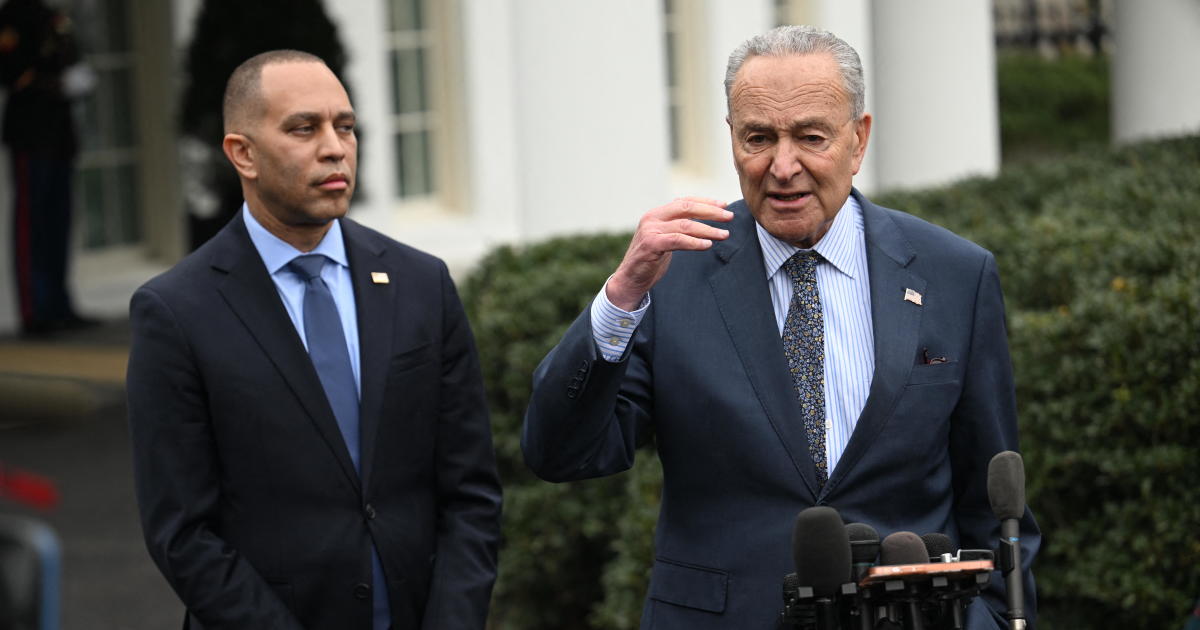
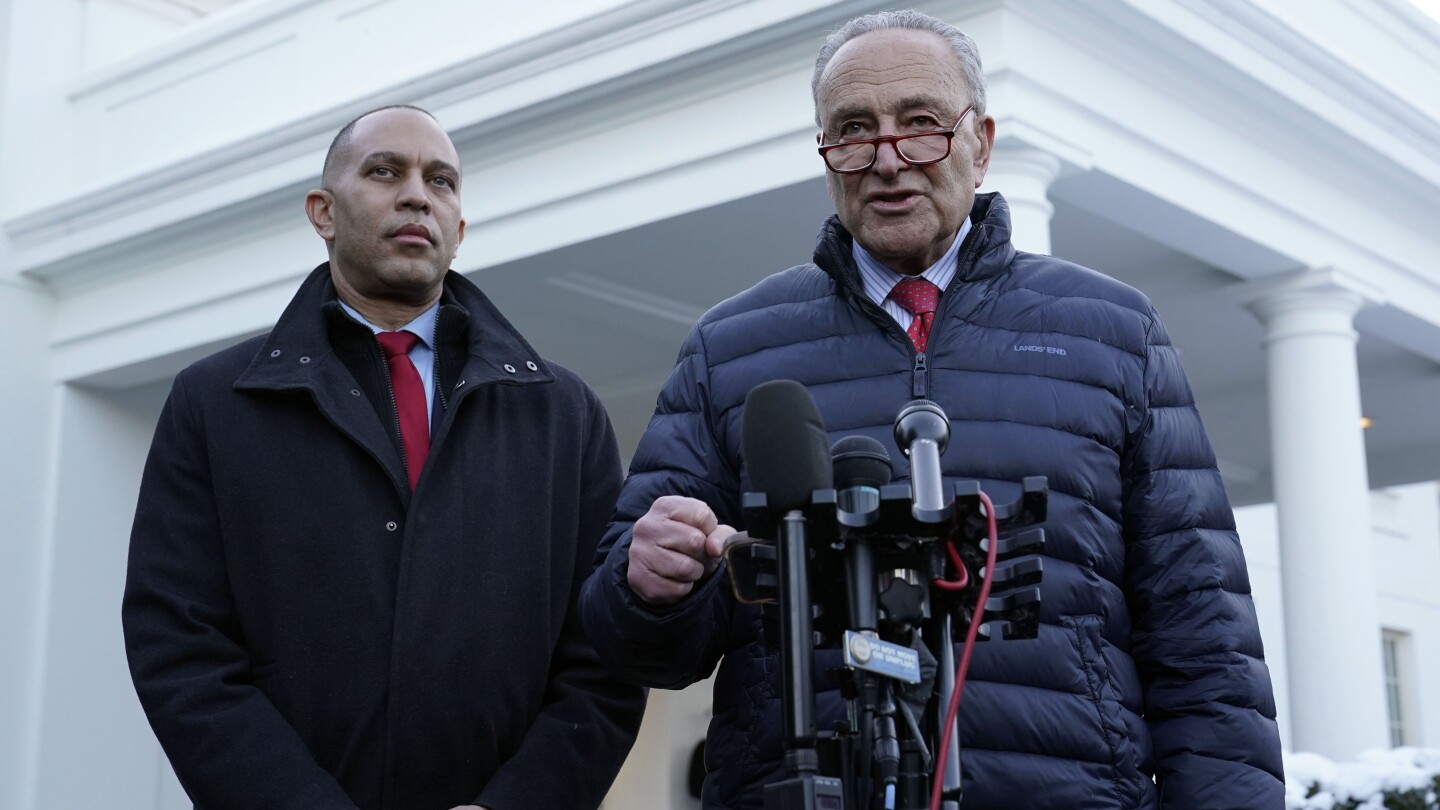
Congressional leaders, including House Speaker Mike Johnson, House Minority Leader Hakeem Jeffries, Senate Majority Leader Chuck Schumer, and Senate Minority Leader Mitch McConnell, left an "intense" White House meeting with President Biden, expressing commitment to finding a government funding deal by Friday. Discussions included the possibility of a short-term funding extension and the need to pass aid for Ukraine, with tensions arising over border security measures. The leaders emphasized the urgency of providing aid to Ukraine and avoiding a government shutdown, but differences remain on how to address the border crisis.
Senate Majority Leader Chuck Schumer described an "intense" White House meeting with President Biden and Speaker Mike Johnson, where bipartisan pressure was exerted to pass additional military assistance for Ukraine. The White House has urged Congress to approve a supplemental funding bill providing tens of billions of dollars in aid to U.S. allies, including about $60 billion for Ukraine. Schumer emphasized the vital importance of the aid, warning that without it, Ukraine could lose the war, NATO would be fractured, and allies would turn away from the United States. Johnson expressed the House's exploration of various options for supplemental funding, but emphasized the priority of securing the country's border.
President Biden has called for a White House meeting with congressional leaders to discuss ongoing negotiations on funding the government, as the possibility of a partial shutdown looms. The meeting comes after delays in reaching a compromise, with both sides blaming each other for the impasse. Key issues include disagreements over funding for a supplemental nutrition benefits program, with Senate Democrats seeking more than House Republicans and Biden's budgetary request. If no deal is reached by March 1, the government faces a partial shutdown.
President Biden will meet with congressional leaders to urge the passing of an emergency aid package for Ukraine and Israel, as well as to avert a government shutdown. The Republican-led House is under pressure to pass a $95 billion national security package, while the first tranche of government funding is due to expire soon. There is bipartisan support for the aid package, but House Speaker Mike Johnson has been resistant. Senate Majority Leader Chuck Schumer called on Johnson to "buck the extremists" in his caucus and greenlight funding to keep the government open.
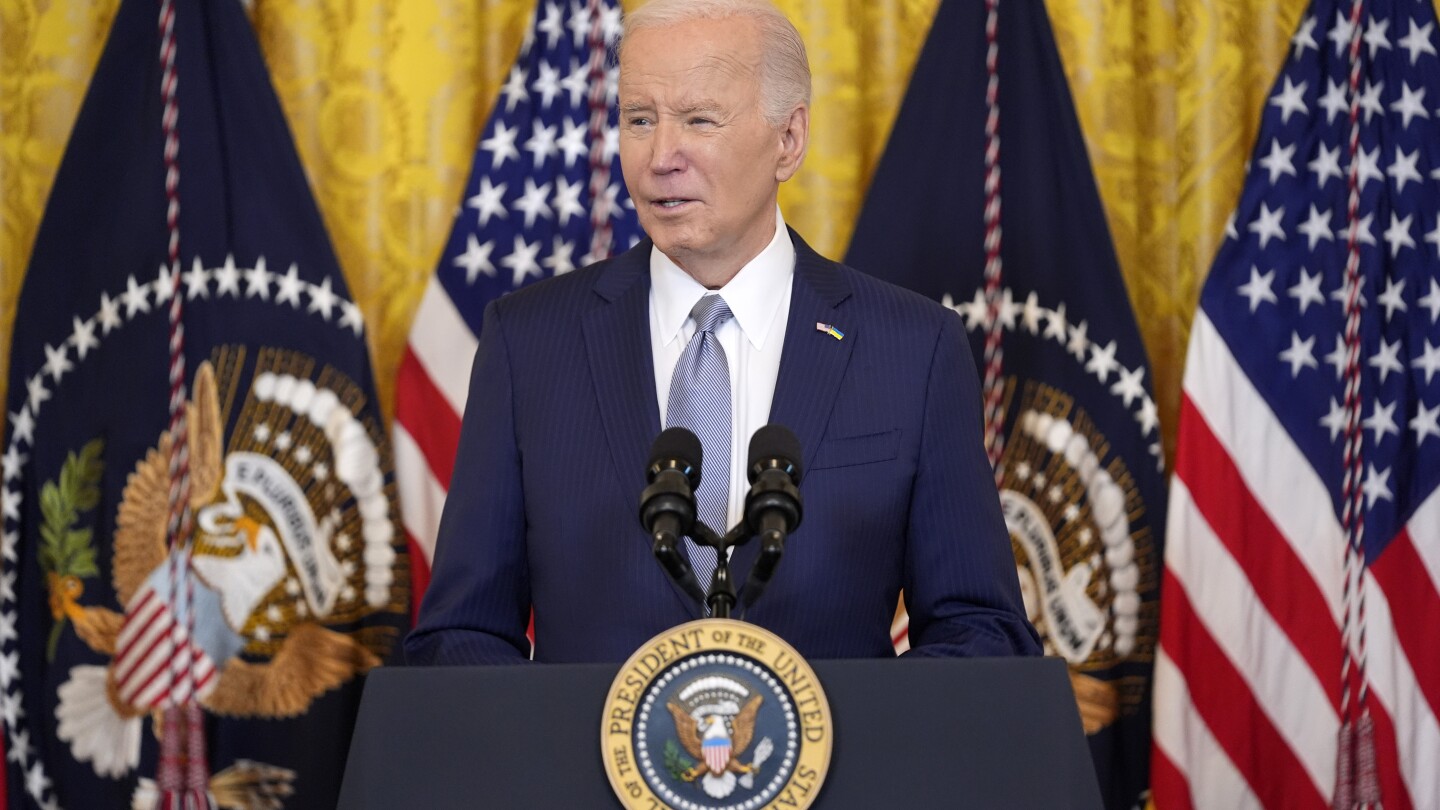
President Biden met with congressional leaders at the White House to discuss Ukraine aid and border security, with Republicans pushing for tougher measures at the U.S.-Mexico border while also supporting aid to Ukraine. The meeting highlighted the complex negotiations surrounding the aid package, with Biden emphasizing the need for congressional action to support Ukraine's defense against Russia's invasion. The discussions also touched on the potential impact of inaction on Ukraine and the broader implications for U.S. national security and international alliances.
The White House held an urgent meeting to address the Navajo Nation's request to delay a private moon mission carrying human remains for a lunar burial, which they consider a desecration of a sacred site. The mission, Peregrine Mission One, would be the first American-made spacecraft to land on the moon since 1972. Navajo Nation President Buu Nygren emphasized the cultural significance of the moon and the inappropriateness of its use as a burial site. Despite the concerns, the companies involved, Celestis and Elysium Space, along with Astrobotic Technology, are proceeding with the launch, citing the mission as a celebration rather than desecration. The debate highlights the complexities of space exploration ethics and the need for regulatory oversight as commercial lunar activities increase.
Eight Democratic lawmakers from Maine, including House Speaker Rachel Talbot Ross, are attending a White House meeting hosted by Vice President Kamala Harris to launch the Safer States Initiative, a new partnership aimed at helping states enhance their gun violence prevention efforts. The initiative will provide states with tools and support to implement reforms such as establishing offices of gun violence prevention, strengthening background checks, and banning assault weapons and high-capacity magazines. The meeting marks the largest-ever White House gathering of state legislators focused on gun violence prevention.
President Joe Biden criticized "MAGA" Republicans for refusing to vote in a higher federal debt ceiling and pushing for "draconian" cuts in the budget. He stated that the last thing the country needs is a manufactured crisis and that paying the debt has nothing to do with the budget. Biden will meet with congressional leaders at the White House on May 9 to negotiate before the U.S. runs out of money to pay its bills as soon as June 1.