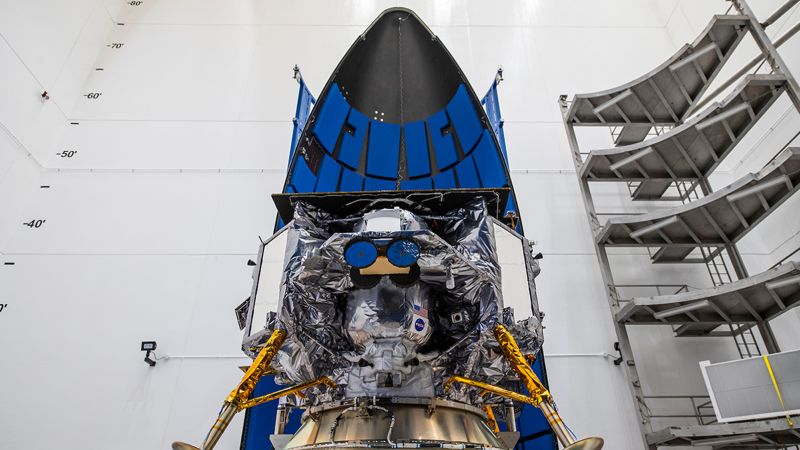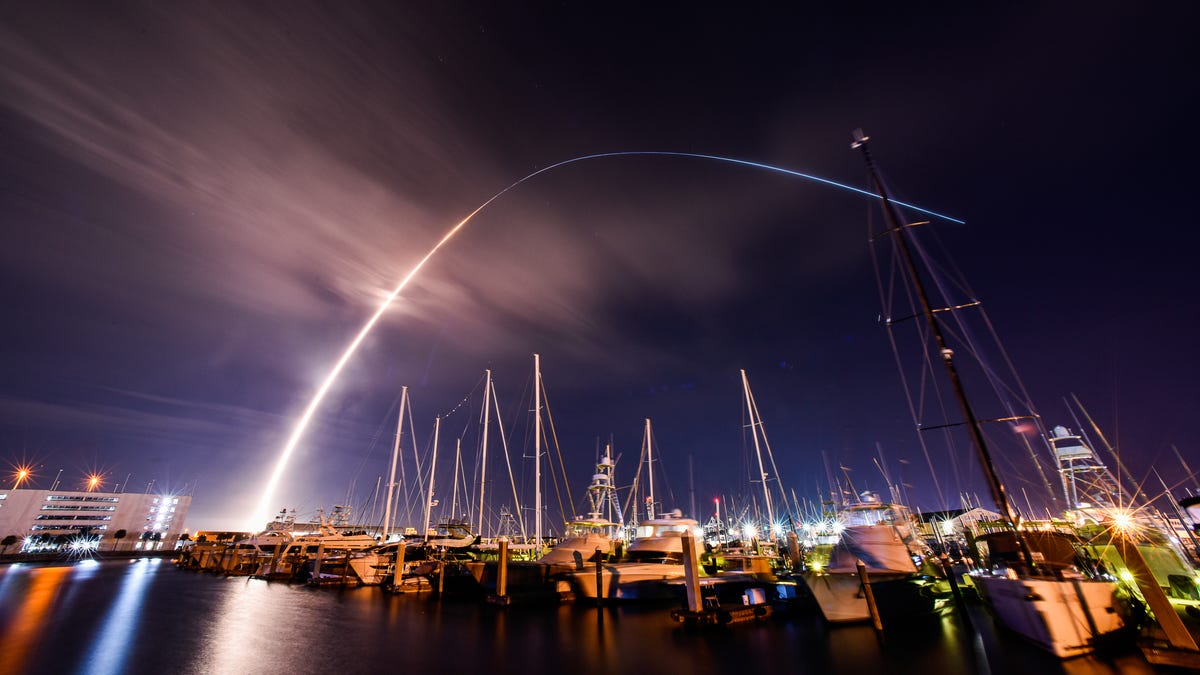
United Launch Alliance's new Vulcan rocket successfully launched from Cape Canaveral Space Force Station, carrying the Peregrine robotic lunar lander to its planned moon landing on Feb. 23. The mission marks the debut of NASA's Commercial Lunar Payload Services program, aiming to partner with private companies for lunar missions. The launch also carries cremated human remains and DNA, sparking controversy with the Navajo Nation expressing concerns about the sacredness of the moon. Astrobotic's Peregrine lunar lander, part of the mission, aims to pave the way for regular commercial lunar deliveries to the moon's surface.
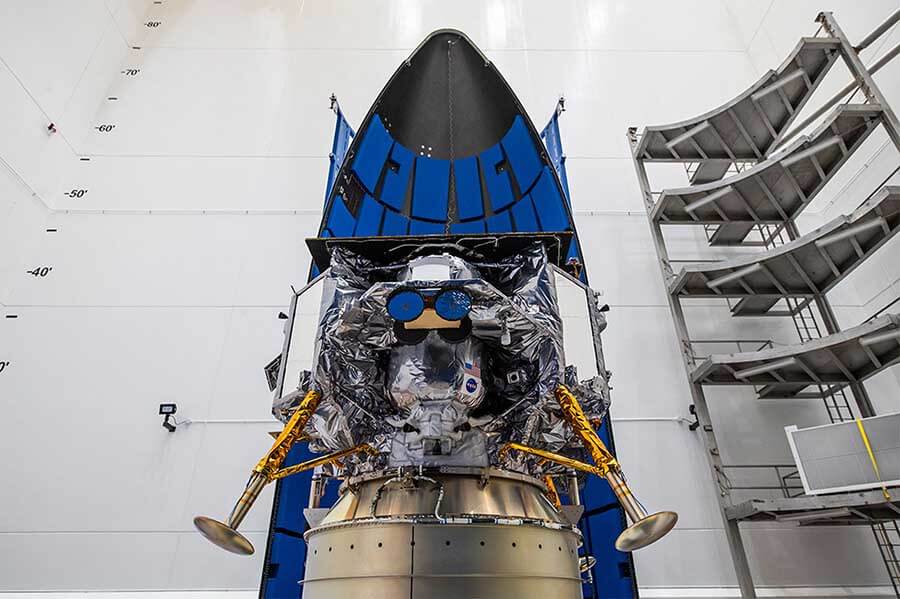
The Navajo Nation has raised objections to a private moon mission, Peregrine Mission One, which plans to carry human remains for a lunar burial, citing the moon's sacred status in indigenous cultures. Despite the concerns, companies involved in the mission, such as Celestis and Elysium Space, defend their plans, emphasizing the care and reverence of their memorial spaceflights. The White House convened a meeting to discuss the issue, but with the launch imminent, Navajo Nation officials are skeptical that their concerns will halt the mission. NASA, while a primary customer, is part of a broader commercial initiative that is shaping the emerging lunar economy, with regulations still in development.
The White House held an urgent meeting to address the Navajo Nation's request to delay a private moon mission carrying human remains for a lunar burial, which they consider a desecration of a sacred site. The mission, Peregrine Mission One, would be the first American-made spacecraft to land on the moon since 1972. Navajo Nation President Buu Nygren emphasized the cultural significance of the moon and the inappropriateness of its use as a burial site. Despite the concerns, the companies involved, Celestis and Elysium Space, along with Astrobotic Technology, are proceeding with the launch, citing the mission as a celebration rather than desecration. The debate highlights the complexities of space exploration ethics and the need for regulatory oversight as commercial lunar activities increase.