This article discusses the potential for a rebound in wheat, soybean, and corn prices in the grain markets. It highlights the importance of monitoring market trends and suggests using targeted data from specific countries for more accurate analysis.
Wheat prices have surged due to concerns over potential supply disruptions caused by Ukrainian drone strikes, leading to increased market volatility in the agriculture sector.
The conflict between Russia and Ukraine continues to escalate as the US confirms the use of banned cluster bombs by Ukraine against Russian forces. Ukraine warns of targeting all shipping out of Russian and Russian-occupied ports and signals readiness to fight on the Black Sea. The UN's atomic watchdog is unable to inspect Ukraine's Zaporizhzhia nuclear power plant occupied by Russian forces. EU foreign ministers discuss a proposal for a 20 billion euro fund to support Ukraine militarily, while prolonging sanctions against Russia. Wheat prices rise following Russia's withdrawal from a UN-backed grain deal. The US imposes sanctions on individuals and entities aiding Russia's war against Ukraine. Airstrikes by Russia result in casualties in southern Ukrainian port cities. Russia imposes restrictions on British diplomats, and Britain removes sanctions on Oleg Tinkov. Eugene Shvidler, an ally of Roman Abramovich, challenges sanctions imposed on him. Ukraine's deputy economy minister holds talks with China's vice-commerce minister.
Russia has officially ended the Ukraine grain deal, known as the Black Sea Grain Initiative, which allowed Ukraine to maintain normal exports of wheat, corn, and other foodstuffs. This move is expected to impact world prices and is seen as a signal from Vladimir Putin regarding his intentions towards Ukraine.
Wheat prices have risen for a third consecutive day as tensions between Russia and Ukraine escalate, sparking fears of a major global food crisis. Russia's threat to treat ships heading for Ukrainian ports as military cargo carriers has deepened concerns about food security. The rise in wheat prices follows Russia's decision to pull out of the Black Sea Grain Initiative, a crucial wartime deal that provided a humanitarian corridor for the export of Ukrainian grain. Attacks on grain infrastructure in southern Ukraine have further hindered Ukraine's ability to export agricultural commodities. The termination of the initiative is expected to create a significant food crisis worldwide, particularly affecting low-income countries in Africa and the Middle East.
Russia has escalated military tensions in the Black Sea by threatening commercial ships and placing sea mines around Ukrainian ports, following its decision to pull out of a grain deal and bomb the Odesa port. This has disrupted grain shipments from Ukraine, one of the world's leading wheat exporters, and caused a spike in wheat prices. The US believes Russia's actions are a coordinated effort to justify attacks on civilian ships and blame Ukraine. While efforts are being made to find alternative export routes, the toll on Ukrainian farmers and shippers will have long-term effects on the global market.
Wheat prices surged by nearly 9% as tensions between Russia and Ukraine escalated, with Russia pulling out of a crucial deal allowing the export of grain from Ukraine. The move threatens to push up food prices globally and could lead to increased food insecurity. The Black Sea Grain Initiative, which ensured the safe passage of grain shipments from Ukrainian ports, expired as Russia refused to renew the pact, citing its failure to meet its intended purpose. The collapse of the deal has significant implications, as Ukraine was previously the fifth-largest wheat exporter worldwide.
Wheat prices surged by nearly 9% as tensions between Russia and Ukraine escalated, following Russia's decision to withdraw from a crucial deal allowing the export of grain from Ukraine. The move threatens to push up food prices globally and exacerbate food insecurity. The Black Sea Grain Initiative, which ensured the safe passage of grain-carrying ships from Ukrainian ports, has expired, impacting Ukraine's position as the fifth-largest wheat exporter. Corn futures also rose amid fears of a supply crunch. The situation highlights the potential impact of geopolitical tensions on food prices and global inflation.
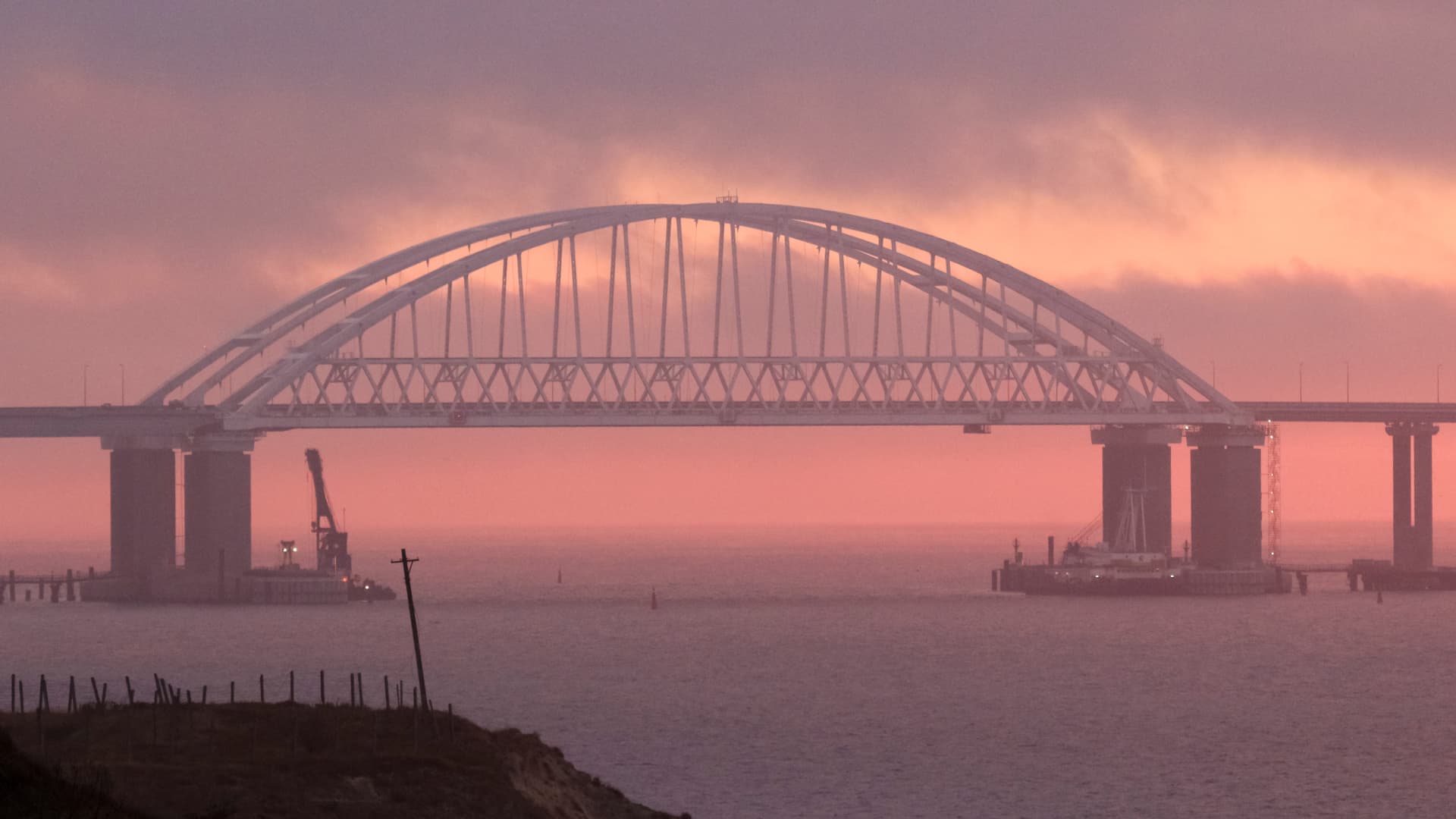
Two people were killed and their daughter wounded in an attack on the Crimean bridge, which Russia claims was carried out by Ukraine. Russia has seized control of operations belonging to French food manufacturer Danone and Danish brewer Carlsberg in retaliation for the treatment of Russian companies abroad. Norway will supply another 1,000 micro drones to Ukraine as part of a larger defense package. Kharkiv, Ukraine's second-largest city, was attacked by Russia overnight, with explosions heard in the city center. Wheat prices jumped 3.5% as Russia terminated the Black Sea grain deal, which was crucial for global food supply.