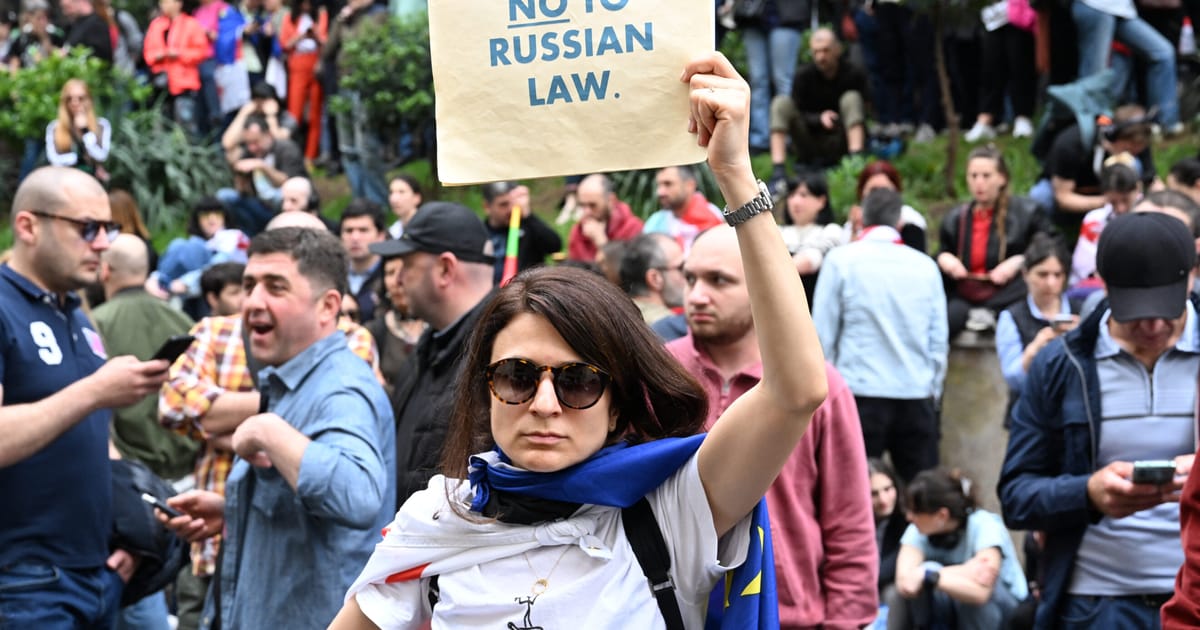
Georgia's government has enacted a controversial 'foreign agent' law, which critics argue undermines the country's aspirations to join the EU and damages its economic ties with Western nations. This move has led to significant backlash from both the U.S. and Brussels, leaving many Georgians feeling uncertain about their future.
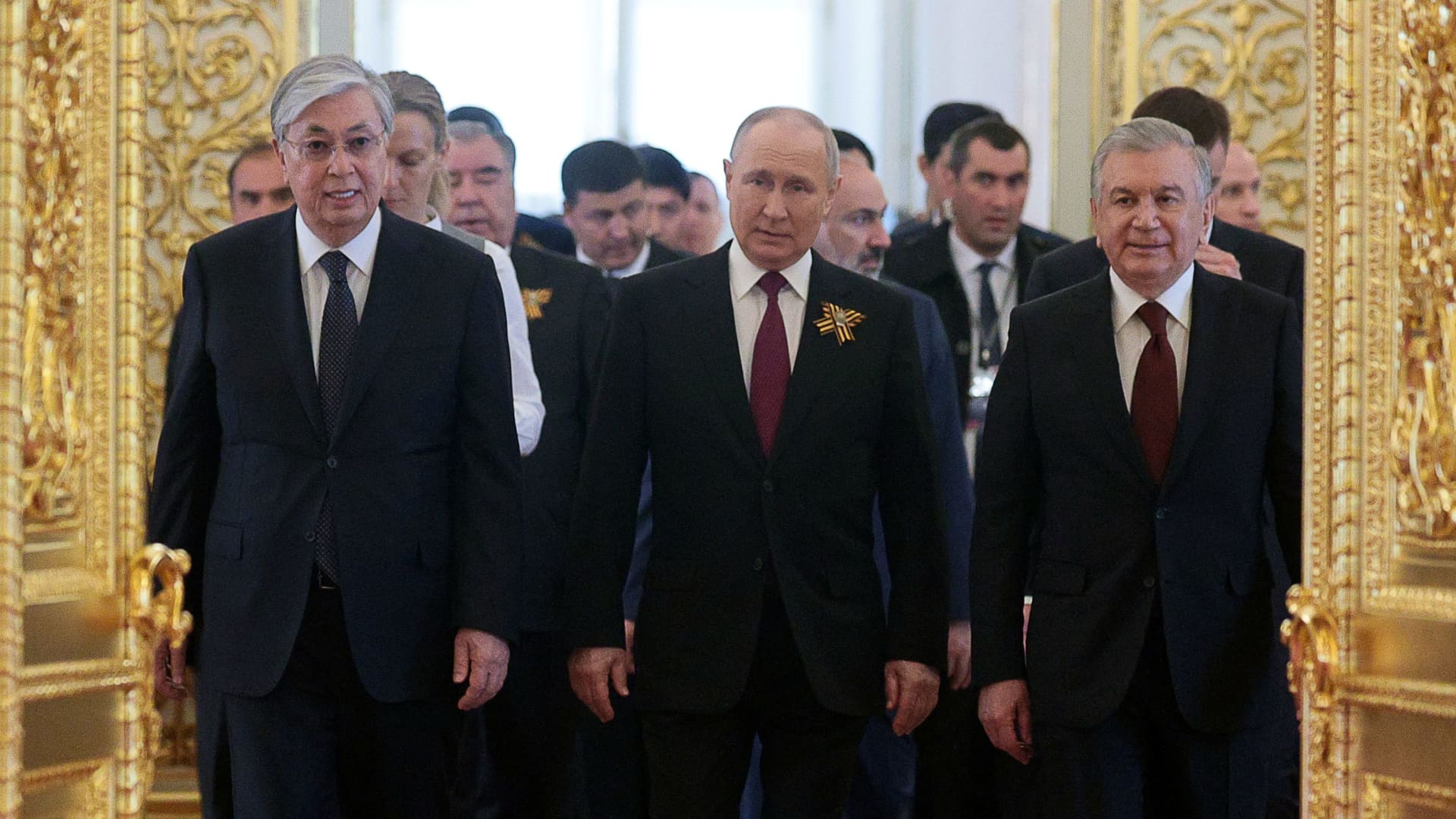
Russia is pushing back against Western efforts to build ties with Central Asia, a region traditionally seen as its own "backyard." Russian President Vladimir Putin is conducting a diplomatic push in Kazakhstan, aiming to maintain Russia's influence in the face of growing economic competition from China and rising geopolitical interest from the West. While Central Asian countries seek new partnerships, they also strive to keep Russia on their side. However, analysts note that Russia is gradually losing its grip on the region as the younger generation in Central Asia, which does not remember Soviet times, seeks self-sufficiency and change. If Russia does not change its approach, its influence in the region may wither away.
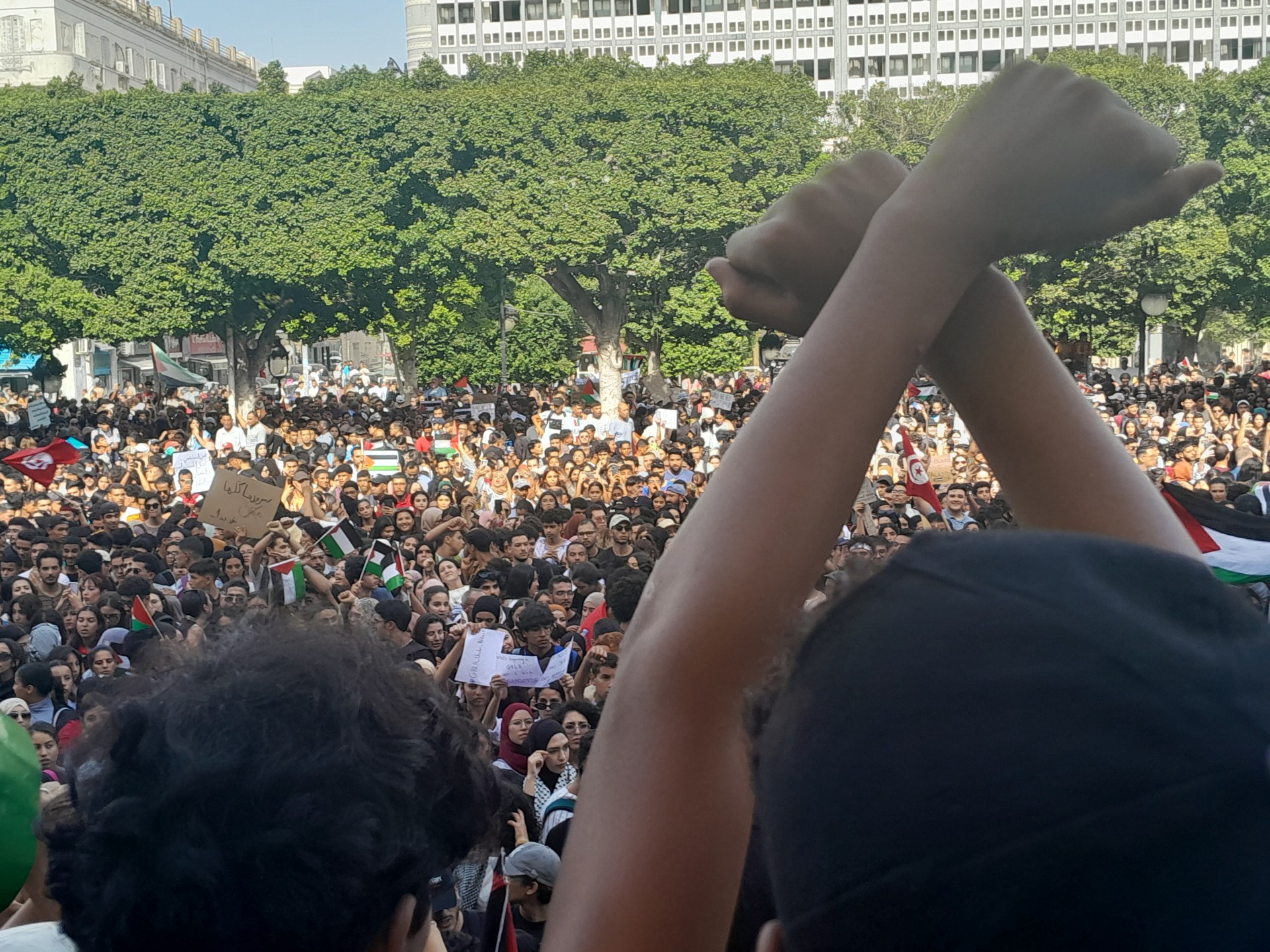
Outrage is growing in the Arab world over the Israeli assault on Gaza, particularly after the bombing of al-Ahli Arab Hospital. Protesters in Beirut, Tunis, and Cairo are confronting tear gas and water cannons as they express anger towards the West and its unwavering support for Israel. Activists argue that Western soft power in the region, including cultural influence and funding civil society, is being rejected due to perceived Western hypocrisy in prioritizing Israeli lives over Palestinian lives. Western influence in Tunisia and the wider Middle East and North Africa (MENA) region is facing pushback, with NGOs refusing US funding and a proposed law limiting NGO independence gaining traction. The perception of double standards and Western support for Israel is undermining the West's credibility in promoting liberal democracy and human rights in the region. European soft power in the Middle East may decline further as people see it disregarding its professed values.
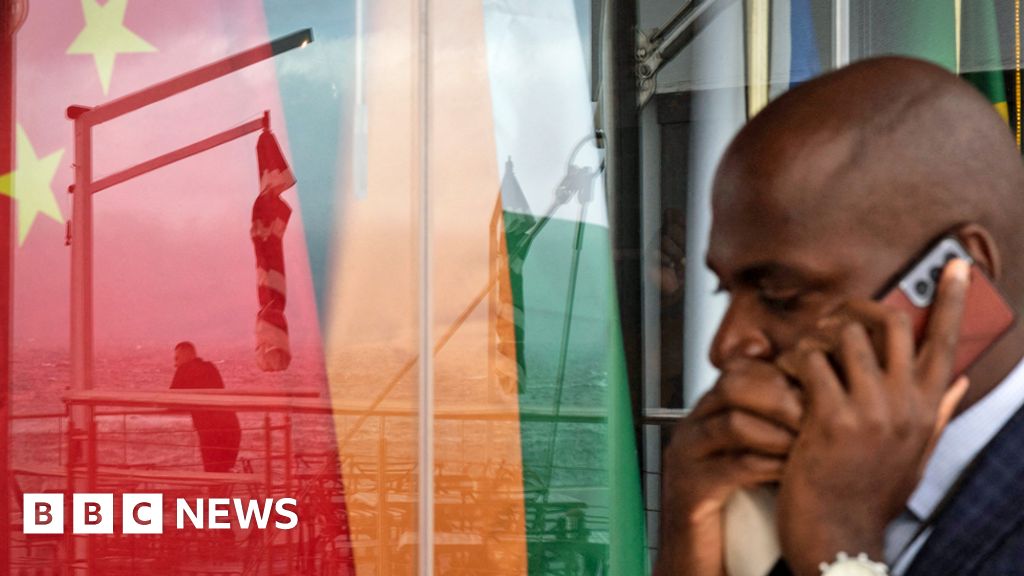
The Brics summit, consisting of Brazil, Russia, India, China, and South Africa, is being held in Sandton, South Africa, with a sense of pride and unease. South Africa, grappling with economic uncertainty, is steering away from the West and aligning itself with China and Russia. The African National Congress (ANC) government's inconsistent response to Russia's actions in Ukraine has strained its relationships with the West. Meanwhile, Russia is using the summit to showcase its strategic diplomacy and present itself as an alternative to Western influence in Africa, gaining traction among countries frustrated with the status quo. The lack of a Western equivalent to Brics and the perception of former colonial powers treating Africa as a crisis to be managed rather than a partner to be supported have contributed to Brics' growing influence on the continent.
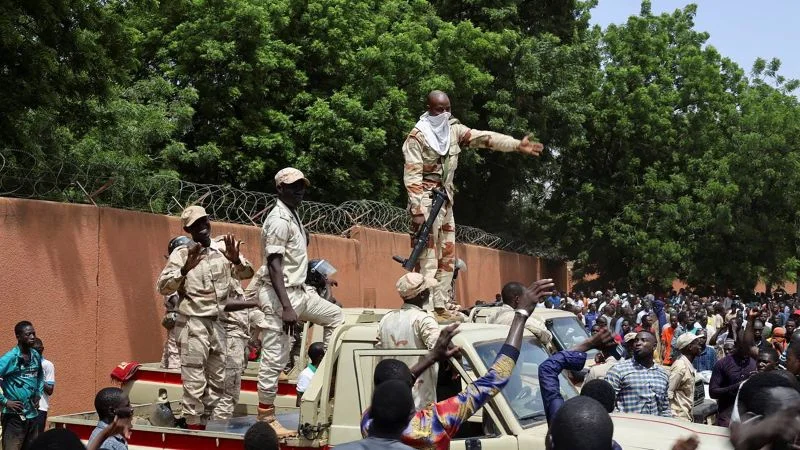
The recent military coup in Niger has strained the country's relationship with France and its Western allies, while presenting an opportunity for Russia to extend its influence in Africa. The coup has sparked anti-French sentiment in former French colonies, where many blame France for prevailing poverty levels. The Russian mercenary group Wagner, known for supporting military juntas, could exploit the crisis in Niger. Western nations, particularly France and the United States, have lost a key ally in the fight against Islamist jihadists in the region. The coup also threatens stability in the Sahel region, where violent events involving militant Islamist groups have doubled since 2021.