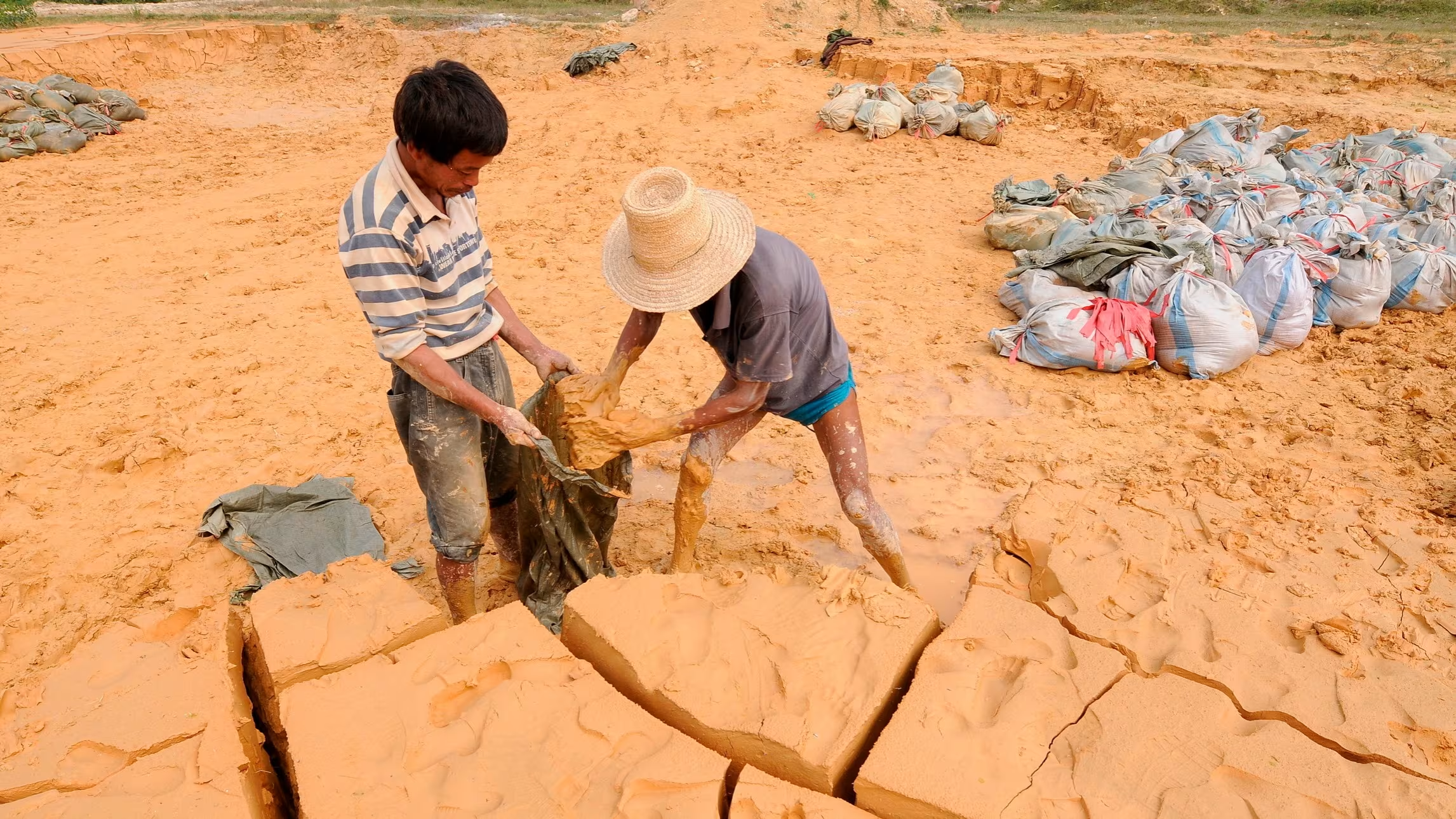
Western companies are warning of potential chaos in the China rare-earth supply chain, highlighting concerns over disruptions that could impact global markets and industries reliant on these critical materials.
Moscow is reported to be importing about a third of its battlefield technology from western companies, despite political tensions and sanctions. This reliance on western technology raises concerns about potential vulnerabilities and the impact of geopolitical tensions on military capabilities.
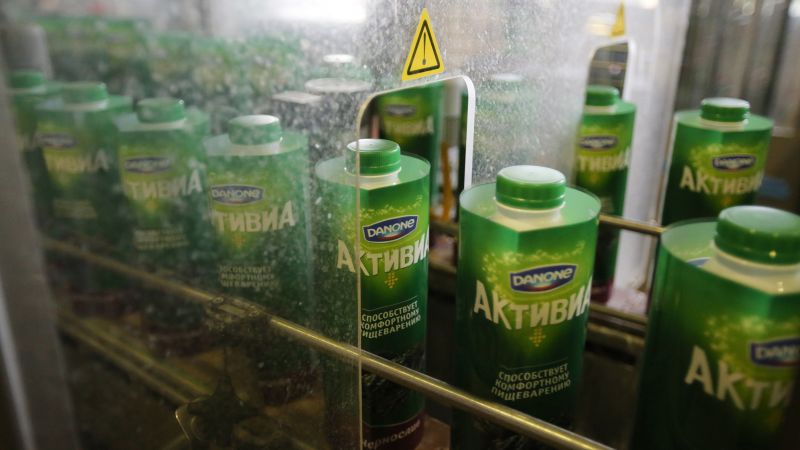
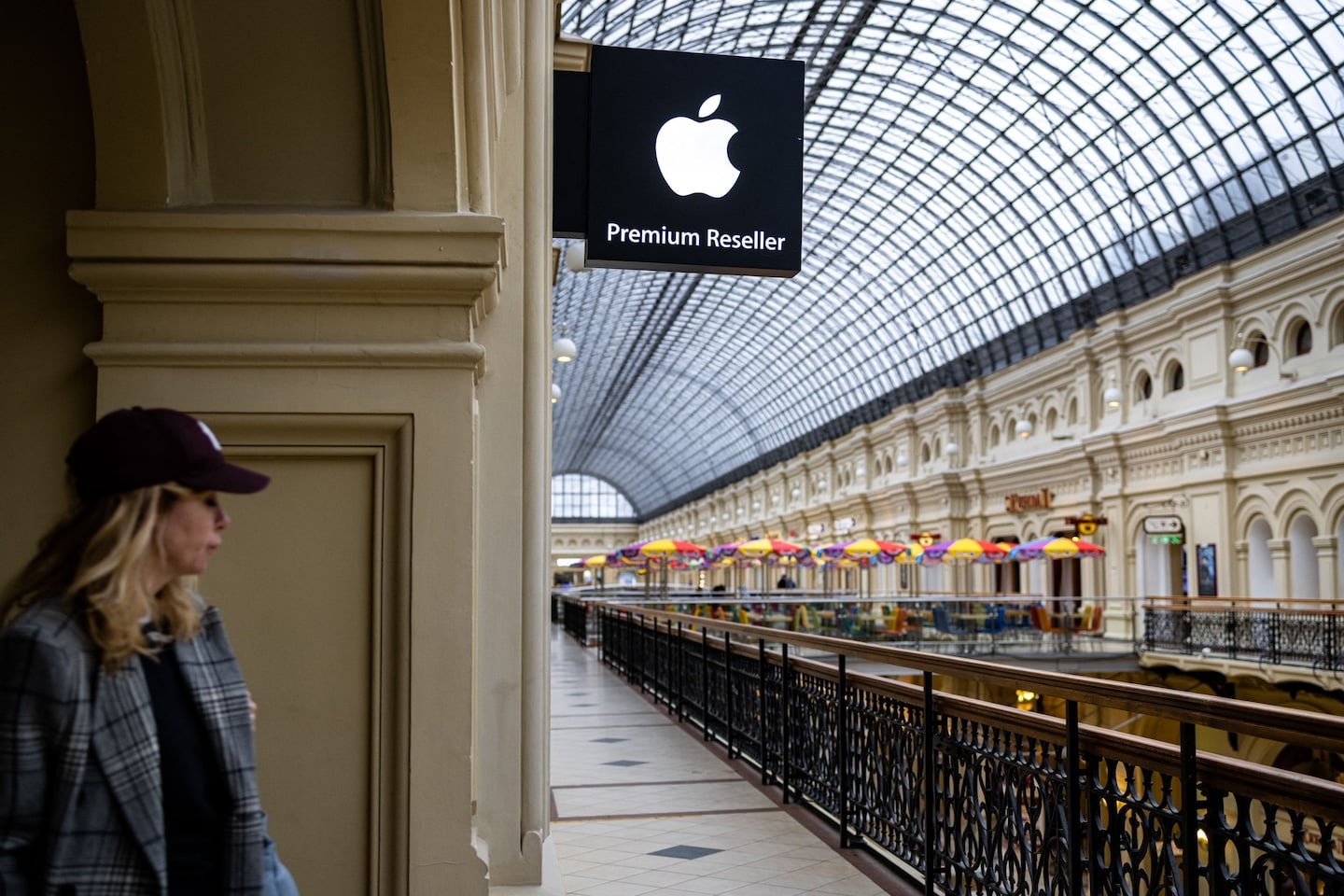
Despite the increasing risks and complexities, some Western companies like Nestlé, Heineken, and Mondelez have chosen to stay in Russia, caught between Western sanctions and an increasingly hostile Russian government. The Kremlin is making it difficult for Western firms to sell their Russian assets, imposing steep discounts and punitive taxes. Recent examples of state intervention, such as the nationalization of assets belonging to Danone and Carlsberg, highlight the risks faced by foreign firms. While some companies cite concerns for employees and obligations to local partners, others argue that leaving would only benefit the Kremlin. Selling assets comes with hefty penalties, and Western sanctions further complicate finding legitimate buyers. Over 1,000 foreign companies have exited or suspended operations in Russia since the war broke out, but more than 200 companies continue to do business as usual, while 178 firms have scaled back operations but still have a presence in the country.
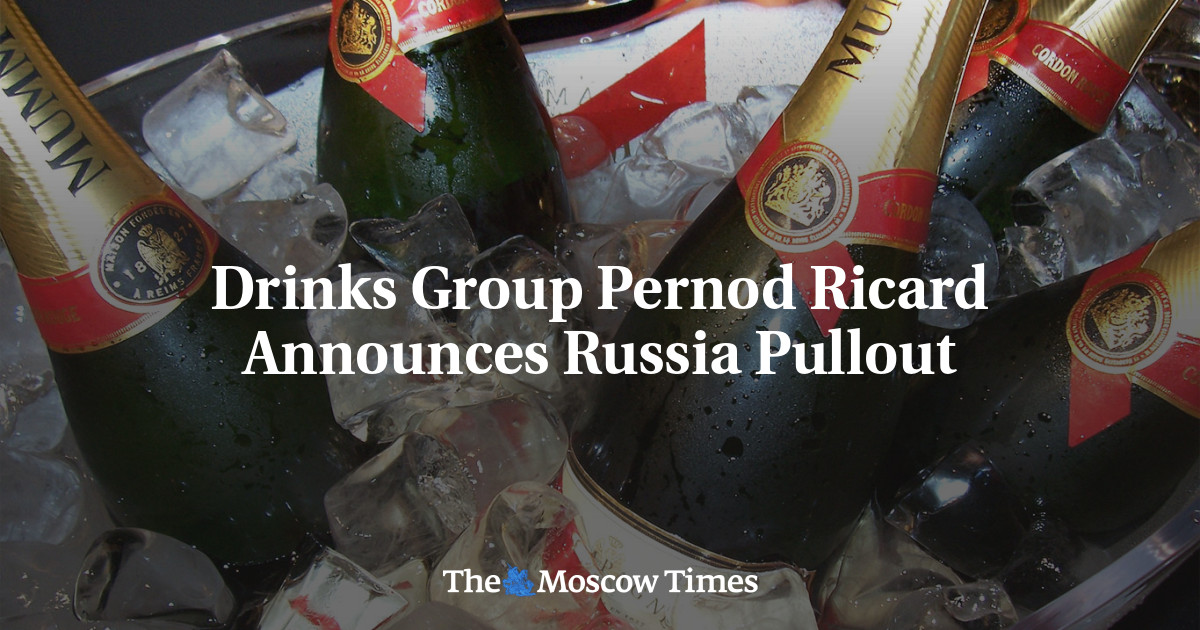
Pernod Ricard has announced that it will no longer export or distribute any of its brands to Russia following public pressure over its business activities there. The decision comes after the company had continued to trade in Russia despite calls for a boycott. The move represents a U-turn from management and will take some months to complete. Other Western companies have also pulled out of Russia following the Kremlin's invasion of Ukraine in February 2022.
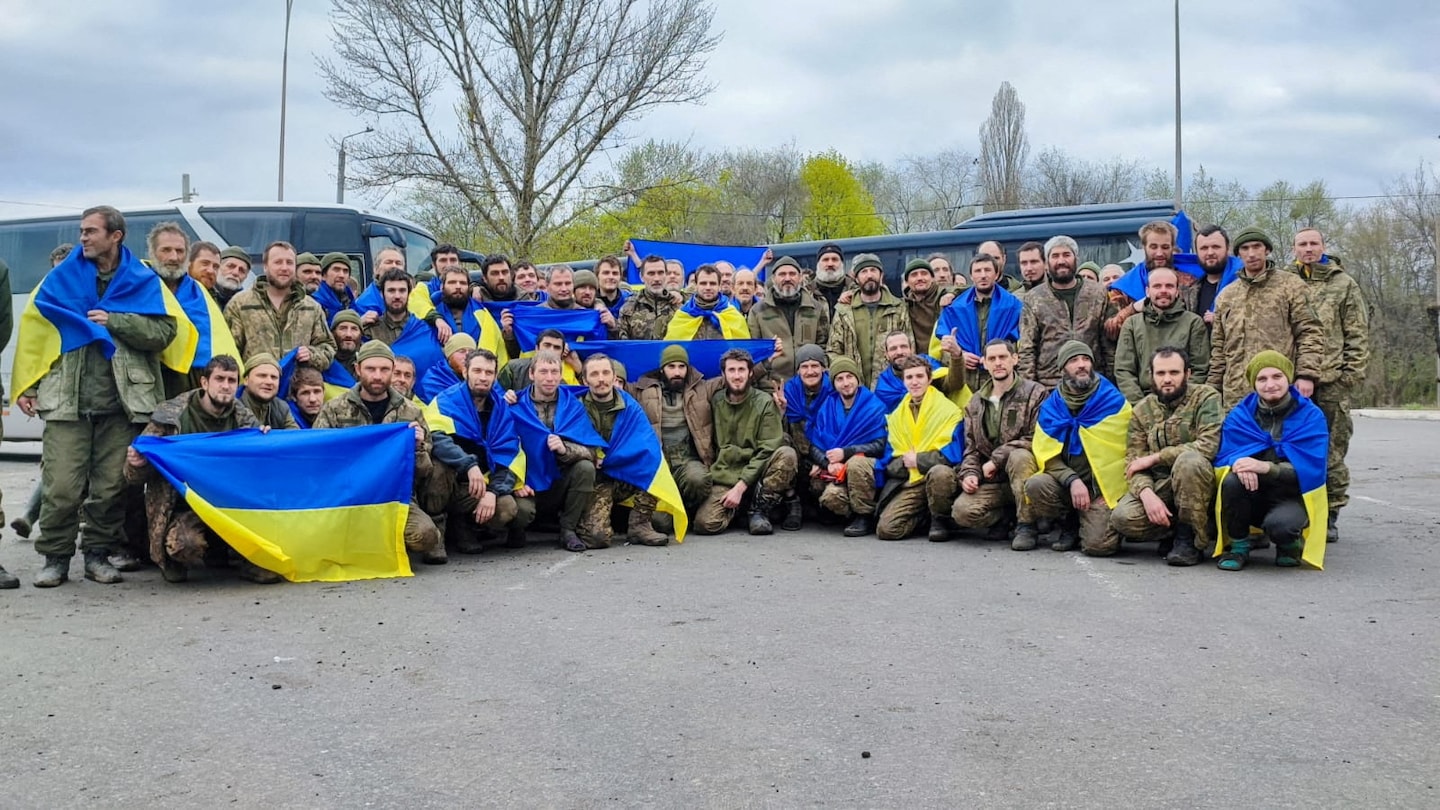
More than 100 Ukrainian prisoners of war were released by the Kremlin-linked Wagner mercenary group to mark Orthodox Easter. China's new defense minister, Gen. Li Shangfu, is heading to Russia on his first official foreign trip amid allegations that Beijing had agreed to send Moscow weapons to help its war on Ukraine. Despite the invasion of Ukraine, hundreds of Western companies remain in the Russian market, with some still operating in the country being named as sponsors of the war by Ukraine.
Despite promises to leave Russia after its invasion of Ukraine, only a small percentage of Western companies have actually exited, with many staying due to heavy reliance on Russian business and the high cost of leaving. Some companies even gained a bigger market share as competitors departed. The presence of so many companies has undermined the Washington-led effort to crush Russia’s economy, contributing taxes that help keep Russia’s war machine running. The Kyiv School of Economics reports that only 211 companies have exited, while 468 have announced plans to leave, and 1,228 are staying.
Foreign investors from "unfriendly countries" exiting Russia must donate at least 10% of asset sale proceeds to the state, on top of a previously announced 50% cut on the sale of their assets. Over 2,000 companies are seeking approval to exit the Russian market, but the authority handling the applications meets only three times monthly and considers up to seven applications each time, thus lengthening the exit process. It is challenging for multinationals to simply pack up and leave Russia due to contractual and legal obligations.
Foreign investors from "unfriendly countries" exiting Russia must donate at least 10% of asset sale proceeds to the state, on top of a previously announced 50% cut on the sale of their assets. Over 2,000 companies are seeking approval to exit the Russian market, but the authority handling the applications meets only three times monthly and considers up to seven applications each time, thus lengthening the exit process. It is challenging for multinationals to simply pack up and leave Russia due to contractual and legal obligations.