Research shows that diquat, a widely used weedkiller in the US, can damage organs and gut bacteria, and is more toxic than glyphosate, yet it remains unbanned in the US due to weak regulatory oversight, raising concerns about human health risks.
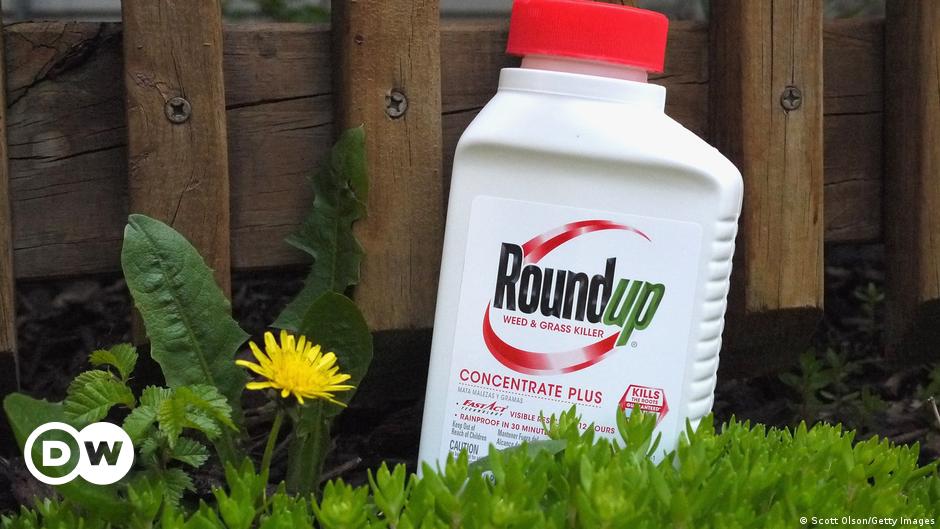
Bayer's subsidiary was ordered to pay $2.25 billion to a man who developed cancer from using the Roundup weedkiller, with the verdict including $2 billion in punitive damages and $250 million in compensation. Bayer plans to appeal the verdict, which is part of thousands of claims made in the US against the company for personal injuries allegedly caused by Roundup, despite Bayer's assertion that the product is safe for human use.
Bayer has been ordered by a Philadelphia jury to pay nearly $3.5 million in a lawsuit that found the company's Roundup weedkiller caused a woman's cancer. This marks the fifth consecutive loss for Bayer in similar cases, although the verdict is smaller than previous ones. The company has faced pressure to settle the litigation to avoid further hefty trial verdicts. Bayer plans to appeal the verdict, stating that it disagrees with the jury's decision and believes it has strong arguments for overturning it. The company has set aside $6.5 billion to deal with the Roundup litigation, with over 165,000 claims made against it.