Tag

Organ Damage

All articles tagged with #organ damage

Dangerous Supplement Combinations: Expert Warnings on Toxic Pairings

Originally Published 1 year ago — by Wide Open Country

Featured image for Dangerous Supplement Combinations: Expert Warnings on Toxic Pairings
Source: Wide Open Country

Certain combinations of supplements and medications can lead to serious health risks, including organ damage. For instance, taking red yeast rice with niacin can harm the liver, while combining fish oil with ginkgo biloba may cause uncontrolled bleeding. St. John's wort with antidepressants can lead to serotonin syndrome, and CoQ10 with diabetes medications can dangerously lower blood sugar. Additionally, garlic and other blood-thinning supplements should not be taken with blood thinners to avoid internal bleeding. Consulting a doctor before combining supplements is advised.

"Unveiling Silent Organ Damage: Key Insights into Long COVID"

Originally Published 1 year ago — by The Mirror

Featured image for "Unveiling Silent Organ Damage: Key Insights into Long COVID"
Source: The Mirror

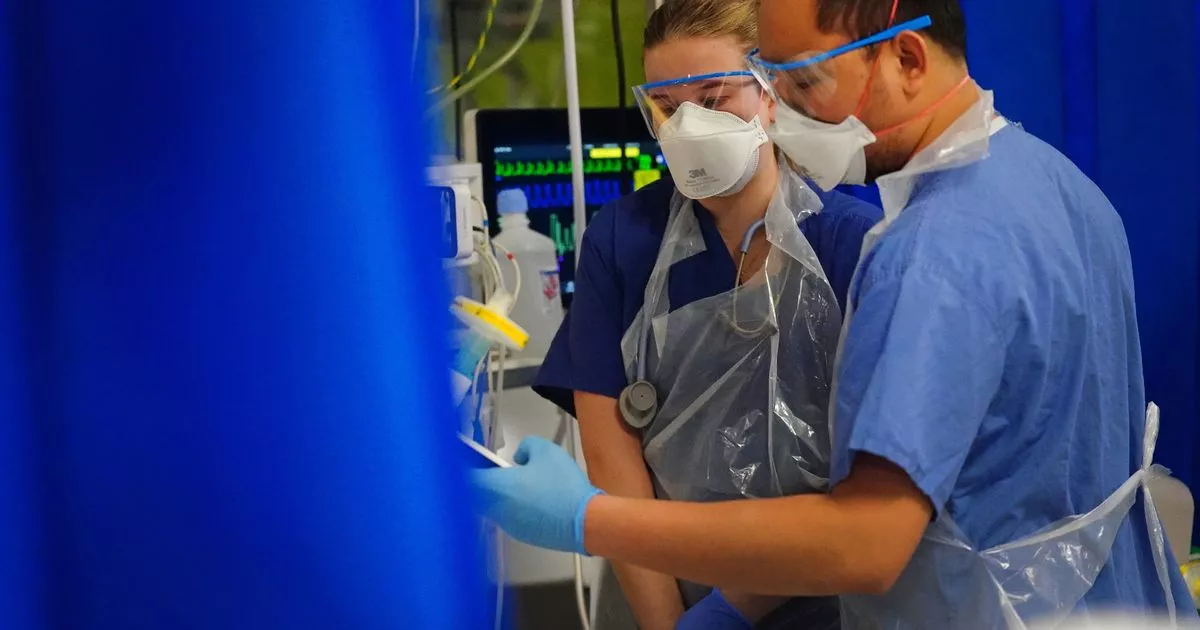
A study has found that over half of long Covid patients experience "silent" organ damage, even if they were not severely affected initially, raising concerns about long-term health impacts. The research highlights the need for further investigation into the links between symptoms, organ damage, and overall function. Despite a decrease in Covid cases, experts warn of potential future waves due to the virus's ongoing evolution. Vaccination has been crucial in reducing Covid-related deaths, but efforts to combat vaccine hesitancy and ensure widespread vaccination continue.

"The Multi-Organ Impact of COVID-19: Beyond Breathing"

Originally Published 2 years ago — by American Heart Association News

Featured image for "The Multi-Organ Impact of COVID-19: Beyond Breathing"
Source: American Heart Association News

COVID-19 can cause more than just respiratory symptoms, affecting organs throughout the body and leading to long COVID with over 200 associated symptoms. The virus can impact the brain and nervous system, heart and blood vessels, gastrointestinal system, and kidneys, potentially causing issues such as strokes, myocarditis, irregular heartbeat, and kidney problems. Experts advise caution, vaccination, and controlling cardiovascular risk factors to protect against the virus and its potential long-term effects.

COVID-19's Lingering Impact: MRI Scans Uncover Long-Term Organ Damage and Fatal Brain Disease

Originally Published 2 years ago — by BBC

Featured image for COVID-19's Lingering Impact: MRI Scans Uncover Long-Term Organ Damage and Fatal Brain Disease
Source: BBC

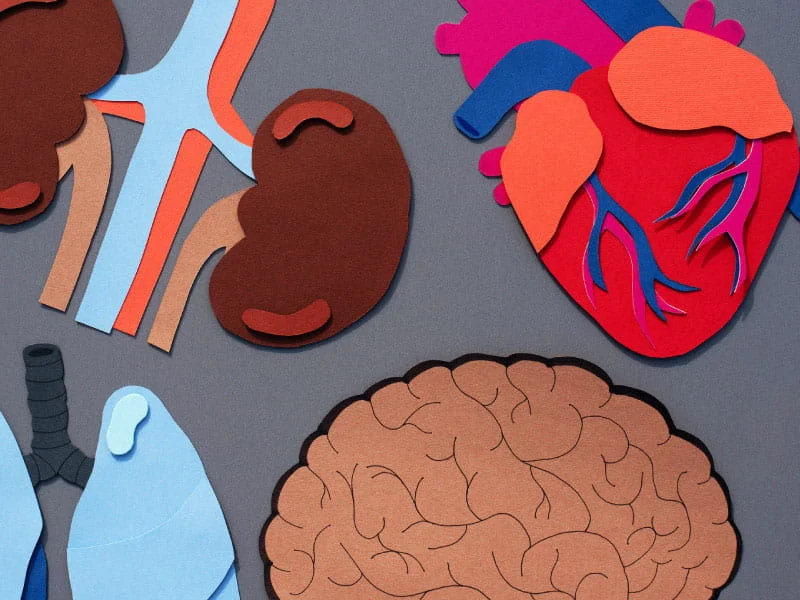
A study conducted in the UK has found that people living with long Covid after being hospitalized are more likely to show damage to major organs, according to MRI scans. The study looked at 259 patients who had been admitted to the hospital due to severe Covid and found that five months after discharge, their MRI scans showed abnormalities in multiple organs such as the lungs, brain, and kidneys. The research suggests a link between the severity of the illness and organ damage. The findings aim to contribute to the development of more effective treatments for long Covid.

Unmasking COVID-19's Devastating Assault on Vital Organs: Mitochondrial Meltdown Revealed

Originally Published 2 years ago — by SciTechDaily

Featured image for Unmasking COVID-19's Devastating Assault on Vital Organs: Mitochondrial Meltdown Revealed
Source: SciTechDaily

Researchers have discovered that the SARS-CoV-2 virus can negatively impact mitochondrial genes, leading to dysfunction in multiple organs beyond just the lungs. This systemic effect suggests that COVID-19 should be viewed as a disorder that affects various organs. The study found that mitochondrial gene expression recovered in the lungs but remained suppressed in the heart, kidneys, and liver. The persistent damage to organs could explain the adverse effects associated with "long COVID." The findings highlight potential new therapeutic targets, including microRNA 2392, which regulates mitochondrial function and could potentially impede the replication of the virus.

Wasp stings linked to strokes in medical case study

Originally Published 2 years ago — by Daily Mail

Featured image for Wasp stings linked to strokes in medical case study
Source: Daily Mail

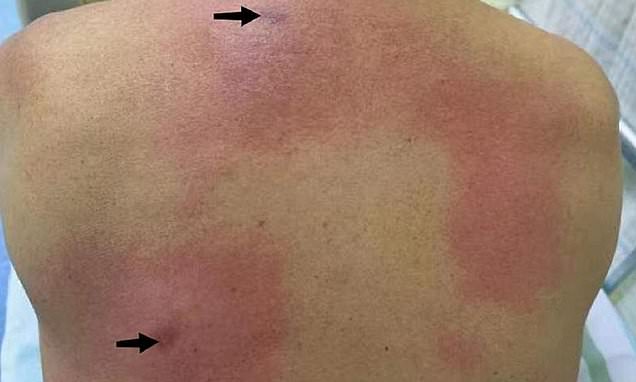
Doctors have warned that wasp stings can cause strokes, trigger catastrophic organ damage, and even leave sufferers in a vegetative state. A 60-year-old man from China was stung four times by wasps on his head and back, resulting in a rare stroke with a very high mortality rate. Wasp or bee stings account for up to 10 deaths a year in the UK and 60 in the US. In extremely rare cases, wasp stings can cause multiple organ damage, heart attacks, rhabdomyolysis, or strokes.

"Probiotic Pill May Prevent Organ Damage and Hangovers from Alcohol, Study Finds"

Originally Published 2 years ago — by ScienceAlert

Featured image for "Probiotic Pill May Prevent Organ Damage and Hangovers from Alcohol, Study Finds"
Source: ScienceAlert

Chinese researchers have developed a modified probiotic supplement that can protect mice from the acute effects of consuming too much alcohol. The probiotic works by metabolizing alcohol in the gut, reducing the amount of alcohol absorbed into the bloodstream. The modified probiotic also reduces acute liver damage and intestinal inflammation caused by excessive alcohol consumption. The therapy has yet to be tested in humans, but it could potentially alleviate the worst effects of alcoholism. However, experts caution that even moderate drinking has harmful effects, and the general health advice remains the same: limit the number of drinks you consume to reduce the toll on your health.

Uncovering the Mechanisms of COVID-19 Organ Damage.

Originally Published 2 years ago — by Greatandhra

Featured image for Uncovering the Mechanisms of COVID-19 Organ Damage.
Source: Greatandhra

Covid-19 damages the cells lining the smallest blood vessels, choking off blood flow, leading to organ damage, according to a study. The study found that Covid-19 patients had severely high levels of a blood protein called fibrinogen, causing red blood cells to clump together, altering blood flow and directly damaging the endothelial glycocalyx. The fibrinogen-induced red blood cell aggregation and resulting microvascular damage could be the major pathway by which Covid causes organ damage and even death. The team has done exploratory research using therapeutic plasma exchange to remove plasma with high fibrinogen from Covid-19 patients and replacing it with donor plasma that has normal fibrinogen levels.

Uncovering the Pathway to COVID-19 Organ Damage.

Originally Published 2 years ago — by Medical Xpress

Featured image for Uncovering the Pathway to COVID-19 Organ Damage.
Source: Medical Xpress

Researchers at Emory University have discovered that COVID-19 damages the cells lining the smallest blood vessels, choking off blood flow, and that fibrinogen, a blood protein that is extremely elevated in patients with severe COVID-19, causes red blood cells to clump together, altering blood flow and directly damaging the endothelial glycocalyx, a gelatinous protective layer lining the microvessels. The researchers believe that this fibrinogen-induced red blood cell aggregation and resulting microvascular damage could be the major pathway by which COVID causes organ damage and even death. There are presently no medications targeting high fibrinogen in the blood, but the team has done exploratory research using therapeutic plasma exchange.